Story audio is generated using AI
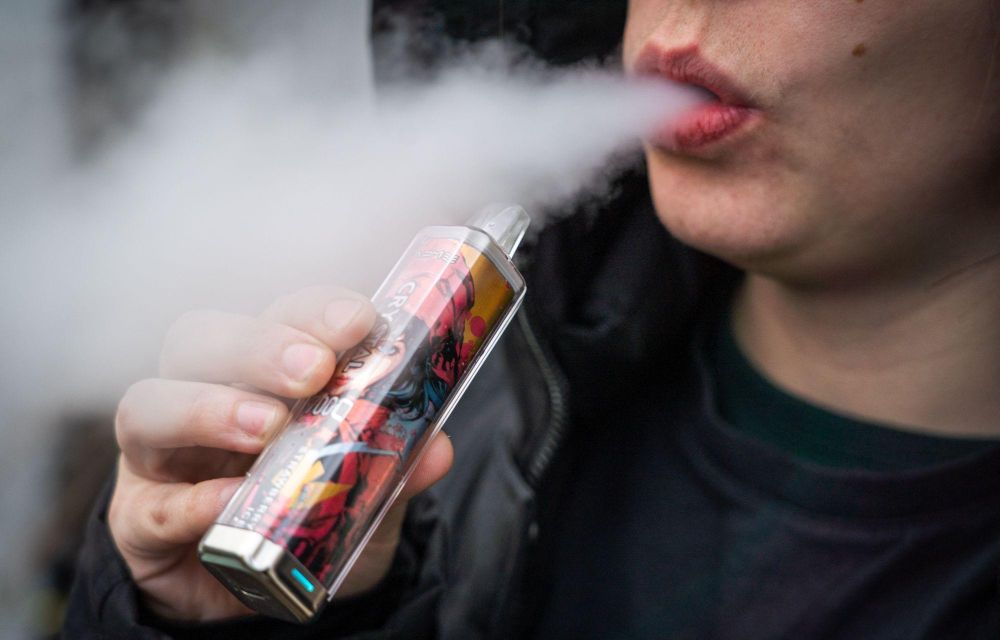
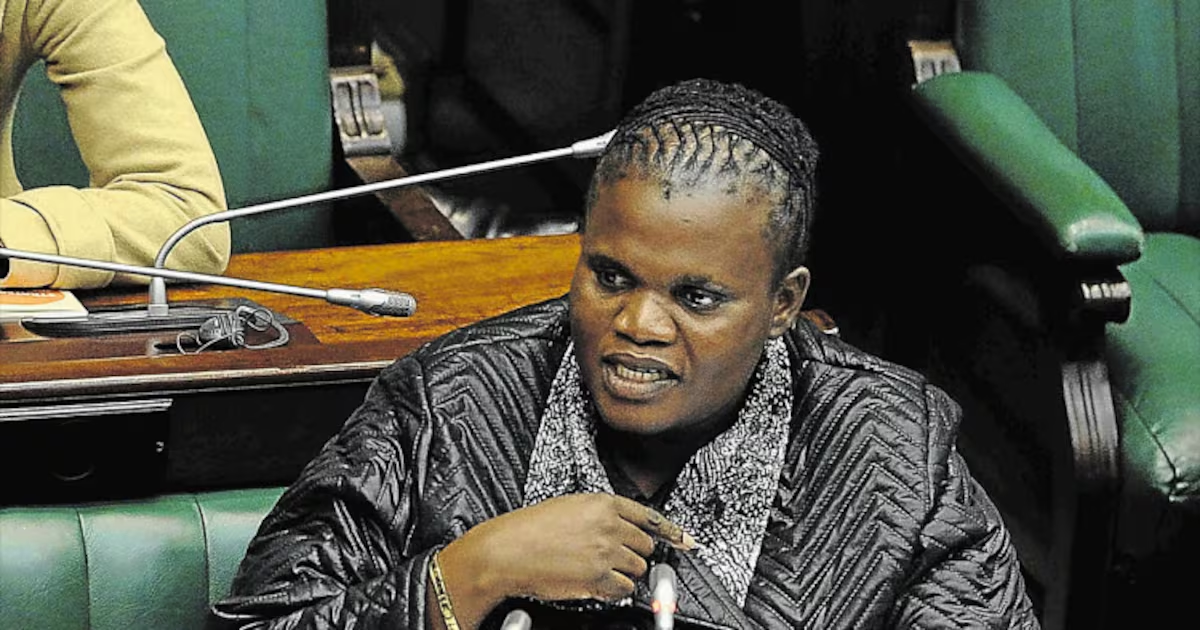
MPs are planning to amend the draft Tobacco Products & Electronic Delivery Systems Control Bill to soften its restrictions on vapes, allow informal traders to continue selling single cigarettes, and strip out some of the harshest penalties for transgressions. Agreement has been reached on changes that will be made to the bill to balance the needs of public health and the economy, DA health spokesperson Michele Clark said. The development is likely to be welcomed by manufacturers and retailers of vapes and non-combustible nicotine products, as the industry has lobbied hard for differentiated regulation with fewer restrictions on their goods than on cigarettes. Companies such as Philip Morris, which makes heated tobacco products, and the Vapour Products Association of South Africa have pressed for controls in line with the health risks posed by different products.The original version of the tobacco bill, submitted to parliament in 2022, proposed tough new controls on tobacco products and brought new generation devices such as e-cigarettes under regulatory control for the first time.Speaking to Business Day shortly after MPs on parliament’s portfolio committee on health agreed to begin line-by-line deliberation on the bill, Clark said the DA and ANC study groups had met to discuss it.“We have agreed on certain concessions. We are very happy with the point we have reached,” she said.Committee chair Faith Muthambi said public consultations, as well as engagements among the committee members, had clearly shown that the current version of the bill did not adequately address both public health and the livelihoods of South Africans. “This has been accepted by all the political parties in the committee, including the DA,” she said. “As a collective, we have agreed that we need to amend the bill to address its shortcomings, including differentiation, among others, during the clause-by-clause deliberations,” Muthambi said. The agreement demonstrated the collective commitment of the members of the committee to develop a bill that reflects South Africa’s realities, she said. Ahead of their vote on the desirability of the bill, several political parties made it clear their support was qualified and they wanted extensive changes to be made to the proposed legislation. The EFF’s Naledi Chirwa said the bill should draw a clear distinction between combustible and non-combustible products and should be accompanied by a clear strategy for tackling the illicit trade in cigarettes. Compliance requirements should be reasonable and proportionate, she said, alluding to the criticism levelled at the bill’s proposal for jail terms of up to 20 years. The MK’s Moshome Motubatse said changes were needed to the bill’s requirement that all products be sold in plain packaging and that fundamentally different products should not be regulated in the same way. While the Freedom Front Plus was the only party to vote against the motion of desirability, it raised similar concerns to the parties that supported it. The Tobacco Transformative Alliance, which represents players throughout the tobacco value chain, said it was encouraged by the committee’s plans to amend the bill. It created an opportunity to devise a framework that would enable adults to transition to less harmful products, alliance spokesperson Francois van der Merwe said.