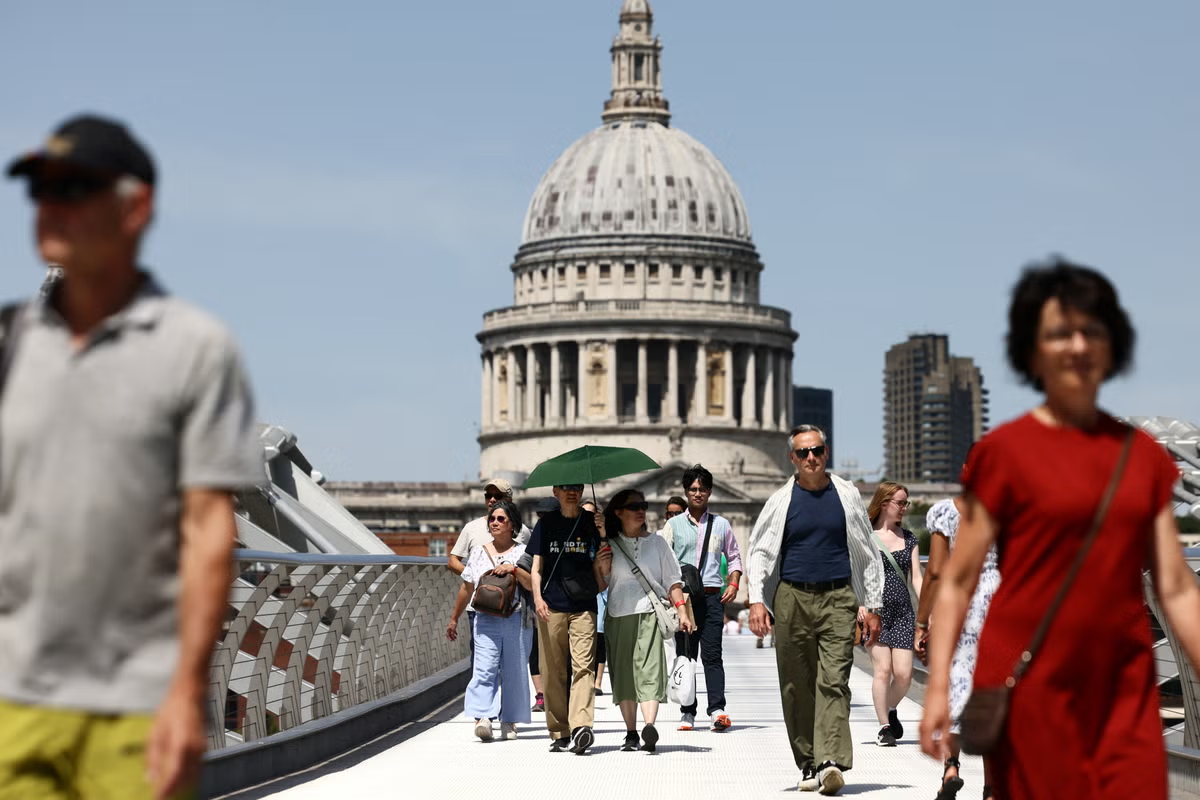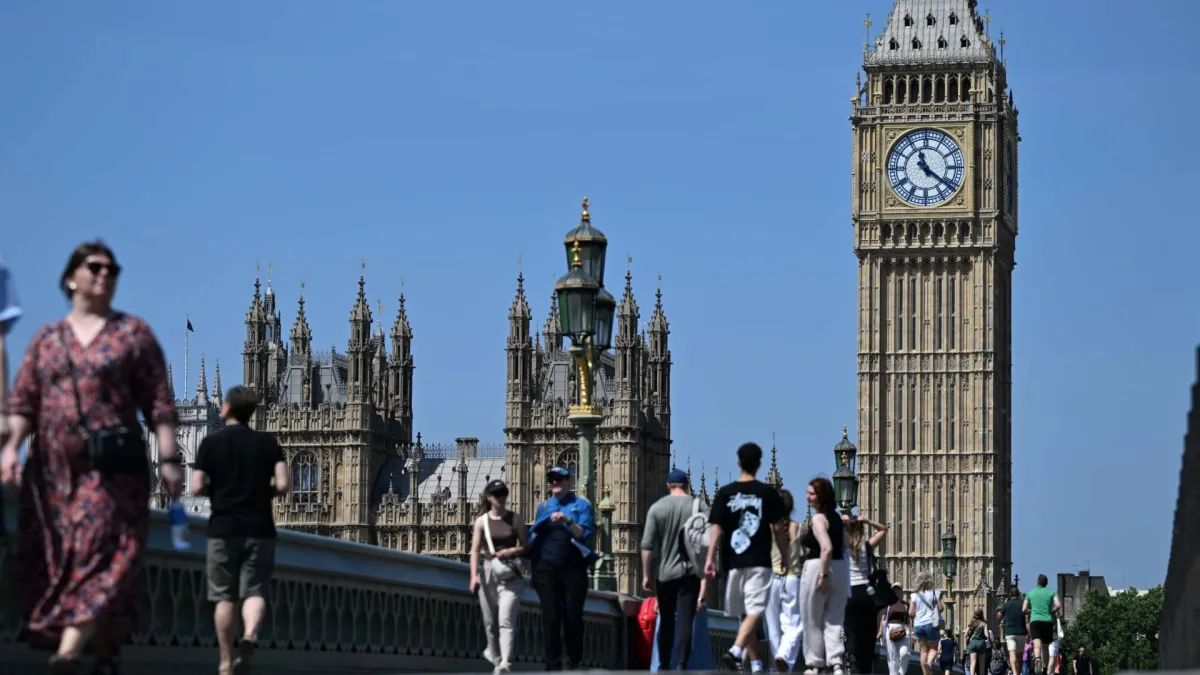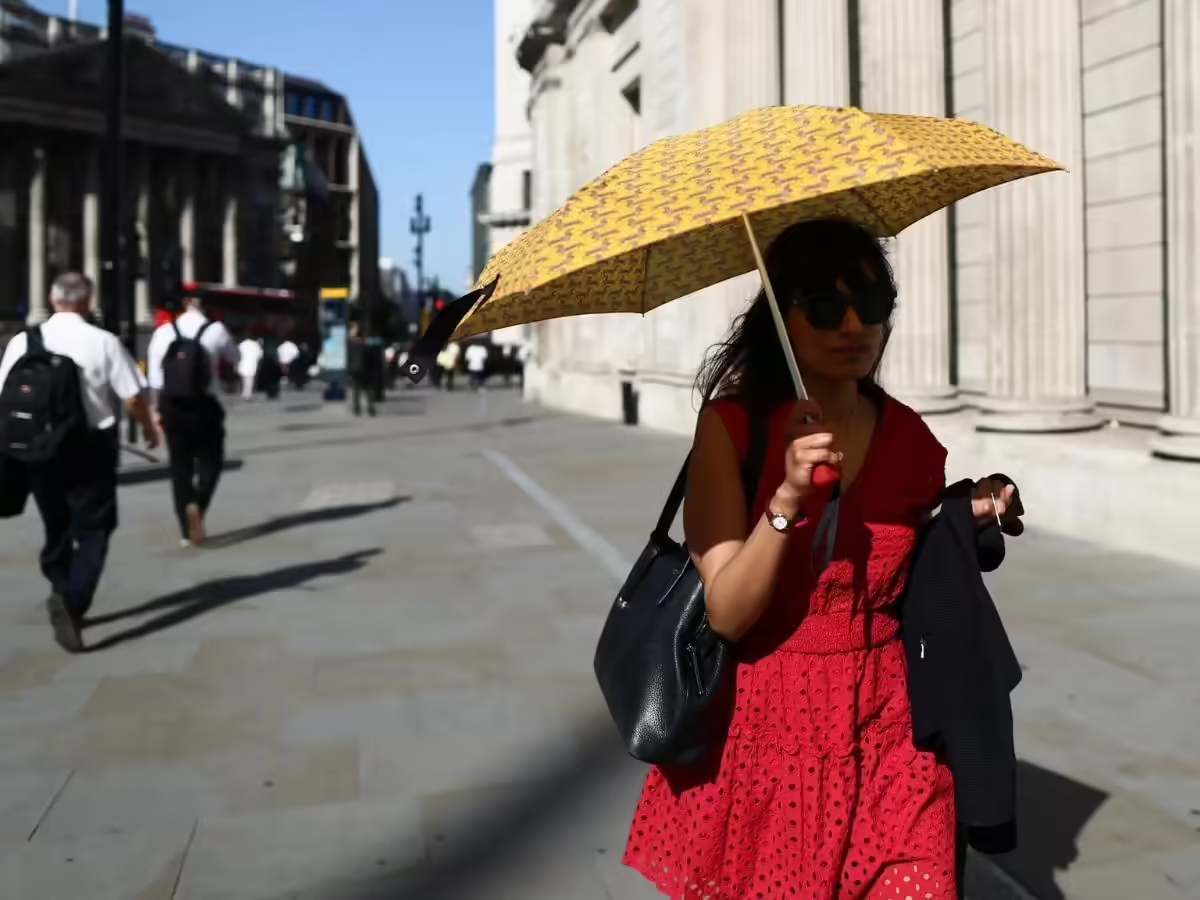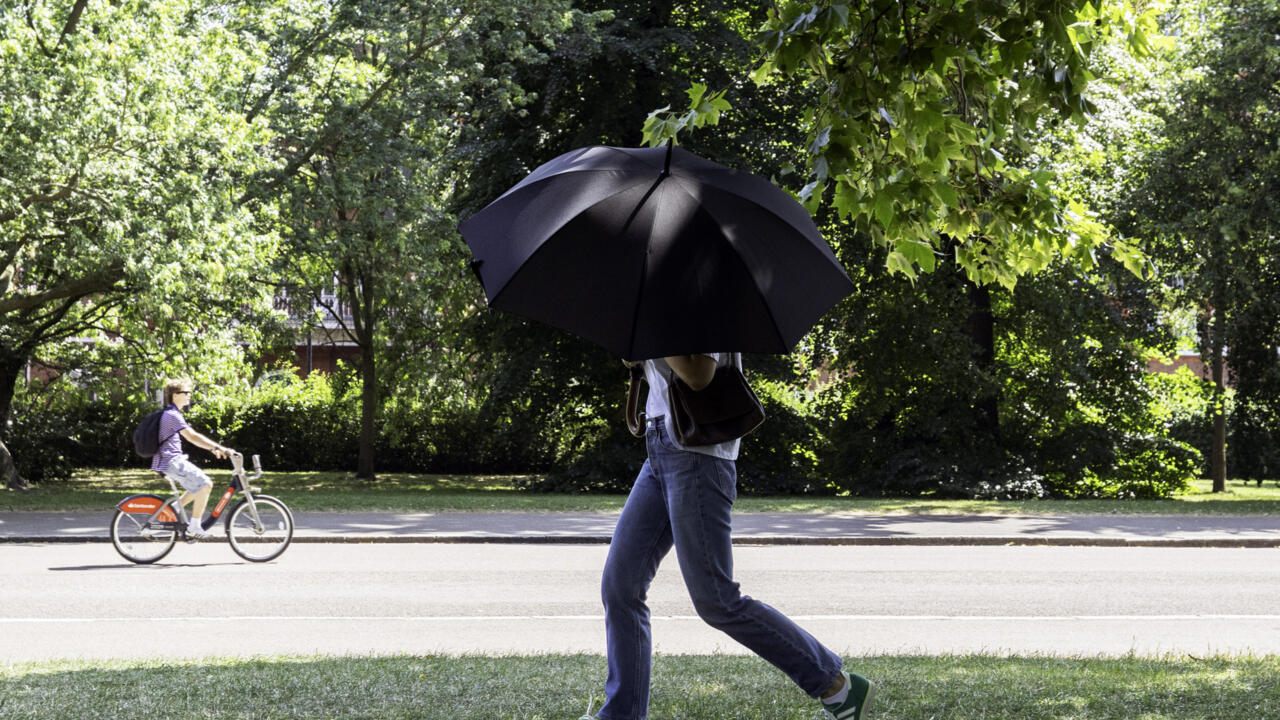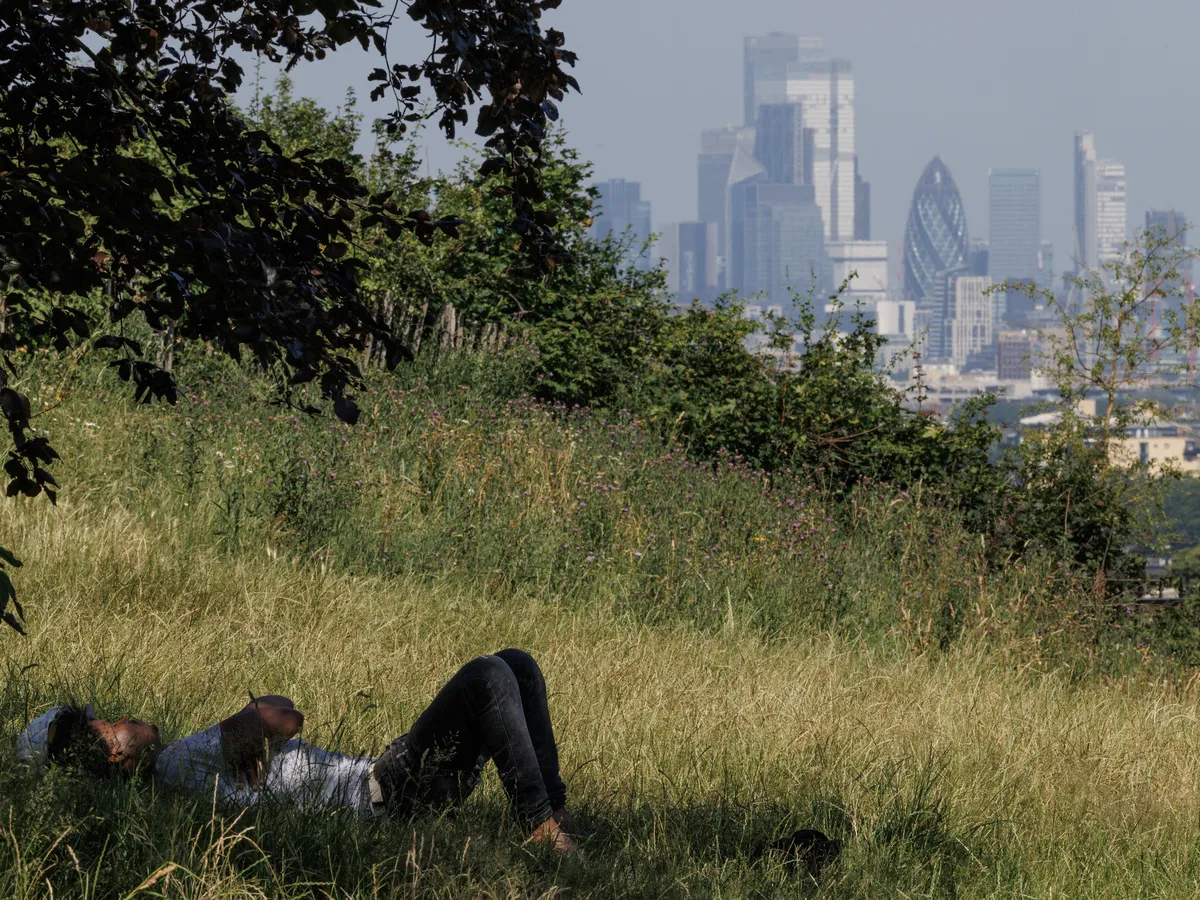
Skip to Content Subscribe Our Offers My Account Manage My Subscriptions FAQ Newsletters Canada Canadian True Crime Canadian Politics Health World Israel & Middle East Financial Post NP Comment Longreads Puzzmo Diversions Comics NP News Quiz New York Times Crossword Horoscopes Life Eating & Drinking Style Sponsored Play for Ontario Travel Travel Canada Travel USA Travel International Cruises Travel Essentials Culture Books Celebrity Movies Music Theatre Television Business Essentials Advice Lives Told Tails Told Shopping Buy Canadian Home Living Outdoor Living Kitchen & Dining Tech Style & Beauty Personal Care Entertainment & Hobbies Gift Guide Travel Guide Amazon Prime Day Deals Savings National Post Store More Sports Hockey Baseball Basketball Football Soccer Golf Tennis Driving Vehicle Research Reviews News Gear Guide Obituaries Place an Obituary Place an In Memoriam Classifieds Place an Ad Celebrations Working Business Ads Archives Healthing Epaper Manage Print Subscription Profile Settings My Subscriptions Saved Articles My Offers Newsletters Customer Service FAQ Newsletters Canada World Financial Post NP Comment Longreads Puzzmo Diversions Life Shopping Epaper Manage Print Subscription HomeNewsWorldBritain's heat wave triggers school closures and flash flooding in LondonWhile temperatures over the coming days are relatively tame compared to elsewhere in Europe, many buildings weren’t built to copeAuthor of the article: You can save this article by registering for free here. Or sign-in if you have an account.A man rests in the shade in Greenwich Park on June 24, 2026, in London, United Kingdom. The Met Office has upgraded an extreme heat warning to red for six regions of England and Wales on Wednesday and Thursday this week. Photo by Dan Kitwood /Getty ImagesExtreme heat across the south of the U.K. is shutting schools and disrupting travel, after overnight thunderstorms led to flash floods in parts of London.Enjoy the latest local, national and international news.Exclusive articles by Conrad Black, Barbara Kay and others. Plus, special edition NP Platformed and First Reading newsletters and virtual events.Unlimited online access to National Post.National Post ePaper, an electronic replica of the print edition to view on any device, share and comment on.Daily puzzles including the New York Times Crossword.Support local journalism.Enjoy the latest local, national and international news.Exclusive articles by Conrad Black, Barbara Kay and others. Plus, special edition NP Platformed and First Reading newsletters and virtual events.Unlimited online access to National Post.National Post ePaper, an electronic replica of the print edition to view on any device, share and comment on.Daily puzzles including the New York Times Crossword.Support local journalism.Create an account or sign in to continue with your reading experience.Access articles from across Canada with one account.Share your thoughts and join the conversation in the comments.Enjoy additional articles per month.Get email updates from your favourite authors.Create an account or sign in to continue with your reading experience.Access articles from across Canada with one accountShare your thoughts and join the conversation in the commentsEnjoy additional articles per monthGet email updates from your favourite authorsSign In or Create an AccountorThe Met Office has issued an unusual red warning for extreme heat for a swathe of southern England and Wales from 9 a.m. on Wednesday until 9 p.m. on Thursday. Temperatures are expected to climb to a June record of at least 39 C.Climate change means that U.K. summers are getting warmer, with more frequent and intense heat waves, according to researchers and data from the U.K. Met Office. The current blast of heat is spreading north from the continent, driven by a high-pressure heat dome and jet stream changes triggered by a developing El Nino.Get a dash of perspective along with the trending news of the day in a very readable format.By signing up you consent to receive the above newsletter from Postmedia Network Inc.A welcome email is on its way. If you don't see it, please check your junk folder.The next issue of NP Posted will soon be in your inbox.We encountered an issue signing you up. Please try againWhile maximum temperatures over the coming days are relatively tame compared to extreme heat recorded elsewhere in Europe and the world, many homes, buildings and other infrastructure weren’t built to cope with soaring temperatures. On Monday, 43.3 C was recorded at Chateaumeillant in France, according to government forecaster Météo-France.Air conditioning adoption in Britain has doubled in the last three years, but it’s still only installed in 7 per cent of homes, with another 8 per cent of households relying on portable units.“These are record breaking temperatures and they will cause health impacts,” said Alex Deakin, a meteorologist at the U.K. Met Office. “This country isn’t built for those kind of temperatures because we don’t see them.”The Department for Education said it doesn’t normally advise schools to close in hot weather because attendance is the best way for pupils to learn and reach their potential.However, several schools and nurseries across London have introduced early closures, with schools like Nonsuch High School for Girls in Sutton, Camden School for Girls and St. Dunstan’s asking parents to collect their children at 1 p.m.Aerodrome Primary Academy in Croydon is among the schools cancelling field trips because of the heat. Other schools have shut down for the week including Paxton Primary, while North Ealing Primary School in West London is closed Wednesday and Thursday because of the red alert issued by the Met Office.Government forecasters warned of travel disruptions and damage to infrastructure.Sweaty commuters packed into sweltering subway lines on London’s Underground, where Bloomberg reporting showed temperatures can soar 5 C hotter than the surface during a heat wave.On Tuesday morning, the Elizabeth line was disrupted by flooding with no service to terminals 2, 3 and 4 at the capital’s main airport Heathrow, according to a status update on the Transport of London’s website.Rail passengers have been advised to minimize their travel in the next two days to absolutely necessary train journeys within red warning zones. While rail services are expected to continue running, disruptions are expected as extreme weather can affect track and ground conditions, as well as signalling and power systems, according to the Network Rail.Transport for London is warning passengers to check before they travel and to consider if their journey is necessary, as some rail and Tube services may be disrupted due to the very high temperatures forecast this week. London Overground and Elizabeth line services are likely to be most affected.Logistics businesses have also started feeling the pressure, with the RAC urging drivers to take precautions as it expects a surge in breakdowns over the coming days. The Royal Mail has warned that its operations may be disrupted.Experts are warning that the extreme heat poses health risks.“A heat wave in June is par for the course, but temperatures nudging toward 40 C were unprecedented for the UK up until 2022,” Professor Richard Allan at the University of Reading said in a statement. “This week will see a more muggy heat wave that makes it difficult to stay cool and critical for those with underlying health conditions.”Overnight, thunderstorms struck London, with the fire brigade responding to approximately 400 calls for surface water flooding and fires caused by lightning. Thames Water’s discharge map shows sewage spills right across London.The extreme weather coincides with the London Climate Action Week. The estimated cost of climate change without additional adaptation is 60–260 billion pounds ($110-$300 billion) per year in 2050, equivalent to 1-5 per cent of GDP per year, according to the Climate Change Committee’s Fourth Independent Assessment of U.K. Climate Risk.“The U.K. is not prepared for the impacts of climate change,” Stefán Smith, professor of energy systems and the built environment at the University of Reading, said in statement. “Building design and urban planning must adapt to hotter conditions.”Our website is the place for the latest breaking news, exclusive scoops, longreads and provocative commentary. Please bookmark nationalpost.com and sign up for our newsletters here. Join the Conversation This website uses cookies to personalize your content (including ads), and allows us to analyze our traffic. Read more about cookies here. By continuing to use our site, you agree to our Terms of Use and Privacy Policy.
Britain's heat wave triggers school closures and flash flooding in London
While temperatures over the coming days are relatively tame compared to elsewhere in Europe, many buildings weren’t built to cope.
1,339 words~6 min read