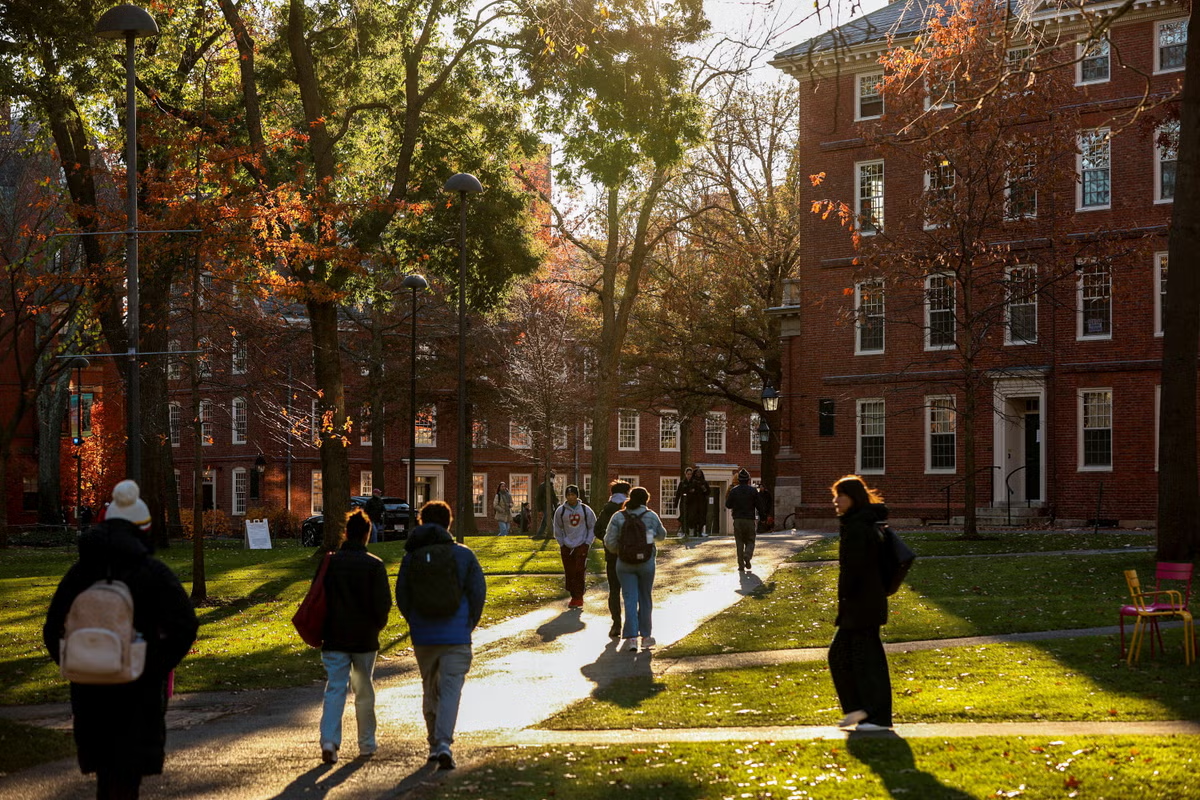
U.S. colleges are dealing with plummeting international student enrollment, and the consequences could go far beyond shrinking tuition revenue.
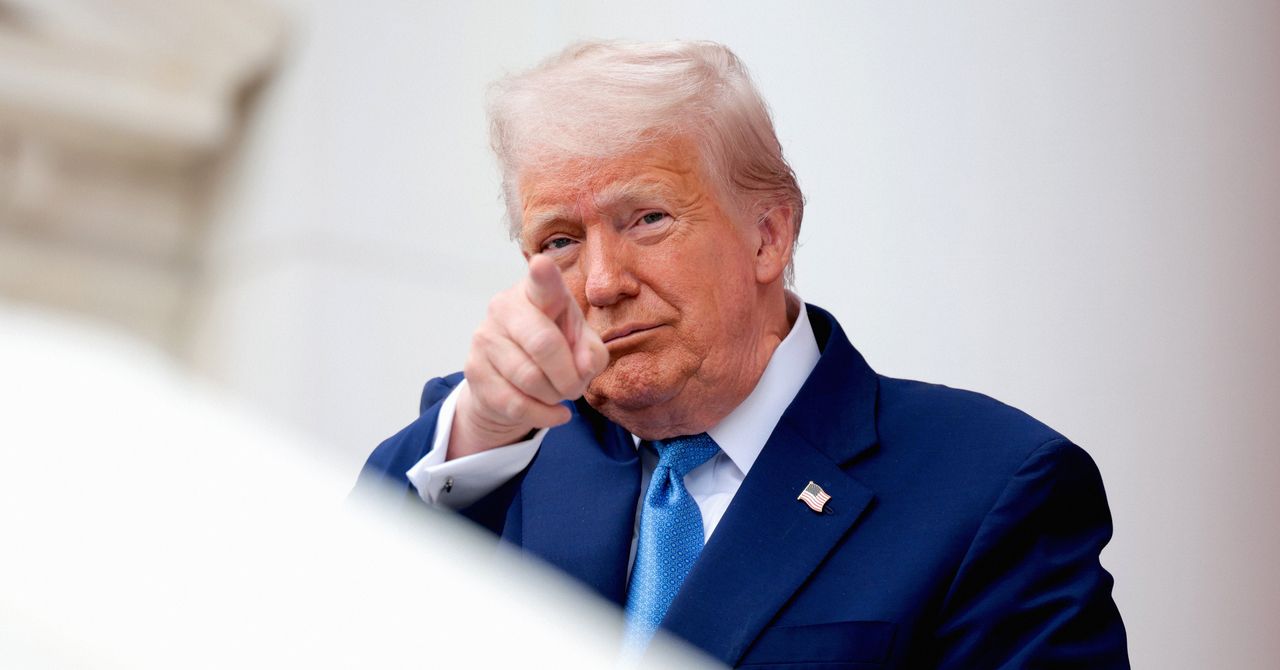
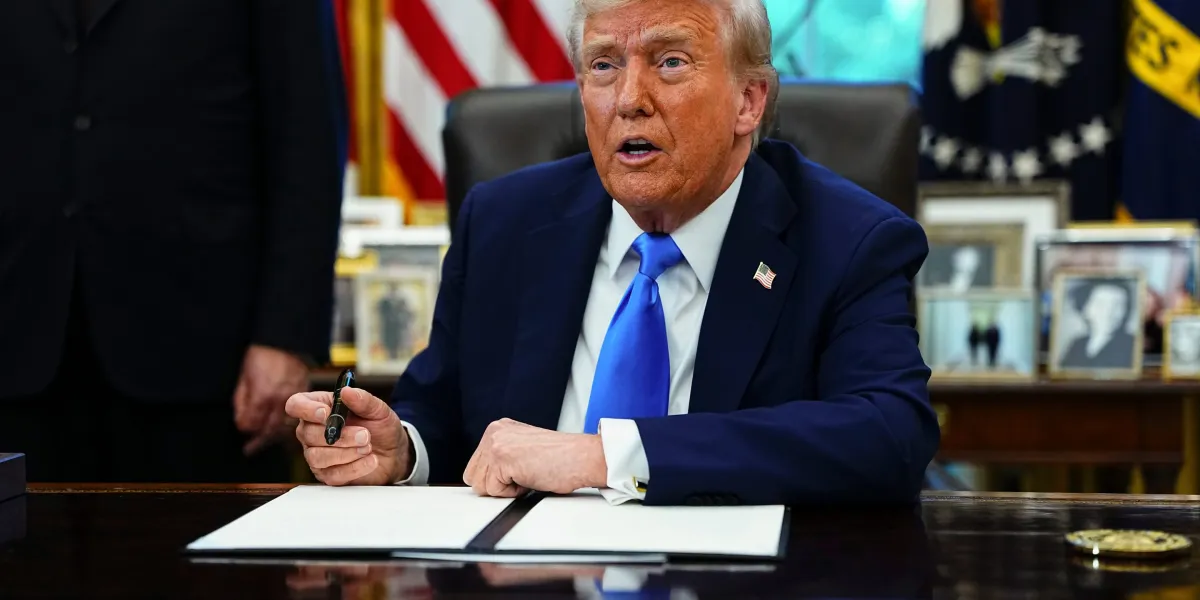
International students have become less likely to pursue education in the U.S. since President Donald Trump’s return to office. The administration has introduced more restrictive anti-immigration policies, including measures that explicitly target foreign-born students, and tightened rules about post-schooling employment for international graduates.
Last fall, schools reported international student enrollment had dipped 17%, according to NAFSA, an education nonprofit. Declining tuition spending translated to $1.1 billion in lost revenue for universities, and almost 23,000 fewer jobs.
Those figures might just be a drop in the bucket if international students end up permanently absconding from U.S. schools. International enrollees disproportionately pursue technical degrees, including in scientific, technology, engineering, and mathematics domains, otherwise known as STEM. The skills and the professions these lead to are cornerstones to U.S. innovation and technological breakthroughs, which in turn bolster all sorts of businesses and jobs. By cutting off those foreign-born grad students and PhDs at the source, the U.S. risks gutting its own economy years down the line.