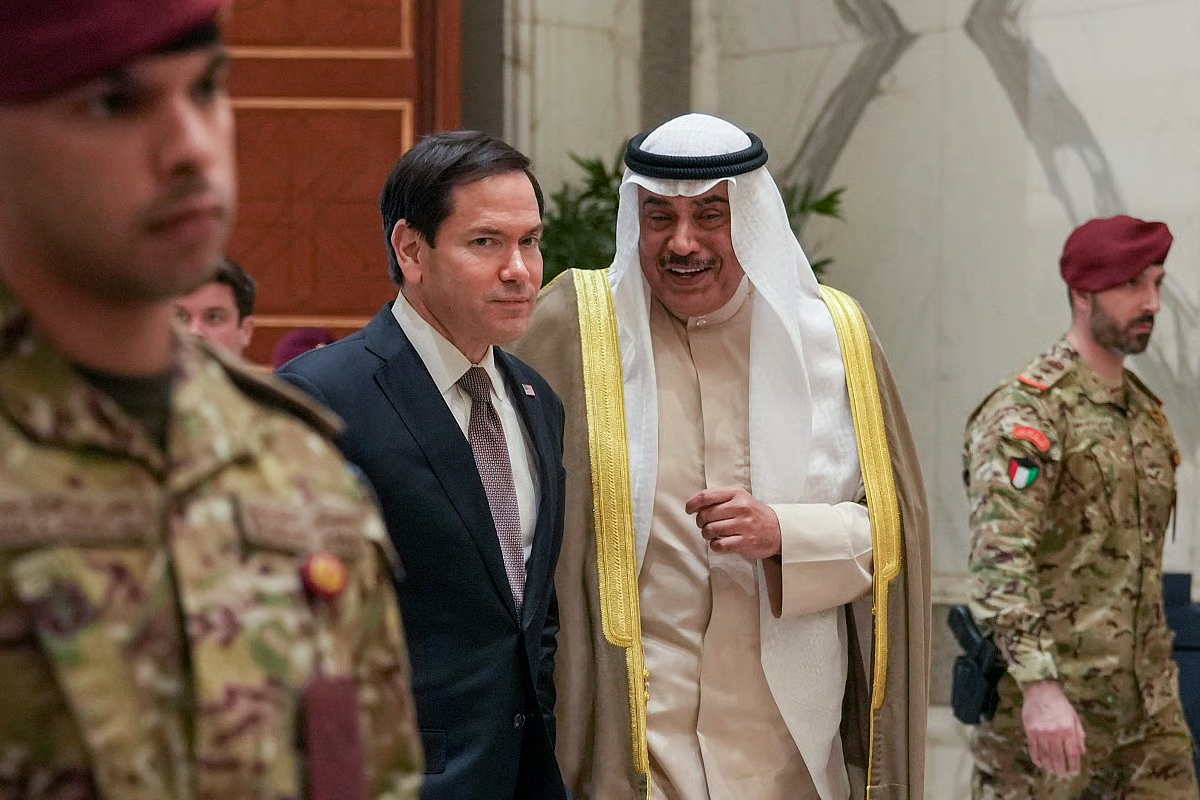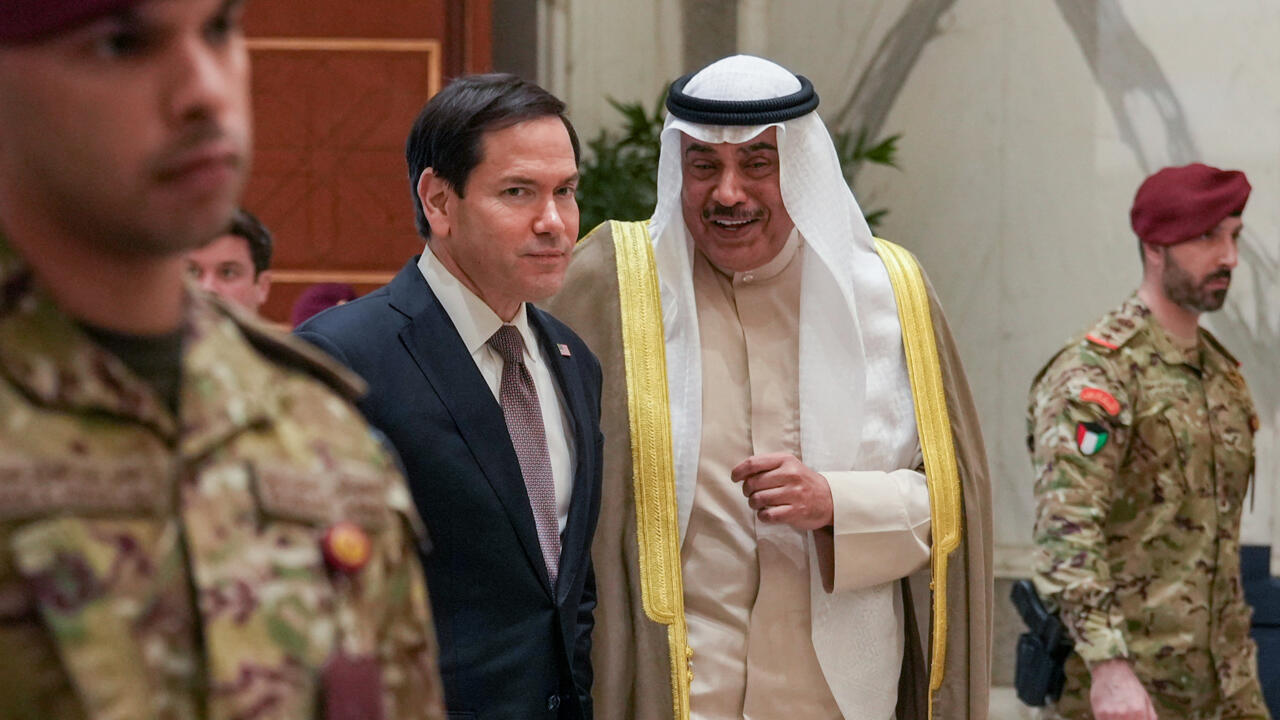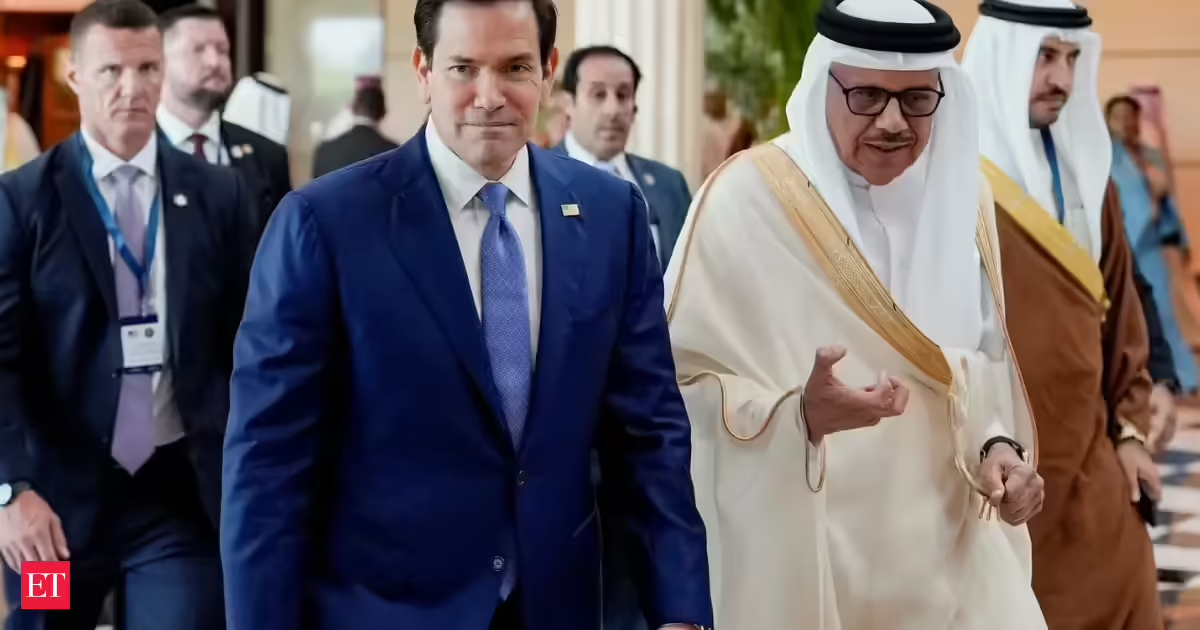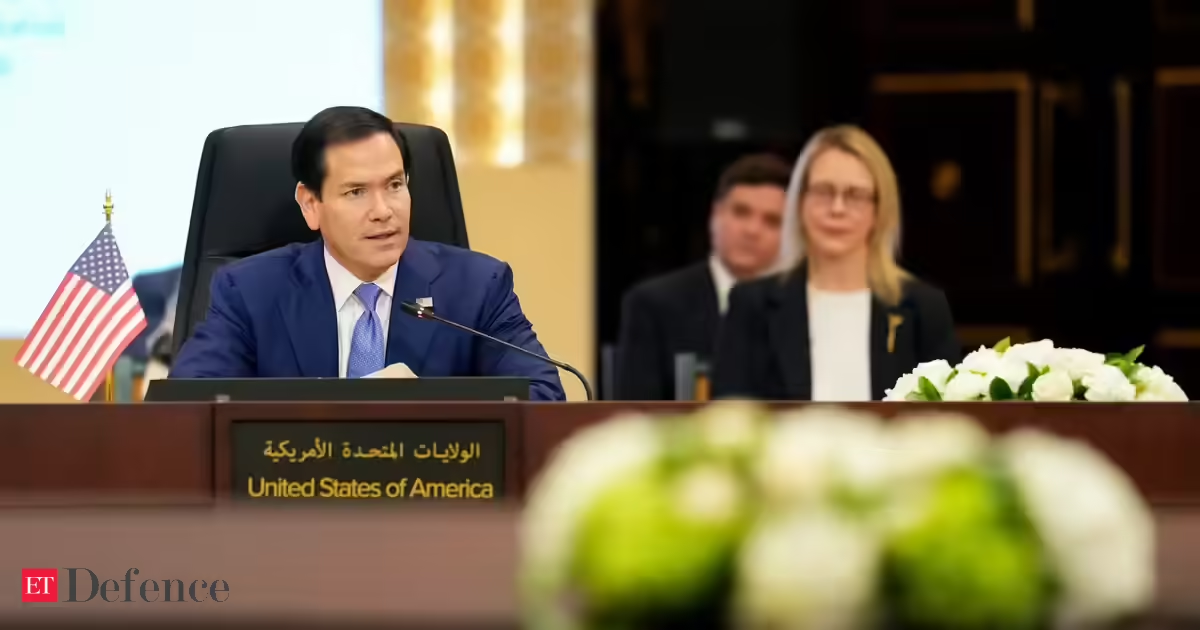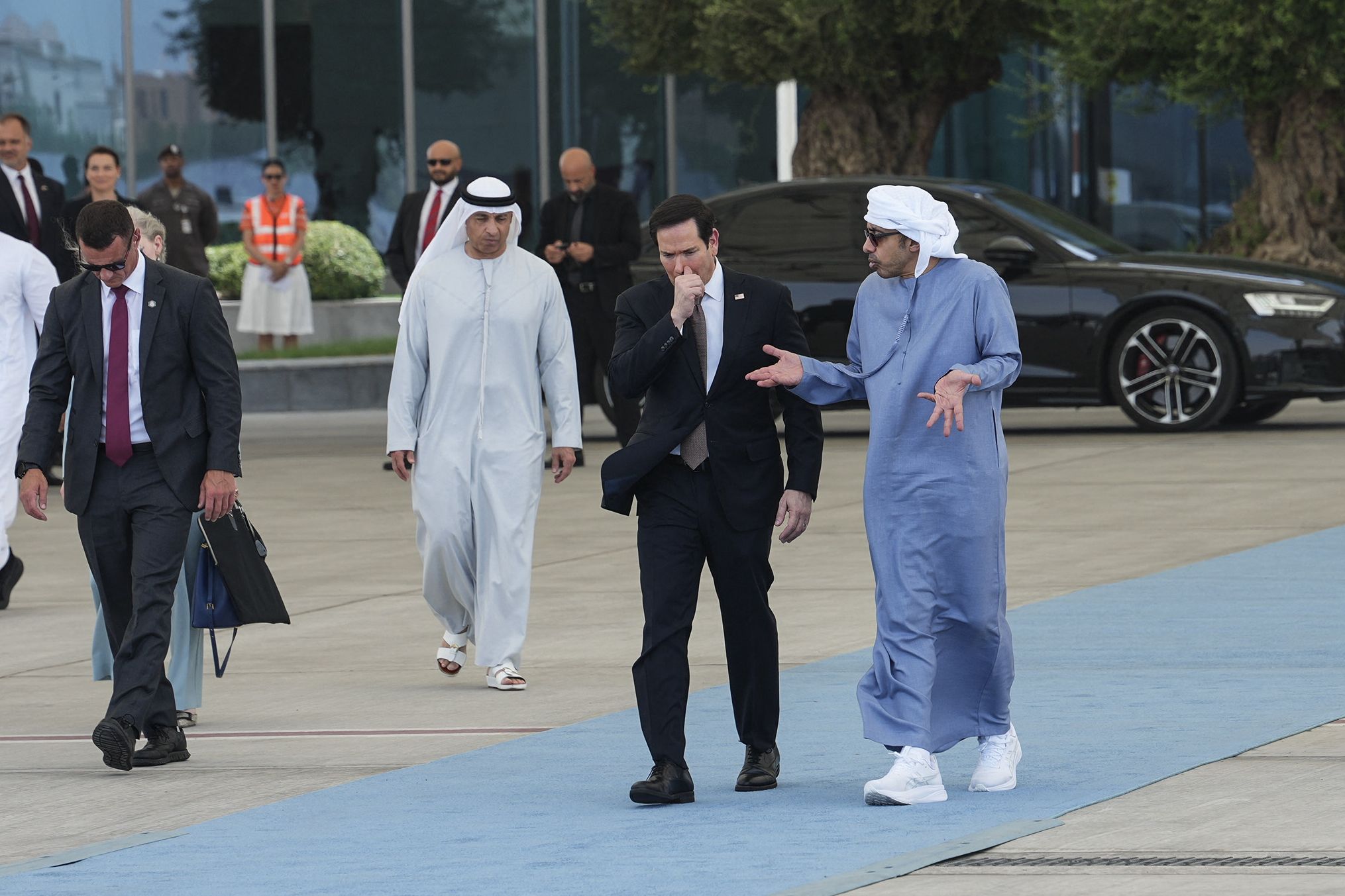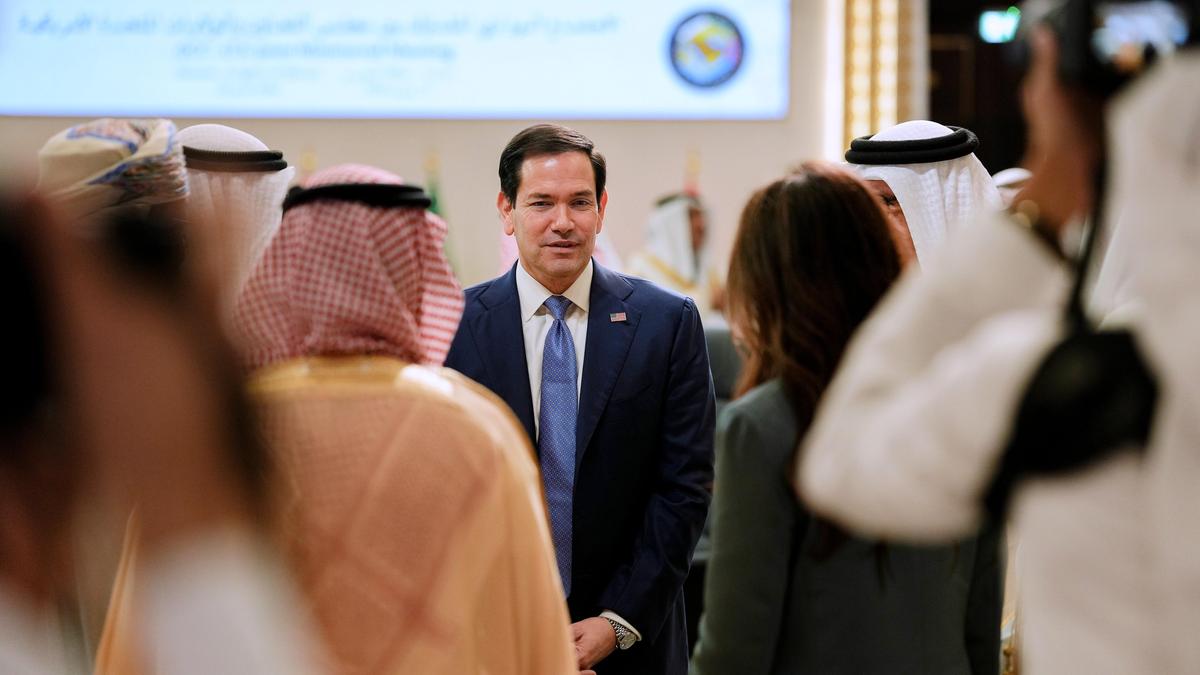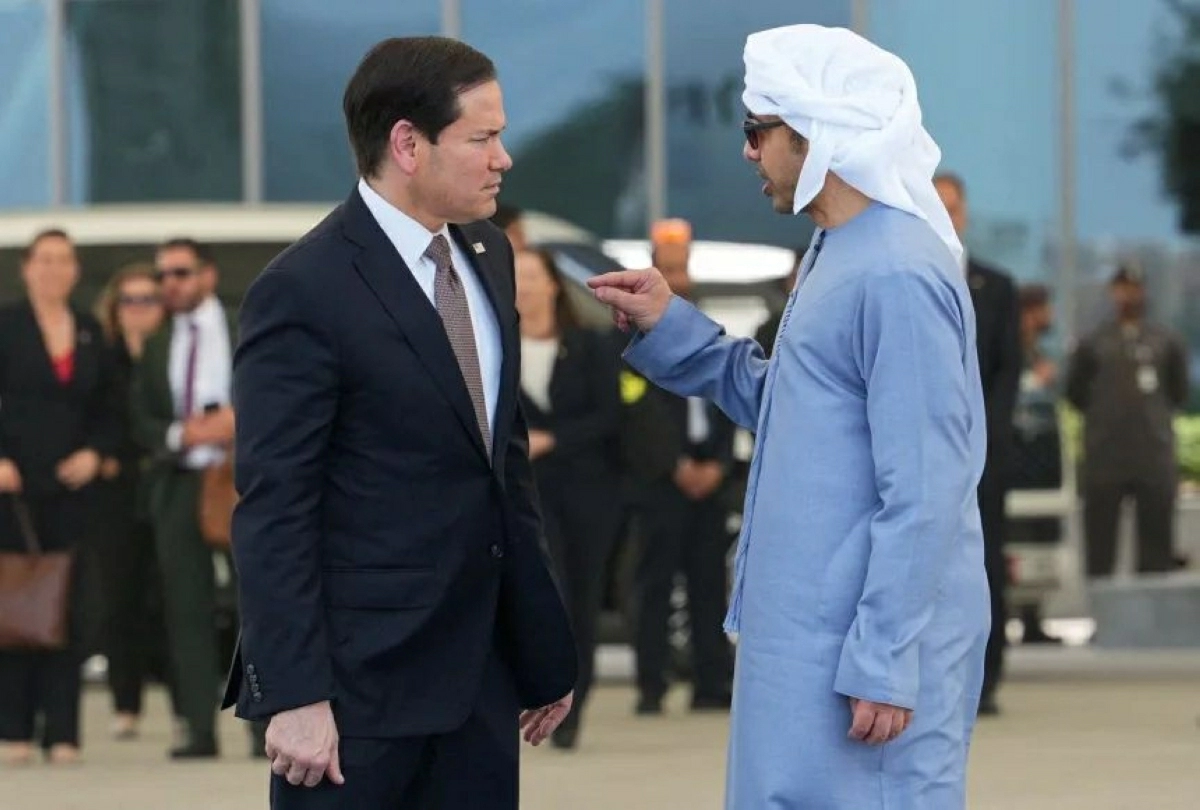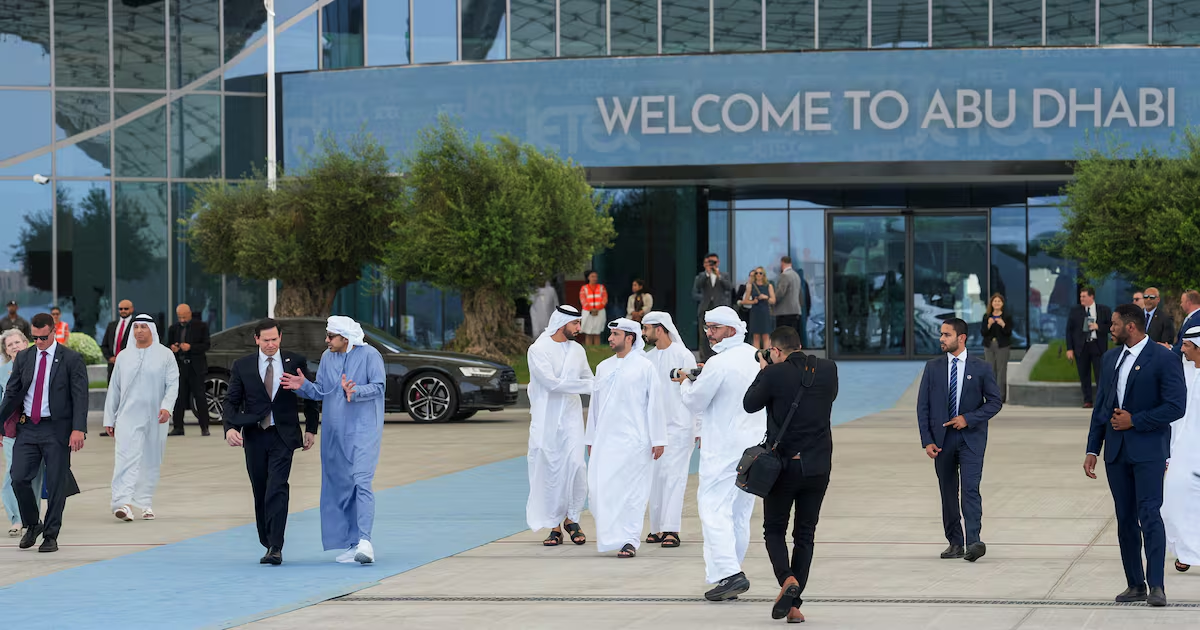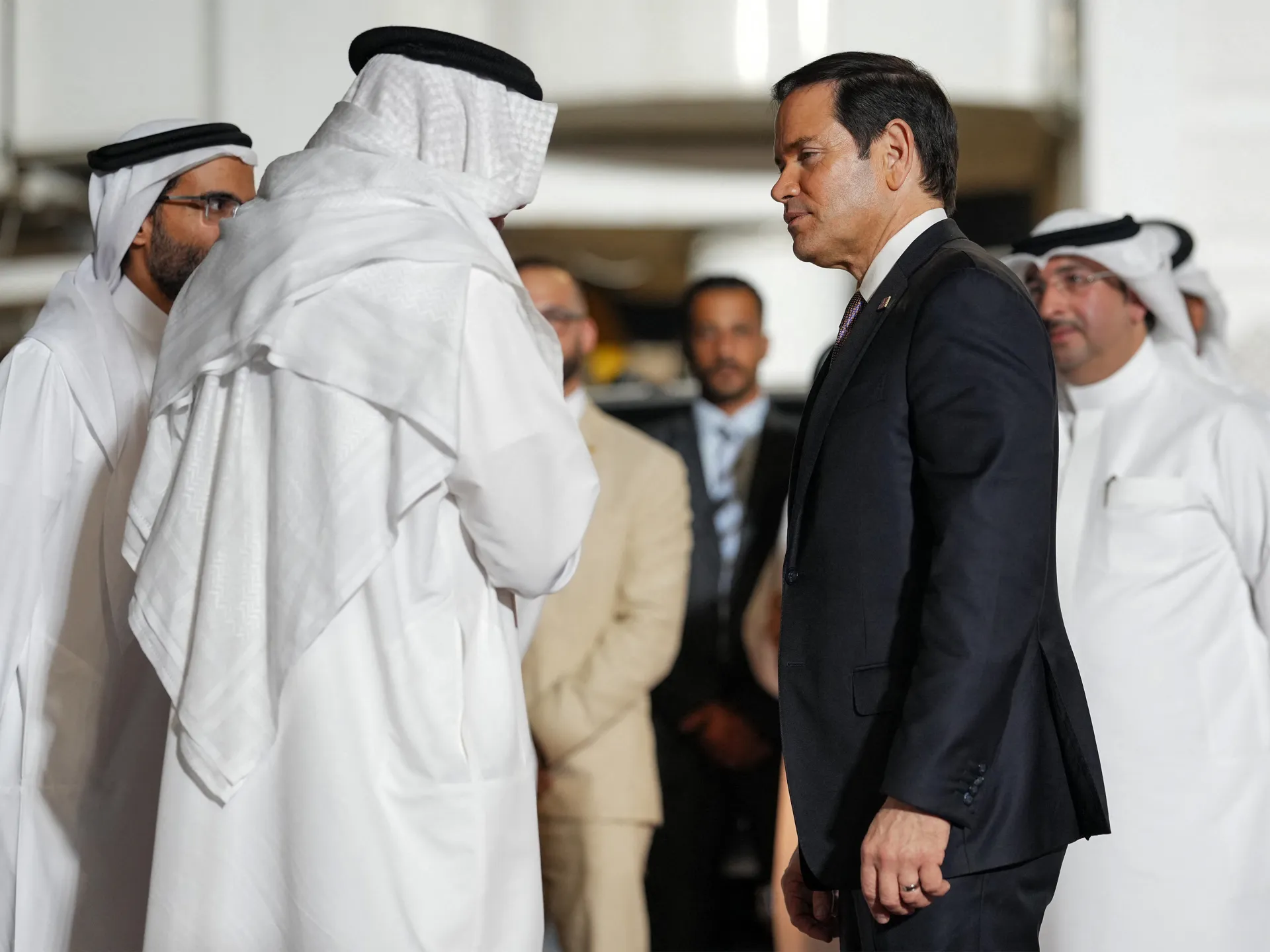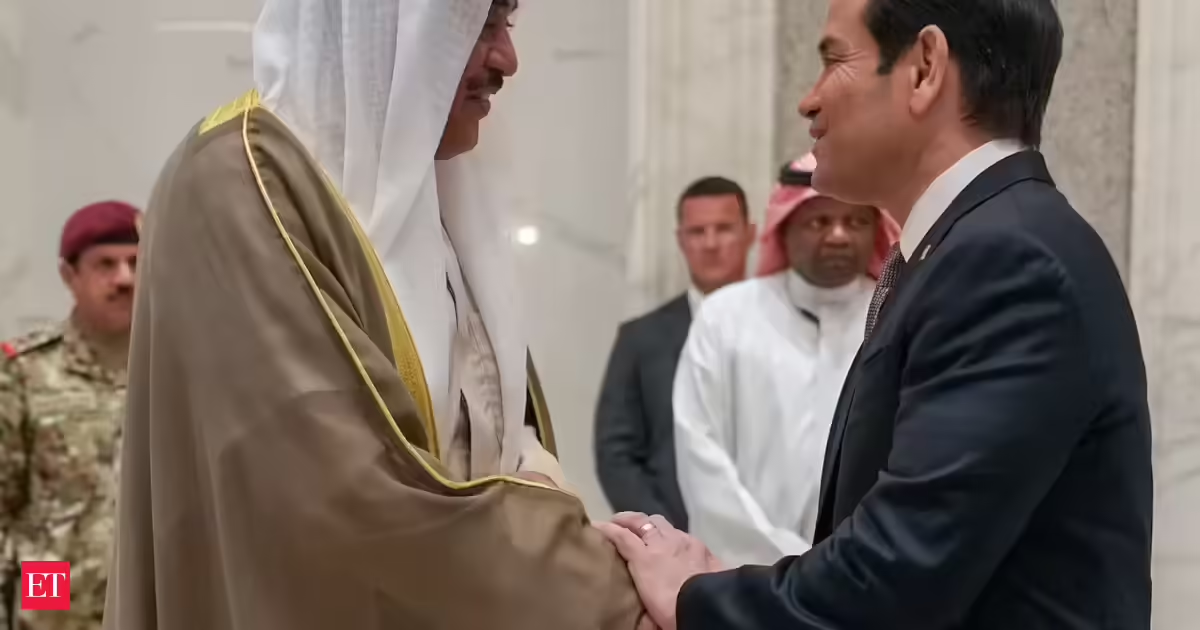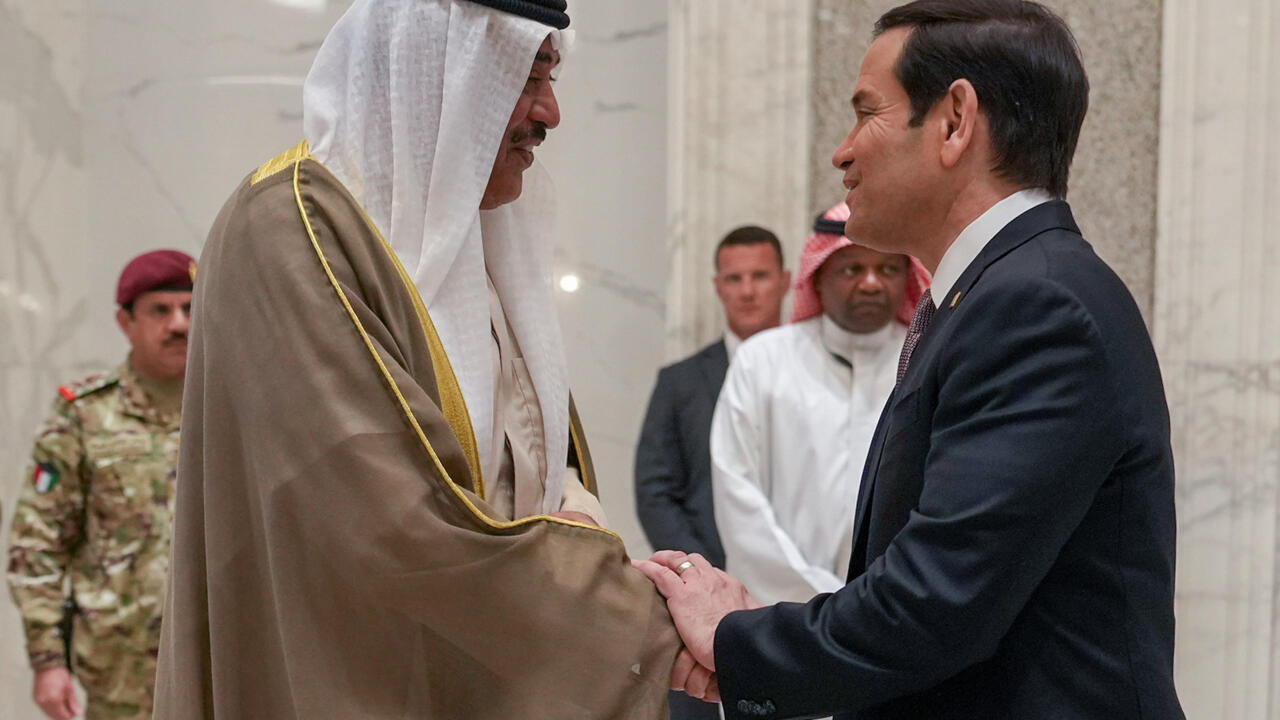
Rubio was on a regional tour to reassure the Gulf states, which were targeted by Tehran's missiles and drones during the conflict and saw their crucial oil and gas shipments effectively cut off by an Iranian blockade of the Strait of Hormuz.Tehran has emerged emboldened from the war, vowing not to relinquish control of the vital waterway and going so far as to call its initial deal with Washington to stop the fighting "a declaration of America's defeat".During a visit to Kuwait City, Rubio said Washington would be on the same page as Gulf states as it wrangles with Iran over a permanent settlement to the conflict."We're going to be completely aligned with our partners in the Gulf. That's why we're meeting with all of them tomorrow," he said, adding the US would "engage them on conversations about every decision that's made with regards to this negotiation".Rubio is due to attend a Gulf Cooperation Council meeting in Bahrain on Thursday after sitting down with the leaders of Kuwait and the United Arab Emirates on Wednesday.The initial US-Iran deal, which sets out a 60-day negotiating process aimed at reaching a long-term agreement, failed to address Gulf nations' long-standing concerns about Iran's missile programme and regional proxies.But Rubio insisted Washington was "not going to do anything that undermines the security of our allies".Tehran, however, has already portrayed the deal as a victory.Its top negotiator Mohammad Bagher Ghalibaf said on Wednesday that the agreement, reached with the help of Pakistani mediation, was "the result of the resistance and authority of the brave Iranian nation"."That is why the Islamabad Memorandum of Understanding became a declaration of America's defeat," he said.Both Rubio and Pakistan said that technical talks between the US and Iran were expected to resume in the coming days following a first round in Switzerland.At odds on HormuzRubio also insisted on Wednesday that the US was committed to preserving the pre-war status quo of toll-free navigation in the Strait of Hormuz, which carries a substantial proportion of global oil and gas shipments."I know of no country on the planet that supports tolling or fees for the use of the strait," he said in Kuwait.Iran, however, has repeatedly said it intends to retain control over the strait, along with Oman, and charge what it calls maritime service fees for crossing it.
US promises to protect Gulf states' interests in Iran talks
Secretary of State Marco Rubio promised the United States' Gulf allies that Washington would protect their interests as it seeks to hammer out a final settlement of the Middle East war in talks with…
789 words~4 min read