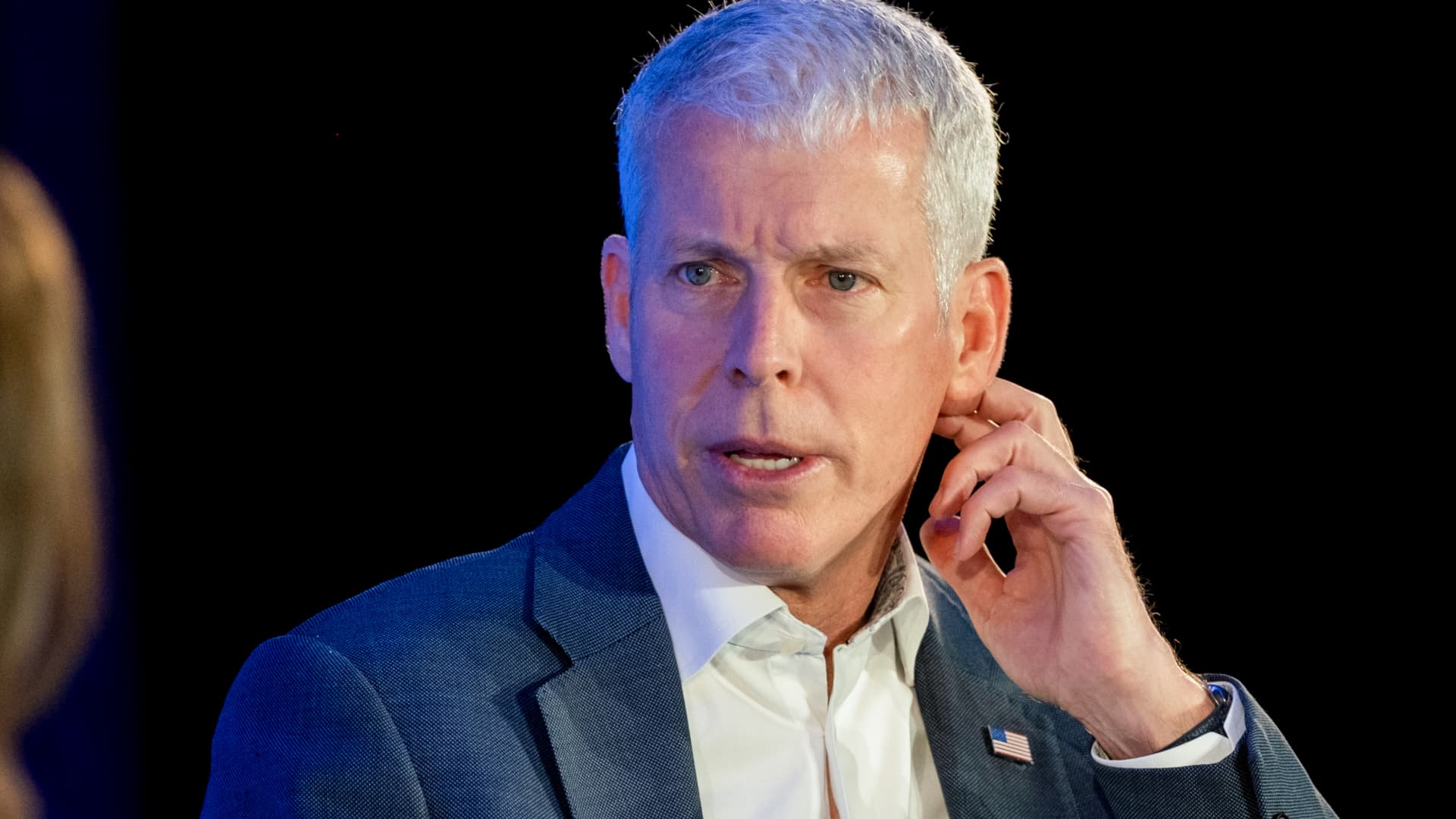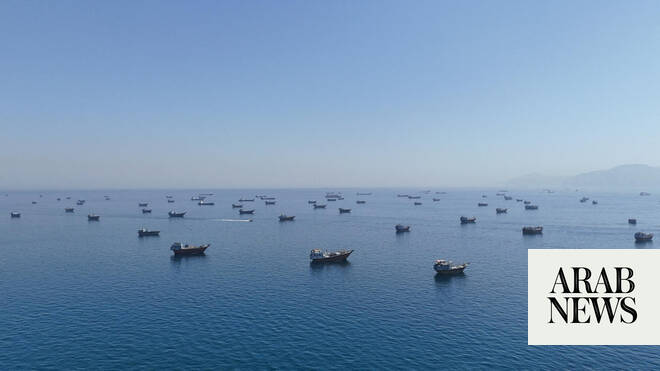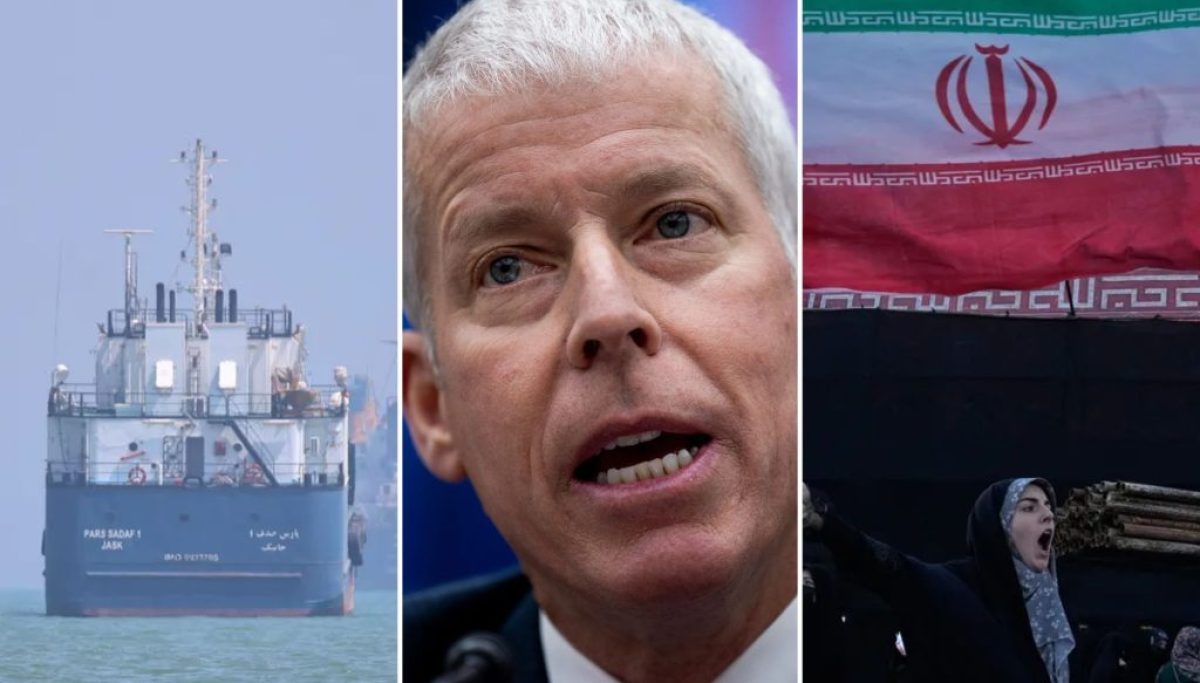
Energy Secretary Chris Wright said Wednesday that the United States is in a position to maintain normal flows of oil through the Strait of Hormuz even if the U.S. is unable to strike a broader peace deal with Iran.His comments add to recent assertions from Trump administration officials that the U.S. can control the key waterway by force and ensure that global oil markets do not see another shock that could send prices back above $100 a barrel.“Iran will not have the ability to close the Strait of Hormuz going forward,” Wright said at the Reuters Global Energy Summit. “That’s a critical thing, that’s their key leverage, and we’re taking that leverage away from them.”
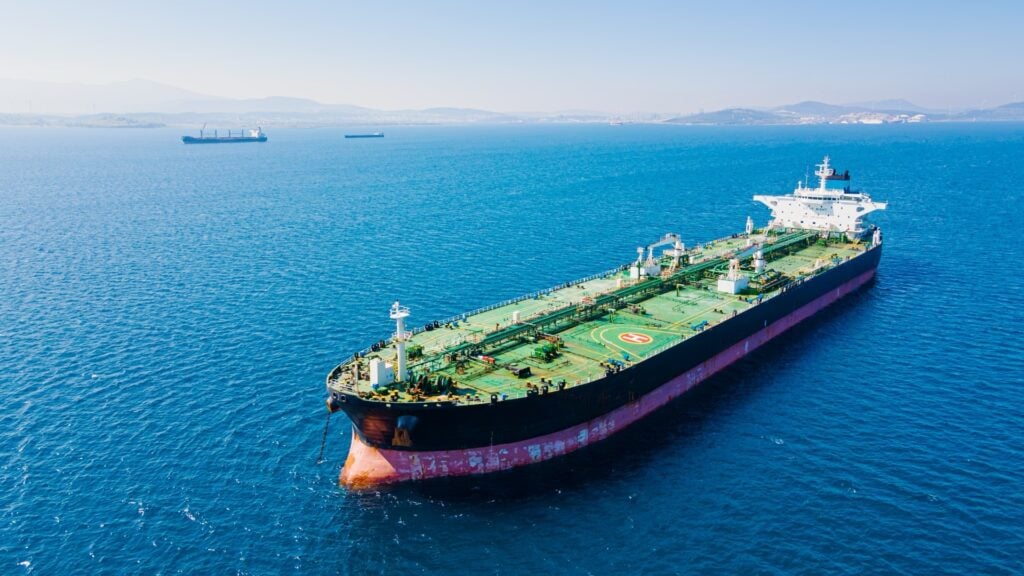
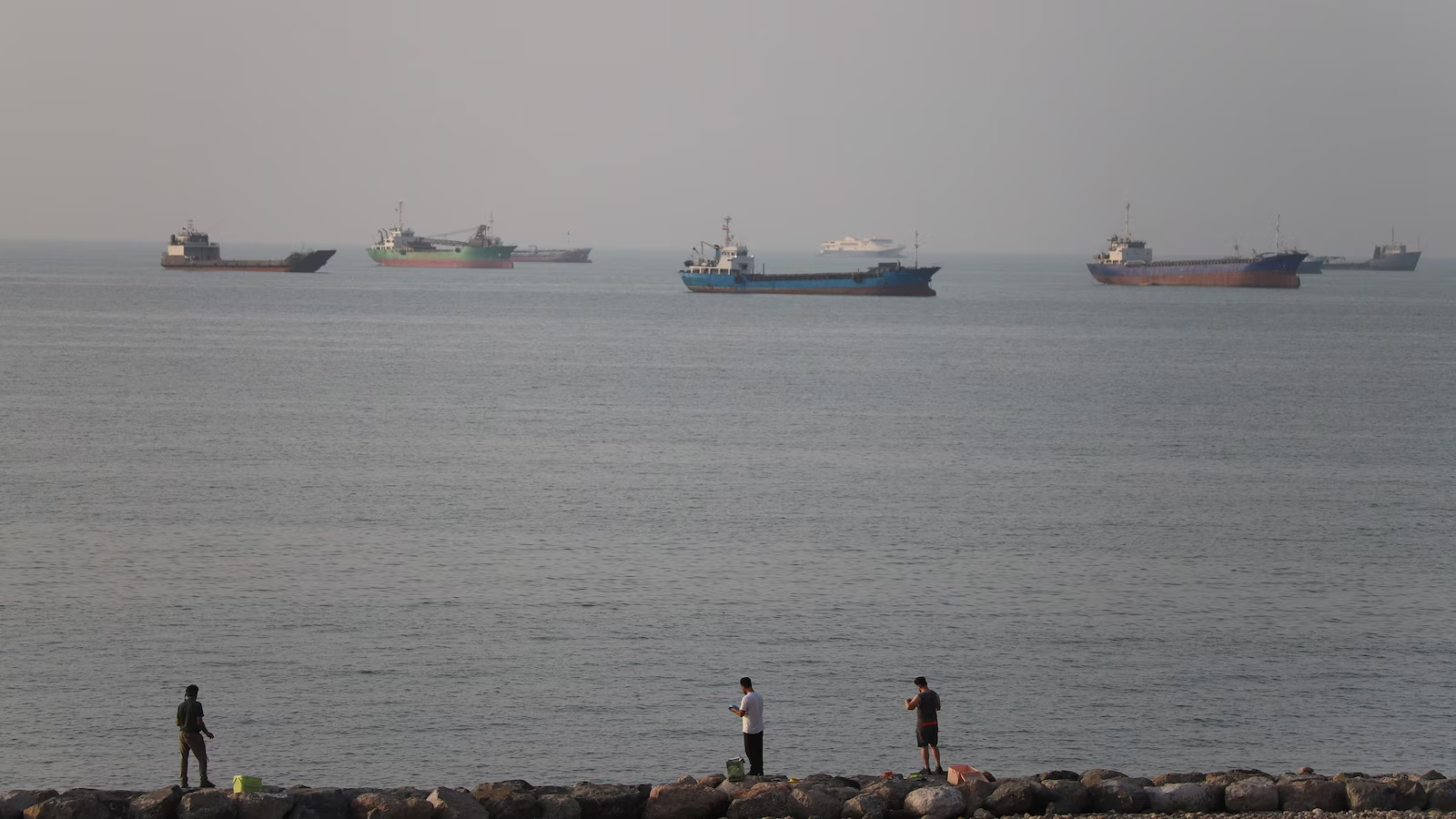
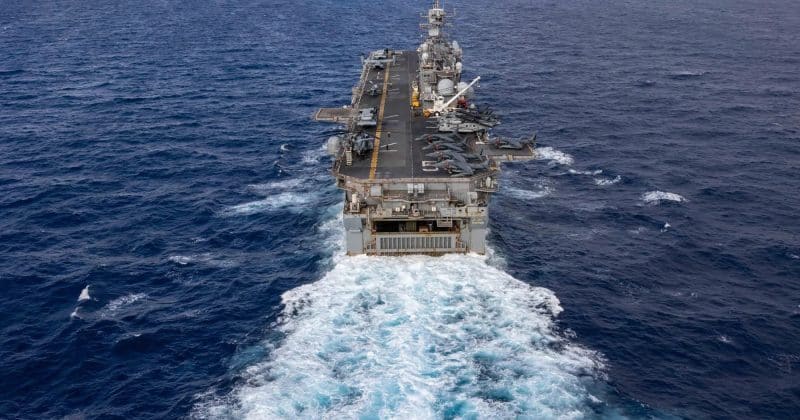
About 20 million barrels of oil transited the strait every day before the war, about a fifth of daily global demand. Flows have approached that pace in recent days as talks have proceeded.Wright noted that Iran attempted to close the Strait of Hormuz again five days ago. Roughly 17 million barrels of oil were still able to pass through, he said.Wright also said that, over the last two months, the U.S. has proven that it is able to block Iran from shipping oil via blockade, bringing its exports down to zero.“We can do that with our Navy, and we’re willing to do that,” he said.Wright’s remarks came just days after President Donald Trump threatened to take control of the strait, collecting tolls and 20% of the oil that passes through, if negotiations between Washington and Tehran fall through.The president’s threat shook up peace deal discussions in Switzerland that took place soon after, with Vice President JD Vance admitting to reporters on Monday that the president’s remarks were not helpful to the broader negotiations.“The Iranians, yes, they did threaten to walk out, or at least there were social media threats that they would walk out, but we were negotiating well past 1 in the morning yesterday, so they didn’t walk out, and their technical team is still here in Burgenstock,” he said. “What we told the Iranians yesterday is when you guys engage in what us millennials might call trash talk, you can’t expect the president of the United States not to respond and not to correct the record.”Despite the vice president’s efforts to smooth things over with the Iranians, other administration officials have indicated the U.S. can take control.Wright said that, even if the deal falls apart, the U.S. would be able to “assure that the flow of energy is there, and the world is well supplied, and the Iranian administration will be in a world of hurt.”In the last 24 hours, Wright said, roughly 72 ships carrying 20 million barrels of oil passed through the strait, up from 19 million barrels the day before.If sustained, this amount of oil transited through the waterway would be comparable to prewar levels. However, the number of ships is still nowhere near prewar traffic of 120 to 140 vessels crossing each day.Wright defended this discrepancy, saying there are “bigger ships” traveling through.TRUMP THREATENS HORMUZ TAKEOVER TO COLLECT TOLLS AND 20% OF OIL IF IRAN DEAL FAILSHe did admit that it will take some time to see an extended return of normal oil flows, due to Iranian mines. Most ships passing through the strait have taken northern and southern routes, avoiding the central passageway.“To return to complete normalcy takes a de-mining of the strait, and that’s probably a few weeks of effort,” Wright said. “But for energy flows and critical materials, they all have a pathway out right now. Critical for us is that even without an agreement with Iran, with the U.S. military, and some of the things we’ve developed, we can assure the flow of energy out of the Gulf, with or without an agreement with Iran.”Christian Datoc contributed to this report.