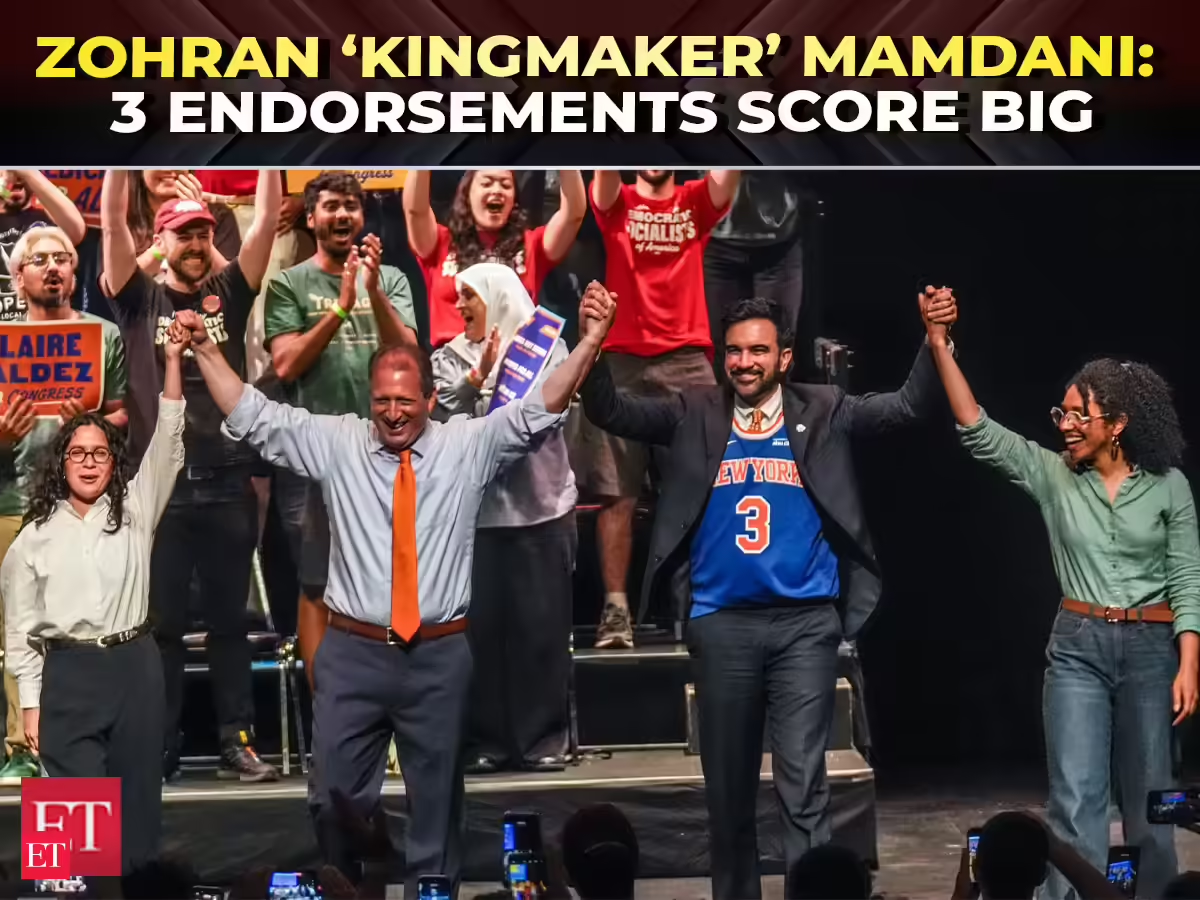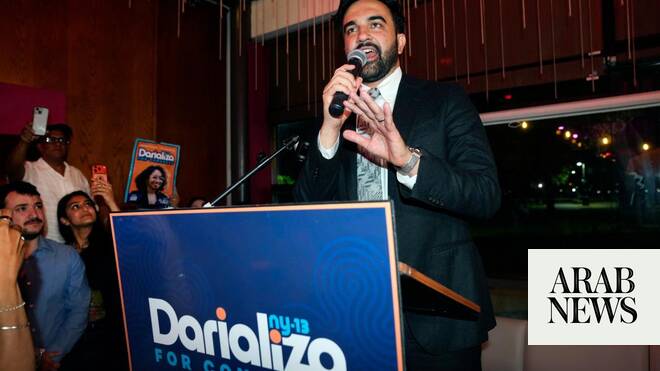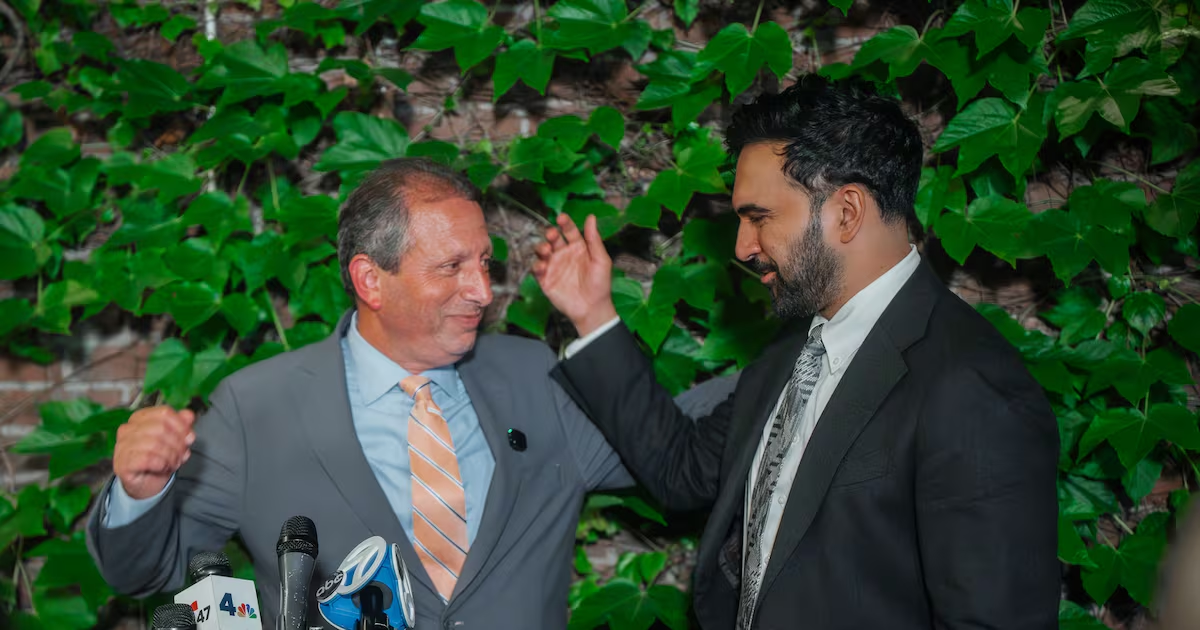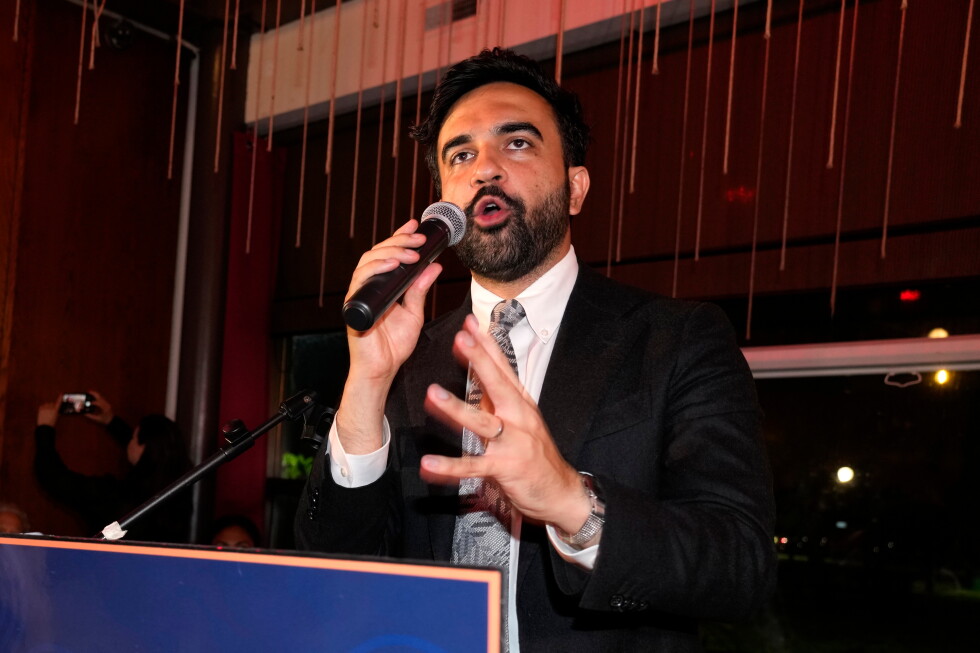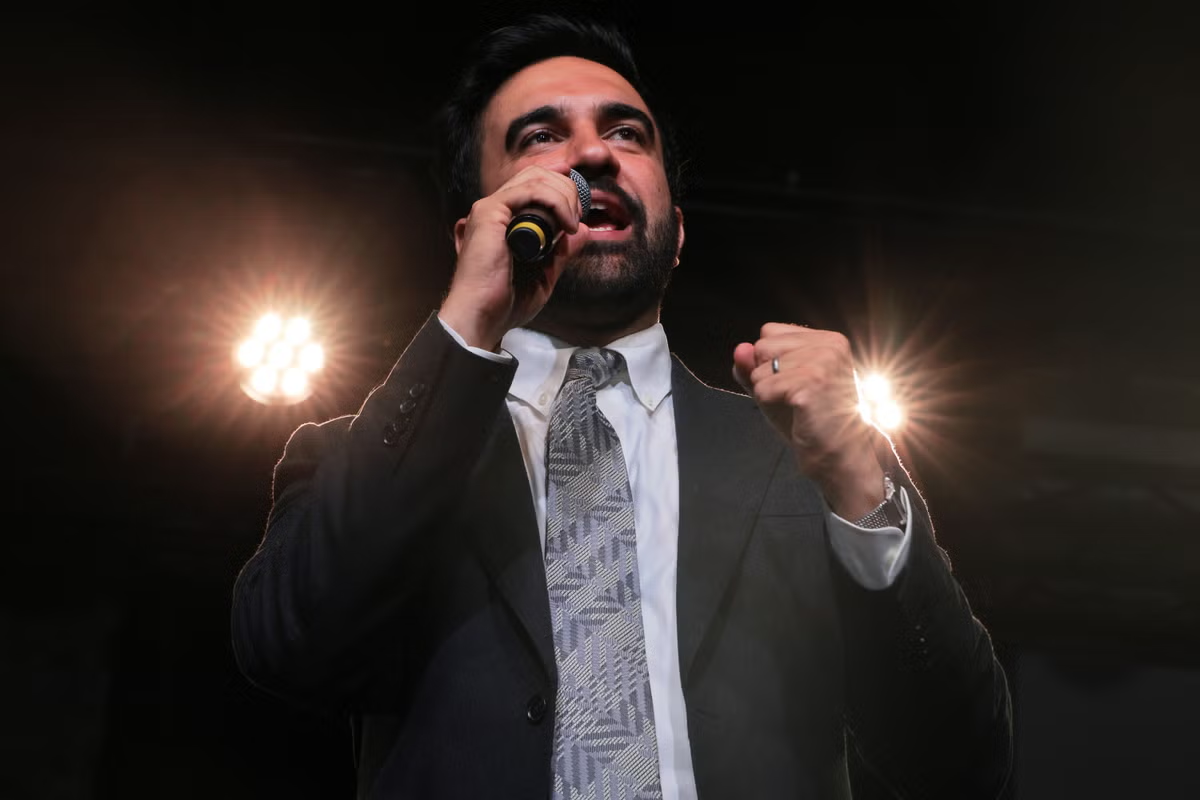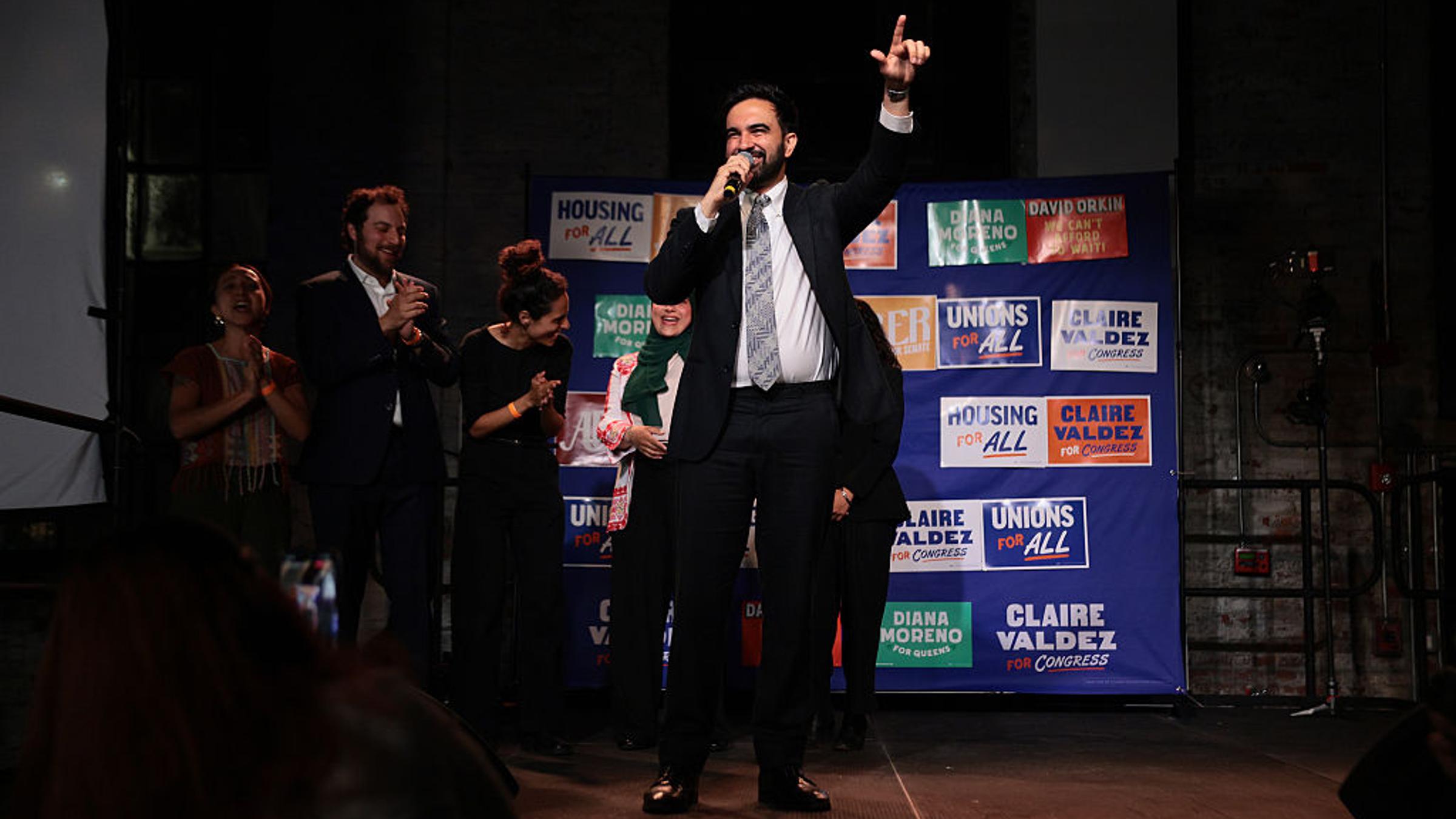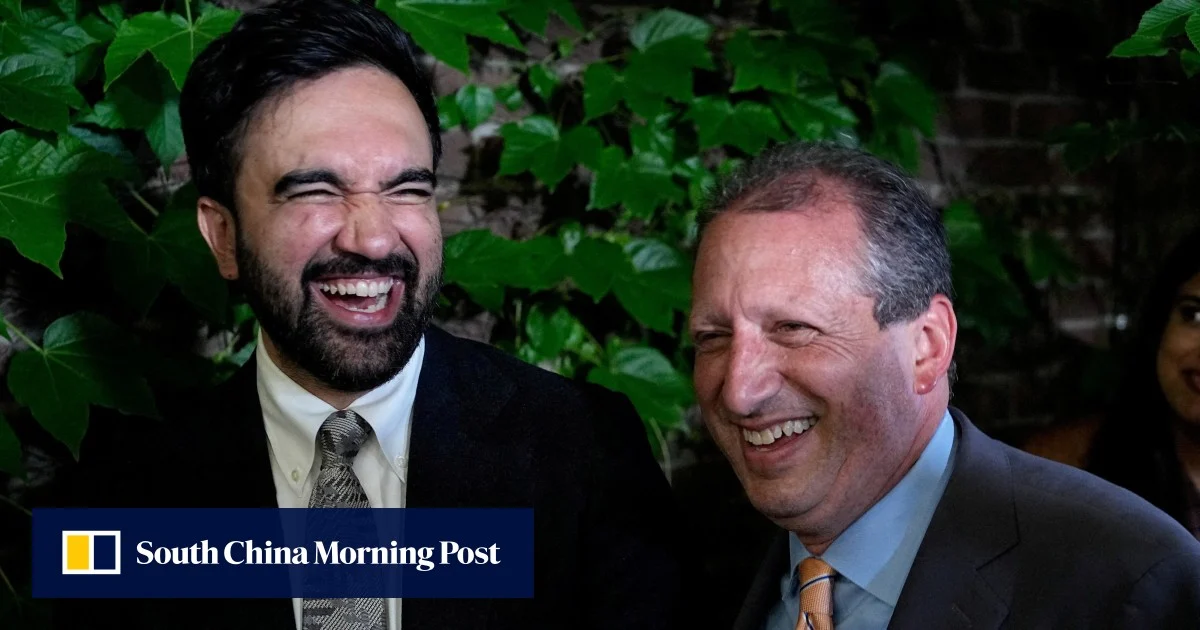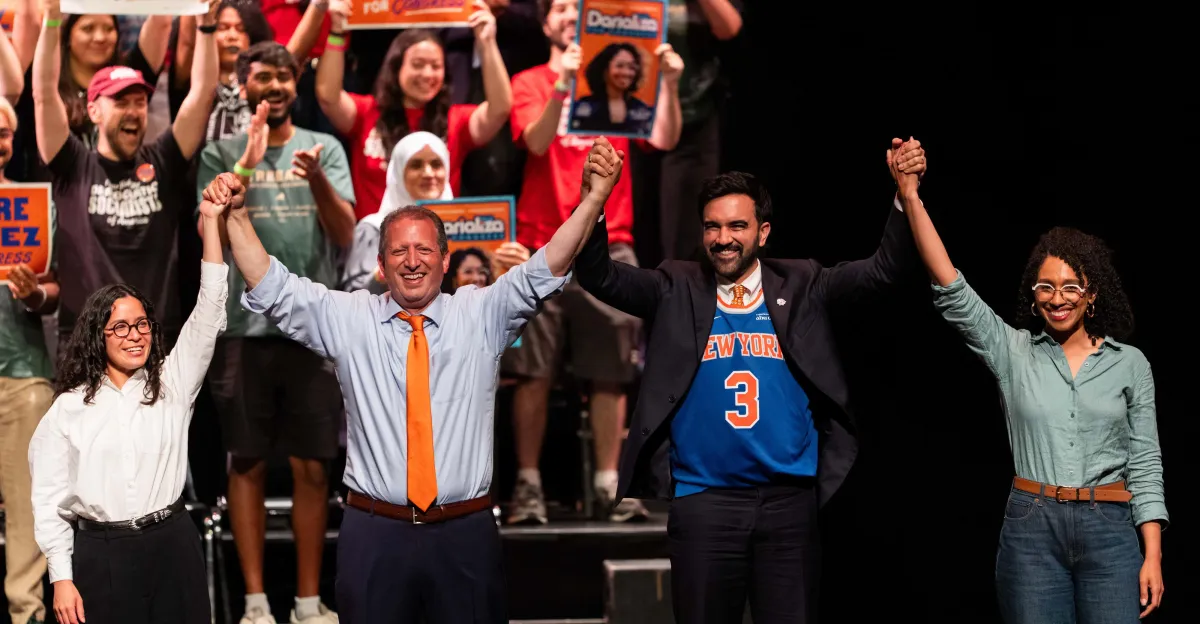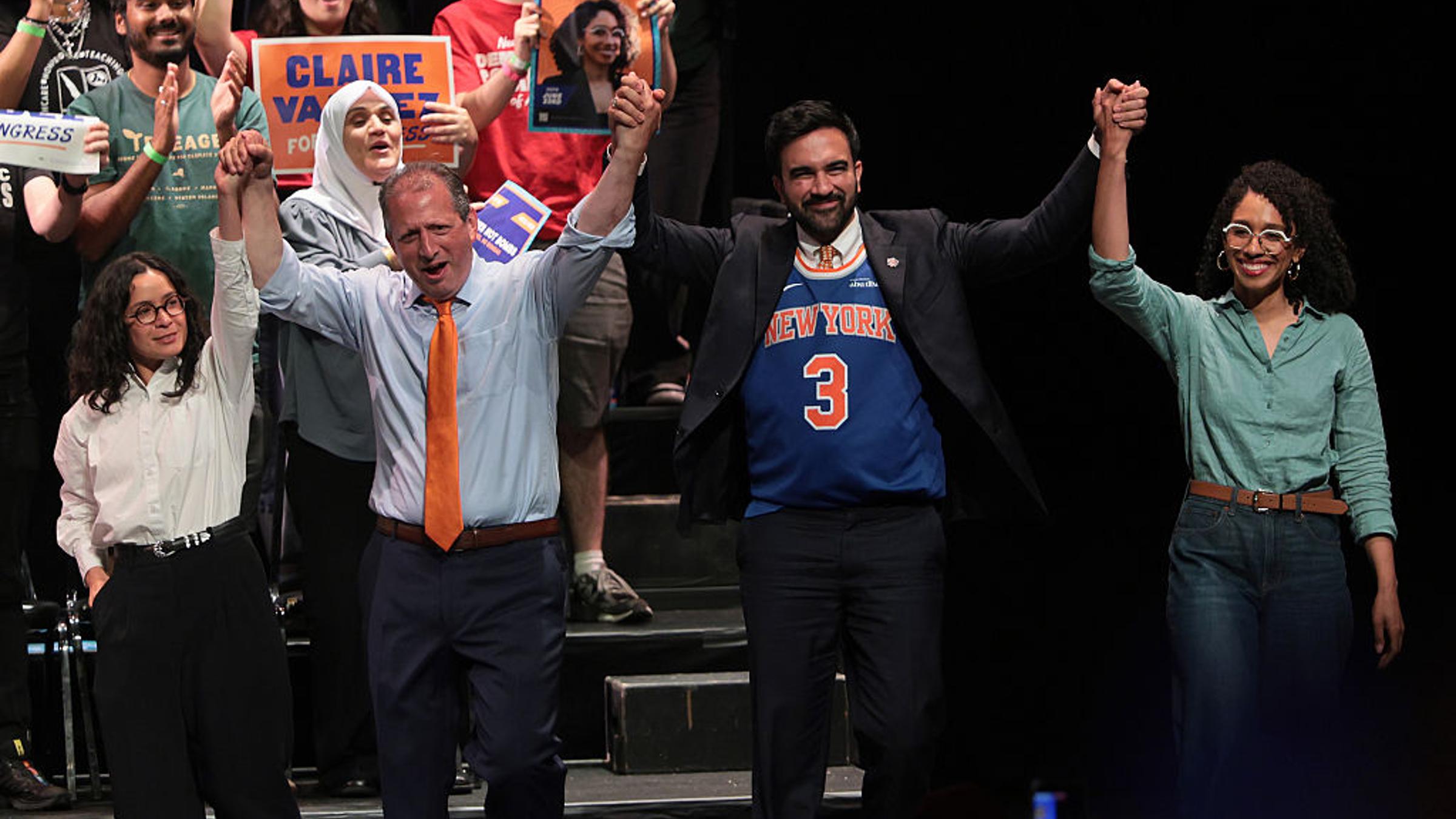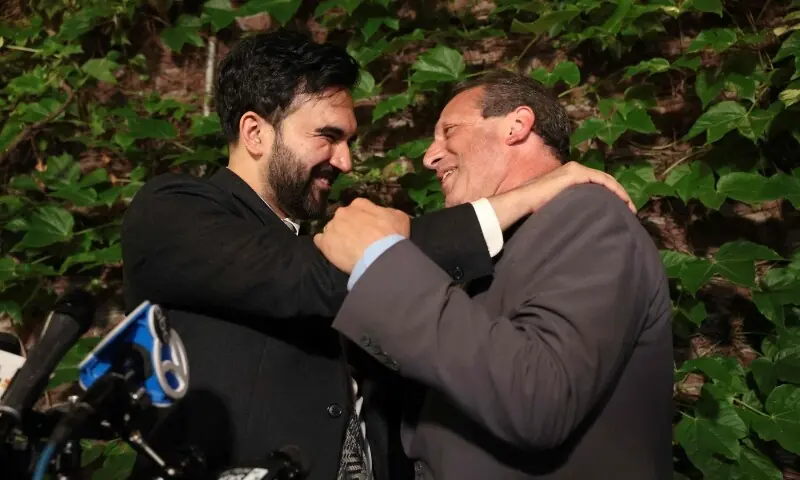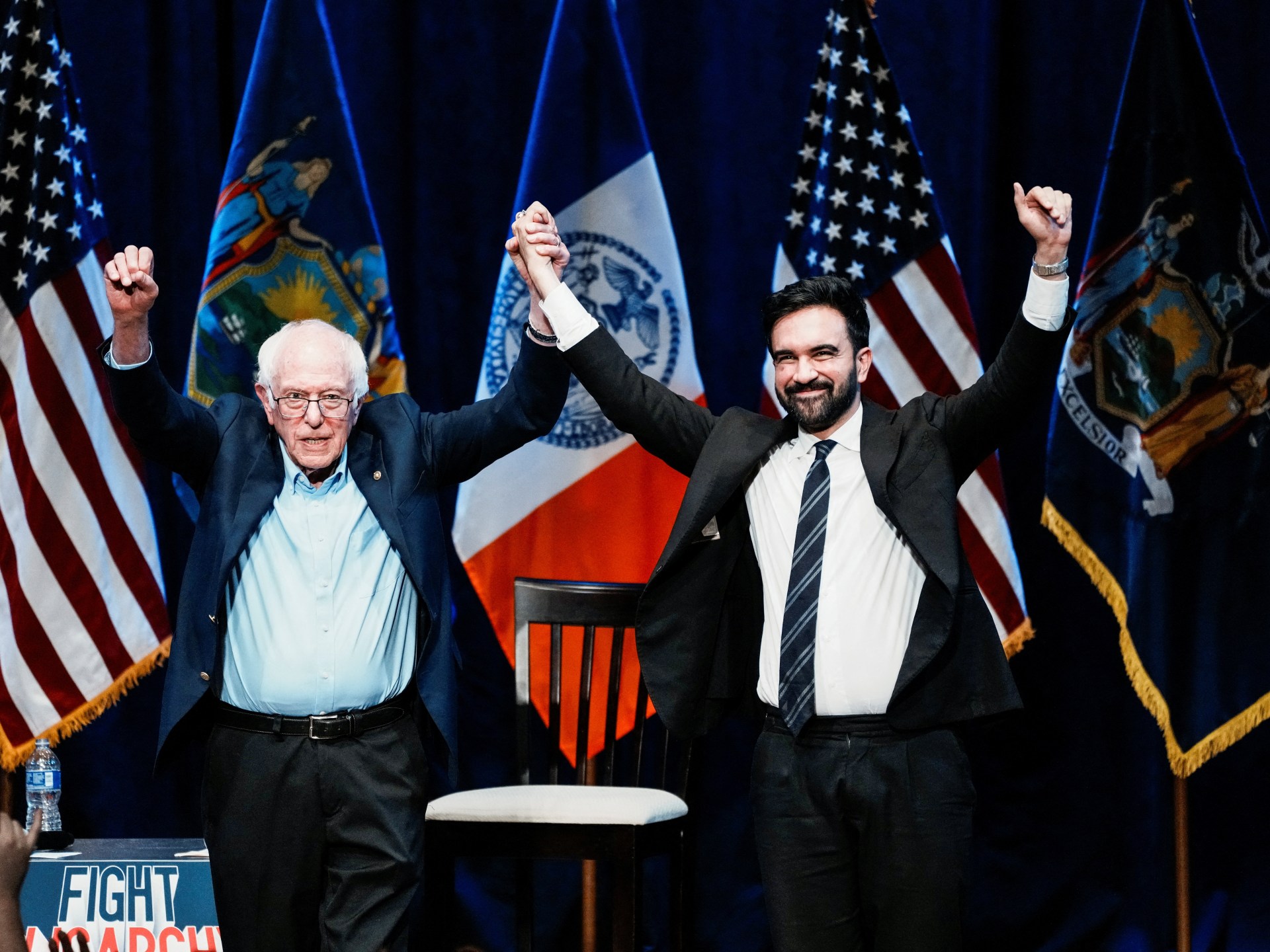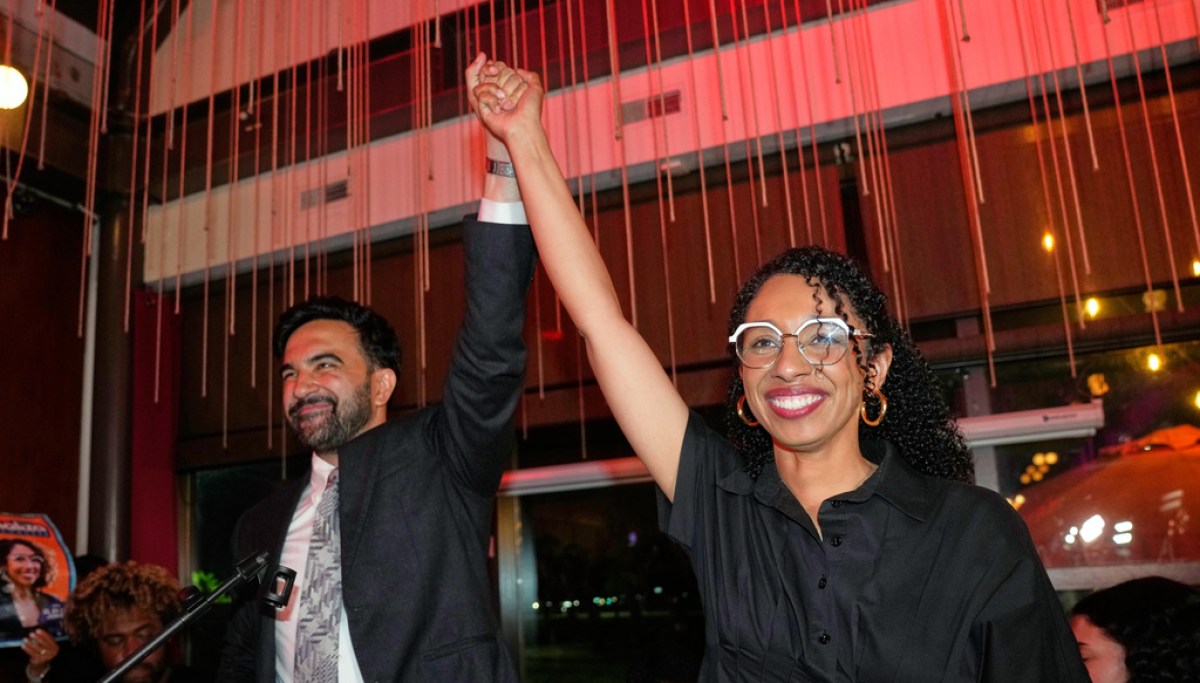
Congressional candidates Darializa Avila Chevalier, Brad Lander, and Claire Valdez, each backed by New York City Mayor Zohran Mamdani, won their primaries Tuesday night. The media have confirmed the socialist mayor’s status as a “kingmaker” in New York politics. The Wall Street Journal says the wins escalate “a high stakes battle” for Democrats’ identity that will “reverberate beyond the borders of the Empire State.”Brad Lander, New York City’s former comptroller, soundly beat incumbent Rep. Dan Goldman (D-NY), crushing House Minority Leader Hakeem Jeffries (D-NY) and Gov. Kathy Hochul’s (D-NY) endorsement. Controversial Chevalier narrowly defeated Rep. Adriano Espaillat (D-NY), the chairman of the Congressional Hispanic Caucus and the first formerly undocumented immigrant elected to Congress. Claire Valdez, who touts her pride in serving the “Commie Corridor,” will succeed Rep. Nydia Velazquez (D-NY). Velazquez had chosen Brooklyn Borough President Antonio Reynoso.
These are real gains for socialists, who intend on cannibalizing the Democratic Party. Supposedly, the socialists, whom Jeffries’s adviser called “Team Gentrification,” put the House minority leader on the defensive. But despite the frenzy over establishment Democratic losses Tuesday night, Jeffries is still right. Mamdani’s influence carried over to Chevalier, Lander, and Valdez because their districts overlap with the same voter blocs that powered his primary victory last year. The socialist “kingmaker” did not expand his coalition or persuade new voters. His clout in New York politics remains demographically narrow, even by New York City standards.New York City’s voter apathy was an opening for the ideological fervor that brought Mamdani his primary win. The same neighborhoods Mamdani’s candidates won — Bushwick and Williamsburg for Valdez, Gowanus and Park Slope for Lander, and Harlem for Chevalier — often pulled supermajority victories for Mamdani last year. Valdez pulled at least +32.6 points with younger, college-educated, higher-income residents, compared to Reynoso’s +31.8 points for lower-income New Yorkers. Lander’s voting bloc is the same. Working-class black and Hispanic 13th District residents, whom Chevalier claims to better represent, opted for Espaillat. Former New York City Mayor Michael Bloomberg-backed Micah Lasher’s 12th District win featured a representative cross-section. Mamdani believes a mayor is a “messenger,” “delegate,” and “liaison.” His primary victories elevated his status to socialist flagbearer in chief, and it remains just that. The mayor’s political muscle often strains in hardball policy battles. In February, he held property-owning New Yorkers hostage with a 9.5% property tax raise. His goal? Pass a millionaires’ tax he promised on the campaign trail to balance the budget and enact his platform. He settled for a pied-à-terre tax and state bailout. Still, he paraded a balanced budget to which he’s legally obligated as a win. Mamdani’s original $100 billion housing aspirations have been revised down to $22 billion. And his marquee “Department” of Community Safety, a $1.1 billion initiative, is now only an executive office that combines preexisting agencies.MAMDANI’S ‘FREE’ BUSES WOULD COST NEW YORKERS $1 BILLION ANNUALLYThat tells us something about how much influence Chevalier, Lander, and Valdez are likely to wield on the Hill. Congress is a 535-member behemoth, not the New York City Council. Their radical proposals — abolishing immigration enforcement, mandating 32-hour workweeks, imposing national rent control, and more — are nonstarters in federal governance. Rep. Alexandria Ocasio-Cortez (D-NY) often found herself checked by more experienced power brokers such as Rep. Nancy Pelosi (D-CA). Could Jeffries do the same?His test starts on Jan. 3, 2027. As the dust settles until then, Mamdani-backed, socialist wins in New York will be seen as the natural progression of the city’s changing demographics — not a full-throated endorsement of socialism by its diverse residents.