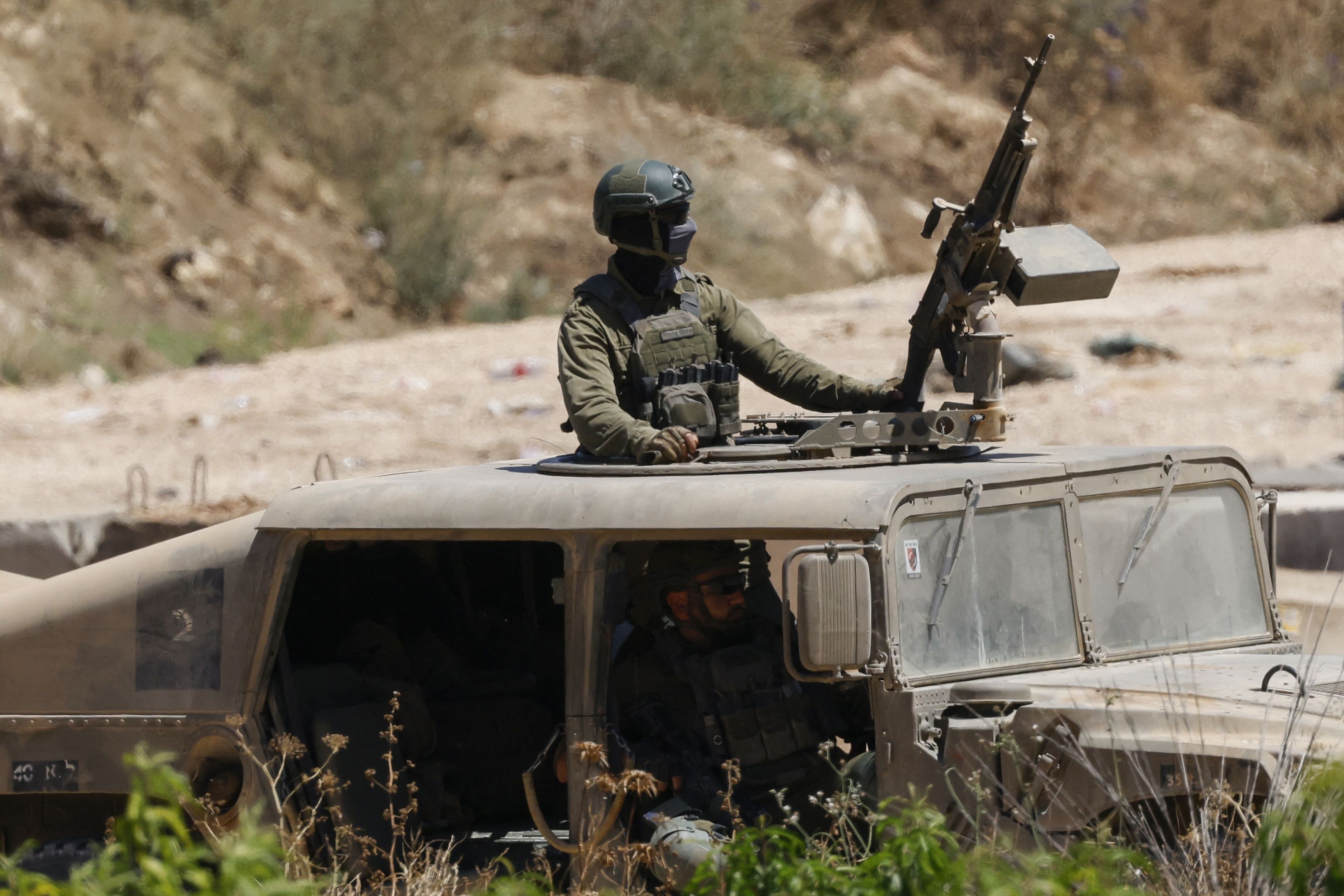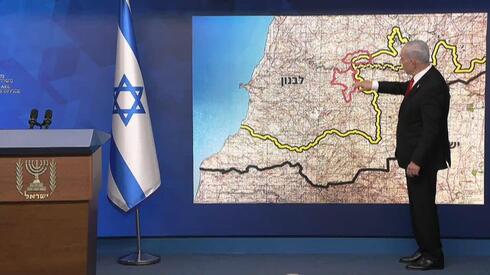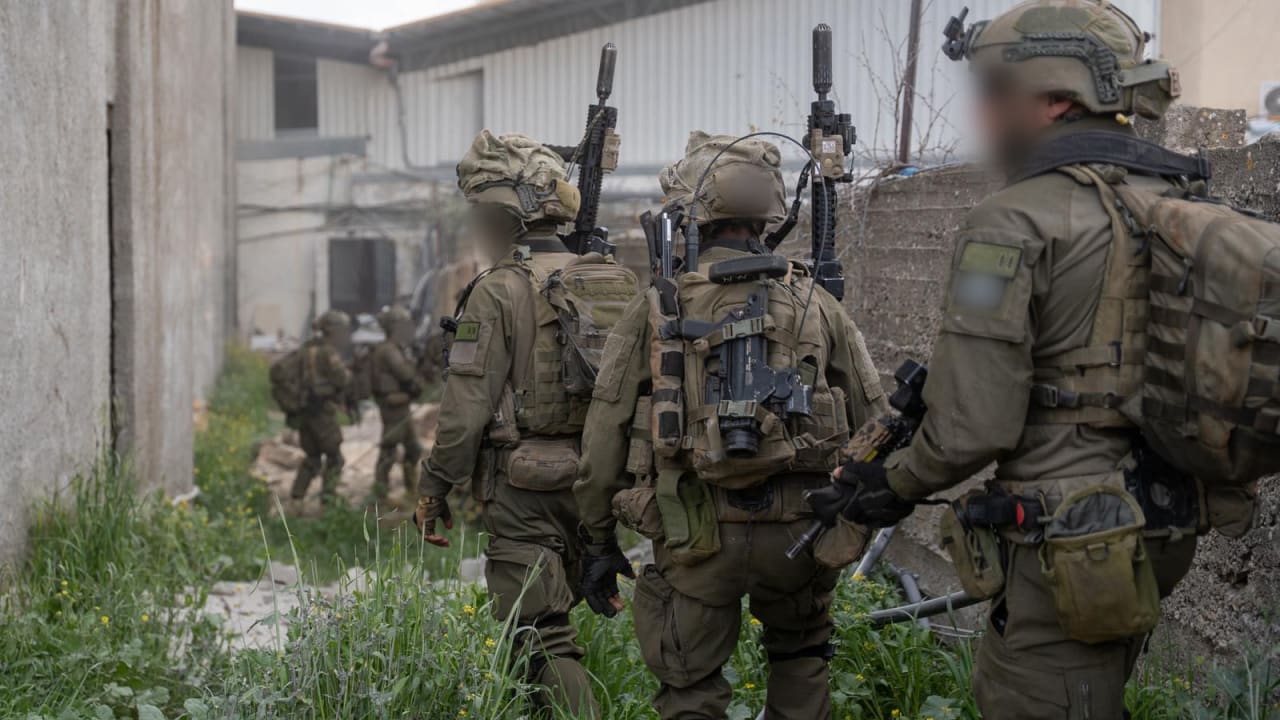
ByANNA BARSKYJUNE 24, 2026 19:46Israeli officials assess that even if US pressure on Prime Minister Benjamin Netanyahu to withdraw from the areas held by the IDF in southern Lebanon may intensify at this stage, a full withdrawal is almost impossible for him politically."Such a withdrawal would be political suicide for Netanyahu," said the officials, who spoke on the condition of anonymity.According to them, the prime minister is facing heavy electoral constraints, and after presenting the hold on the security zone as a strategic achievement, he cannot afford to be seen as folding under American-Iranian pressure. In this context, they also point to a familiar Netanyahu pattern: when he knows he will have to concede on one front, he hardens his positions on another.In their assessment, after refraining from launching a broad offensive war in Lebanon and effectively agreeing to conduct the campaign at a more limited level of intensity, he is now insisting even more strongly on maintaining the security zone. The estimate is therefore that Netanyahu may agree to limited tactical steps, local adjustments, point-specific transfers, or changes in deployment, but not to a full withdrawal.IDF soldiers operate against Hezbollah terrorists in southern Lebanon, June 21, 2026. (credit: IDF SPOKESPERSON'S UNIT)Officials reject that IDF deployment in Lebanon serves no purposeOfficials also reject the claim that the IDF presence in southern Lebanon serves no purpose. Security sources say the IDF continues to clear infrastructure, destroy facilities, and hold areas of strategic value to Hezbollah.They also say there is, according to estimates, a large underground Hezbollah compound in the area, one of strategic importance to the organization, and that Israel is operating around it cautiously and gradually. "Every additional day there is worth security," officials explained.Americans aim for regional calmBehind the American insistence, Israeli officials assess, lies a broader interest of the administration: regional calm, stability, quick diplomatic gains, and the opening of the door to economic projects. Senior American officials have already invested significant political capital in the move toward Iran, and according to the sources, it is hard to see them backing away from it quickly or returning to a full confrontation policy.Still, Israeli officials understand that the diplomatic clock is ticking. The international community will not accept a prolonged Israeli presence on Lebanese soil, Hezbollah will not accept it either, and in Lebanon itself, there are already claims that Iran is effectively speaking on behalf of Lebanon and weakening the Lebanese state's standing.Israeli officials assess that if a full withdrawal does take place, it may come only later, perhaps after the elections, and not as a result of Netanyahu making an immediate concession under pressure.From Israel's perspective, the issue has already gone far beyond a nuclear deal or a ceasefire. The concern in Israel is about a deeper shift in US policy: Iran, which until recently was presented as a threat that had to be contained, is now becoming a party that is being dealt with in connection with Lebanon.Follow us on Google
Officials: A full withdrawal from Lebanon would be Netanyahu's political suicide | The Jerusalem Post
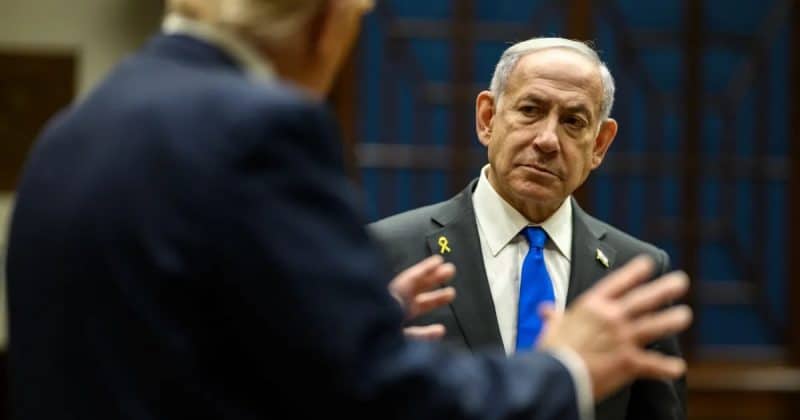
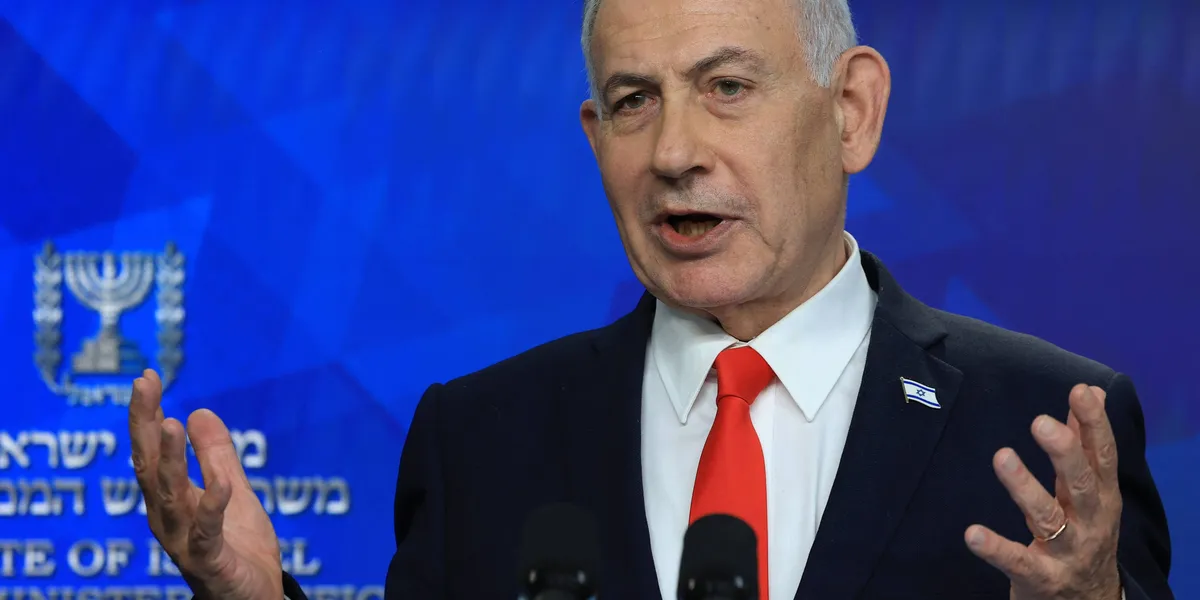
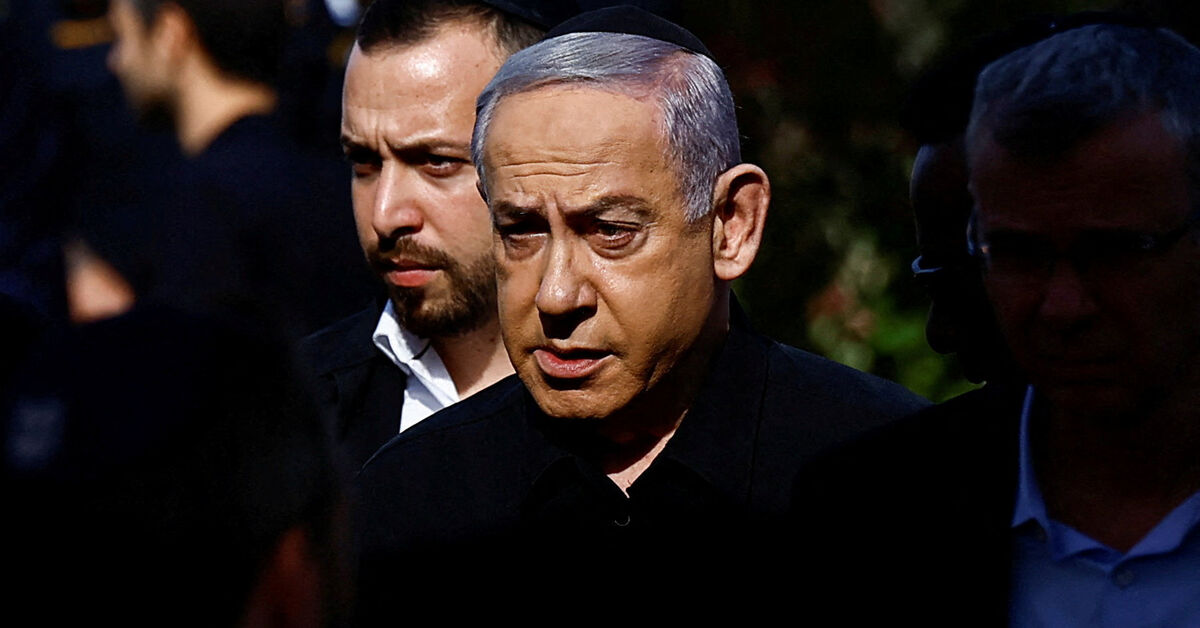
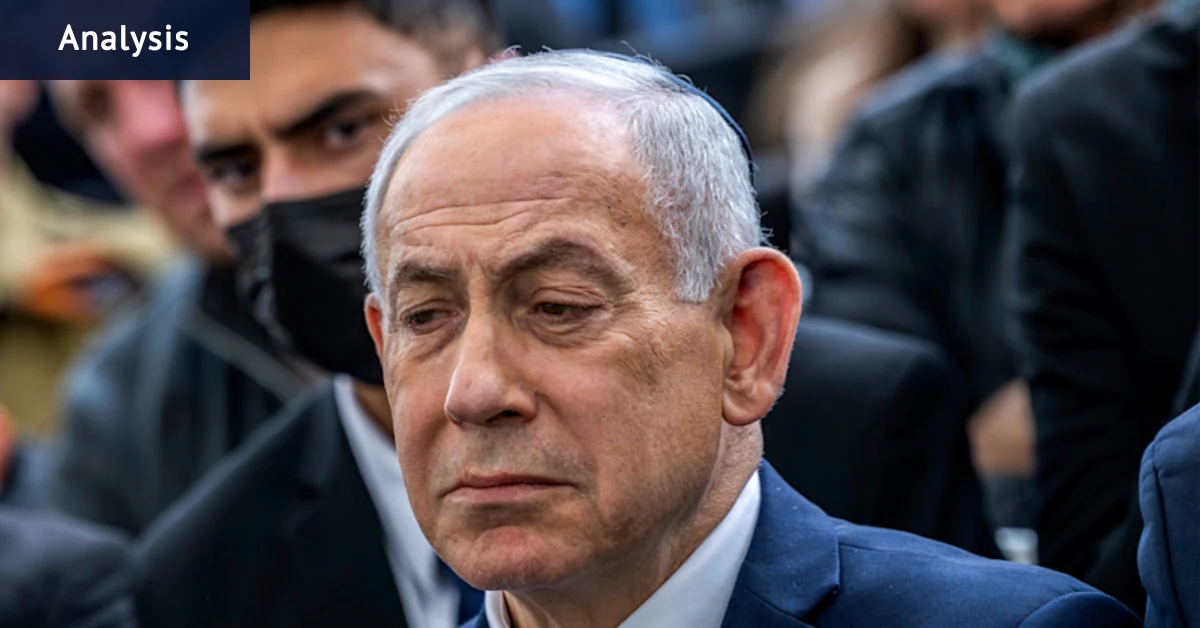
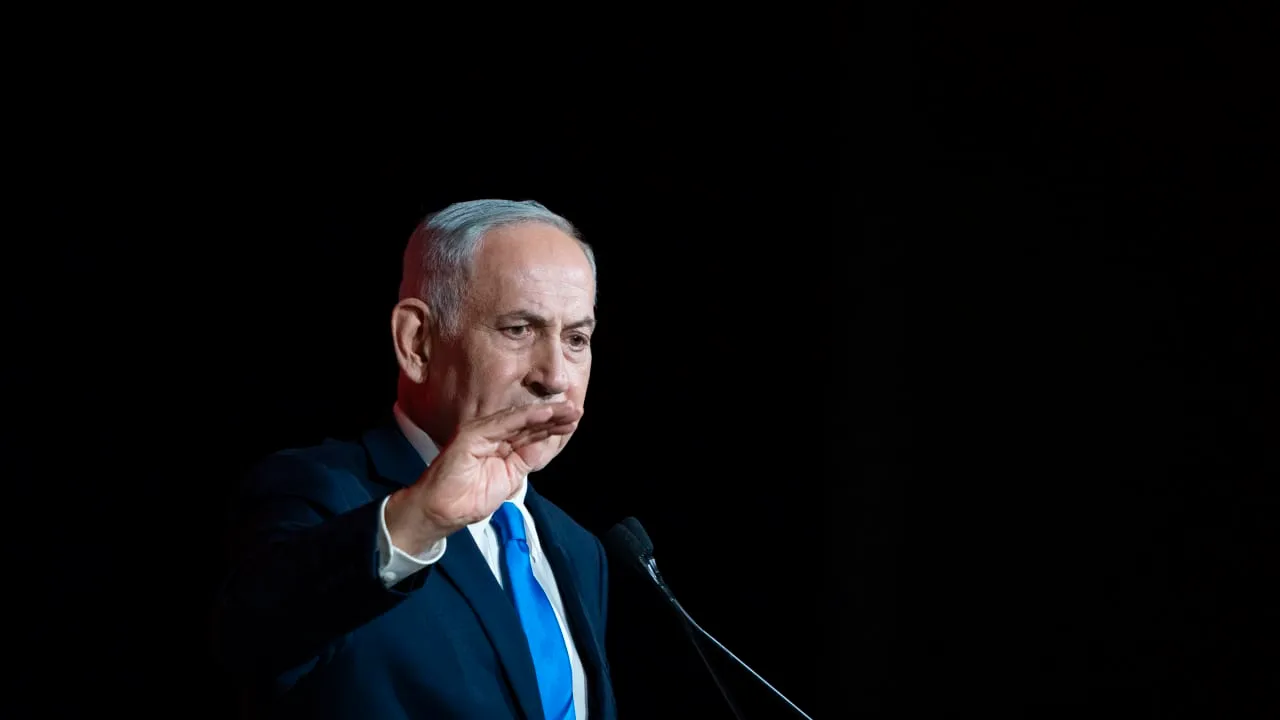
Netanyahu cannot afford to be seen as folding under American-Iranian pressure, after presenting the hold on the security zone in Lebanon as a strategic achievement.
495 words~2 min read