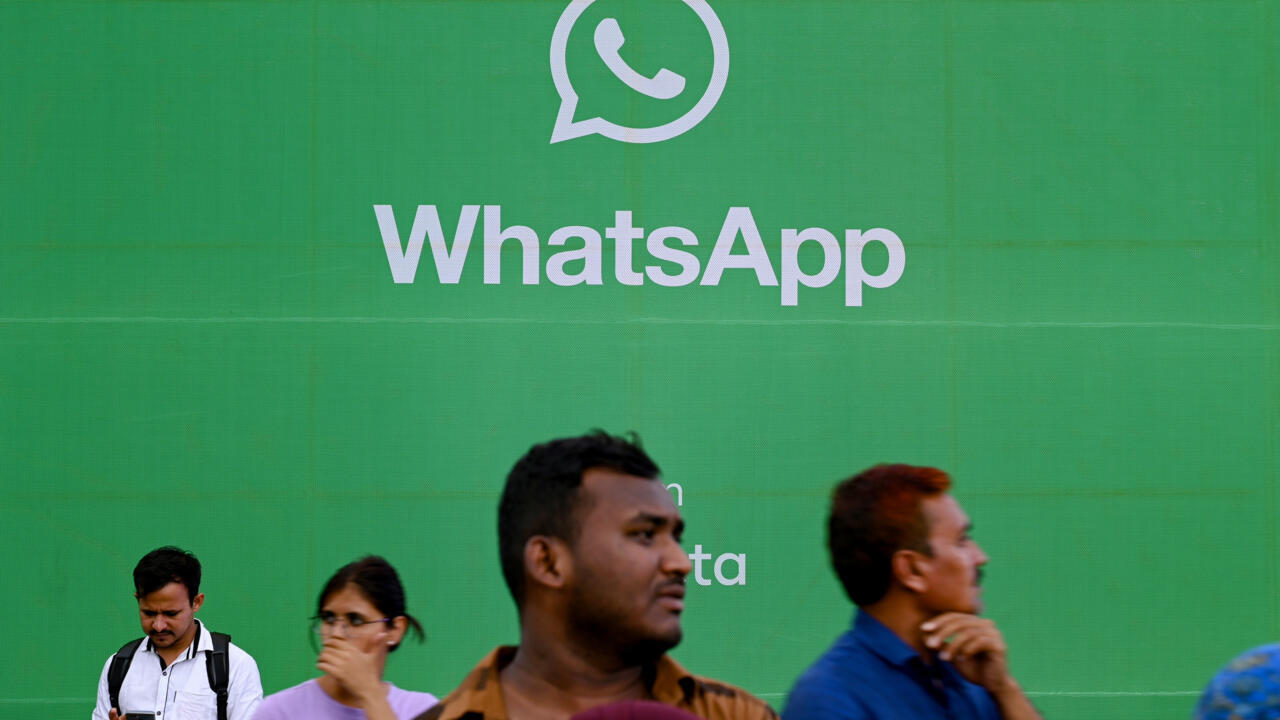
Millions of enterprises now use WhatsApp to communicate with customers, provide support, and showcase product catalogs
| Photo Credit:
Dado Ruvic
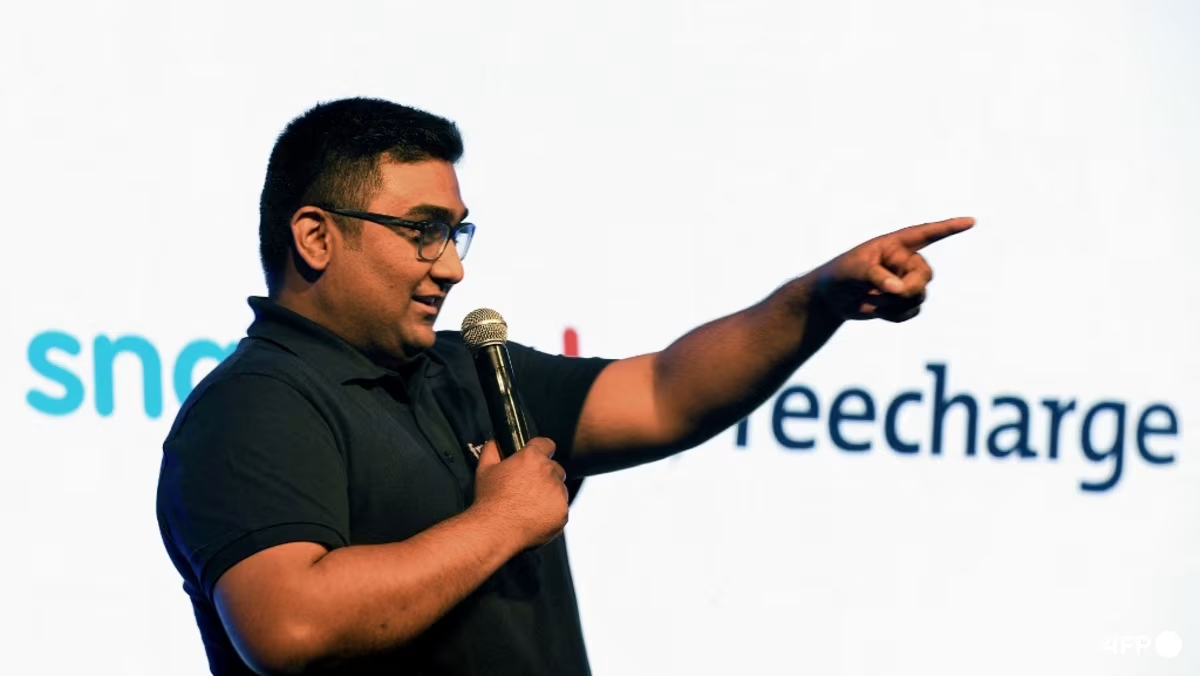
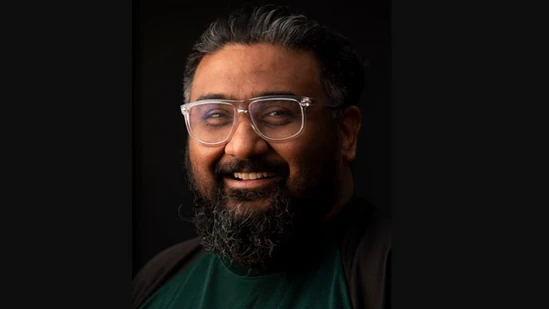
Meta’s decision to appoint Kunal Shah as the global head of WhatsApp while simultaneously investing $900 million in CRED is not just a leadership change; it is a signal of where the social media giant believes the future of its largest platform lies. With over three billion active users globally, WhatsApp is the world’s dominant messaging platform and an indispensable utility for individuals, businesses, and governments alike. Yet, despite its extraordinary reach, WhatsApp remains under-monetised.Meta has made some progress in getting businesses onto the platform. Millions of enterprises now use WhatsApp to communicate with customers, provide support, and showcase product catalogs. However, converting mass retail users into meaningful revenue streams has proved far more challenging. The platform’s original promise of simple, private communication has also constrained the extent to which advertising and other traditional monetisation tools can be deployed. Payments were expected to be the next major growth engine. In India, WhatsApp enjoys unparalleled reach and operates in the world’s largest real-time payments market. Yet, despite the explosive growth of UPI-based transactions, WhatsApp Pay has failed to emerge as a significant player. Consumers continue to prefer established platforms such as Google Pay, PhonePe, and banking applications.This is where Shah’s appointment becomes significant: unlike many Indian-origin technology executives who rose through the ranks at Silicon Valley firms, Shah built and scaled businesses in India. Through FreeCharge and CRED, he developed a deep understanding of consumer behaviour in one of the world’s most complex digital markets. If he can convert even a fraction of WhatsApp’s vast user base into active financial services users, he will have accomplished what previous leadership teams could not. Meta is increasingly seeking to position WhatsApp as the gateway to a broader ecosystem of commerce, services, and artificial intelligence. The launch of Meta AI within WhatsApp reflects this ambition, although the results so far have been mixed. OpenAI’s ChatGPT, Anthropic’s Claude, and Google’s Gemini have established strong consumer recognition, particularly in markets such as India, where free versions are widely available.India has long been WhatsApp’s largest market and a testing ground for global technology products. Shah’s elevation reflects India’s growing importance not merely as a source of users but as a source of leadership and innovation. No doubt, Shah will face challenges. Running a hyper-growth, elite-focused startup like CRED is a world away from managing a piece of global infrastructure with three billion users. Shah will have to navigate a minefield of cross-border privacy laws, systemic fraud, digital safety, and varying AI regulations. If Shah succeeds, the significance will extend beyond WhatsApp. It would mean that the route to the top of Big Tech may no longer run exclusively through Silicon Valley.Published on June 24, 2026