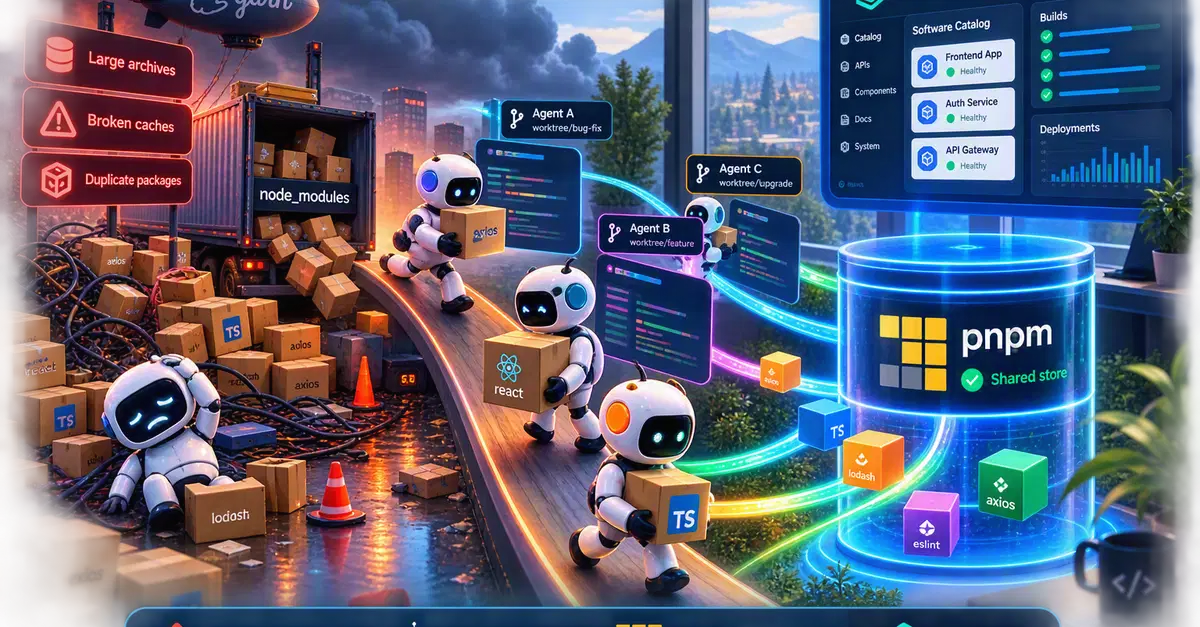
As web developers, engineering workflows are heavily dependent on the NPM registry. However, the traditional process of searching, auditing, and integrating packages remains highly fragmented. Developers are routinely forced to hop between npmjs.com, GitHub source repositories, and external documentation tabs simply to verify bundle sizes, check dependency trees, or generate setup boilerplate.
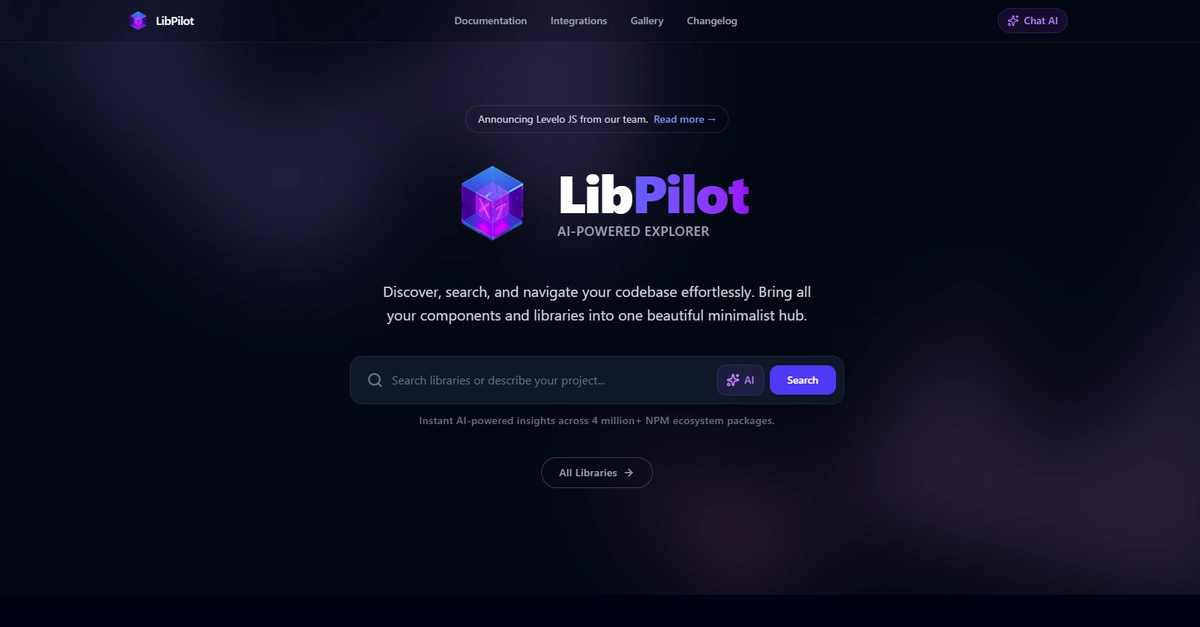
Following a strong reception on LinkedIn, X, and Facebook, the Motion Mind Team has introduced LibPilot to the dev.to community. LibPilot is not a traditional registry interface; it is an AI-powered search engine and discovery hub engineered to index, track, and analyze over 4,000,000 NPM packages in real time.
Here is an architectural breakdown of how LibPilot restructures package exploration for modern developers and autonomous AI code agents.
Intent-Based Discovery and Global Search Architecture
Traditional search engines require users to input the exact name or strict keyword of a library. LibPilot introduces a dual-input architecture on its home page to eliminate this constraint: