Probably not, according to Eric Schwitzgebel, a distinguished professor of philosophy at the University of California, Riverside.
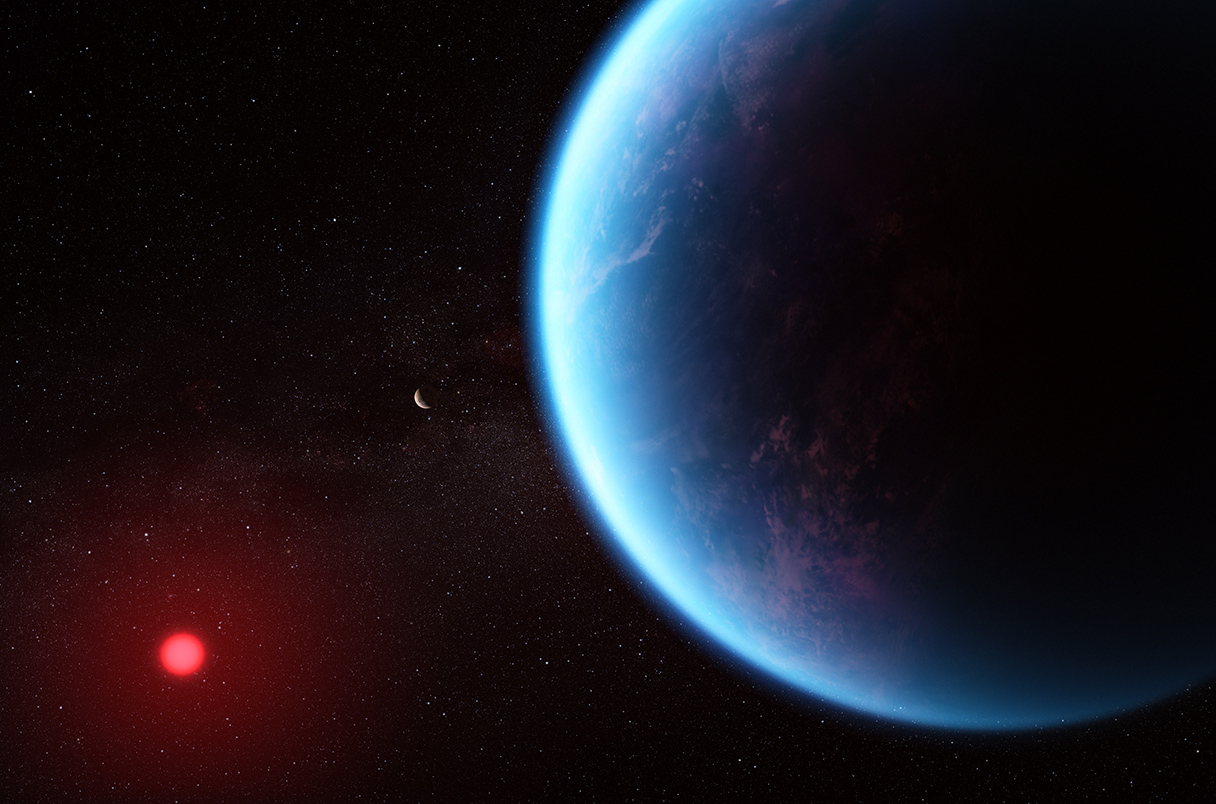
In a new working paper, Schwitzgebel and Jeremy Pober, a former UCR graduate student who is now a postdoctoral researcher at the University of Lisbon, argue that conscious beings may be possible even if they are built from materials very different from those found in life on Earth. One example comes from the recent blockbuster "Project Hail Mary," which features a five-limbed alien with a rock-like exterior.
Rather than trying to define consciousness itself, the researchers begin with the assumption that consciousness is a real and recognizable phenomenon. Their focus is on a narrower question: Does consciousness have to depend on Earth-style biology?
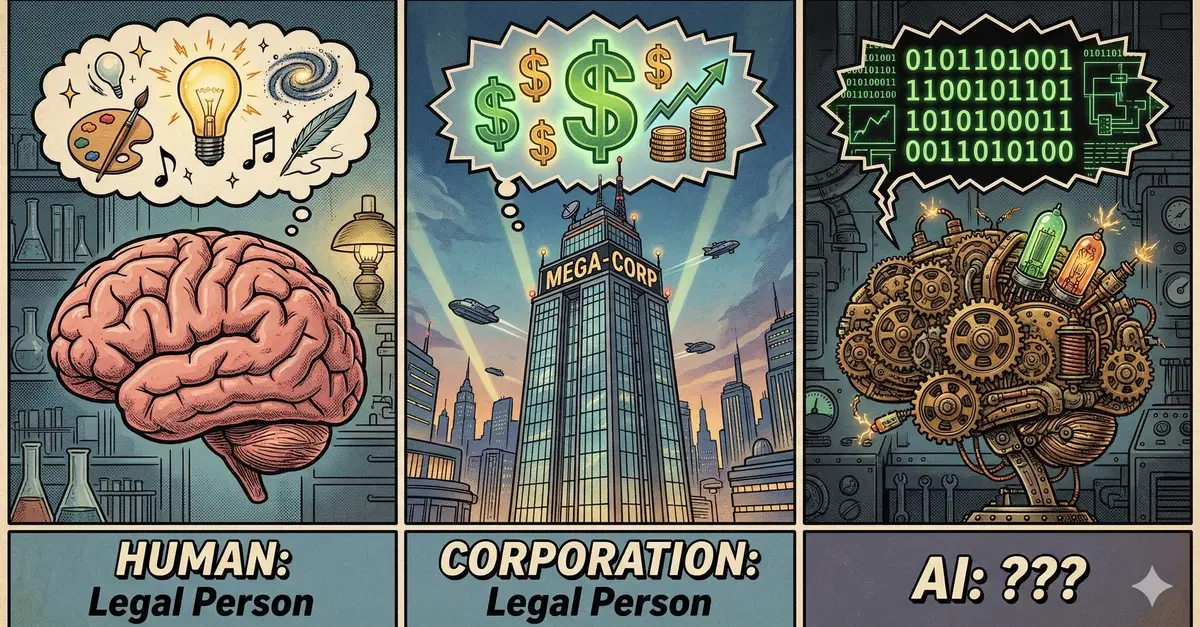
The paper arrives at a time when debates about conscious artificial intelligence are becoming increasingly common. While the authors briefly address AI, they do not take a shared position on whether current systems are conscious. In fact, they disagree with each other on some aspects of the issue. Still, their broader argument leaves open the possibility that consciousness could one day emerge in AI, even if today's systems do not possess it.