After nearly four months of fighting, a blockade of one of the world’s busiest shipping corridors, a threat of “annihilation” of an entire country, and a shaky ceasefire, the war in Iran is over—or so it seems. Talks between American and Iranian governments to reach a preliminary deal and officially end the conflict continued well into Tuesday, despite months of the president declaring the war was over. And yet, with each passing day, the taxpayers’ bill for the war keeps ticking up.
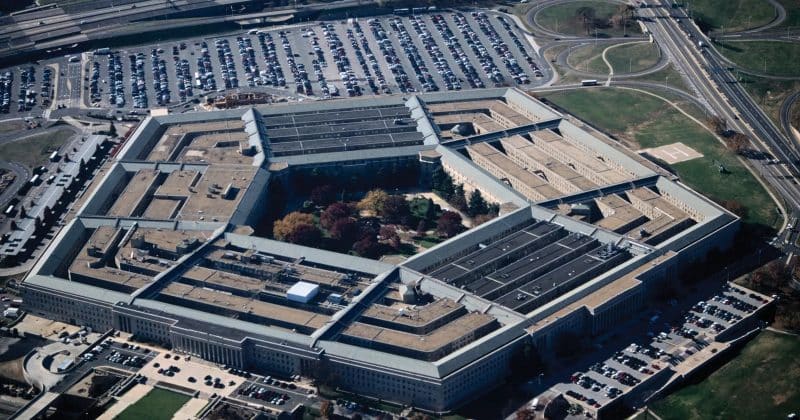
On Monday, the Department of Defense told senators it needed an additional $80 billion to cover the cost of U.S. involvement in the conflict, just weeks after warning that the military could potentially run out of money should Congress not pass a new spending bill.
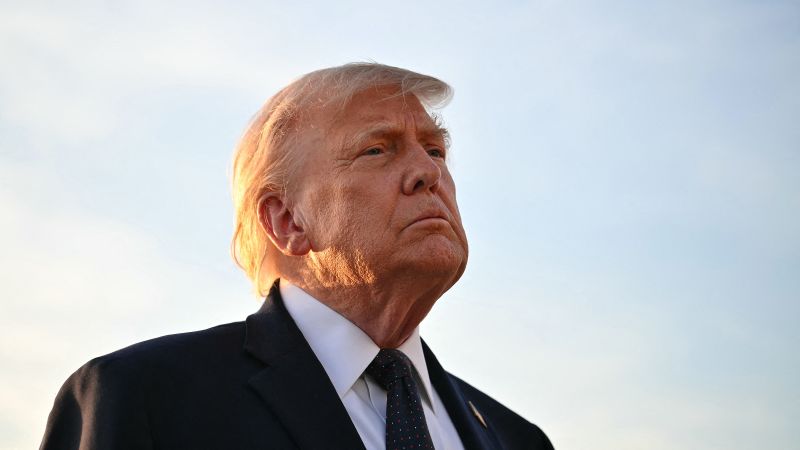
After nearly four months of war, the conflict has reshaped key parts of the U.S. and global economies for years, if not decades to come. Americans have felt the cost acutely at the gas pump and in the supermarket aisles. Now, nearly two-thirds of Americans disapprove of President Donald Trump’s handling of the war, even if he doesn’t seem to mind the growing consensus against the conflict.
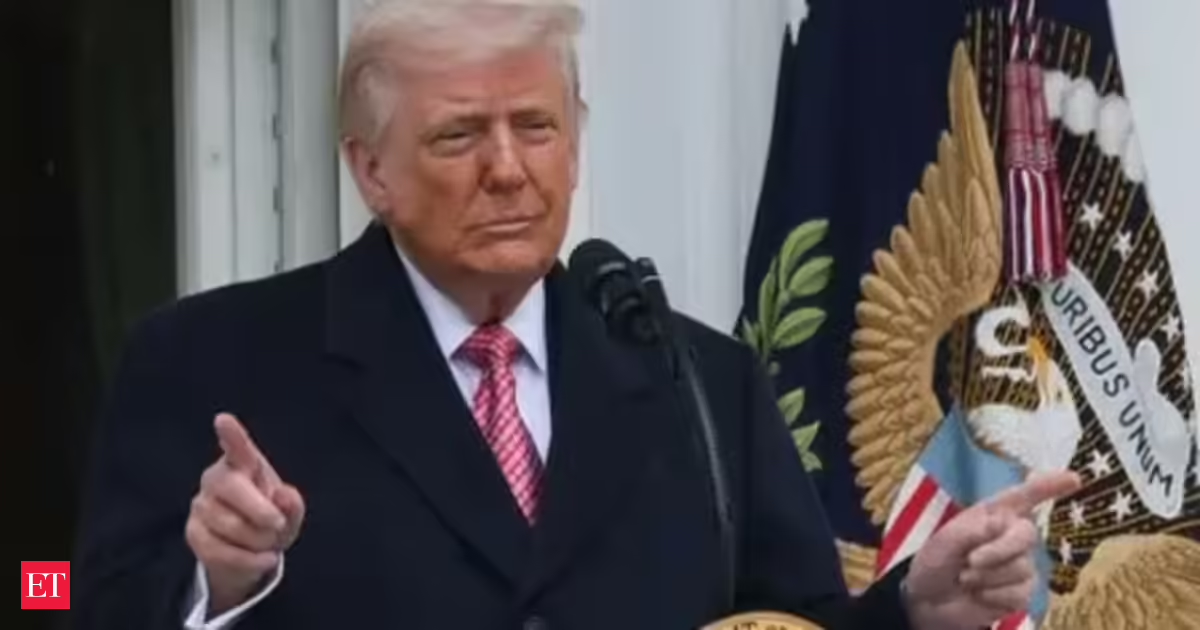
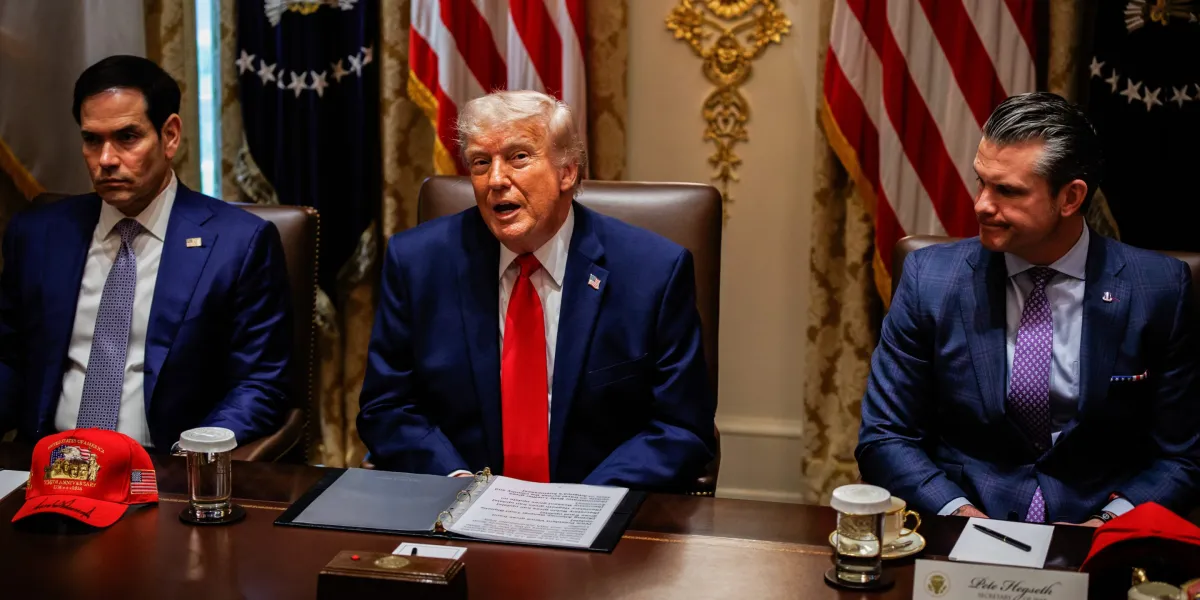
“I don’t think about Americans’ financial situation,” Trump said in May. “I don’t think about anybody. I think about one thing: We cannot let Iran have a nuclear weapon. That’s all.”