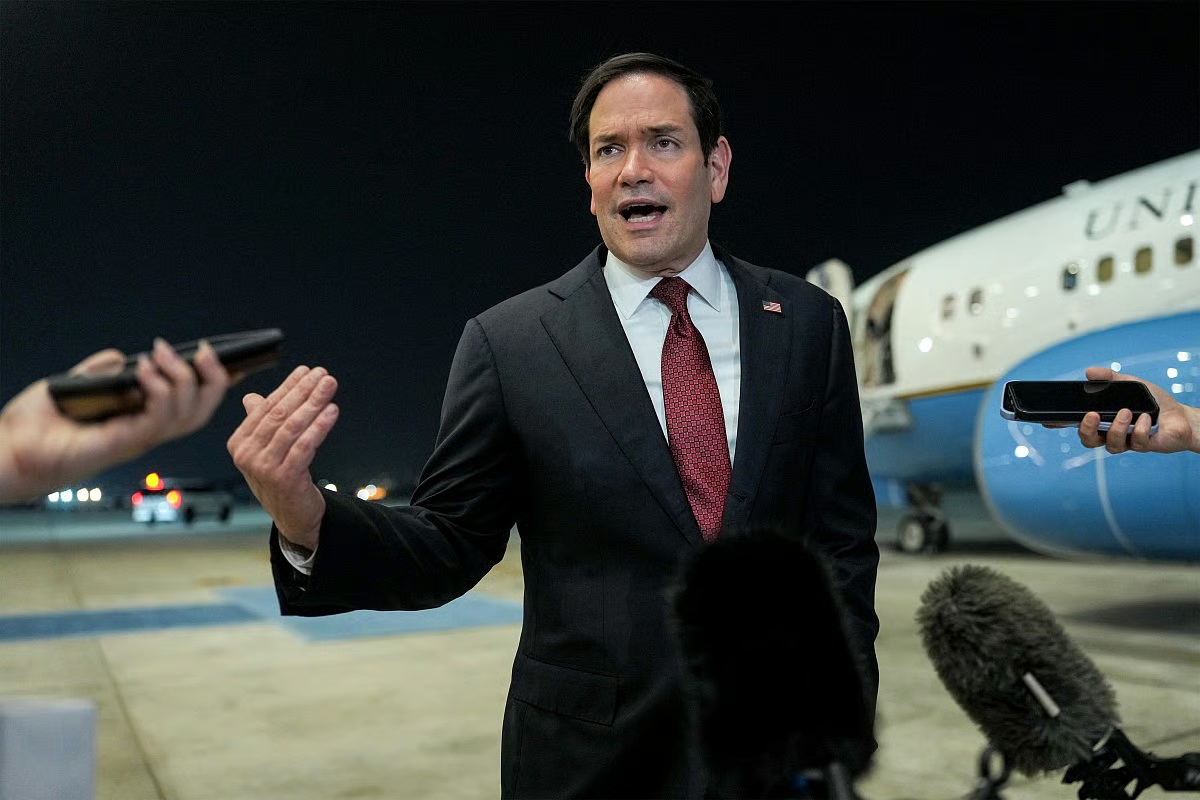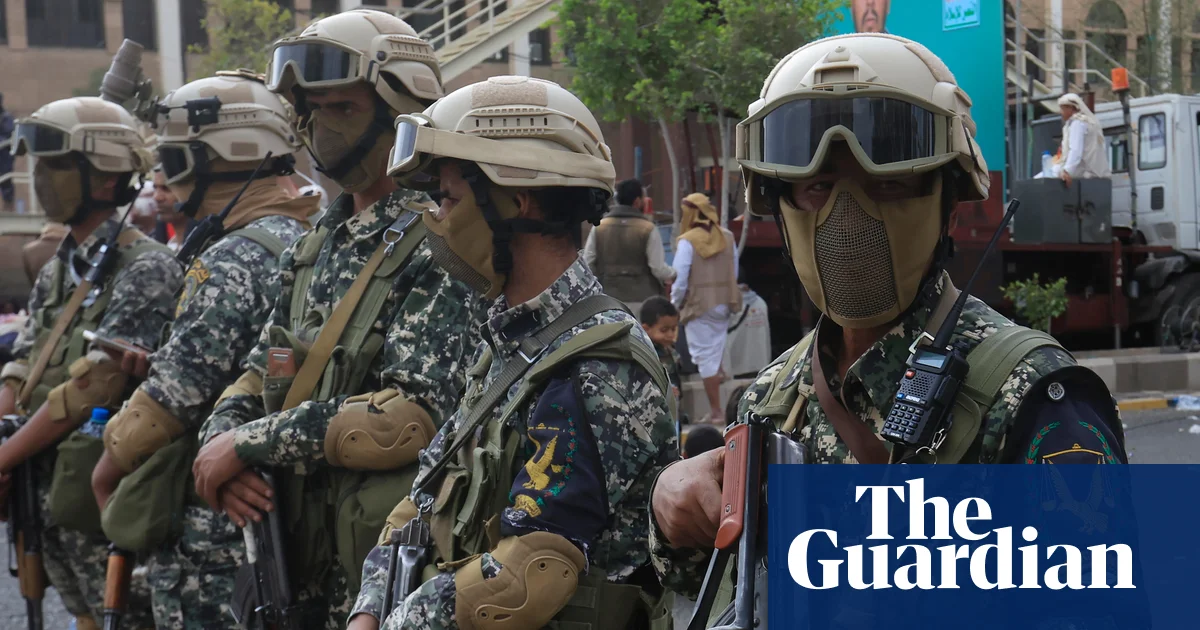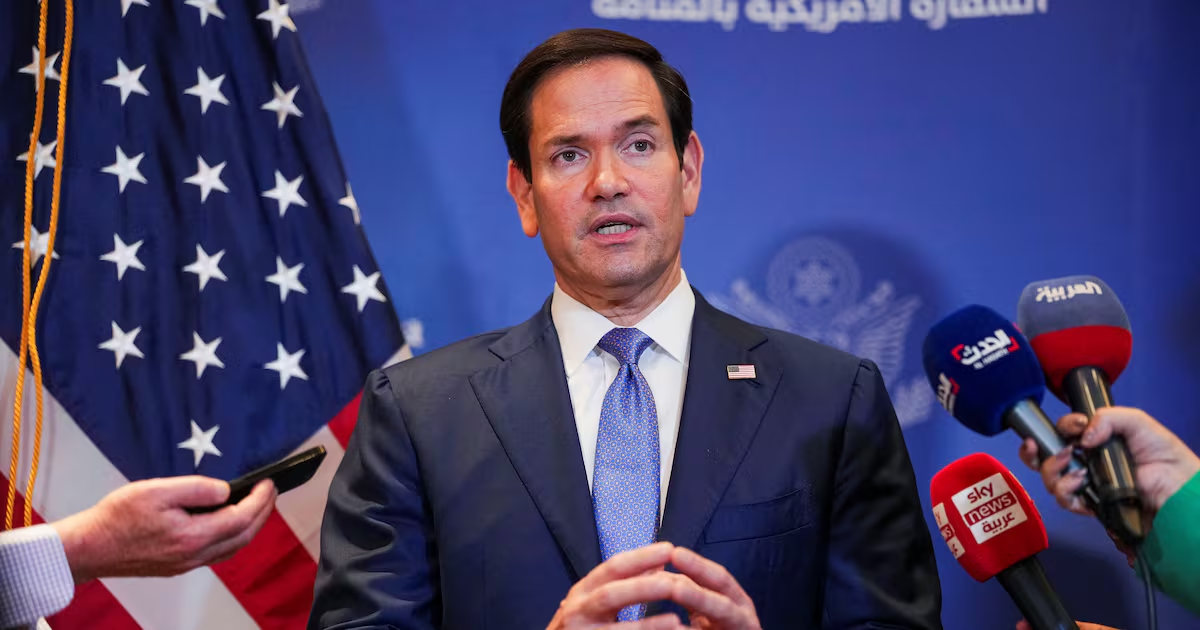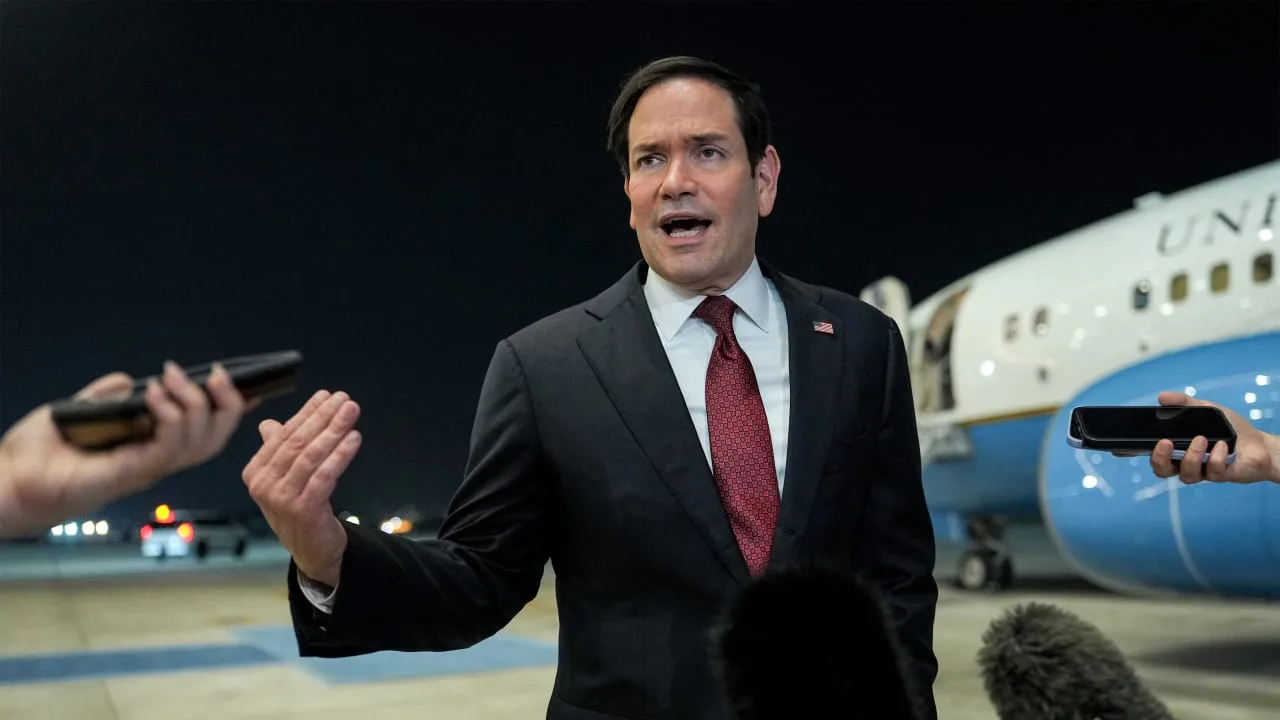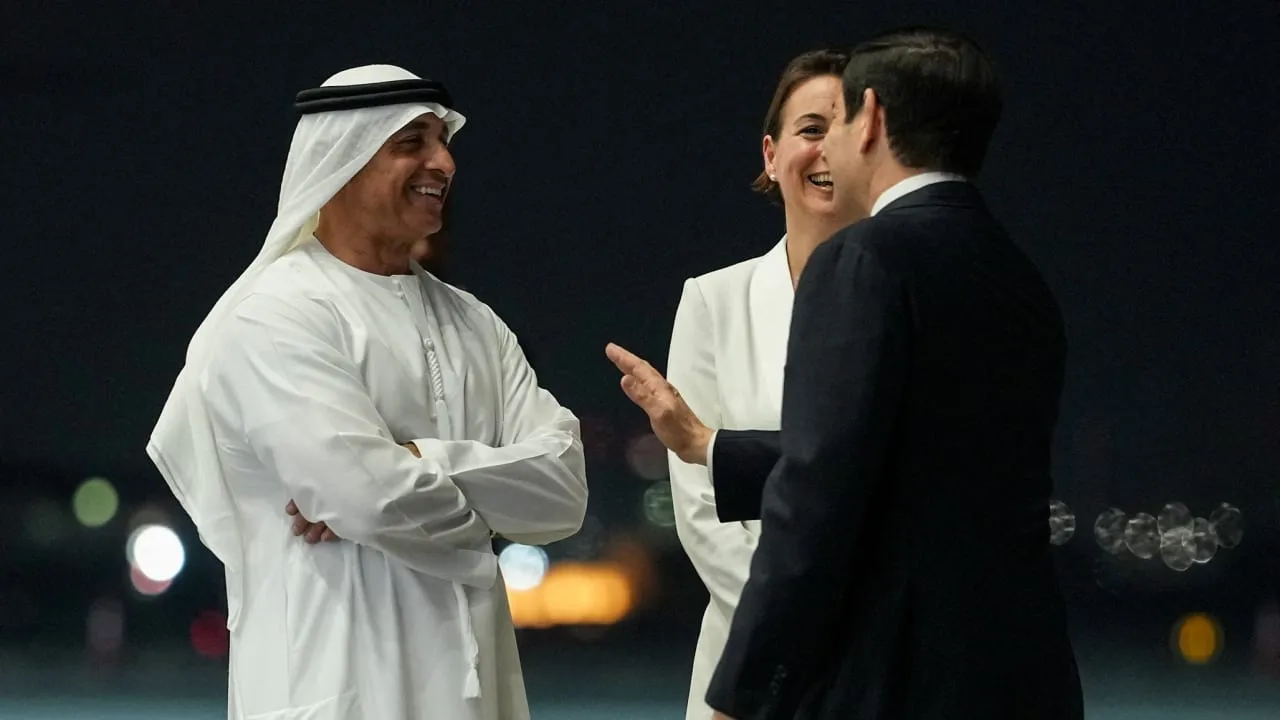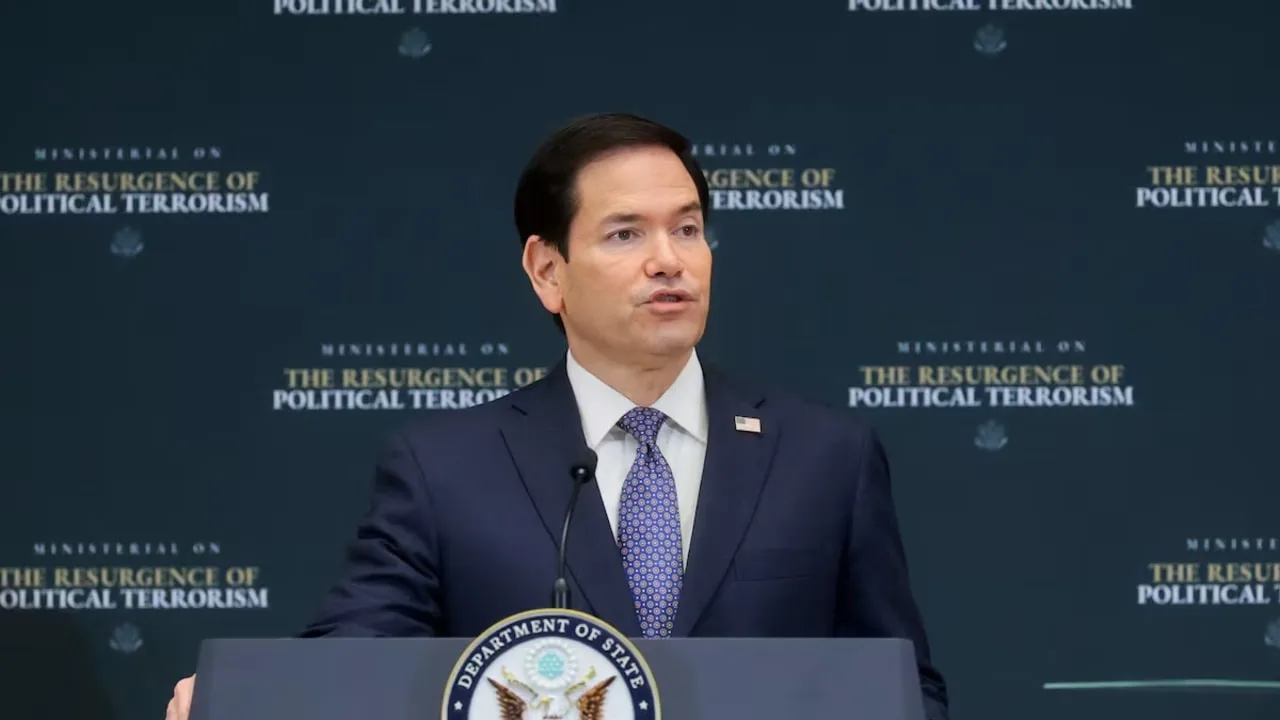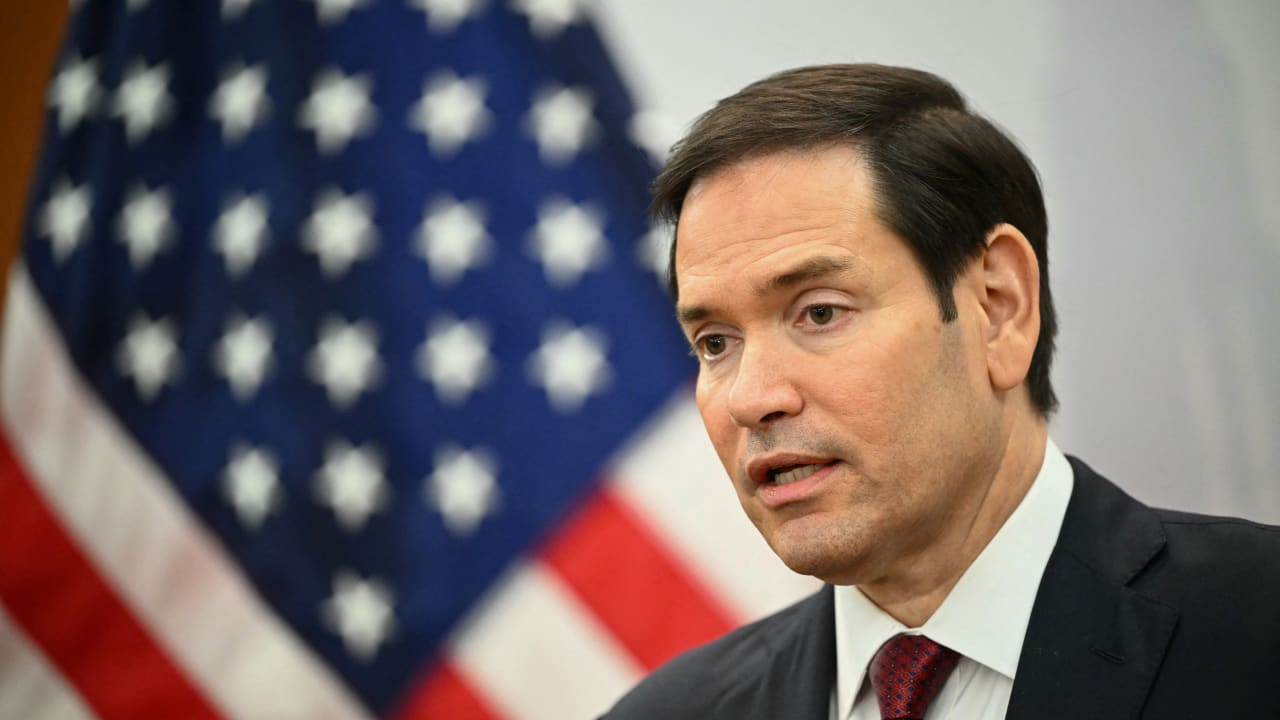
Jerusalem Post/Middle EastWashington has used a combination of sanctions, terrorist designations, and rewards for information on militia leaders.Follow us on Google US Secretary of State Marco Rubio takes part in a media briefing during the 58th Association of Southeast Asian Nations (ASEAN) Foreign Ministers' meeting and related meetings at the Convention Centre in Kuala Lumpur, Malaysia on July 10, 2025.(photo credit: MANDEL NGAN/POOL VIA REUTERS)BySETH J. FRANTZMANJUNE 24, 2026 17:53US Secretary of State Marco Rubio arrived in the United Arab Emirates on June 23. During his visit he made an important statement about the role of Iranian-backed militias in Iraq. The statement was posted by the Department of State and other accounts that are linked to the US administration. By calling out Iraq he is sending an important message. The US wants Iraq to rein in the militias."You can't have the end of hostilities and conflict in the region as long as Iranian proxies are launching missiles and drones from Iraq and are participating in terrorism... It is an issue that will be gotten to at the appropriate time in these negotiations,” Rubio said. Kurdish media in the Kurdistan autonomous region of northern Iraq also noted the comments. The US has been increasing pressure on the Iranian-backed militias in Iraq. Washington has used a combination of sanctions, terrorist designations, and rewards for information on militia leaders. The campaign has targeted some of the most powerful armed groups within Iraq’s Popular Mobilization Forces as the United States seeks to deter attacks on American personnel and facilities.The PMF has dozens of militias within it. Many are linked to Iran and they are composed of Shi’ite fighters. They received more support when the PMF became an official Iraqi paramilitary group in 2018. The militias were also boosted in 2014 during the war on ISIS. Some of them are historic, such as the Badr Organization. Some were founded more recently.US previously sanctioned PMF-related commanders, placed bounties in the millions of dollarsIn April 2026 the US Treasury sanctioned commanders linked to Kataib Hezbollah, Asaib Ahl al-Haq, Kataib Sayyid al-Shuhada, and Harakat Hezbollah al-Nujaba. The sanctions followed months of militia attacks in Iraq. Treasury Secretary Scott Bessent said the United States would not allow Iran-backed militias to threaten American lives or interests.Meanwhile, the State Department’s Rewards for Justice program unveiled a series of bounties. Rewards of up to $10 million were offered for information on Kataib Hezbollah leader Ahmad al-Hamidawi, Kataib Sayyid al-Shuhada leader Abu Ala al-Walai, Harakat Ansar Allah al-Awfiya leader Haydar al-Saidi, and Harakat al-Nujaba leader Akram al-Kabi.Rubio calling out Iraq and Iranian proxies there is important. These groups have threatened the Kurdistan Region, attacked Americans, kidnapped a US journalist and a Princeton researcher; they have attacked Saudi Arabia and Kuwait, and also attacked Israel, Jordan and Syria. In January 2024, for instance, Kataib Hezbollah attacked Jordan and killed three American service members.Follow us on Google
Marco Rubio says Iran-backed militias in Iraq undermine peace efforts in Middle East | The Jerusalem Post
Washington has used a combination of sanctions, terrorist designations, and rewards for information on militia leaders.
482 words~2 min read