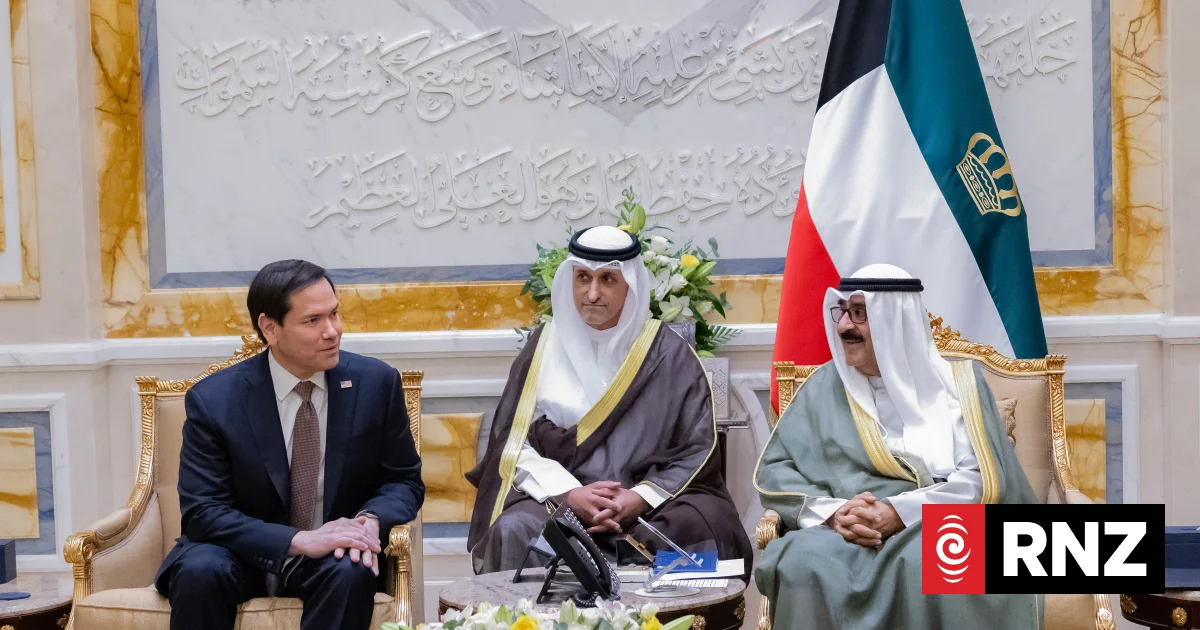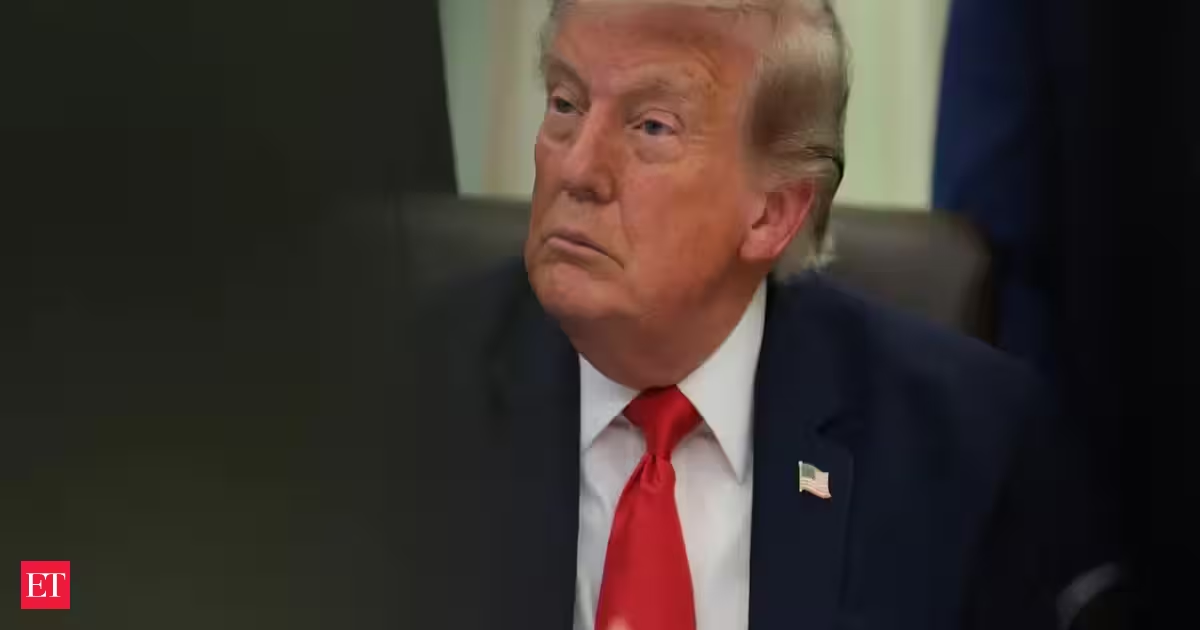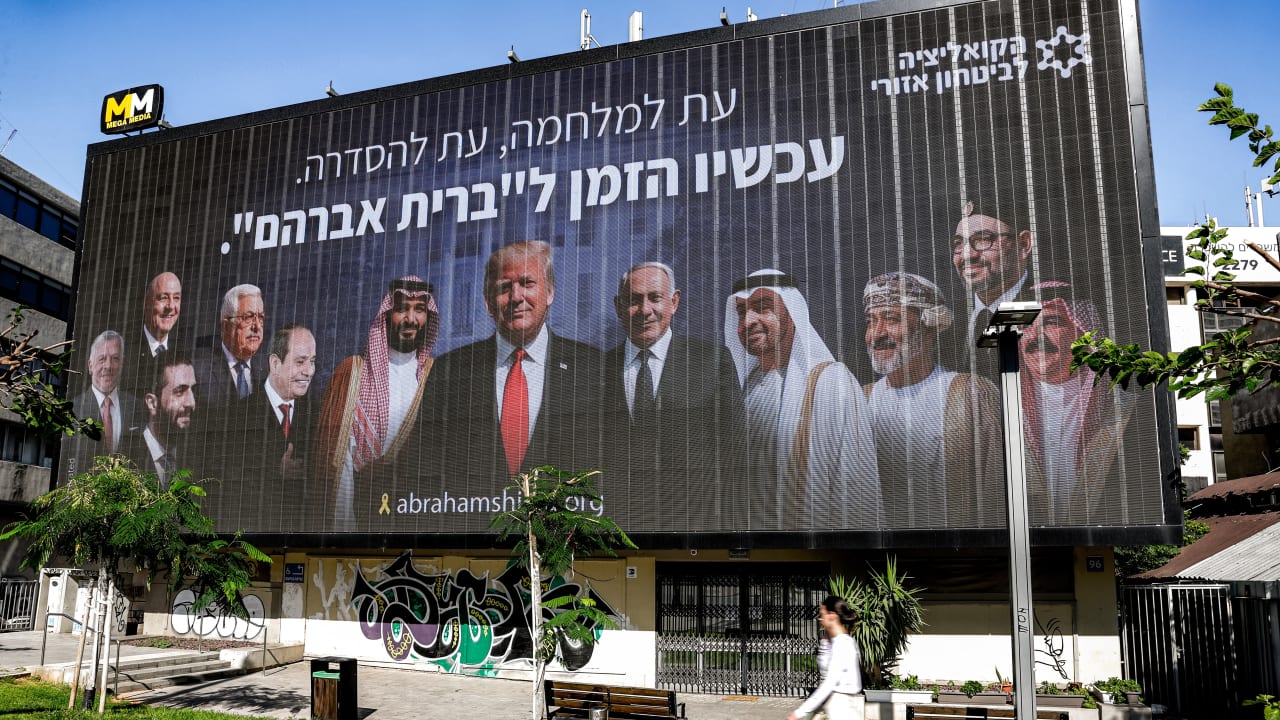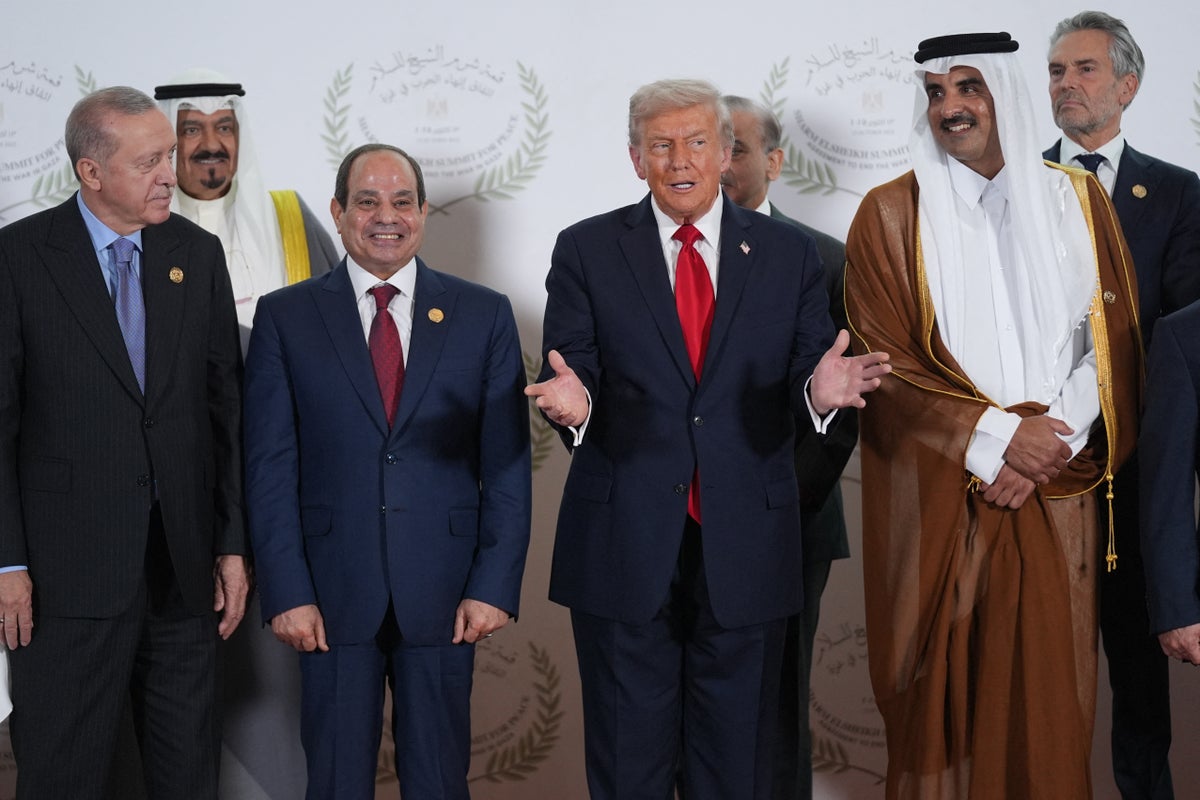
For decades, leaders of Arab nations in the Persian Gulf viewed their relationship with the United States as a strategic partnership. Donald Trump often saw it differently.
“King, we’re protecting you. You might not be there for two weeks without us. You have to pay for your military,” Trump said in 2018, speaking of the Saudi monarch and encapsulating a more transactional vision of a relationship that Gulf leaders had long regarded as a cornerstone of their security.
A year later, Saudi Arabia suffered the biggest attack on its territory in decades when strikes on key oil facilities temporarily knocked out roughly half of the kingdom’s crude production, sending global oil prices soaring. While Washington blamed Iran and condemned the attack, Gulf states were left with lingering questions about the extent of American willingness to confront Tehran on their behalf.
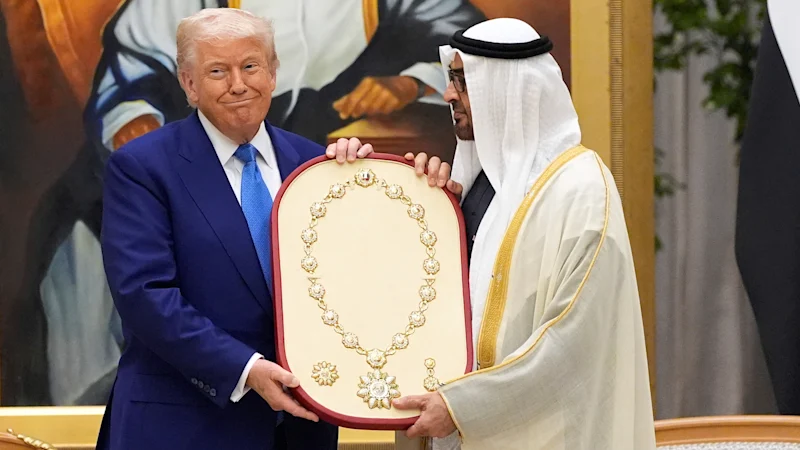
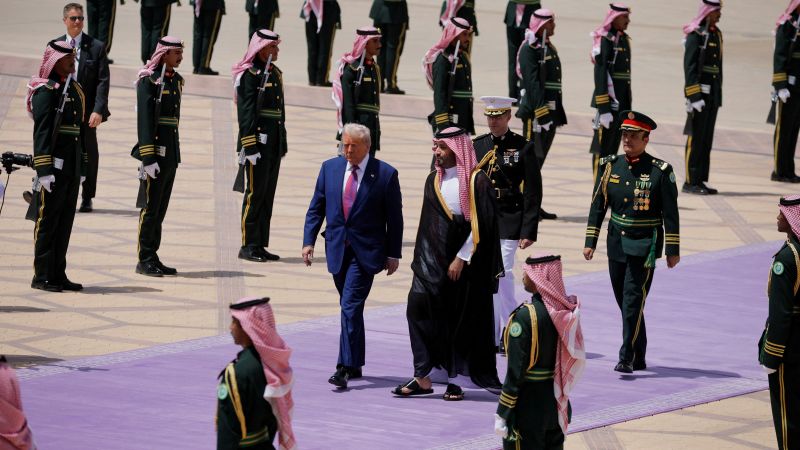
By Trump’s second term, Gulf leaders had taken note. As Gulf states pledged trillions of dollars in investment in the US economy, Trump chose the region for his first official trip abroad.
“We are going to protect this country,” the US president declared in the Qatari capital Doha during his Gulf tour last May.