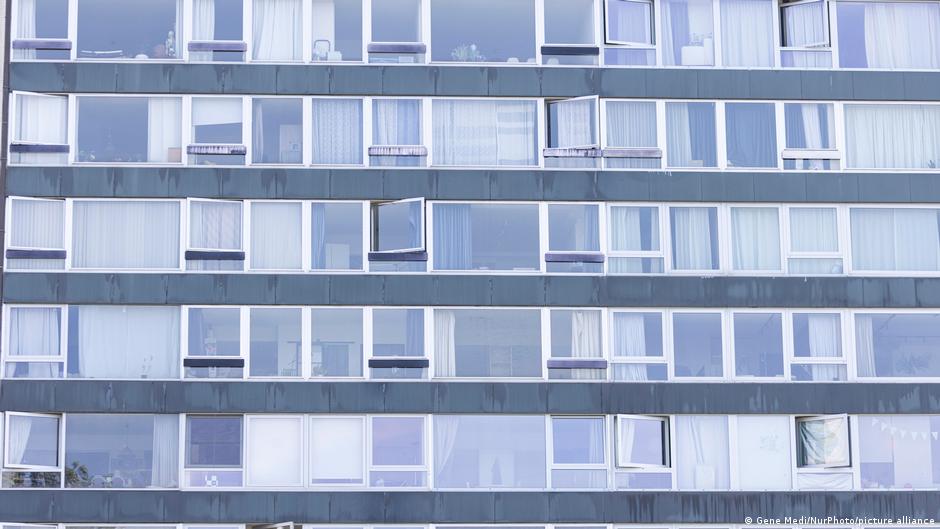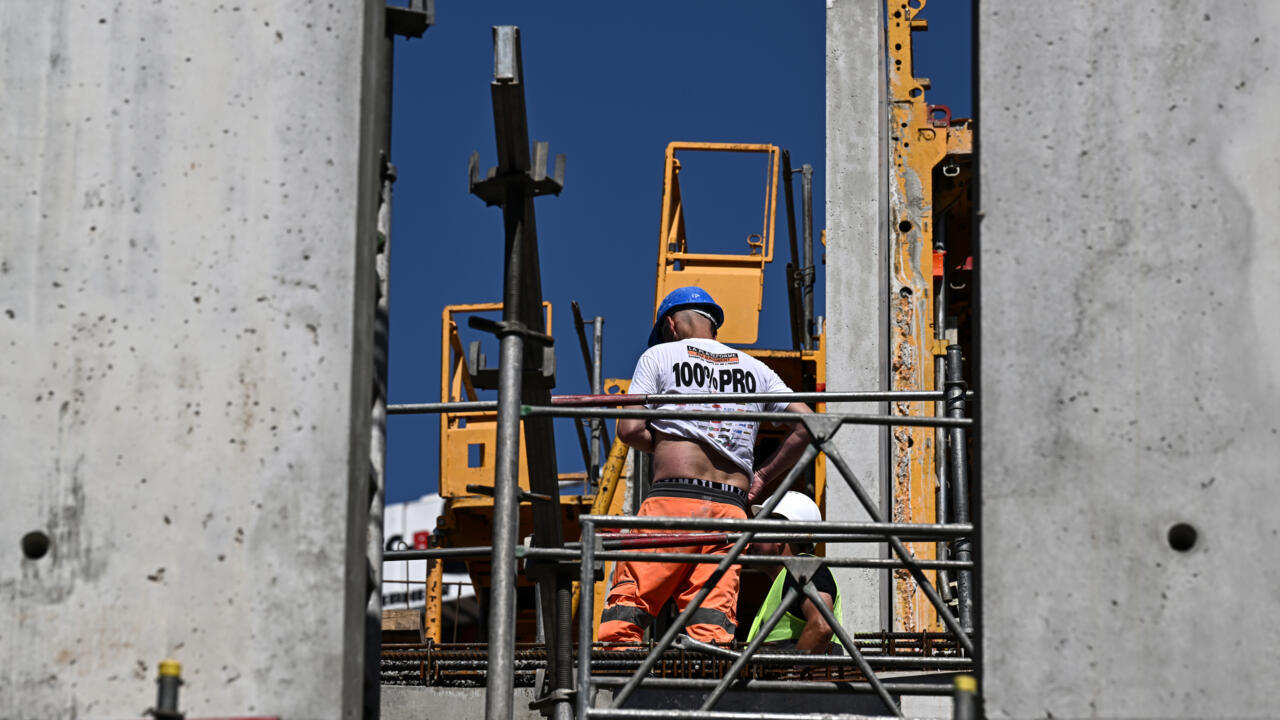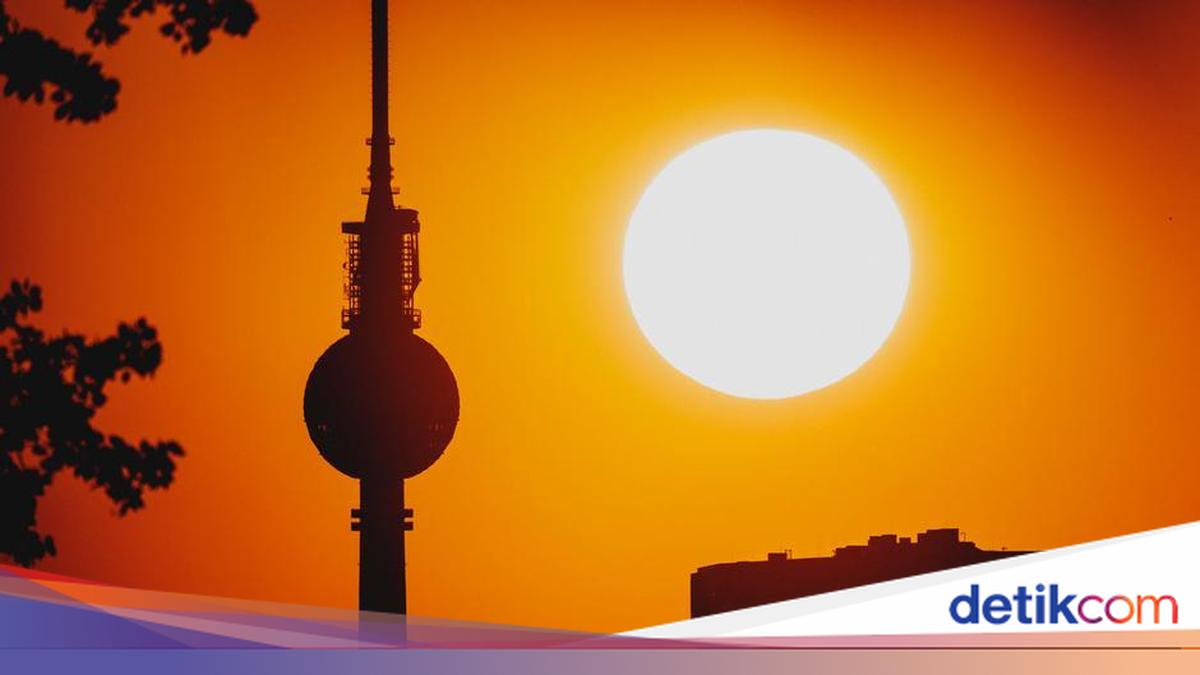
A desk by the window, a building that faces south — during Germany's cold and dark season, sunlight and warmth are a clear advantage. In summer, however, such workstations, without shading and air conditioning, can become unbearably hot. As a result of climate change, heatwaves of up to 40 degrees Celcius are now occurring in Germany more frequently — and lasting longer.
Effective cooling is still relatively uncommon in Germany. While air conditioning is considered virtually standard in the United States, it is present in just 6% of private households in Germany. By contrast, 50% of office and administrative buildings are now equipped with cooling systems.
"In northern countries, buildings tend to be designed to retain heat because of the cold winters", explained economist Katharina Utermöhl, who works in economic policy research at the insurance group Allianz. She is a co-author of a study examining the impact of heat on the German economy. The study warns of enormous costs as productivity declines and energy expenses rise. Extreme heat is no longer merely a short-term weather phenomenon, but a structural economic shock.
How Europeans cope with the record-breaking heat waveTo view this video please enable JavaScript, and consider upgrading to a web browser that supports HTML5 video