Campbell Wilson, Chief Executive Officer and Managing Director, Air India
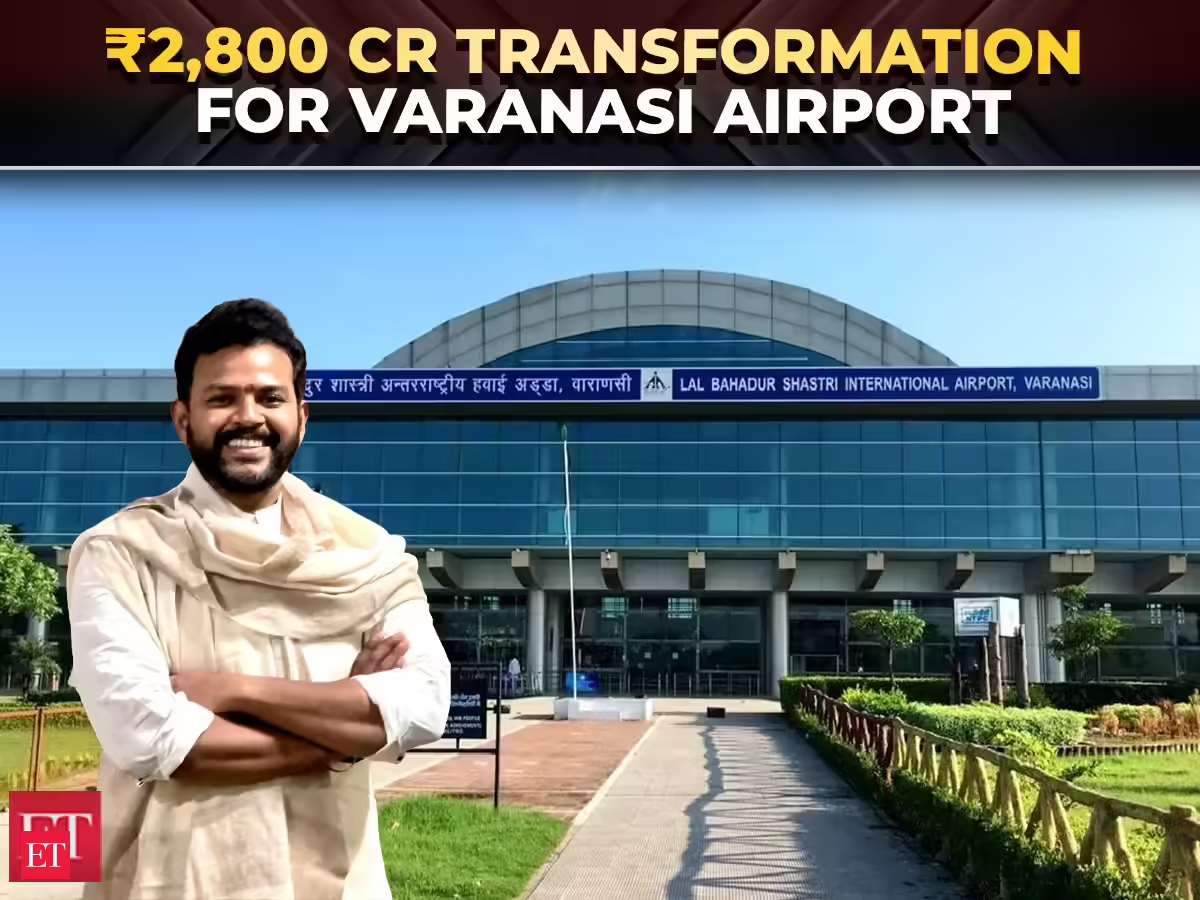
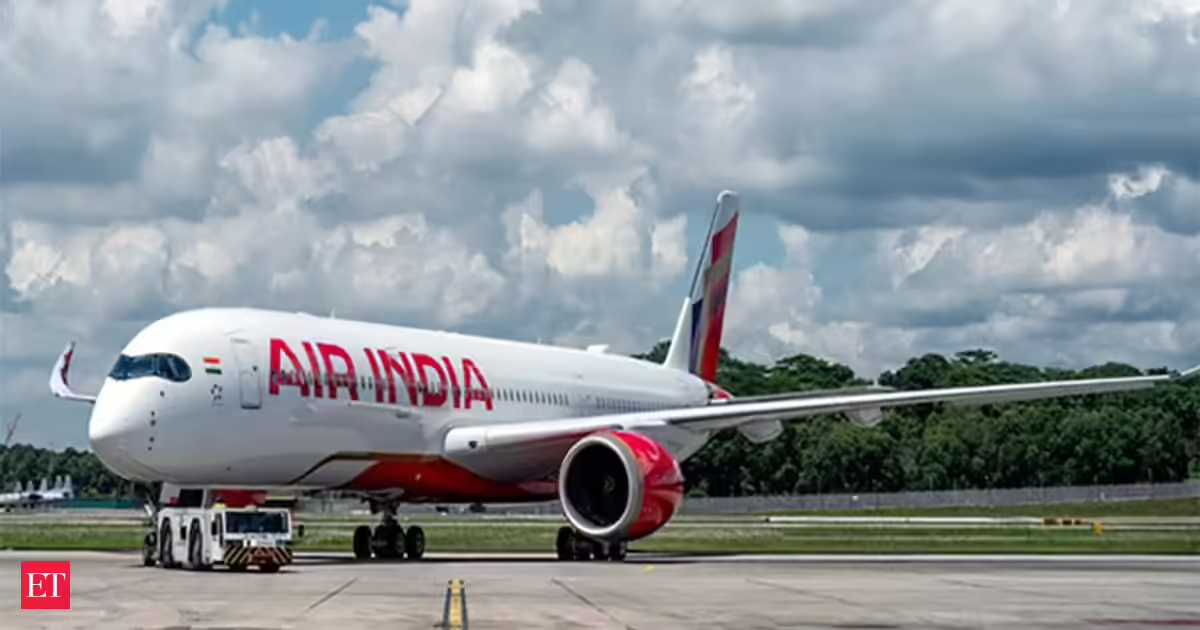
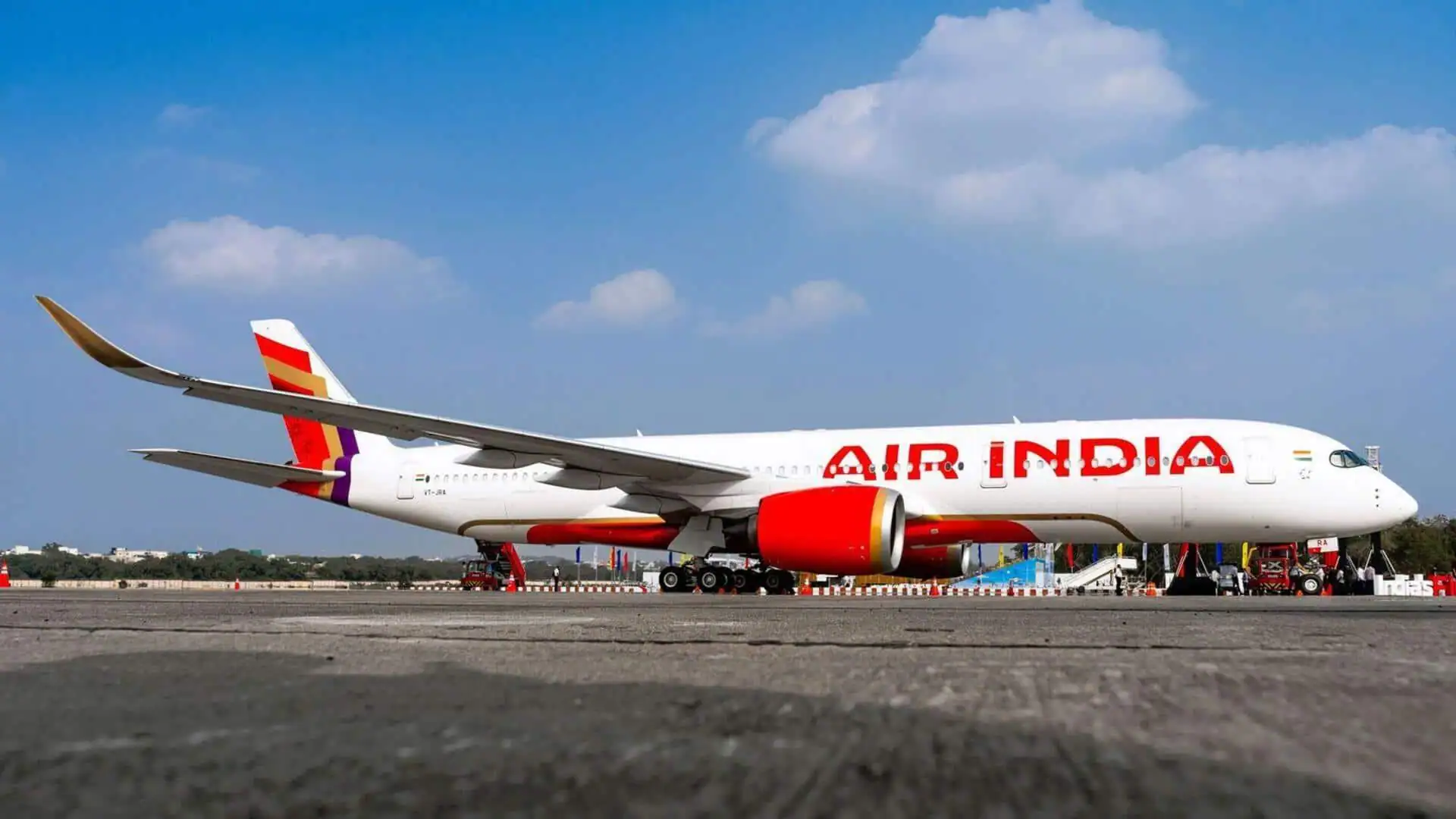
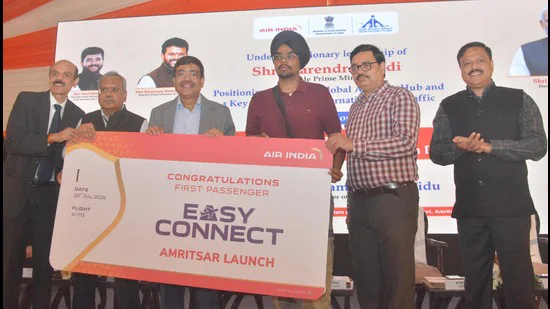
Tata Group-promoted Air India’s newly launched ‘Easy Connect’ initiative seeks to make international travel more accessible to passengers from smaller Indian cities, thereby reducing their dependence on overseas transit hubs, the airline’s Chief Executive Officer and Managing Director, Campbell Wilson, told businessline.Replying to a businessline query on the new service that allows passengers from Tier-II and Tier-III cities to seamlessly connect to international destinations through India-based airport hubs, Campbell said the initiative addresses a long-standing gap in international travel access.Earlier this month, Air India opened bookings for its first flights under the Government of India’s hub-and-spoke model, branded as ‘Easy Connect’, enabling passengers from cities beyond major metros to complete baggage check-in and immigration formalities at their originating airport and connect seamlessly to international destinations.The initiative will commence from Varanasi on June 25, with Air India designated as the lead carrier for implementing the model. The airline plans a phased rollout of Easy Connect operations across multiple cities in the coming months to operationalise seamless international connectivity from Tier-II and Tier-III centres at scale.Under the hub-and-spoke framework, smaller ‘spoke’ cities such as Varanasi are connected to major ‘hub’ airports like Delhi, allowing passengers to access Air India’s global network through a single domestic connection.The model is designed to simplify international travel by enabling through check-in to the final destination, immigration clearance at the point of origin and seamless international transit through the hub airport.Global access“Easy Connect extends global access to more parts of the country beyond major metros and reduces the need for Indians to transit through unfamiliar environments,” Wilson told businessline.“As the Indian aviation industry works towards building India as a global aviation hub, it must do so not just through infrastructure, but also through a network that truly serves the aspirations of its people.”According to Wilson, Air India is committed to making the world more “accessible to Bharat — and in turn, connect Bharat more effectively with the world.”The first designated Easy Connect service, AI1111, will operate daily between Varanasi and Delhi and is scheduled to arrive in the national capital at 11:00 hrs.Accordingly, the flight has been timed to provide onward connectivity within four hours to 18 international destinations, including London Heathrow, Frankfurt, Milan, Rome, Zurich, Singapore, Kuala Lumpur, Bangkok, Riyadh and Dubai, among others.The development assumes significance at a time when Indian carriers are increasingly seeking to channel outbound traffic through domestic hubs rather than ceding connecting passengers to foreign airlines operating through hubs in the Gulf, Southeast Asia and Europe.Notably, India’s hub-and-spoke model has been developed through a multi-stakeholder consultative framework involving airlines, airport operators and government agencies, including the Bureau of Immigration and Customs.The implementation of the initiative has required a fundamental re-engineering of domestic flight processes, including technology upgrades, infrastructure modifications and the development of new operating protocols.Seamless passenger movementBesides, the airline said spoke airports have now been equipped to handle international transfer passengers by issuing dual boarding passes, enabling immigration at the point of origin and creating dedicated channels for seamless passenger movement.Furthermore, Air India said that since passengers travelling on ‘Easy Connect’ services comprise both domestic and international transit passengers on the same flight, this arrangement necessitated new system enhancements, including dedicated boarding pass identifiers and additional staff deployment at hub airports to ensure the smooth segregation of passenger flows.In addition to passenger convenience, the airline said the initiative is expected to strengthen domestic feed into its international network and help aggregate demand from a wider catchment area across the country.Additionally, the airline said that the model is expected to improve capacity deployment and support the long-term growth of its international operations as India seeks to position itself as a global aviation hub.Published on June 24, 2026