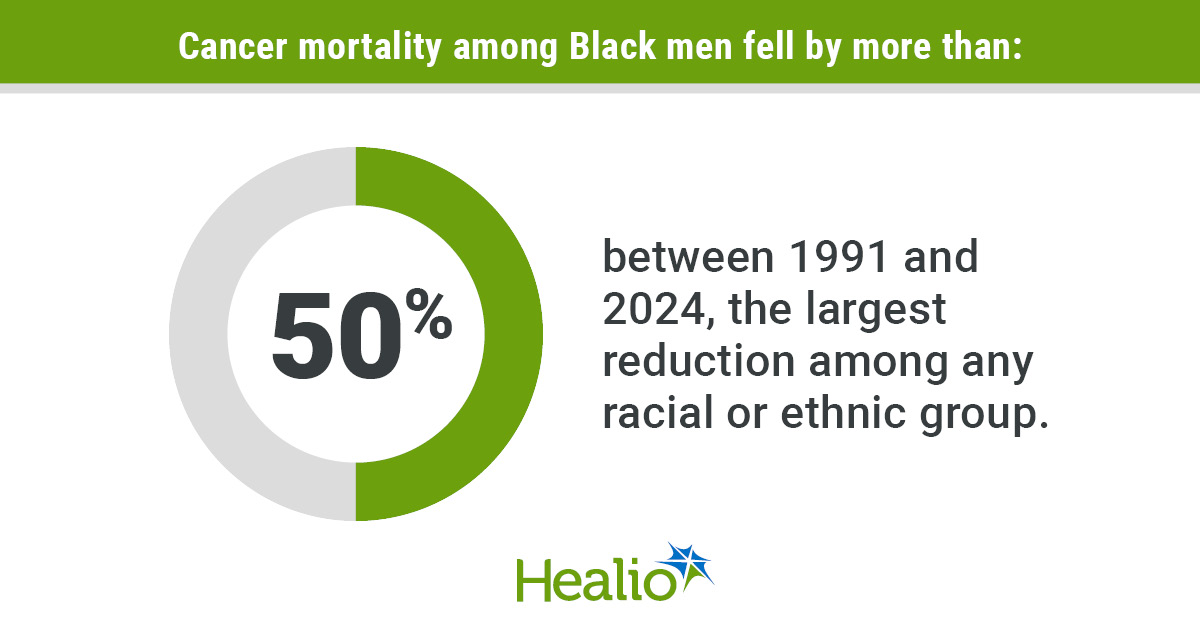
Gaps in cancer mortality based on race or ethnicity continue to narrow overall, but several specific populations still exhibit higher risk for developing or dying of the disease, according to a new report.
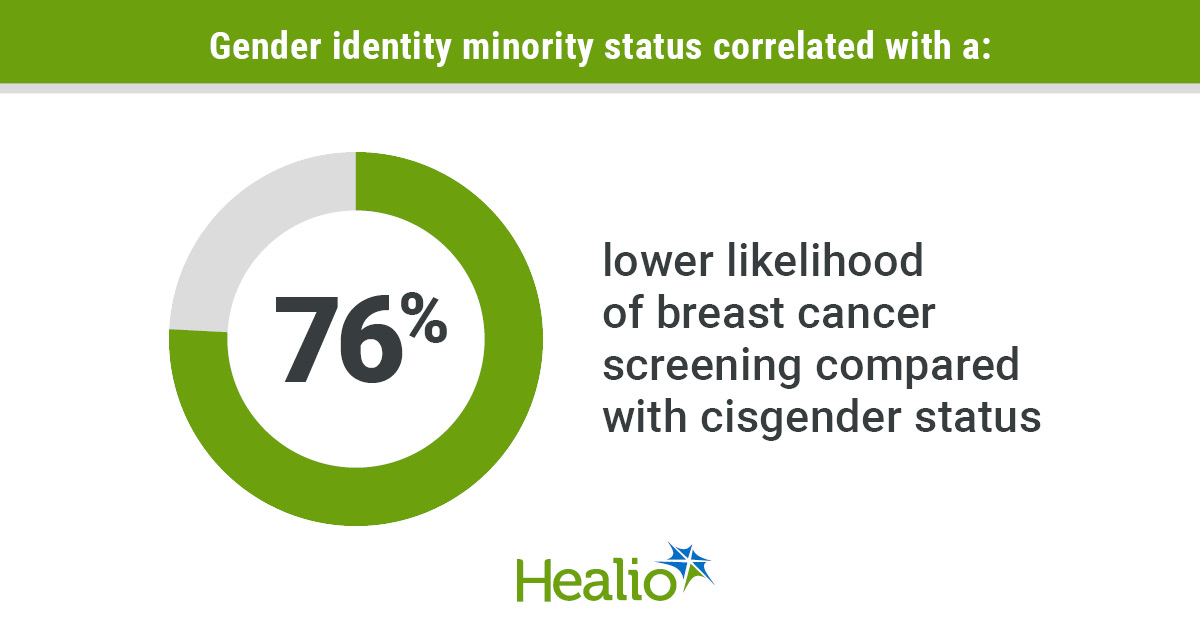
Outcomes also continue to be worse among residents of rural regions, individuals who live in counties with persistent poverty, and sexual and gender minorities, the AACR Cancer Disparities Progress Report 2026 showed.
“Incidence and mortality are critical metrics because they tell us whether the interventions we have in place in the clinic and in the community are working,” Mariana C. Stern, PhD, Ira Goodman Chair in Cancer Research at Keck School of Medicine of University of Southern California and chair of the report’s steering committee, told Healio. “However, we cannot simply look at the country as a whole because the individuals who live here are not all the same. Examining our data by various determinants gives us a much more accurate picture of how we are doing, and it helps inform how we should invest our focus, energy and funding to continue reducing the cancer burden — not just for diverse populations but for everyone.”
The latest edition of AACR’s biennial cancer disparities report revealed several encouraging trends in the U.S.