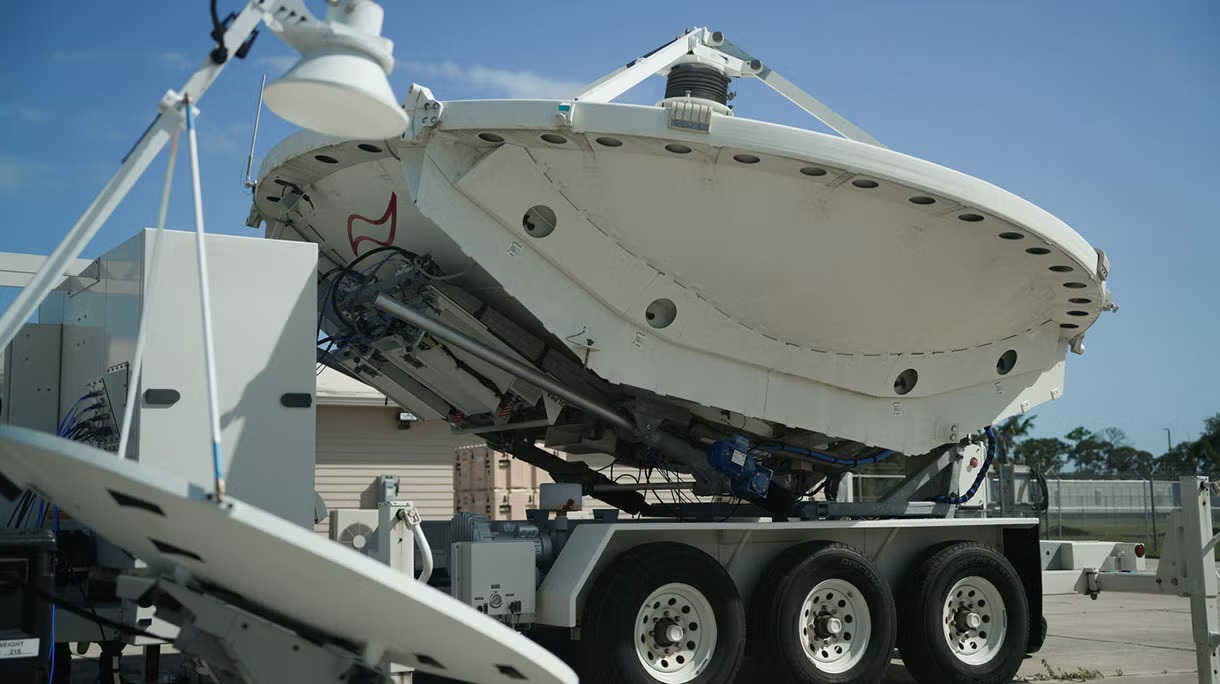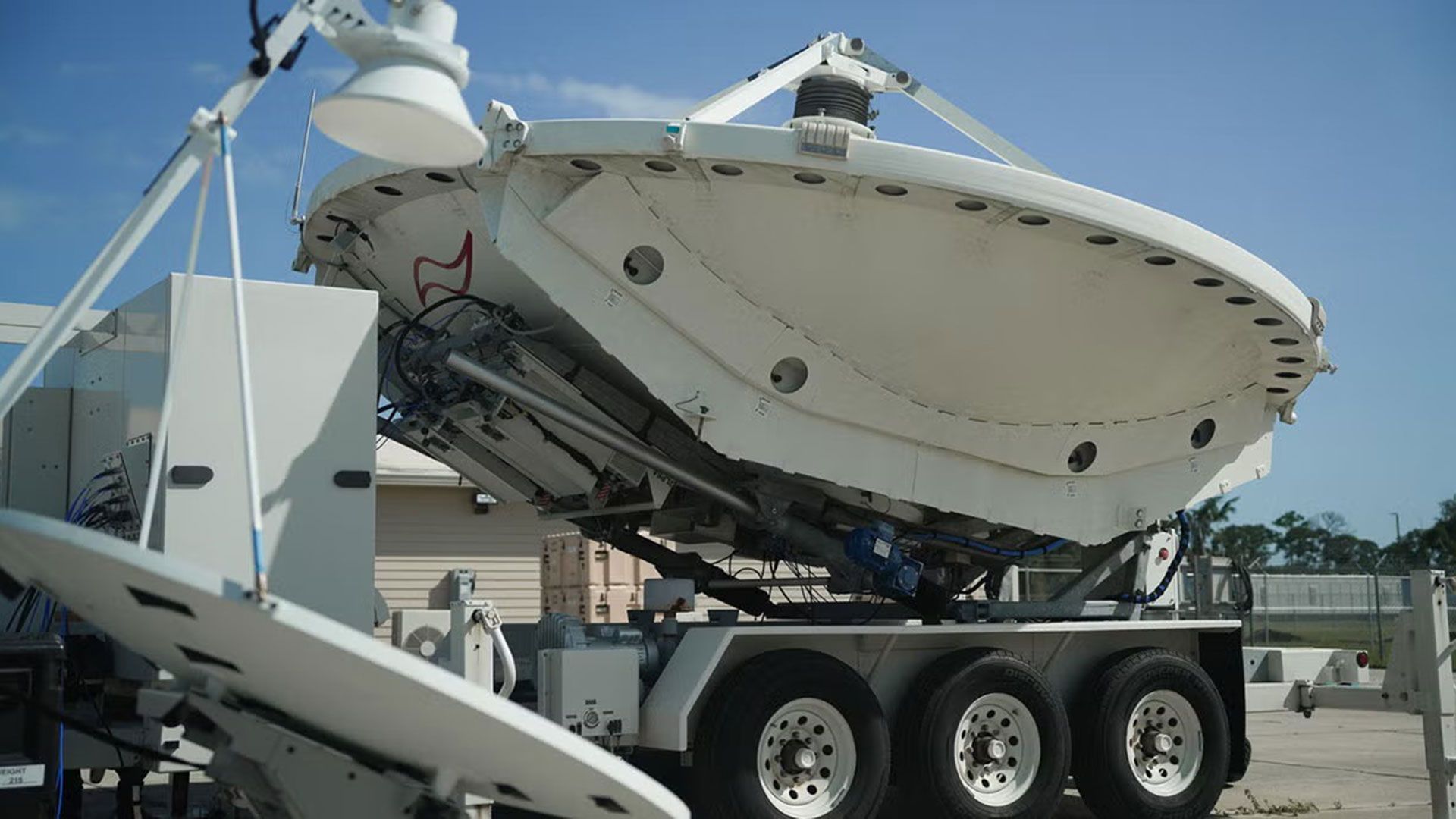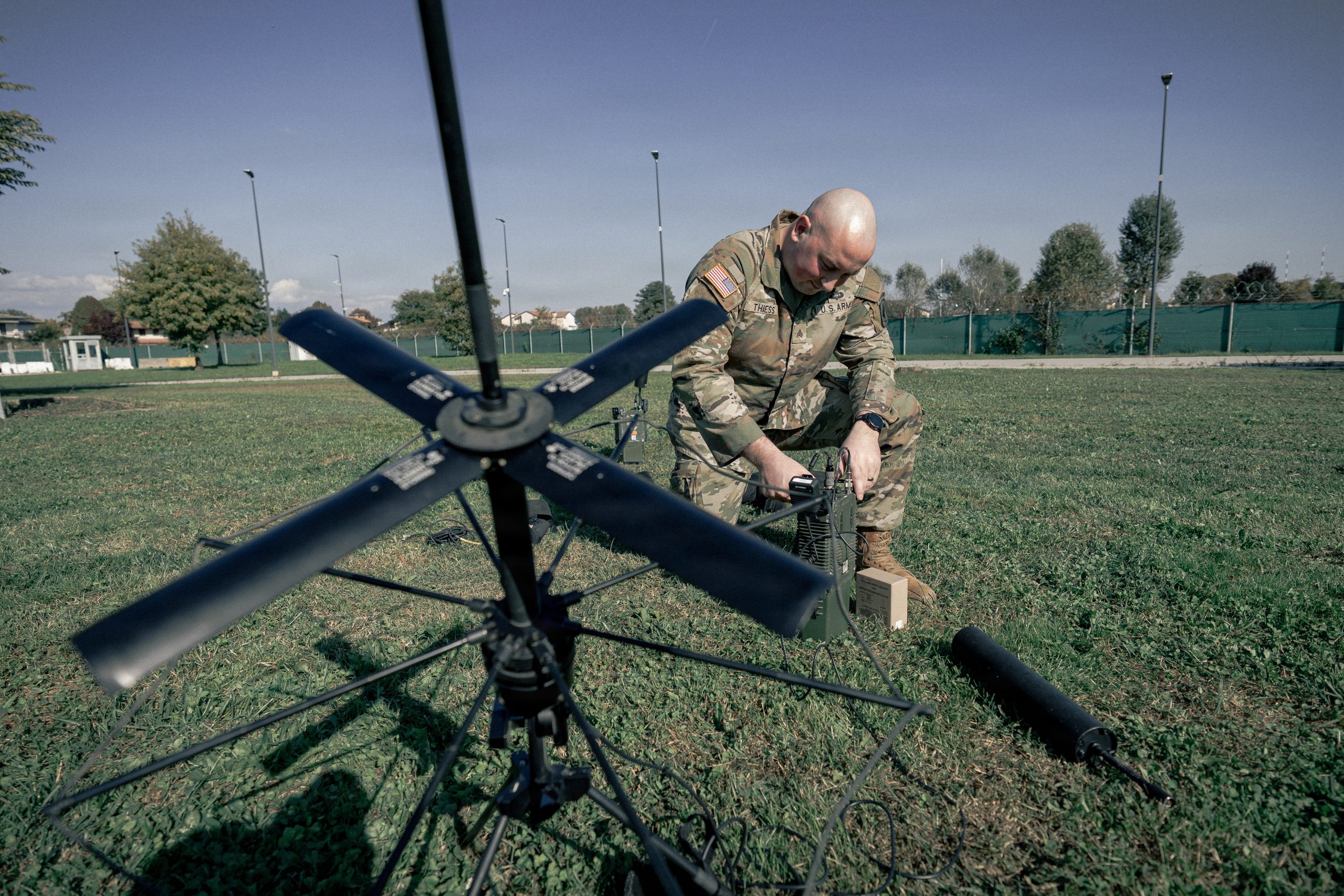
An Army soldier uses a portable UHF satellite antenna and a multichannel radio during a military exercise at Caserma Del Din and Caserma Ederle, Italy. Credit: U.S. Army
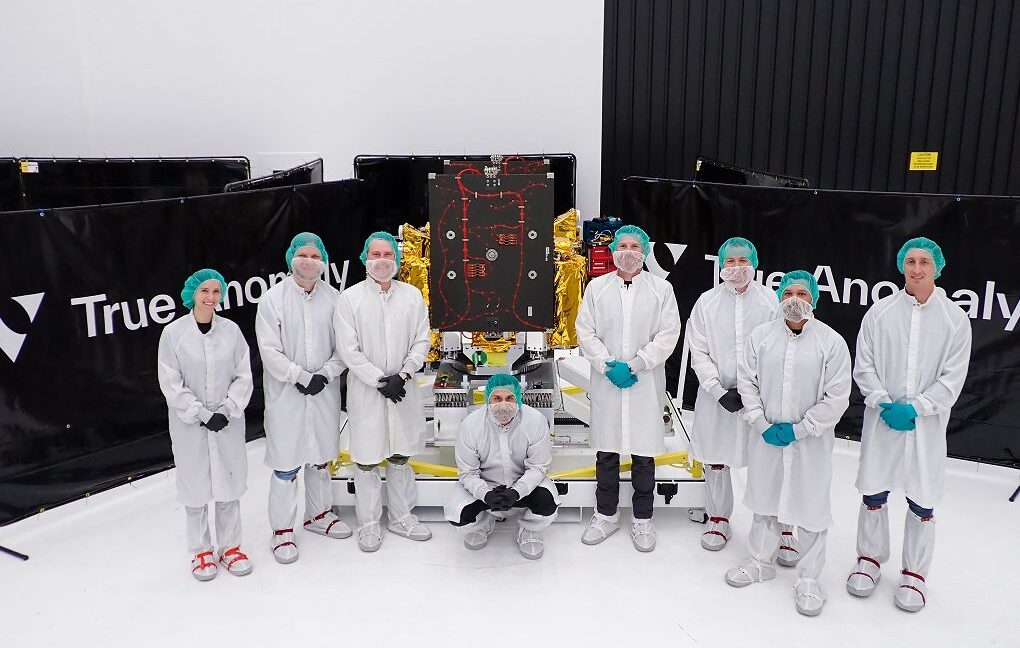
WASHINGTON — York Space Systems said June 24 that a satellite it built for the U.S. Space Force successfully demonstrated two-way tactical communications using ultra-high-frequency (UHF) links from low Earth orbit. This was part of an experiment to test whether communications now provided by geostationary satellites can be delivered from low orbit.
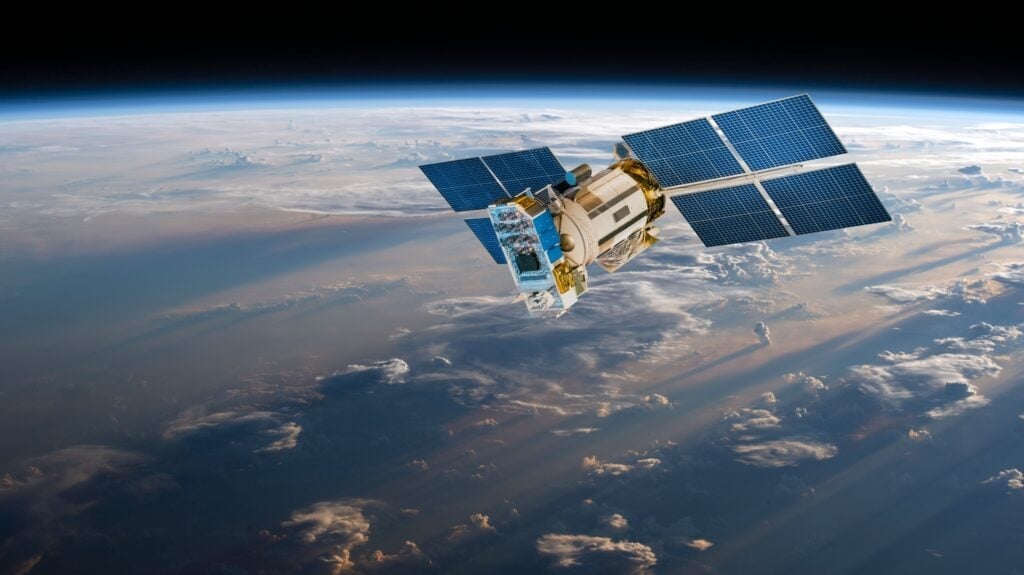
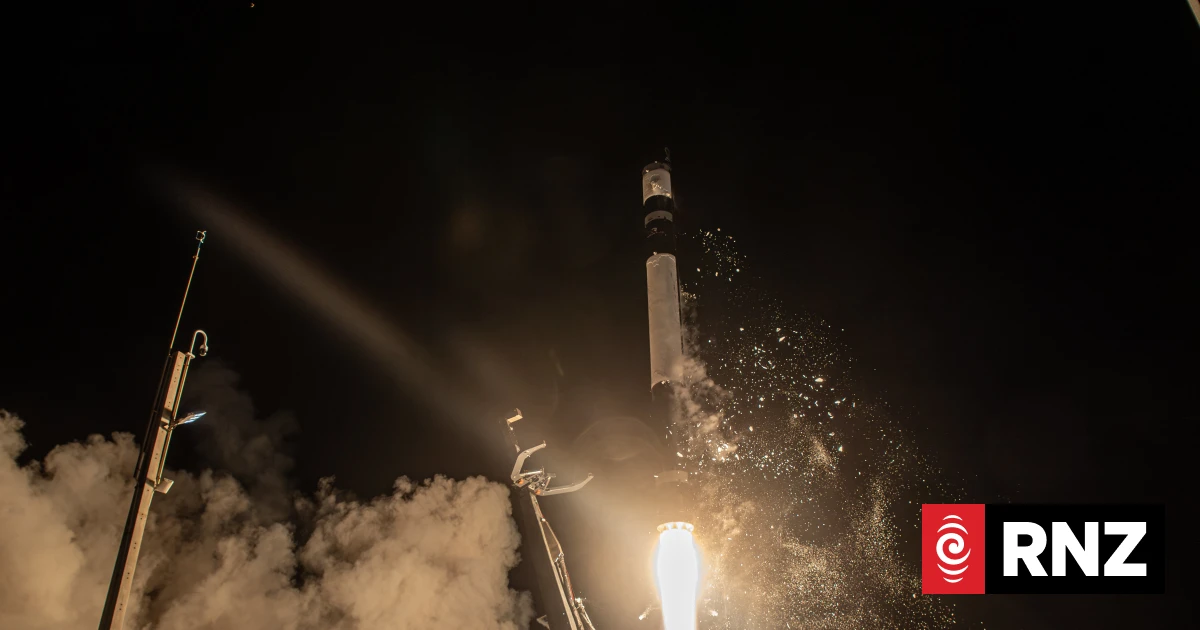
The spacecraft, known as Dragoon, was launched a year ago under a contract with the Space Development Agency (SDA), the Space Force organization developing the Proliferated Warfighter Space Architecture (PWSA), a planned network of satellites intended to support military communications and targeting.
York said Dragoon completed five successful demonstrations over a three-month period. The tests included three downlink demonstrations that validated the spacecraft’s ability to transmit data to a stationary government ground terminal and two uplink demonstrations that confirmed most data could be sent from the ground back to the satellite.
UHF communications support mobile users on land, at sea and in the air using relatively small antennas. The signals can penetrate environments with foliage or urban obstacles.