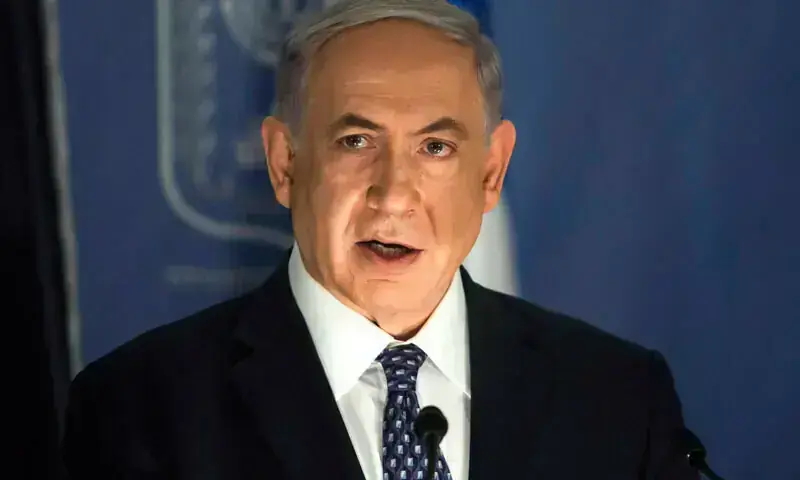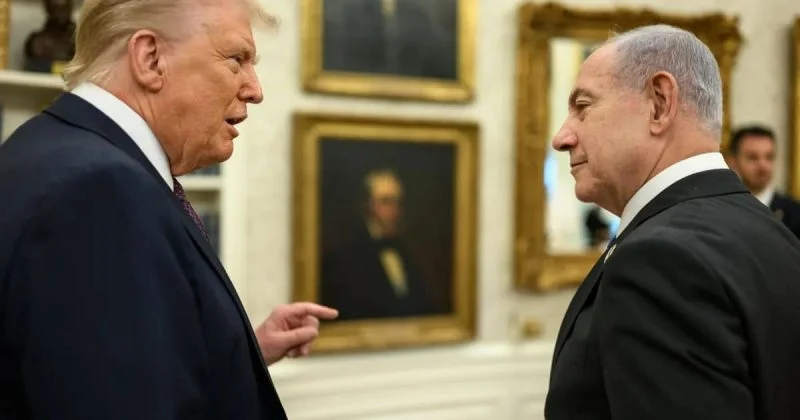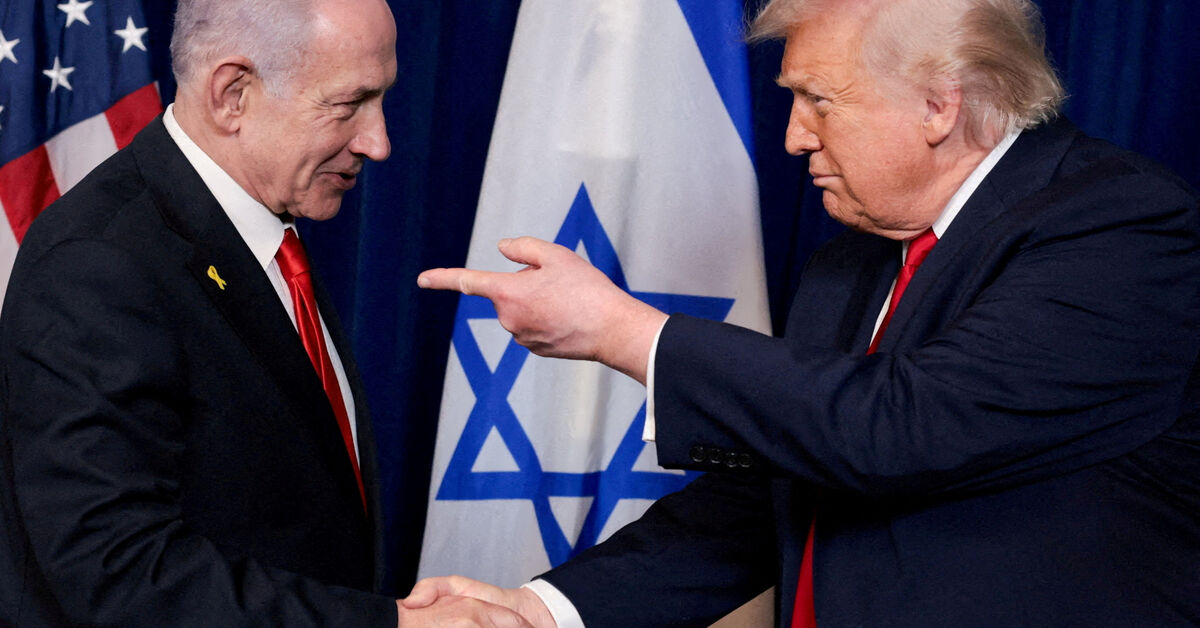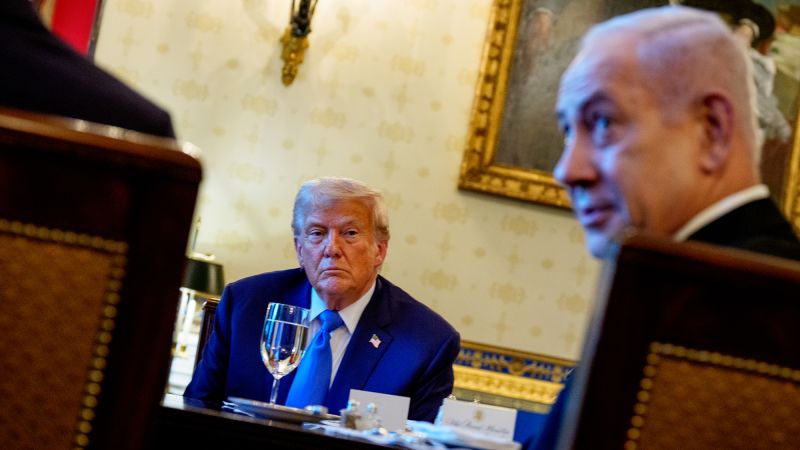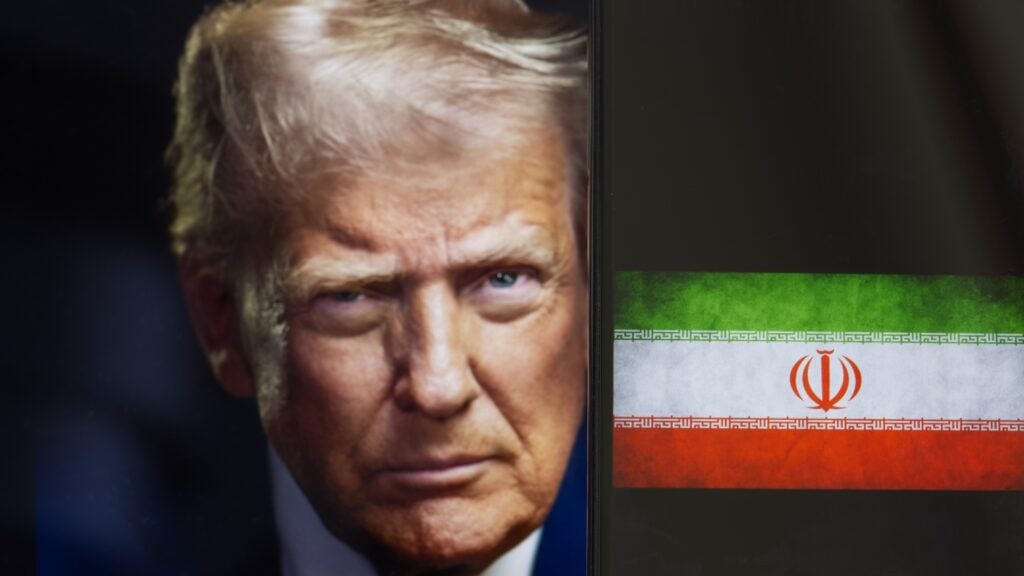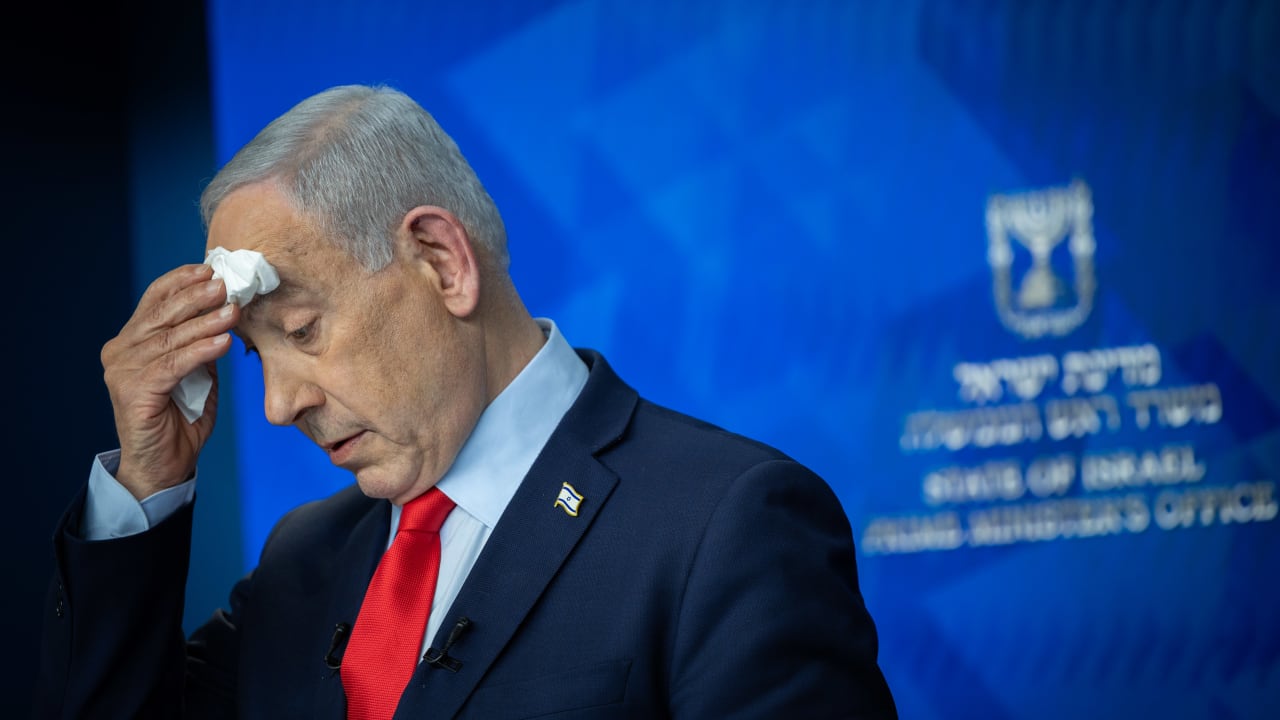
With elections approaching, the debate over Israel’s security doctrine and political future is more urgent than ever.Follow us on GoogleIsraeli Prime Minister Benjamin Netanyahu and Gal Hirsch, Coordinator for the Hostages and the Missing in the Prime Minister"s Office hold a press conferene at the Prime Minister's office in Jerursalem, January 27, 2026. (photo credit: NOAM REVKIN FENTON/POOL)ByODELIA KEDMIJUNE 24, 2026 16:00The Iran-US memorandum of understanding brings forth two major challenges for Israel.The first is the unprecedented linkage of Lebanon to the deal. Iran made a brilliant move on its part – one that Prime Minister Benjamin Netanyahu’s advisers should arguably have anticipated. Once Lebanon becomes part of such an equation, it opens the door for Gaza, Syria, and Judea and Samaria to be incorporated into future negotiations as well. Iran and its allies, Qatar among them, have identified an effective mechanism to weaken Israel, and they are unlikely to miss the opportunity to maximize it.This leads to the second issue.Israel is heading toward pivotal elections in about three months. The latest developments in Iran cast Netanyahu in a problematic light and threaten to overshadow his geopolitical achievements.Former prime minister Naftali Bennett speaks at the annual Cyber Week, at Tel Aviv University, December 9, 2025 (credit: AVSHALOM SASSONI/FLASH90)Netanyahu has enjoyed what seemed like an open invitation to the Oval Office. Every meeting reflected genuine personal chemistry between the two leaders, perhaps even a deeper connection. Persuading US President Donald Trump to carry out Operation Midnight Hammer was a phenomenal success on Bibi’s part.But now, is this close strategic partnership between the two allies over?Many Israelis fear this is the end of the golden age in US-Israel relations. This sentiment inevitably weakens Netanyahu’s standing even among parts of the right-wing electorate. While Netanyahu may not be directly responsible for this outcome, he is certainly accountable for navigating its consequences.Israel improves its security positionThat being said, it is important to remember that Israel’s security position today is significantly better than it was before October 7, or even just six months ago. The current deal does not erase the accomplishments, even if it leaves many with a profound sense of missed opportunity. Now is the time to make the most of what remains of the strategic opportunity created by the tragedy of October 7, to draw the necessary conclusions from the past three years – including the way the Iran front has unfolded – and to act decisively to transform Israel’s security doctrine along its borders before it is too late. Here, the window of opportunity has not yet been sealed.This is the task facing Netanyahu at this moment, and it is what the coming elections are all about.The right-wing camp largely believes that Netanyahu is still capable of delivering the necessary results. It’s hard to picture any other Israeli political figure in his enormous shoes.What is certain is that any government led by the political Left or Center would have to rely on the support of Arab parties, which would mean laying the groundwork for Israel’s next catastrophe, just as occurred during the Bennett-Lapid government. A deceptive calm is a dangerous calm.It would also be profoundly irresponsible to gamble on political opportunists marketed as the next great hope for the Right, such as Ofer Winter or Gadi Eisenkot. Or to be misled by familiar figures who merely rebrand themselves as conservatives like Naftali Bennett and Benny Gantz. Israel’s enemies are watching closely, studying our weaknesses, and preparing for the next October 7.The Iran chapter may be over for now. But the focus must shift back to the local existential threats that remain – both along Israel’s borders and within, which is precisely why the Right must stay in power for the next four years. The alternative is nothing short of a disaster.The writer is an activist and a member of the Zichron Ya’acov local council. Follow us on Google
The Iran deal raises new risks for Israel, Benjamin Netanyahu | The Jerusalem Post
With elections approaching, the debate over Israel’s security doctrine and political future is more urgent than ever.
647 words~3 min read