Reading Time: 5 minutesBOGOTÁ—Africa feels distant from a Latin American and Caribbean perspective. Media coverage is sporadic, diplomatic channels are frail, and transportation connectivity is almost non-existent. Africa, however, is steadily increasing its presence and political clout, a trend that demands our attention.
Together, the regions have more than two billion people, more than a third of the world’s freshwater resources, and the two largest rainforests on Earth. They also hold significant reserves of the critical minerals on which the global energy transition depends. While their cultural connections are as strong as ever, both regions have, until now, failed to interact more closely.
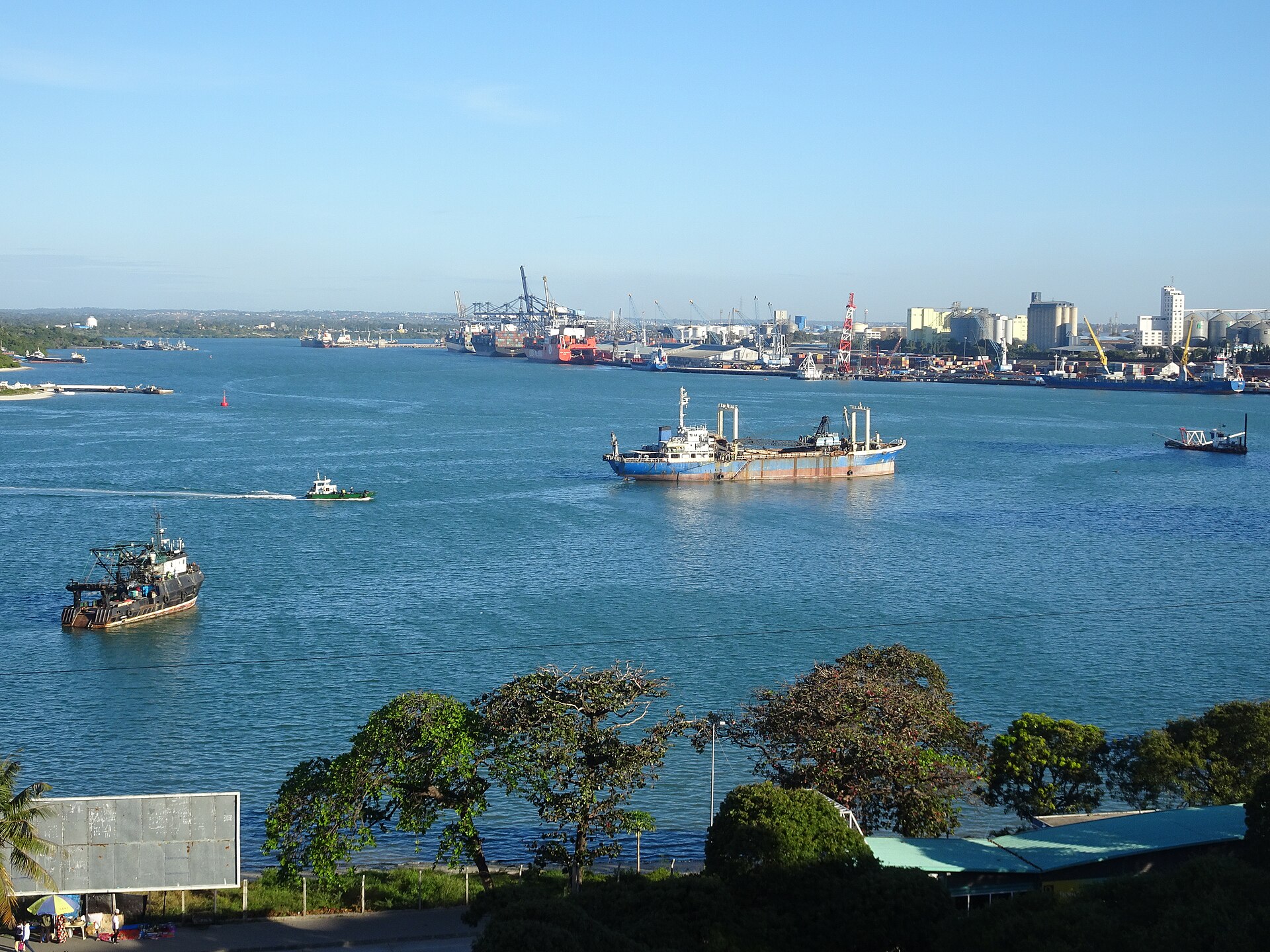
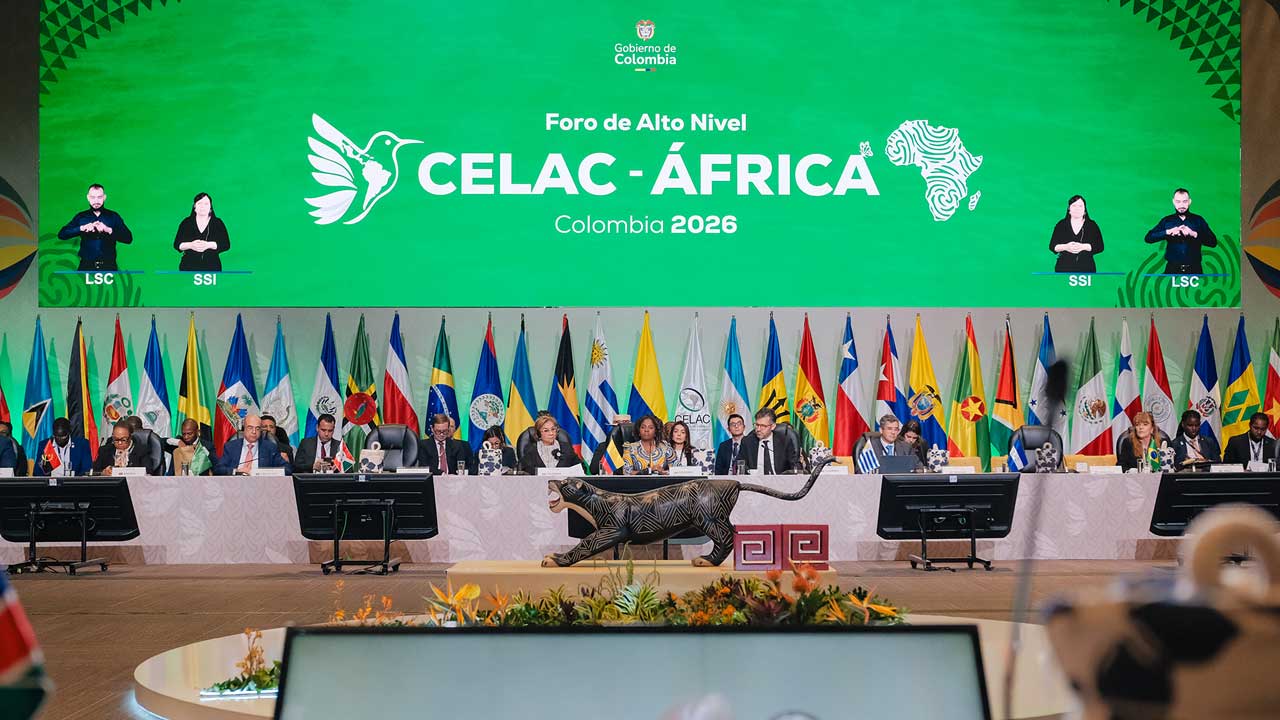
In Bogotá this March, the regions held a landmark conference aimed at pushing forward a more ambitious cooperation agenda, the first-ever ministerial-level meeting between the Community of Latin American and Caribbean States (CELAC) and Africa. Following the High-Level Forum, Ghana and Colombia agreed to establish a direct shipping route between the ports of Tema and Cartagena, bypassing the European hubs that have long added cost and time to transatlantic South-South trade.
This is not the regions’ first attempt to build closer ties, but this time around, cooperation may be longer lasting. Today’s weak multilateral order is pushing countries across the globe to think strategically, and outside the box, about their economic and political partnerships.