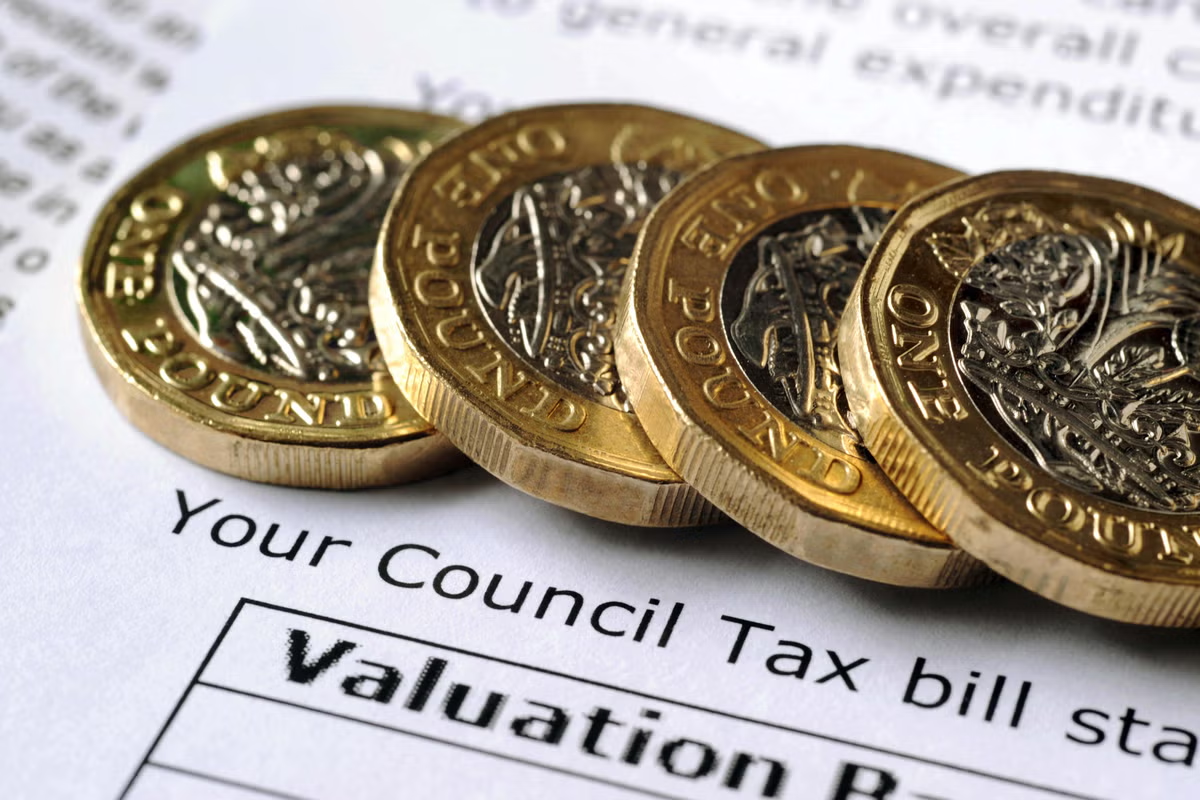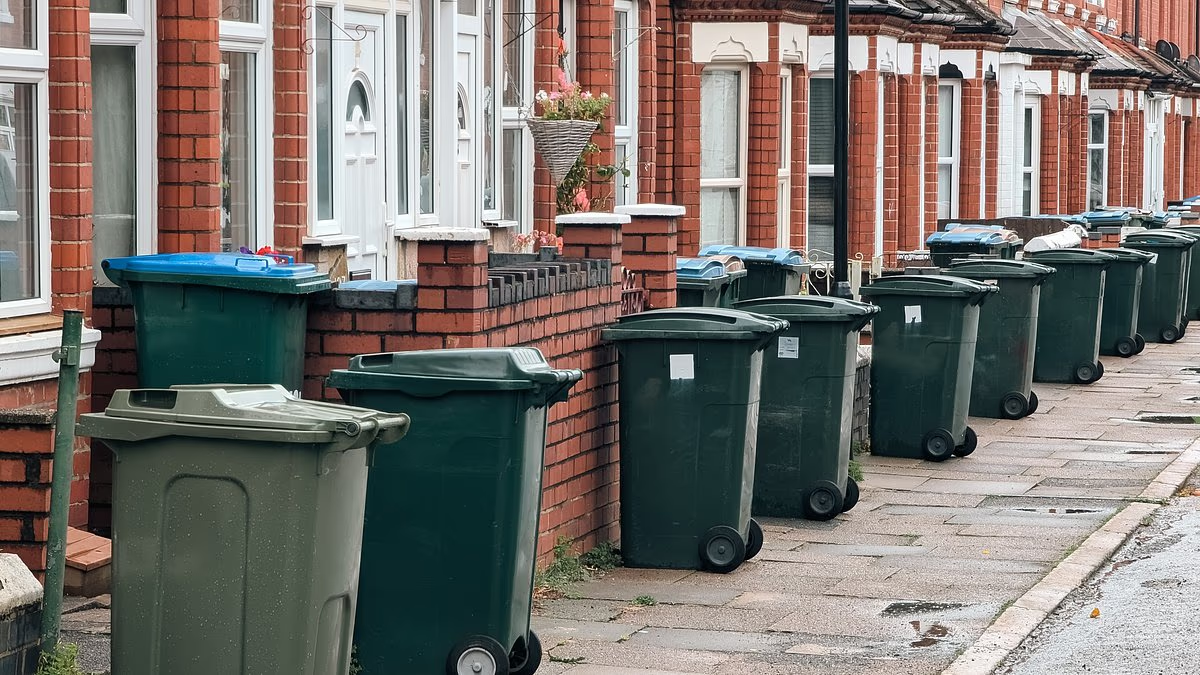
The council tax arrears total across Britain has reached £9.3billion, data shows.In the past year, council tax arrears levels rose by £1billion or 12 per cent. In the past five years council tax arrears have surged by 65 per cent. Data published by the Ministry of Housing, Communities and Local Government today showed that council tax arrears in England have reached £7.4billion. Recent figures from the Scottish and Welsh governments put council tax arrears at £1.6billion and £320million respectively. 'Successive governments have buried their heads in the sand over a crisis in council tax, but record levels of arrears means they can no longer ignore it', Toby Murray, policy and campaigns manager at Debt Justice, said. He added: 'People aren't avoiding council tax, they simply can't afford it.' Millions of households in England faced an average council tax bill hike of 4.9 per cent from 1 April. The jump outpaced inflation and added to cost-of-living pressures. Yet household complaints about sparse council services, such as bin collections and pothole filling, keep increasing too. Rising: The council tax arrears total across Britain has reached £9.3bnWales has seen the largest increase in council tax arrears, with an increase of 103 per cent in the past five years and up from £157million in 2020.During the past five years, council tax arrears across England and Scotland have jumped by 67 per cent and 52 per cent respectively. Council tax has increased at above inflation rates in England and Wales. According to campaign organisation Debt Justice, in the current financial year someone with a Band D property pays £2,392 for council tax in England a year and £2,283 in Wales. This represents an increase of 52 per cent and 66 per cent respectively since 2016/17. Over the same timeframe the consumer prices index increased by 42 per cent, meaning households are paying hundreds of pounds more than if council tax had risen in line with inflation. Jo Barker-Marsh, a member of the Debt Justice Greater Manchester Organising Group, said: 'When we're talking about billions in arrears, we have to question whether council tax is a fair or appropriate tax.' She added: 'I remember the horrible, churning, daily fear I faced in council tax debt. Politicians need to listen. At the moment we’re being attacked from every side, asked for money that we just don’t have. 'No amount of bailiffs, no amount of court dates is going to make people pay money they don’t have. This is just survival, and it’s a dreadful state of affairs.'The latest government data showed that £2.2billion of council tax levied in England during the financial year to the end of March went unpaid.But £43billion of what was levied during the year was collected, marking a collection rate of 95.6 per cent, according to the MHCLG. According to GMB Union, at least 1.5million people were taken to court over unpaid council tax debt last year. What can struggling households do?In extreme cases, non-payment of council tax can lead to a prison sentence, though this is rare. A number of council tax discounts and support measures are available. Some policies vary depending on where people live. Single-person households can get 25 per cent off their council tax bill, while full-time students are fully exempt from council tax. People with disabilities can also apply to move to a different council tax band with a lower bill. Help to pay for those on low incomes through council tax support is available, though this requires an application. Many councils also offer a council tax reduction or exemption for households in which someone is terminally ill. The diagnosis will need to be evidenced. Carers may also be able to get a council tax reduction in some cases. Some councils also offer council tax discounts for other groups, such as Ukrainian nationals living in Britain. Changes in the pipeline In April, the government published plans to change the collection system for council tax in England. This included a proposed change to payment over 12 months rather than the current 10 instalments.Under the proposals, people struggling to pay would be given 63 days, or around two months, to settle their bill.There would also be a requirement for councils to work with them on a sustainable repayment plan. Many councils have demanded the full year's payment after people missed one month's bill. The changes could be introduced next year.
Council tax debt reaches over £9bn across Britain
Millions of households faced higher council tax bills from April this year and new data shows arrears are on the up.
734 words~3 min read