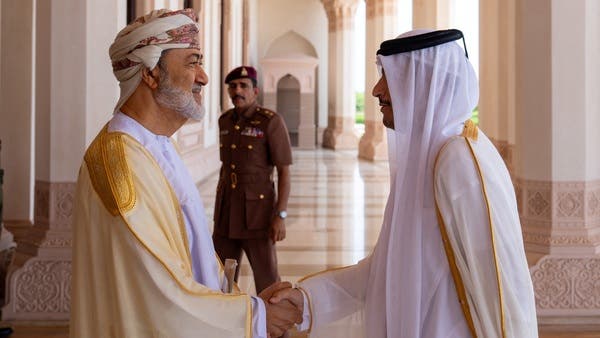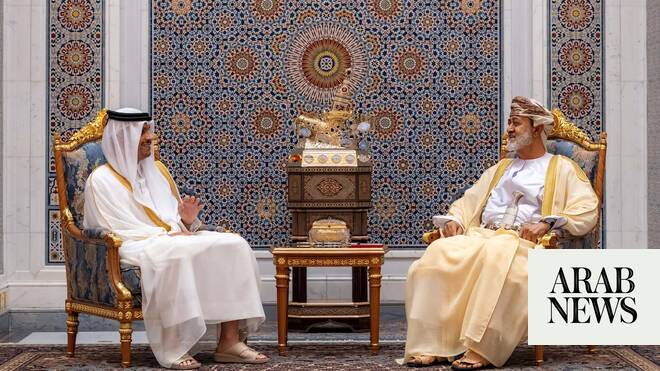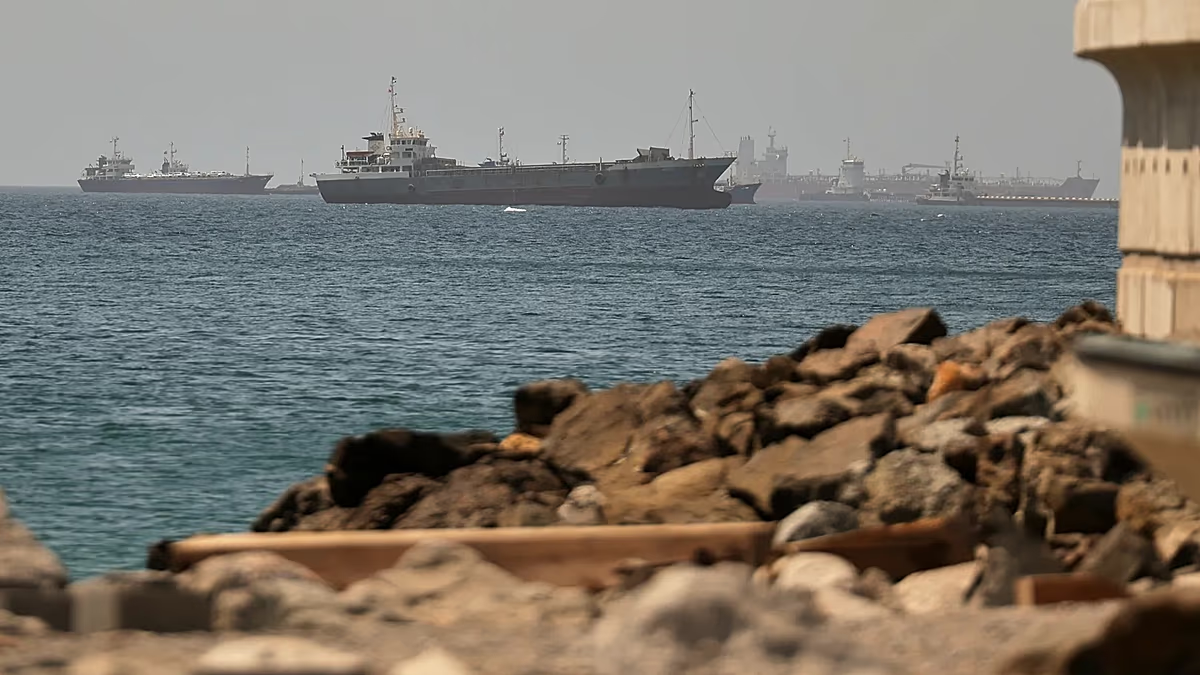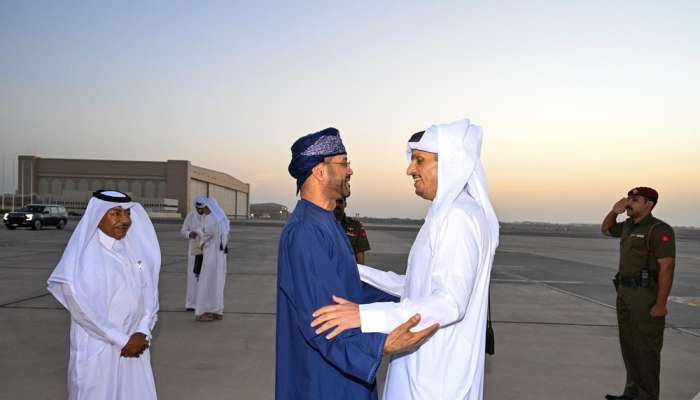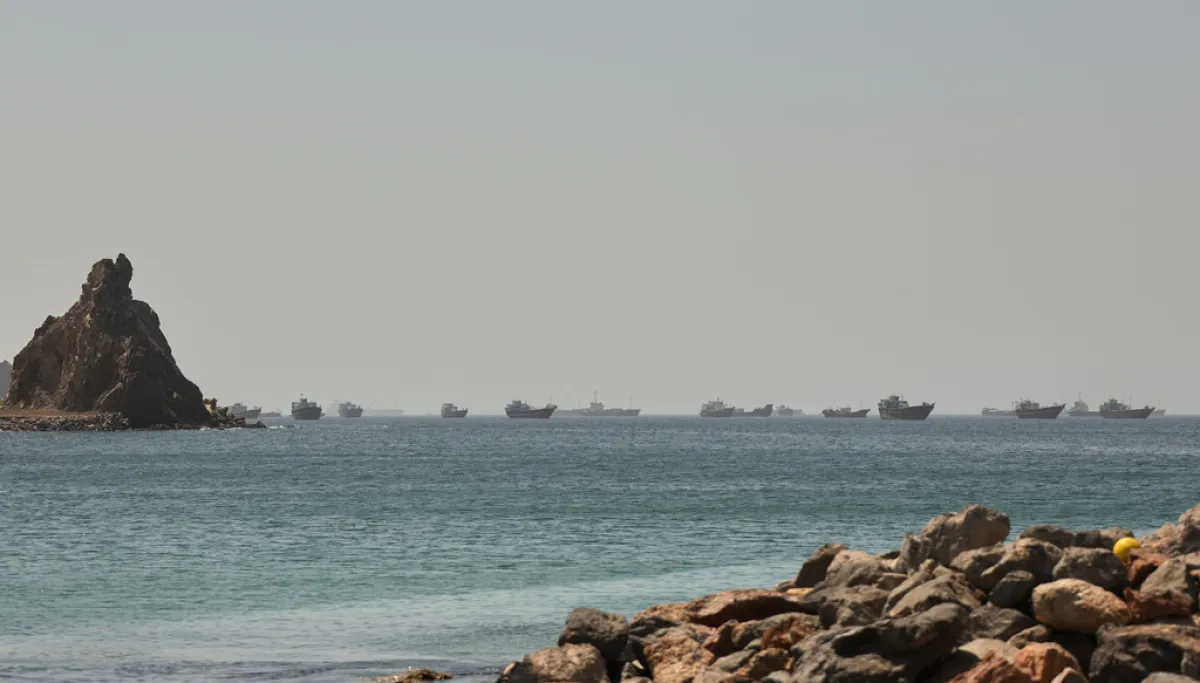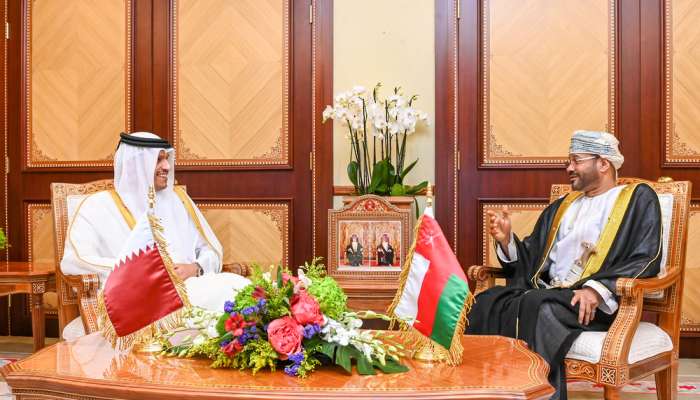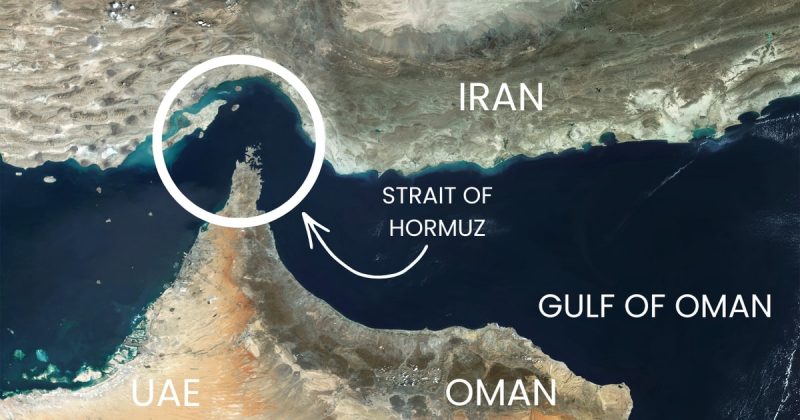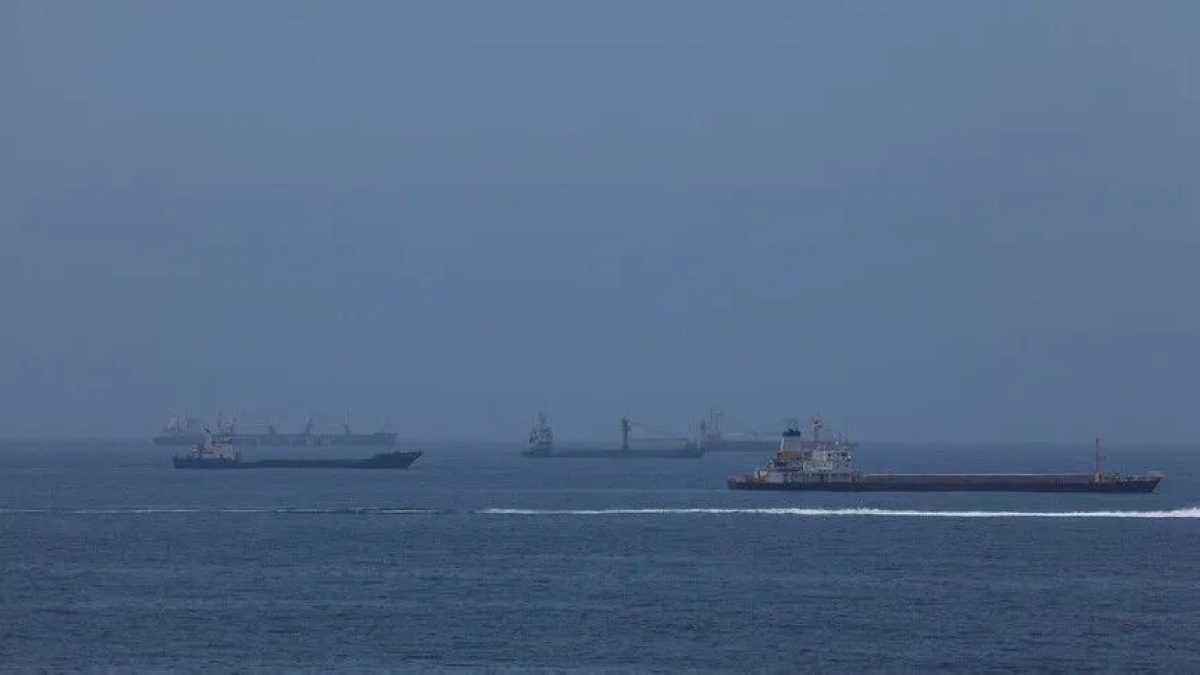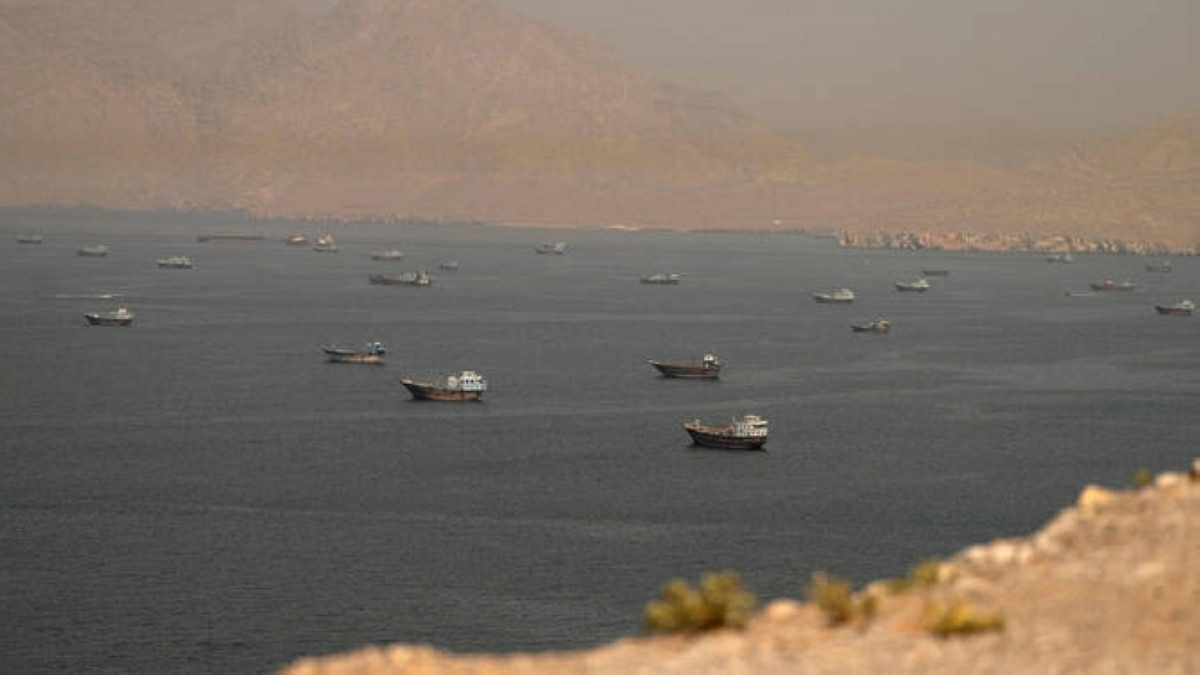
MUSCAT — Qatari Prime Minister Sheikh Mohammed bin Abdulrahman al-Thani visited Muscat on Wednesday for talks with Oman on initiating negotiations involving Iran, Iraq and Gulf Arab states on the Strait of Hormuz, Reuters reported citinga diplomat briefed on the talks.The discussions are separate from US-Iran peace talks and de-mining arrangements. Gulf states are expected to push for no transit fees, while Iran could propose environmental, navigation and security fees, the diplomat said.The Strait of Hormuz, a vital route for roughly a fifth of global oil and liquefied natural gas supplies, has been heavily disrupted since the United States and Israel launched a war against Iran on February 28, curbing commercial shipping and rattling global energy markets.The move appears to implement a provision of the memorandum of understanding signed last week that calls for Iran to hold talks with Oman and other Gulf states and Iraq on the future management of navigation and maritime services in the strait.The diplomat added that Pakistan was the proposed mediator for these talks.Separately, there are plans for regional reconciliation talks to be held in Riyadh between Iran, Gulf Arab states and possibly other regional countries, he said.Meanwhile, the UN's International Maritime Organization (IMO) is set to evacuate more than 11,000 sailors who have been stranded in the Gulf because of the US-Israel war against Iran.IMO secretary-general Arsenio Dominguez said the "large-scale operation" would be carried out in cooperation with Iran, Oman, the US, other coastal states in the region and the maritime industry."We have secured the necessary safety guarantees and have thoroughly verified the conditions for safe navigation to support these operations," he added.Earlier on Wednesday, Oman announced two temporary routes north and south of the existing shipping lane in the strait to facilitate the safe passage of vessels departing the region in coordination with the IMO.Under a phased plan developed by the IMO in coordination with Omani authorities, vessels will be grouped and contacted individually with instructions on when they may depart and which route they should follow.Oman said shipowners and masters remained responsible for conducting independent risk assessments before voyages. Vessels were instructed to keep their Automatic Identification System activated during transit and to report any navigational hazards to the Oman Maritime Security Centre.Oman's statement said that no tolls would be imposed on vessels transiting the Strait of Hormuz, in line with the outcome of recent talks between the United States and Iran.In a notice to mariners, Oman said the existing Traffic Separation Scheme in the strategic waterway was currently unsafe for use and that vessels departing through the strait could instead use temporary routes located to the north and south of the existing shipping lanes.The scheme, adopted by the United Nations’ shipping agency in 1968, established routing lanes through Iranian and Omani waters in the strait.
Qatar PM in Oman to pave way for Iran-Gulf talks on Strait of Hormuz
Qatari Prime Minister Sheikh Mohammed bin Abdulrahman al-Thani visited Muscat on Wednesday for talks with Oman on initiating negotiations involving Iran, Iraq and Gulf Arab states on the Strait of Hormuz.
465 words~2 min read