Show Caption
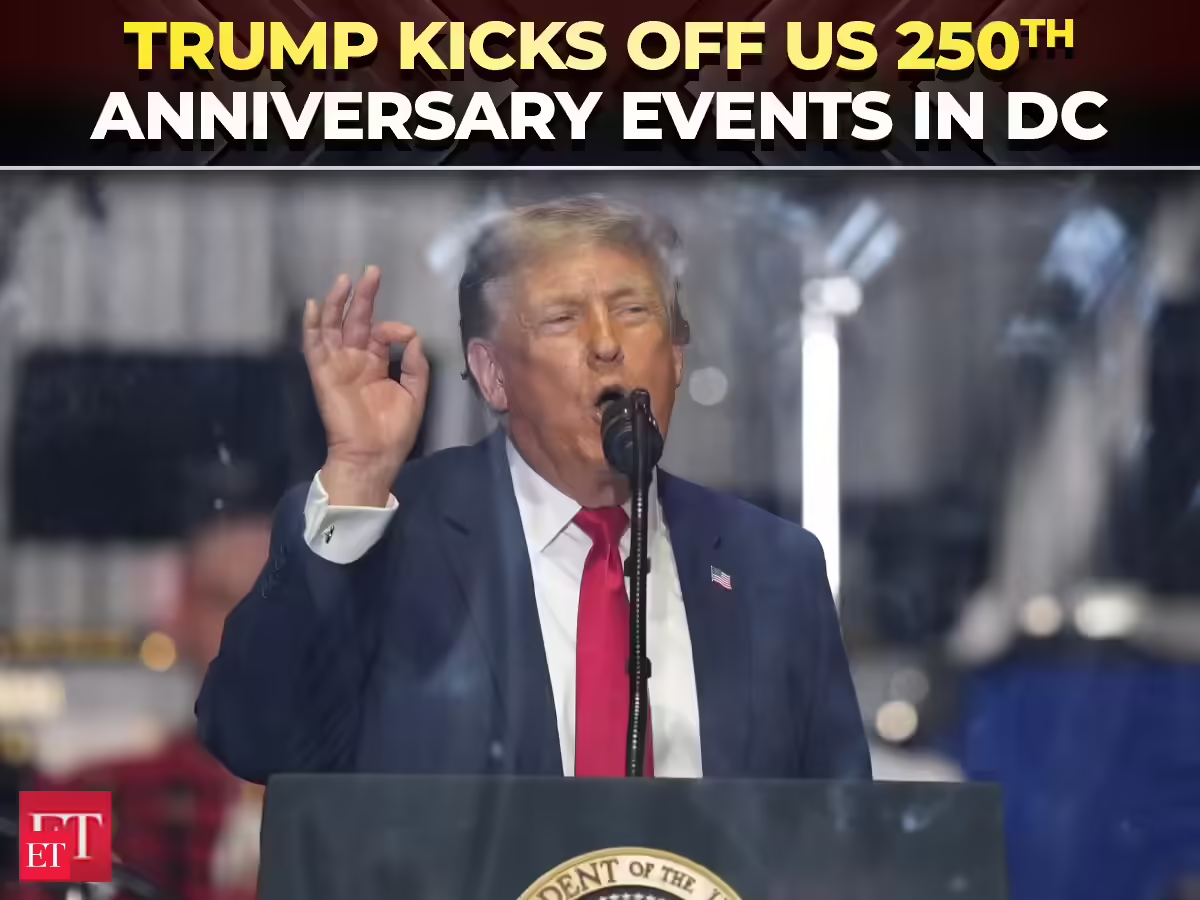
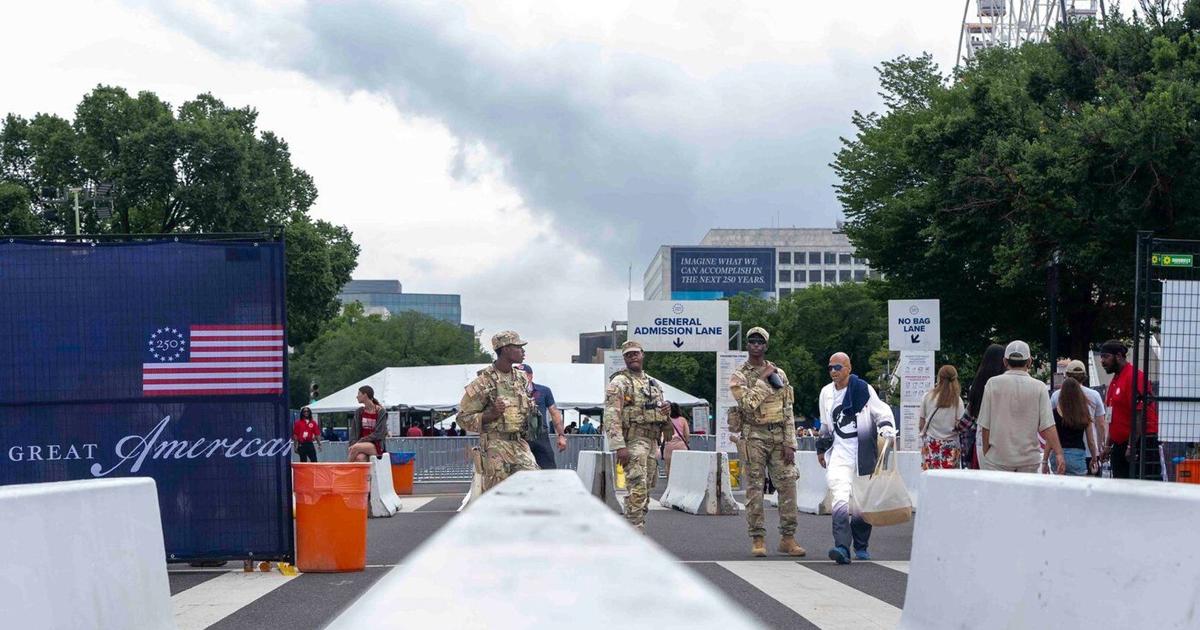
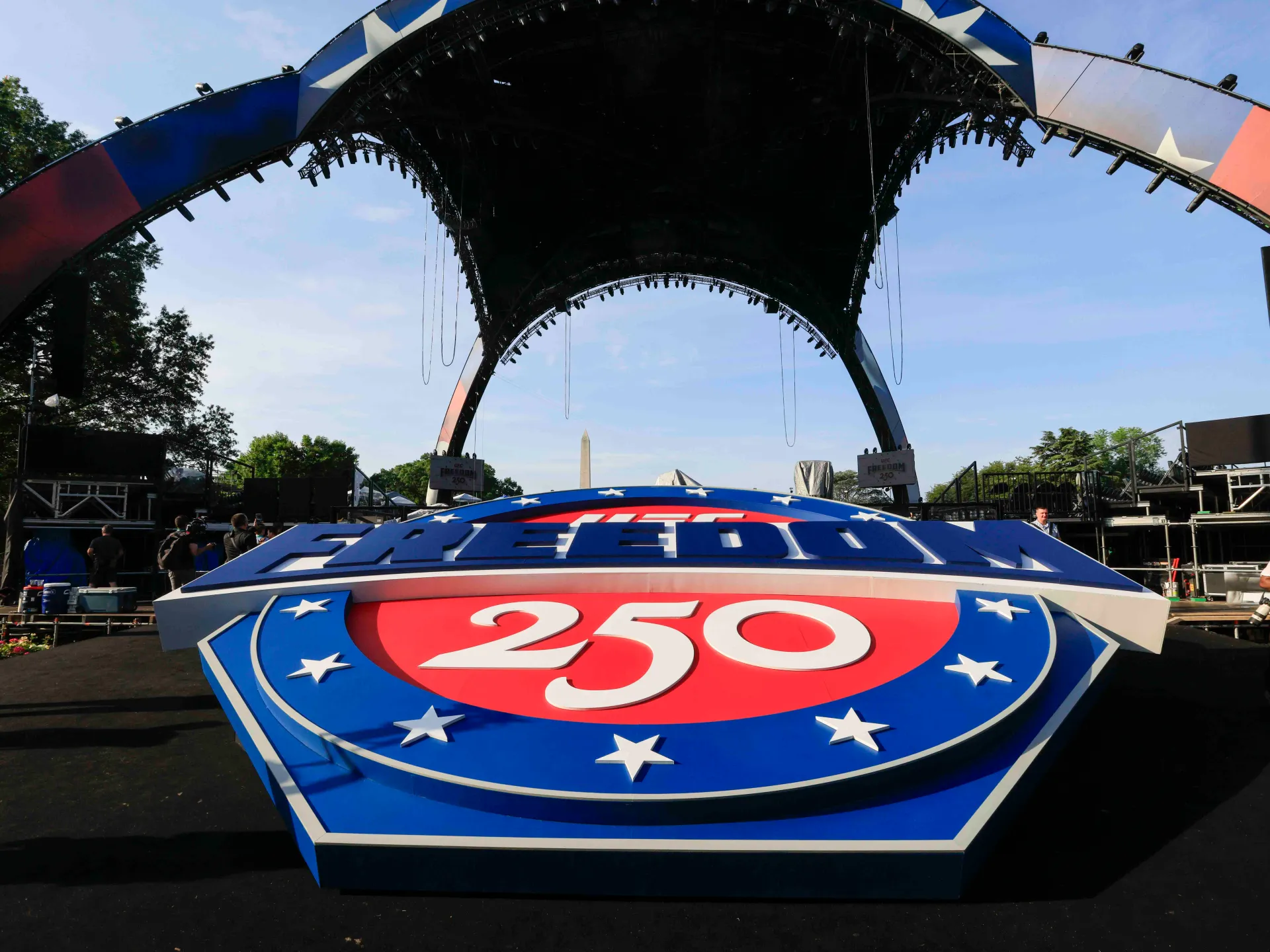
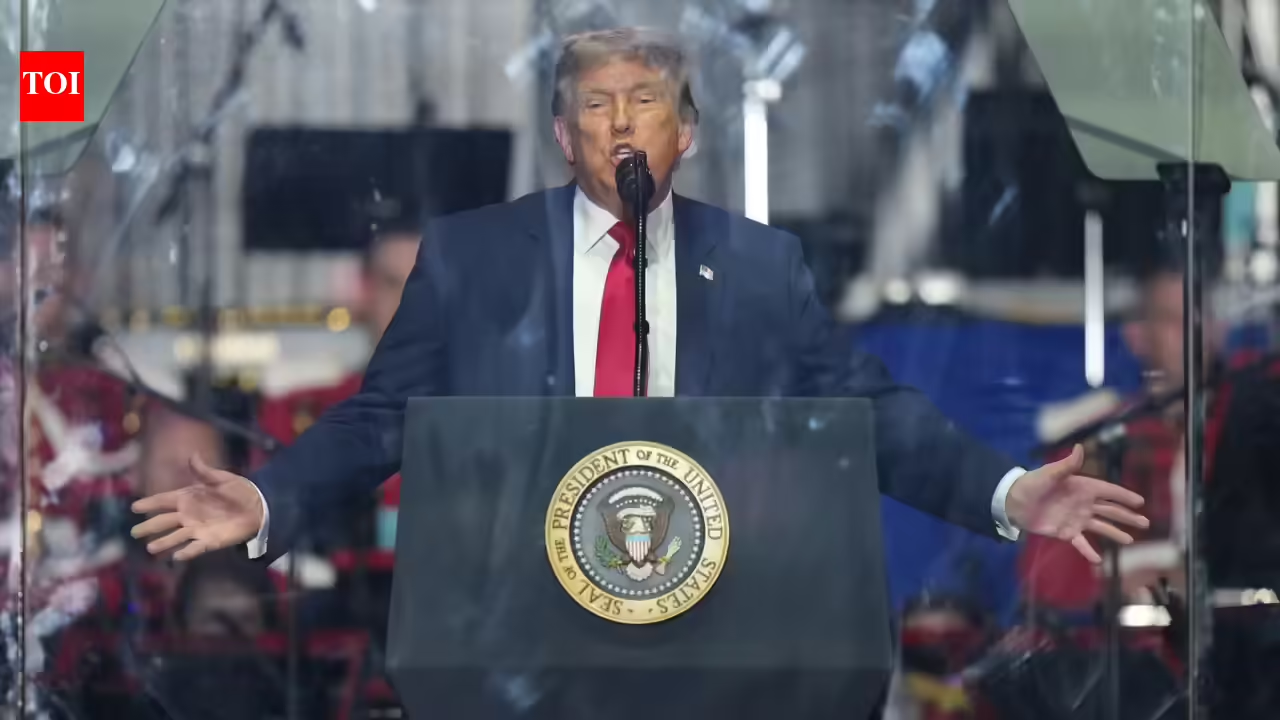
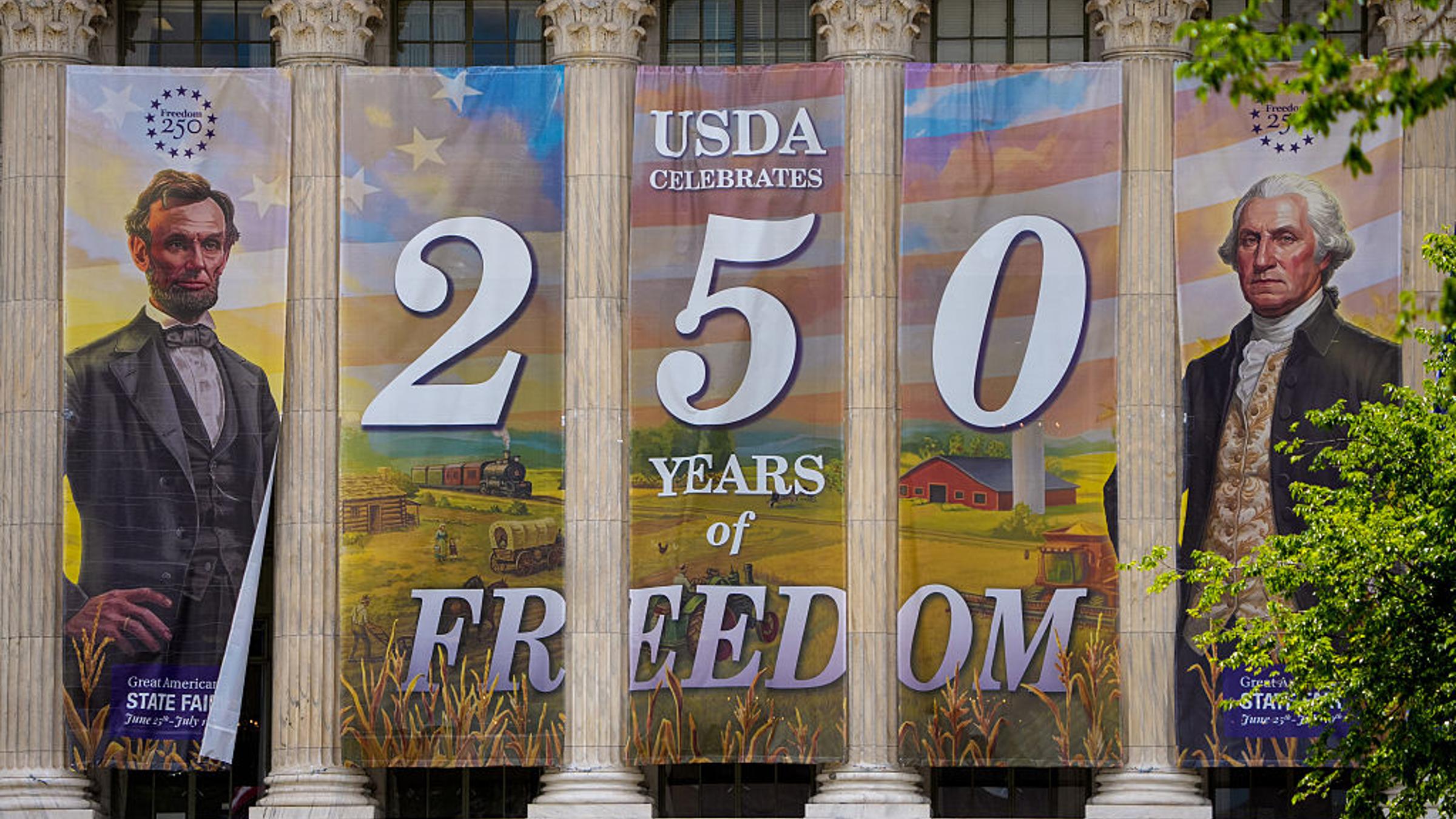
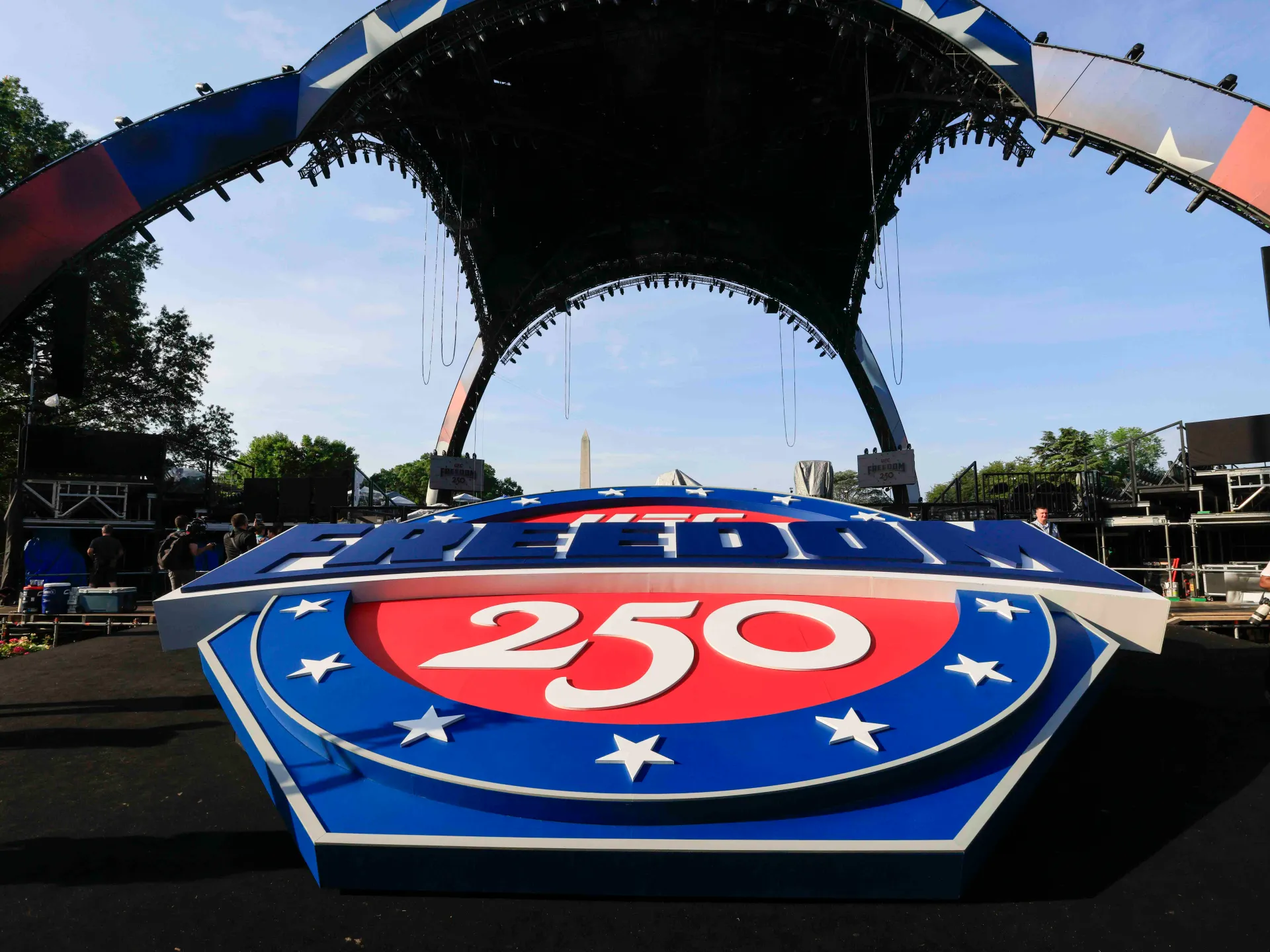
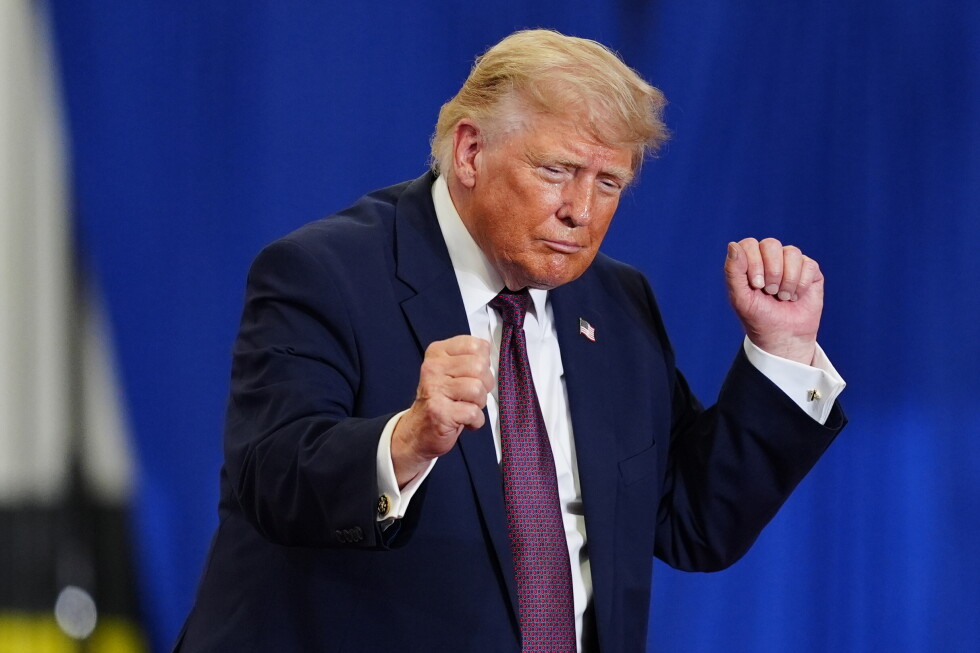
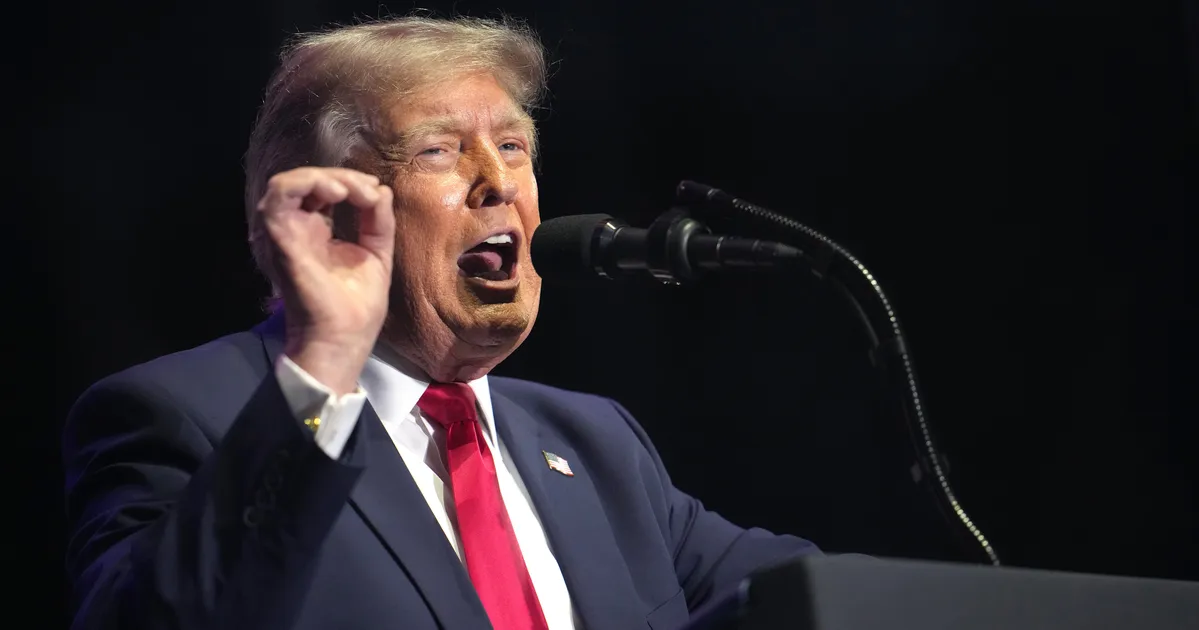
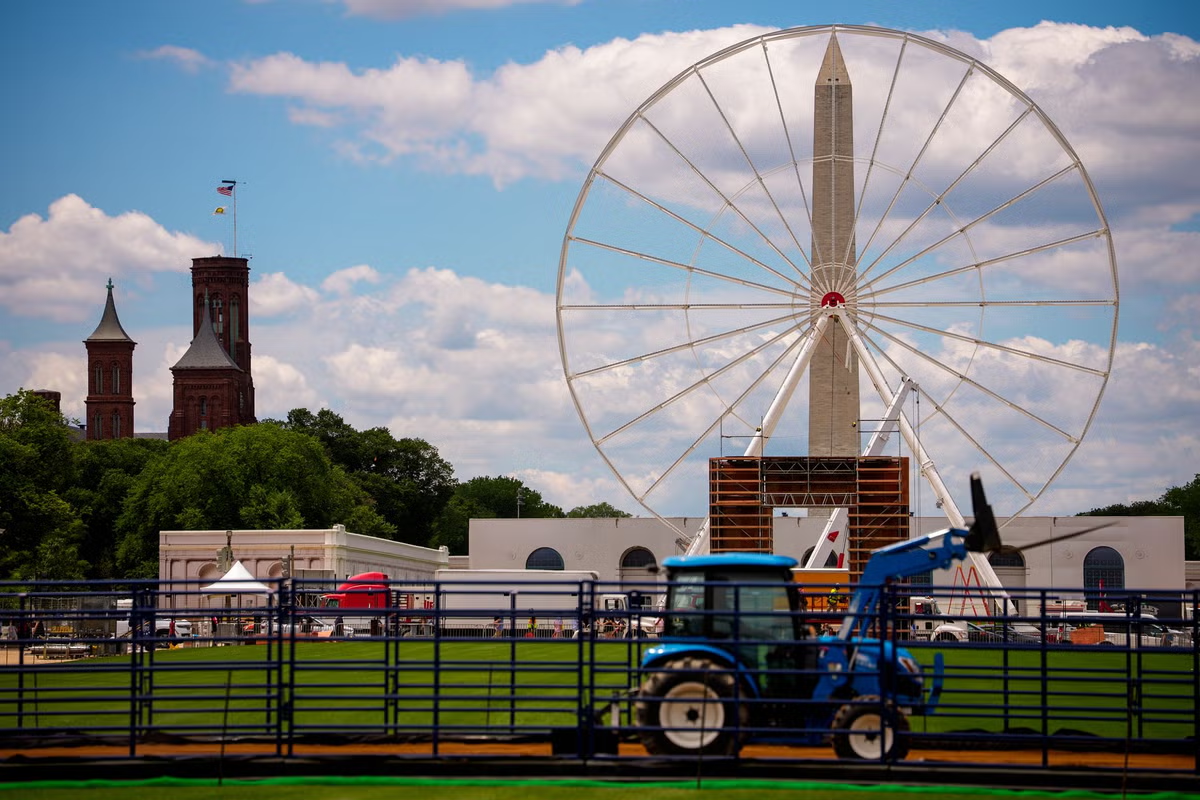
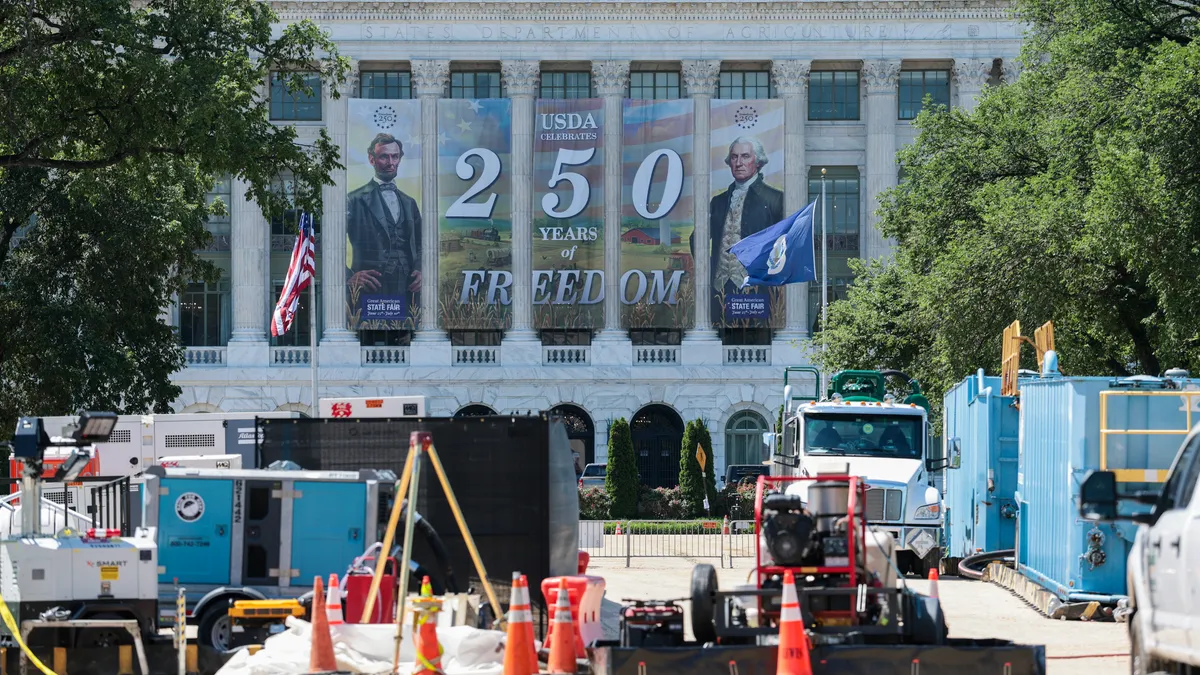
WASHINGTON – The Great American State Fair kickoff featuring President Donald Trump on June 24 will see extra security as part of a big boost to protect Trump-backed Freedom 250 events in the nation's capital.Federal authorities say security threats against the festivities are more than theoretical. The rally comes less than two weeks after authorities say they stopped an elaborate plot against the June 14 Ultimate Fighting Championship event at the White House involving drones and explosives.Public safety experts as well as current and former federal officers told USA TODAY they have confidence in the agencies involved in securing the upcoming celebrations, as they are well-versed in high-profile events like presidential inaugurations.“This is nothing new for DC,” said Donald Lane, a former U.S. Secret Service agent. But Lane and others noted there’s been an uptick in attacks in Washington, including a shooting outside the White House in May and a shooting at the White House Correspondents’ dinner in April.Trump’s attendance at the events, which the president publicly announced in the last four weeks, has upped the stakes and the risks − especially for the U.S. Secret Service, which is in charge of protecting him.“These are events that have been known by the Secret Service for a long while. So, they've had a good runway in terms of preparation,” said Juliette Kayyem, a former assistant Homeland Security secretary in the Obama administration.“What they weren't prepared for was the political overlay that Trump has inserted into what was supposed to be apolitical,” she said. “And given our times, a political event creates a heightened risk environment. And that's a surprise variable – and the Secret Service doesn't like surprises.”Alleged plot highlights security risksProsecutors allege the UFC plot suspects planned to use drones and multiple gunmen to “kill” top officials at the event commemorating the nation’s founding, which was attended by Trump, several Cabinet members and celebrities.But while FBI Director Kash Patel said the plot was stopped "cold," it’s prompted concern as Washington gears up for a series of high-profile events celebrating the nation’s 250th anniversary, including the rally hosted by Trump on June 24.Other upcoming events include a keynote address from Trump on July 4 and what's forecast to be the largest fireworks show in American history. In August, Washington, DC will also host a first-of-its-kind IndyCar race through the capital.The events are expected to draw hundreds of thousands to the city over the next two months, officials estimate.The U.S. Secret Service, which is in charge of security measures for some of the upcoming events, did not comment specifically on whether it has made changes in light of the alleged plot, citing security sensitivities."The U.S. Secret Service constantly maintains a state of heightened security and operational readiness at our protective sites in Washington, DC," Nate Herring, a Secret Service spokesperson, said in a statement. "We continue to coordinate closely with our law enforcement partners as we prepare for several major events in DC this summer."High-level designation, snipers, anti-drone techThe July 4 celebration on the National Mall has been designated a "National Special Security Event," which means the Department of Homeland Security has identified it as a “potential target for terrorism or other criminal activity.”Such designations are typically invoked for major events like presidential inaugurations or summits of world leaders and trigger a massive federal security response. The other Trump-backed Freedom 250 events, including the June 24 rally, are top priorities for federal law enforcement agencies but did not receive the extra designation.The FBI is the lead law enforcement agency responsible for handling terrorist threats and intelligence targeting the summer events, Darren Cox, an assistant FBI director who is in charge of the FBI's Washington field office, said at a security briefing on June 2.The U.S. Secret Service, meanwhile, is responsible for designing, coordinating and implementing all operational security measures – everything from control of protective details for VIPs like Trump to airspace security and credentialing of guests, Tara McLeese, special agent in charge of the Secret Service’s Washington Field Office, said at the same security briefing.Other agencies involved in securing the summer festivities include the U.S. Capitol Police, the U.S. Park Police, the Metropolitan Police Department and the Department of Homeland Security.The FBI will bring SWAT officers, crisis negotiators, evidence response teams, bomb technicians and anti-drone systems, Cox said. Ahead of the events, federal agents will work to scrape the web to identify and verify potential threats online, he added.The U.S. Park Police will provide horse-mounted patrolmen, and the agency’s chief Scott Brecht said sniper teams will be placed in “strategic locations” throughout the capital.“They will be the eyes of the events,” Brecht said, “not only providing threat mitigation but real time crowd information.”National Guard soldiers and airmen will be tasked with crowd control, traffic management and security patrols, according to Brig. Gen. Leland D. Blanchard, the commanding general of the DC National Guard.“At this time, we are not tracking any credible threats to the events of this summer,” Cox said at a June 2 security briefing. “With that being said it comes as no surprise to anyone that DC on a normal day is a target rich environment, and we are prepared for any threats.”Cox made his comments before prosecutors announced the plot targeting the UFC event at the White House. The FBI did not immediately respond to questions about whether its security posture has changed in the wake of the thwarted attack.The 'new normal'The threats facing high-profile events in 2026 differ from those held in recent decades as technology has quickly evolved, experts said, leaving law enforcement agencies working to catch up.One of the increasingly concerning threats is drones, which can be piloted remotely and are difficult to disable.The suspects accused of plotting an attack on the UFC fight at the White House allegedly planned to deploy drones armed with explosives around the event, forcing the crowd to evacuate before they would be targeted by sniper fire, court records said. In June, authorities in Seattle and Dallas made arrests for suspected illegal drone activity near World Cup matches.Secret Service and FBI officials in recent weeks reminded people not to bring remote-controlled aircraft to the events on the National Mall, as the area is considered a “No Drone Zone.” Cox said unauthorized drone flights can result in the seizure of drones, the arrest of their operators – and civil penalties up to $100,000.At the upcoming events, the FBI and Secret Service will deploy what’s known as “counter unmanned aircraft systems or counter UAS,” designed to neutralize drones, according to Cox and two federal law enforcement officials who spoke to USA TODAY on the condition of anonymity to discuss sensitive and ongoing security operations.Other threats against such large events include a potential vehicle-ramming attack or a mass shooting. Public safety experts said these threats are mitigated by a heavy police presence, security checkpoints and barriers placed away from the event.The Secret Service has said this year’s fireworks display will be more heavily guarded than any in recent history. Trump is expected to deliver remarks, and the event coincides with the Great American State Fair and a FIFA World Cup watch party on the National Mall.Those wishing to attend the events will need to pass through magnetometers and bag-checks, officials said. Checkpoints may be a nuisance but they are essential to stopping potential shooters from infiltrating an event, said Scott Duffey, a former FBI agent and co-director of the Criminal Justice Institute at Wilmington University in Delaware.He pointed to the security checkpoint at the White House Correspondents’ dinner, which the suspect sprinted past before shooting a Secret Service agent and being taken into custody.“If that checkpoint wasn’t there, with those agents, he could have made it inside the ballroom,” Duffey said. “It’s unfortunate, but these extreme security measures are the new normal.”Less than a month after the correspondent's dinner shooting, another gunman opened fire at a checkpoint outside the White House, where Trump was present at the time. The shooter, identified as 21-year-old Nasire Best, died at a hospital following an exchange of gunfire with Secret Service agents.Officials urge visitors to stay vigilantAuthorities and experts alike said one of the largest factors in preventing an attack is whether law enforcement is notified about suspicious activity beforehand.The FBI became aware of the alleged plot to attack the UFC event in Washington after one of the suspect’s mothers called police with concerns about her son's online behavior, recent firearms purchase and plans to travel, according to a criminal complaint.Local authorities passed the information to federal investigators, who said they combed through an online chat rife with detailed plans to attack the event on the White House lawn, including maps, escape routes and a "safe house." Authorities arrested seven suspects in multiple states, including California, Missouri, Nebraska and Ohio.“You play a critical role in public safety,” said McLeese of the Secret Service at a June 2 briefing. “I can’t emphasize this enough: If you see something, say something.”Christopher Cann is a senior reporter for USA TODAY. Contact him at ccann@usatoday.com. Josh Meyer is a domestic security correspondent. He can be reached at jmeyer@usatoday.com.