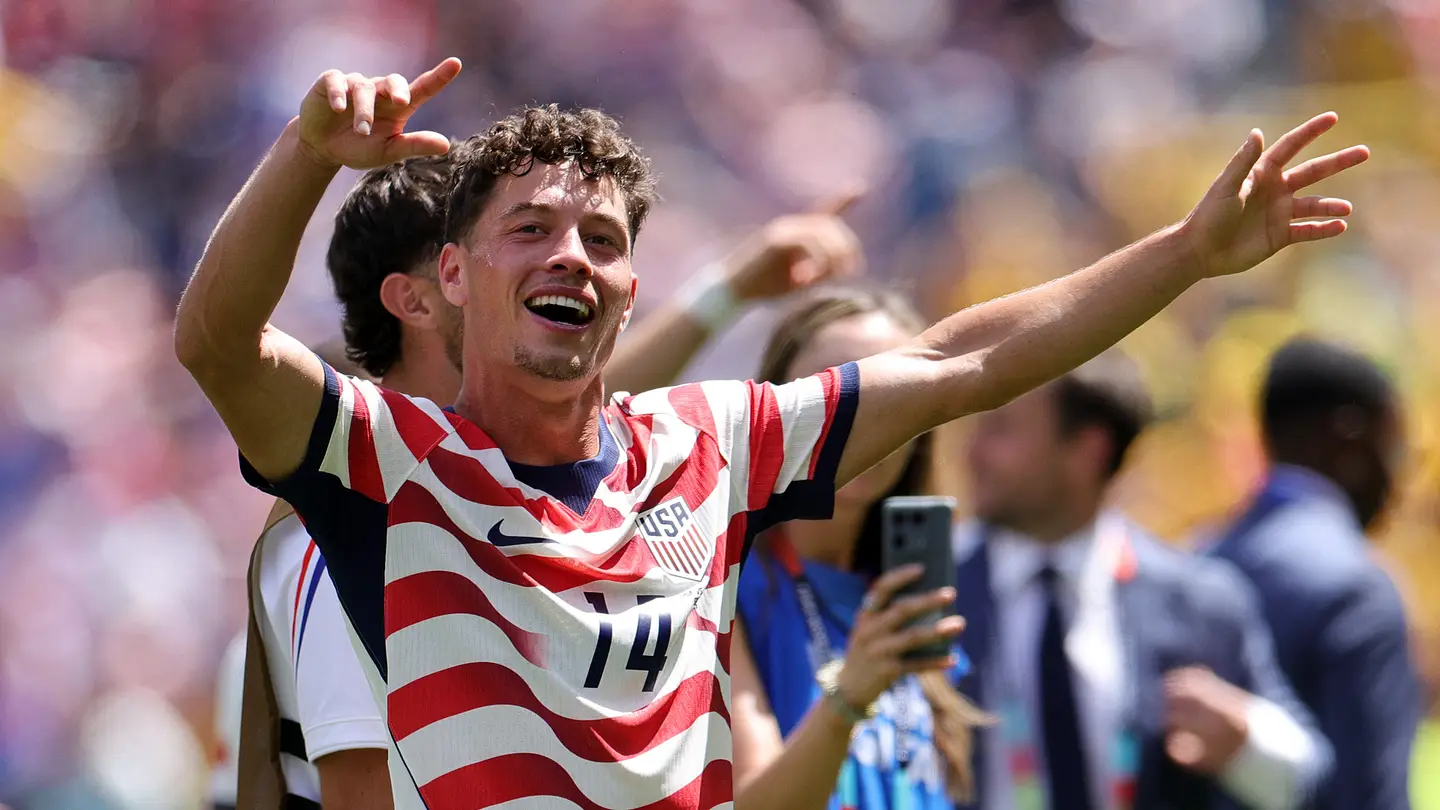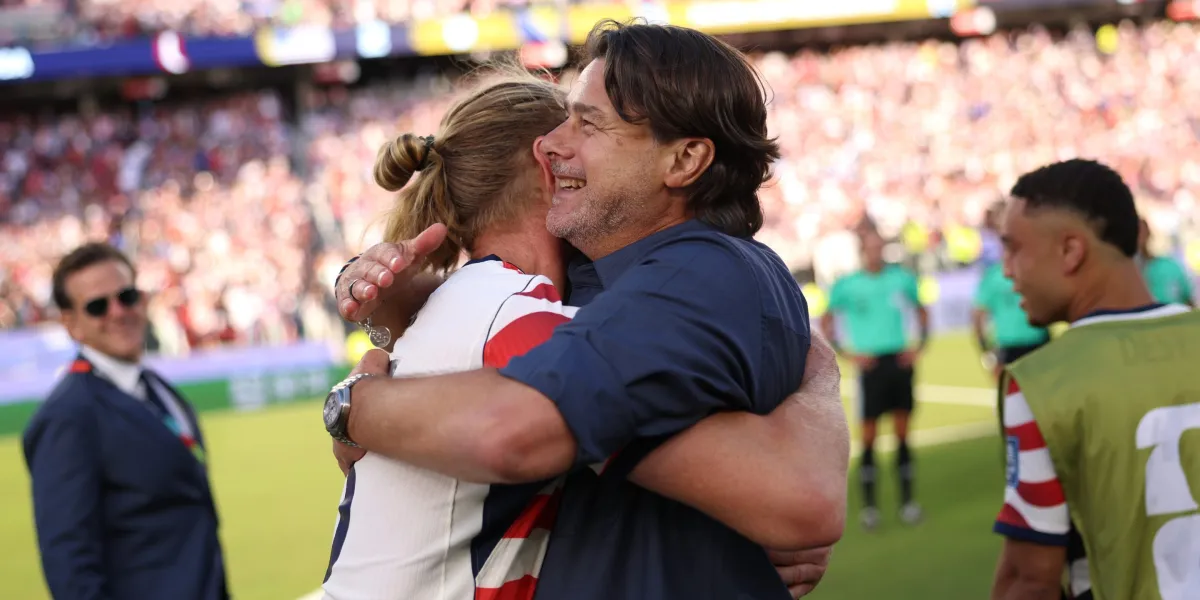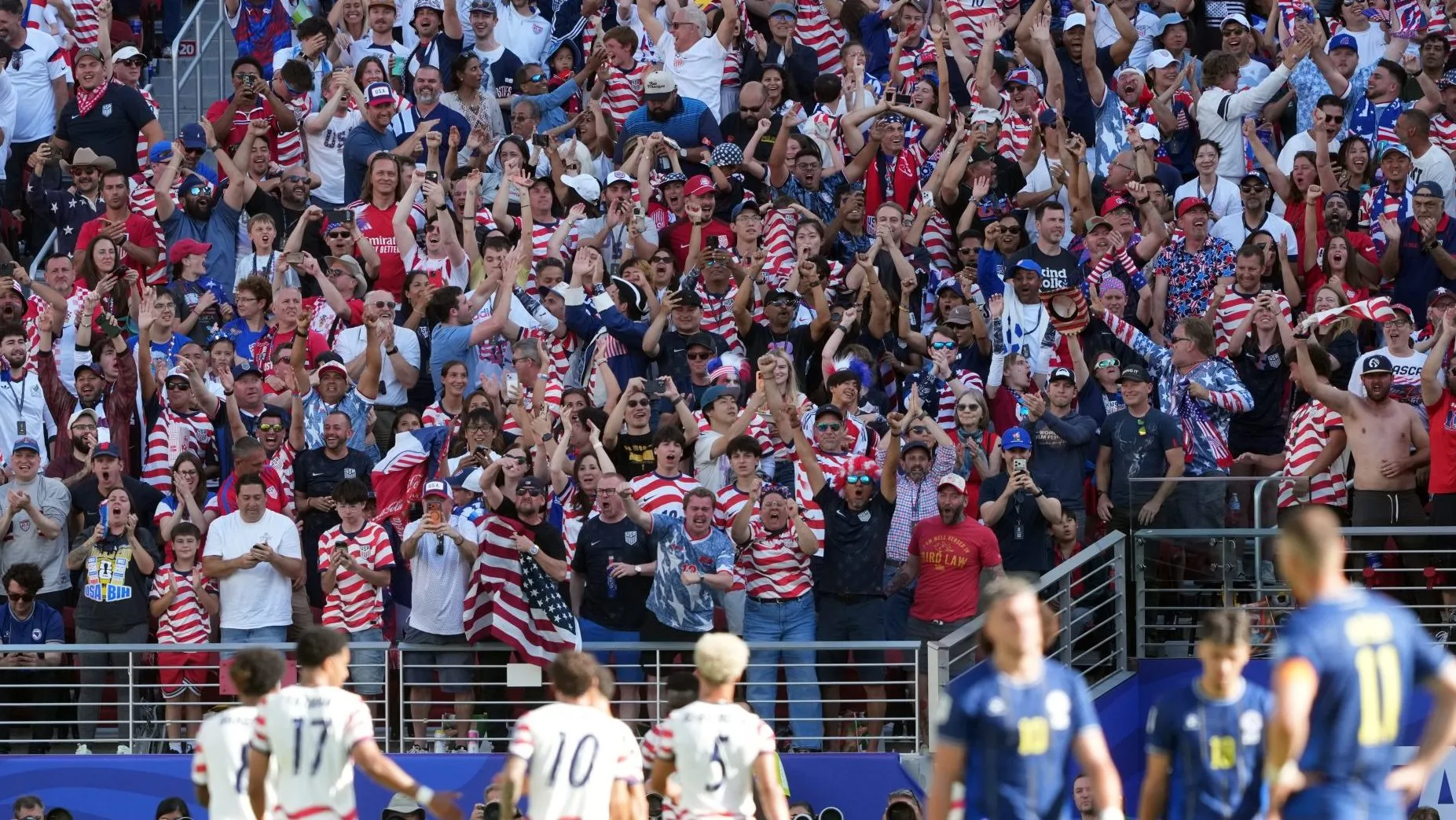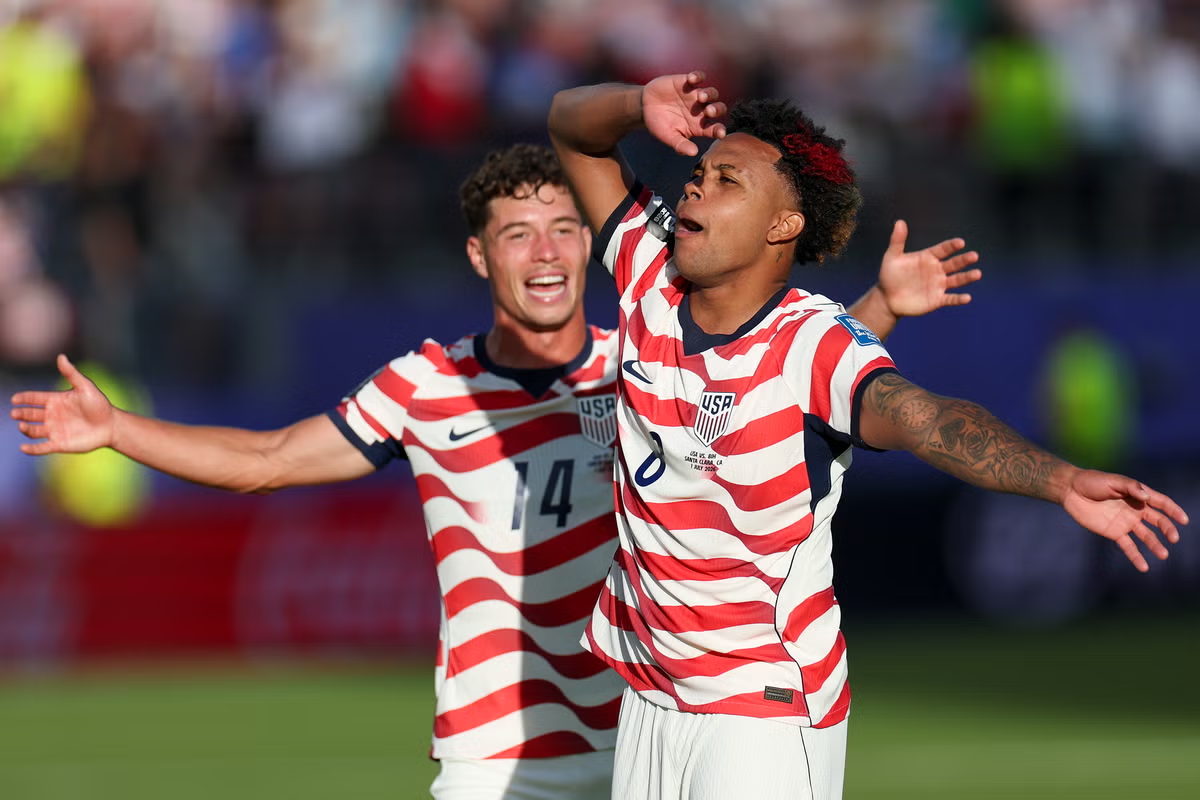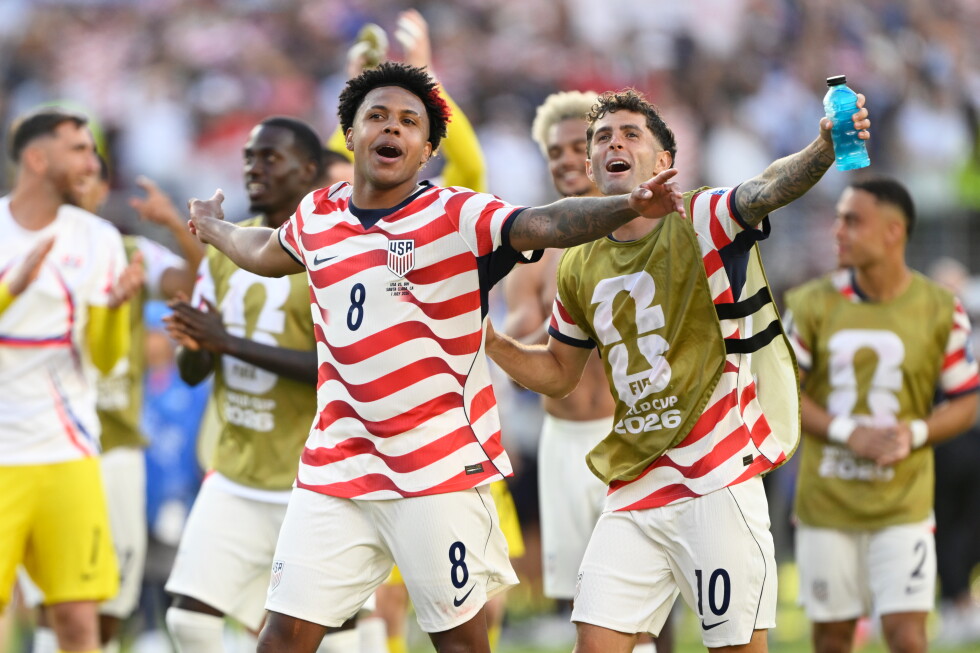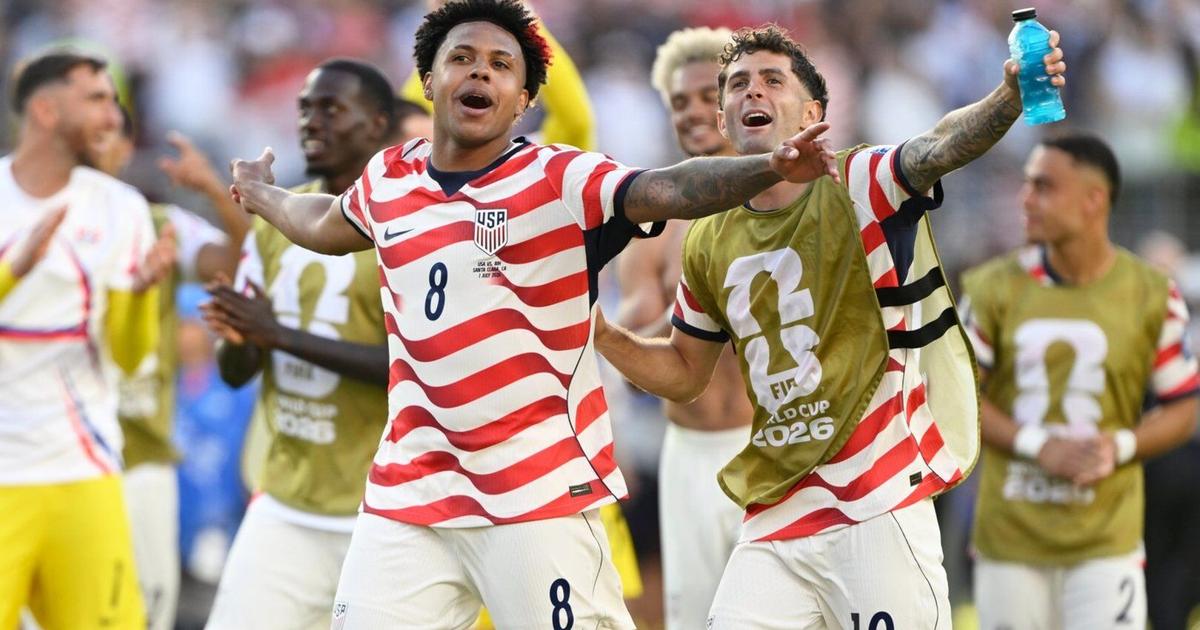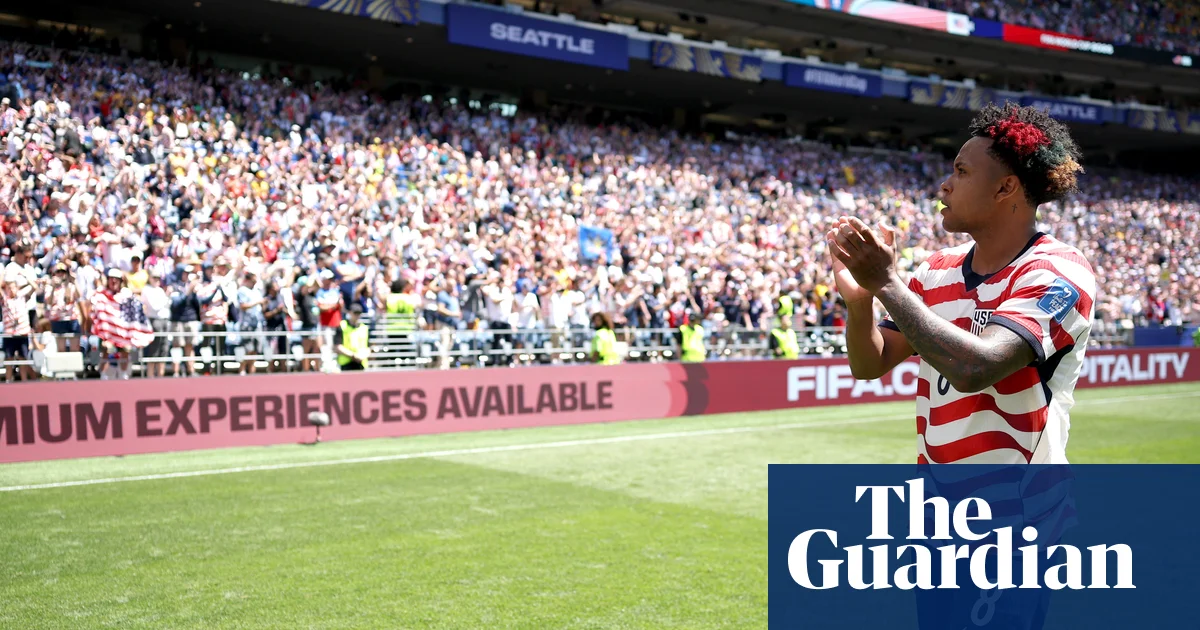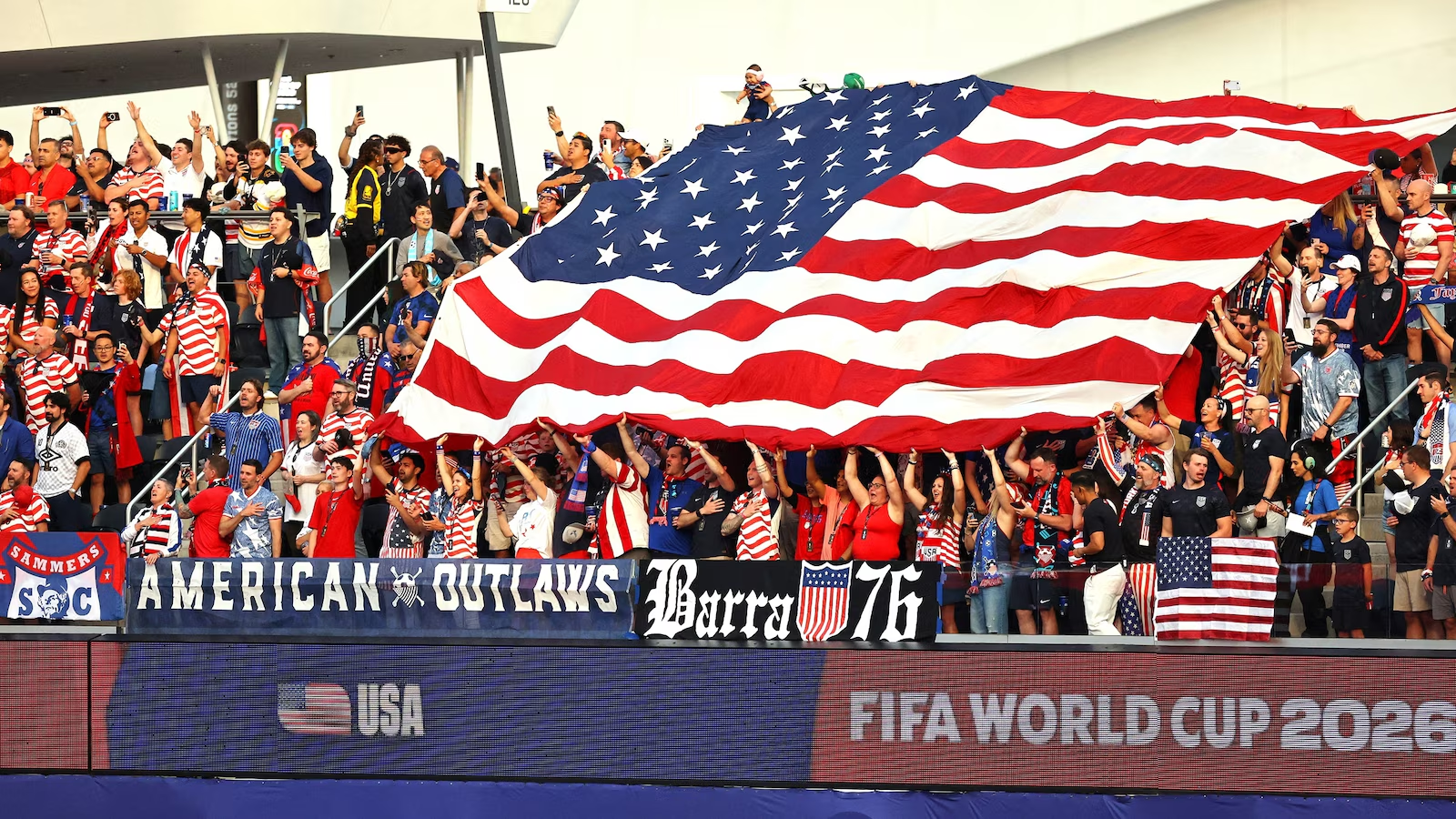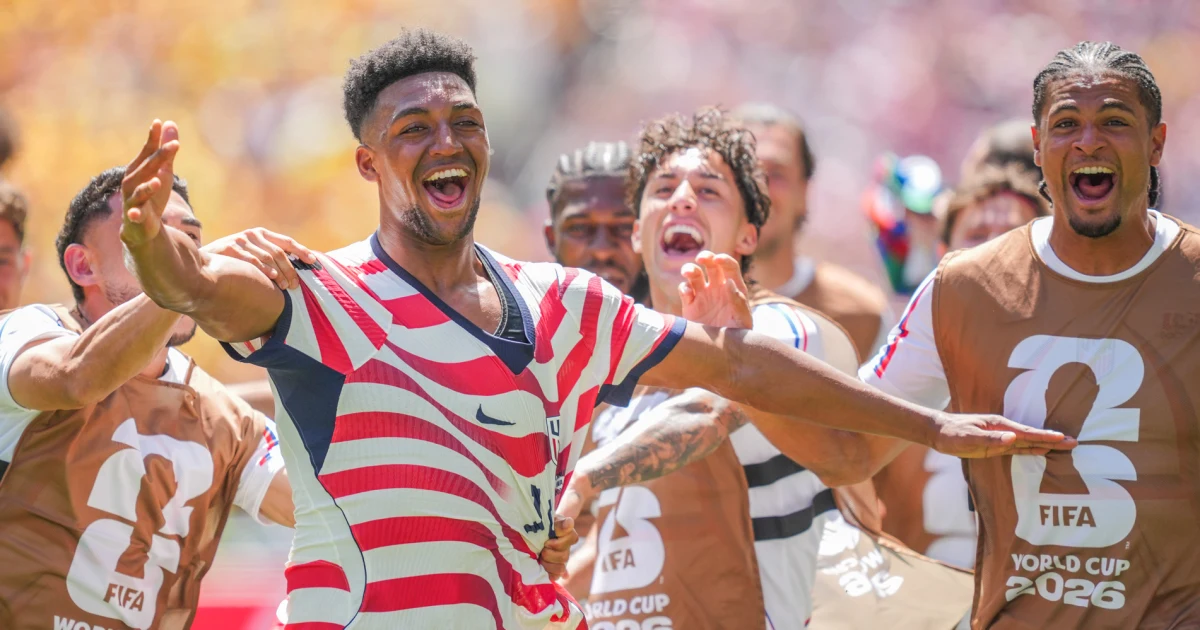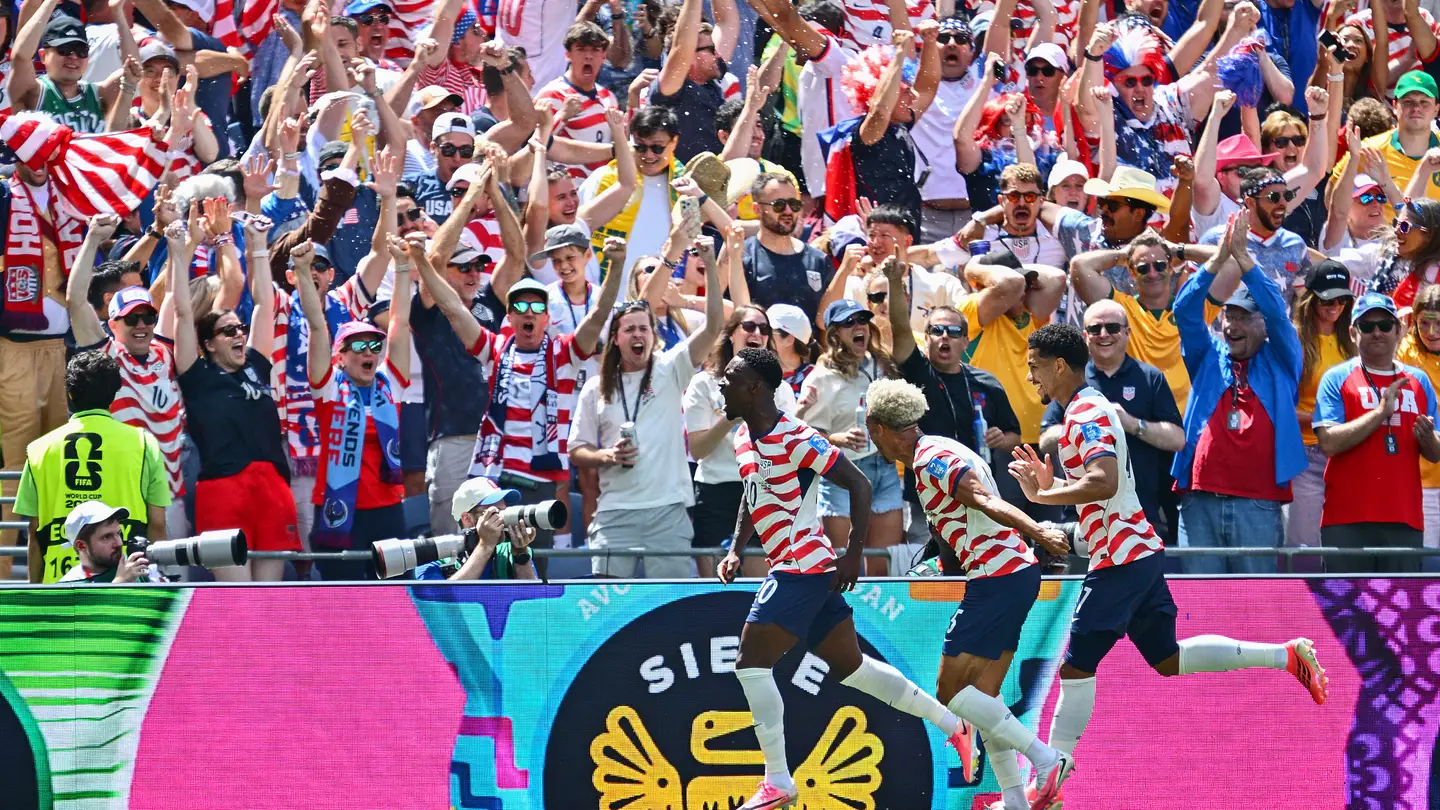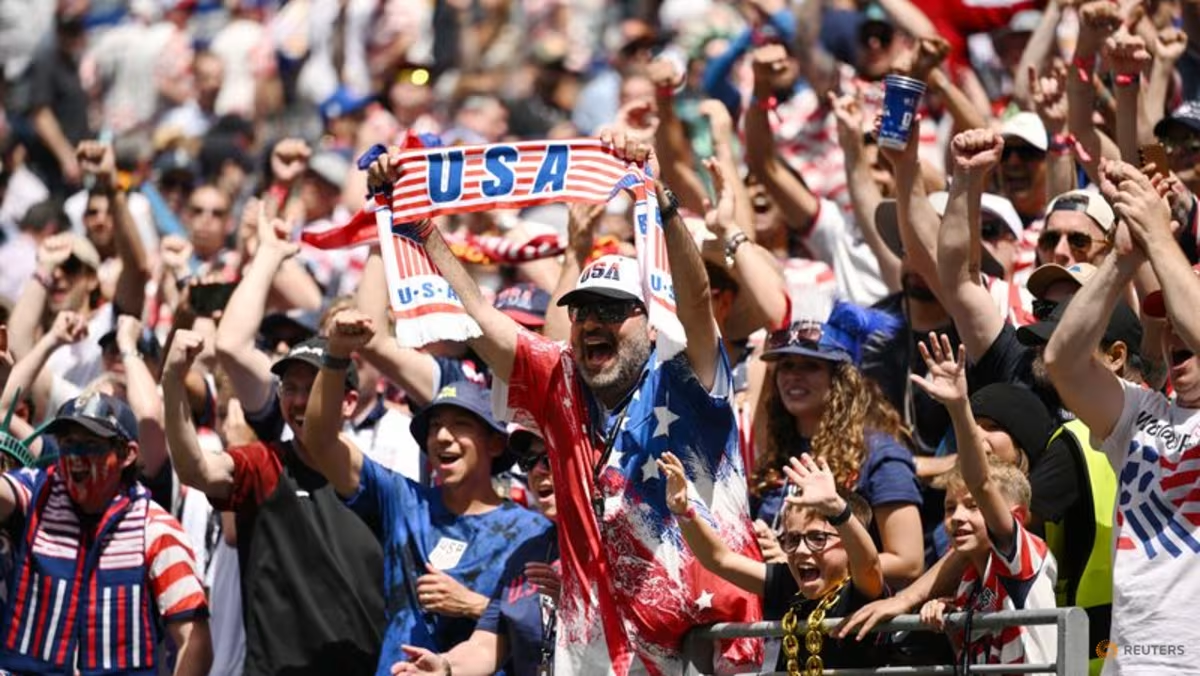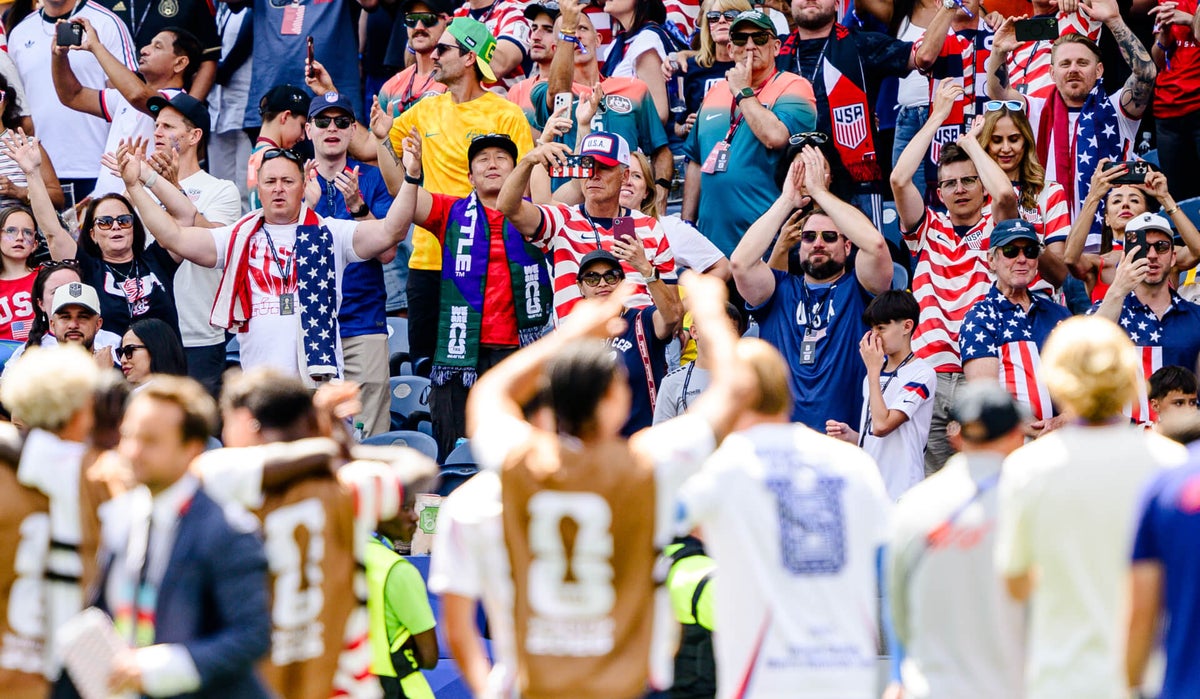
IRVINE, Calif. — On a dreamy Friday afternoon in Seattle, with the United States inching toward World Cup history, Amy Hopfinger sat amongst 60,000 merry fans, heard them sing and sensed opportunity.She was witnessing a generational moment for American soccer, a 2-0 win over Australia that would take the U.S. men’s national team into uncharted territory. And for two days prior, as FIFA’s World Cup chief strategy officer, she’d been stewing on how to turn moments like this into indelible ones that would resonate with millions of people.So she sent some texts. She searched for a song that could unite U.S. players with their fans and their nation. She directed FIFA’s head of event production, Lance Brass, to queue up two American classics.And at precisely 2:08 p.m. local time, as players waltzed around Lumen Field, as fans swayed side to side, belting out the chorus, “Take Me Home, Country Roads” became their unofficial World Cup anthem.
The @USMNT faithful serenade their team with "Take Me Home, Country Roads" in Seattle 🇺🇸 pic.twitter.com/XI3Q3EkxhK
— FOX Sports (@FOXSports) June 19, 2026It struck a chord with players.“Part of being American is knowing ‘Country Roads’,” defender Chris Richards said that afternoon. “We’re all singing it together.”Fans latched on too, humming the tune, playing the video — of players and supporters soaking up the scene — on repeat ever since.Immediately after the match, Spotify saw a 74% increase in streams of the song, a company spokesman told The Athletic.Google searches for “Country Roads” also spiked on Friday afternoon, and have remained higher than usual levels.A few days later, Fox’s Jenny Taft reported that the song was rolling from the office of U.S. coach Mauricio Pochettino.It was a “moment that certainly cut through, and then some,” U.S. Soccer CEO JT Batson tells The Athletic.So how’d it come to be?Sebastian Berhalter and Christian Pulisic look into the crowd during the postgame festivities after beating Australia in the World Cup (Jamie Squire / Getty Images)The version of the story that U.S. Soccer distributed to reporters on Monday was only partially accurate.Prior to the tournament, FIFA, the global soccer governing body that runs the World Cup, had asked teams to submit playlists of songs that would be played during warmups, after goals and after wins.