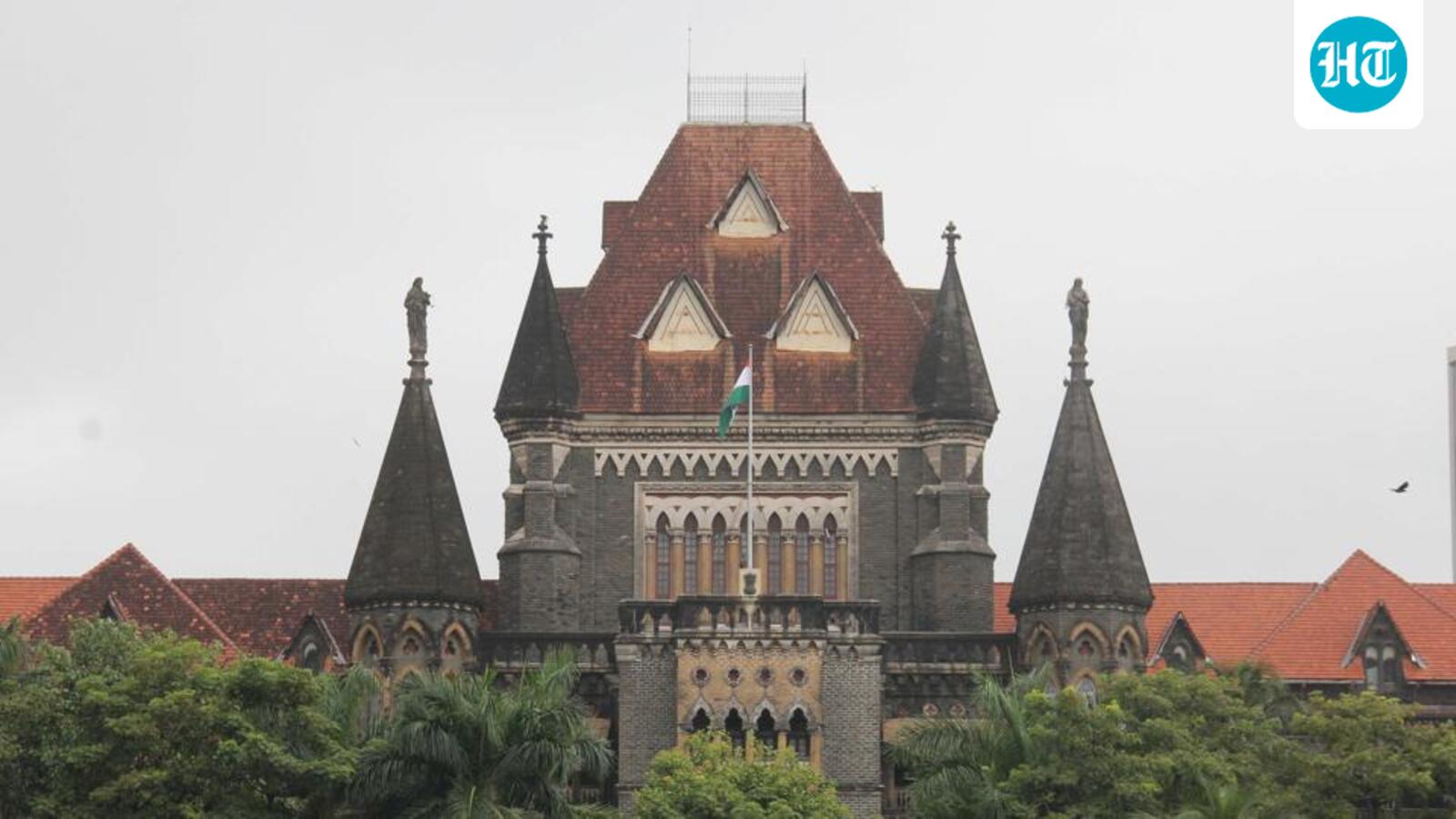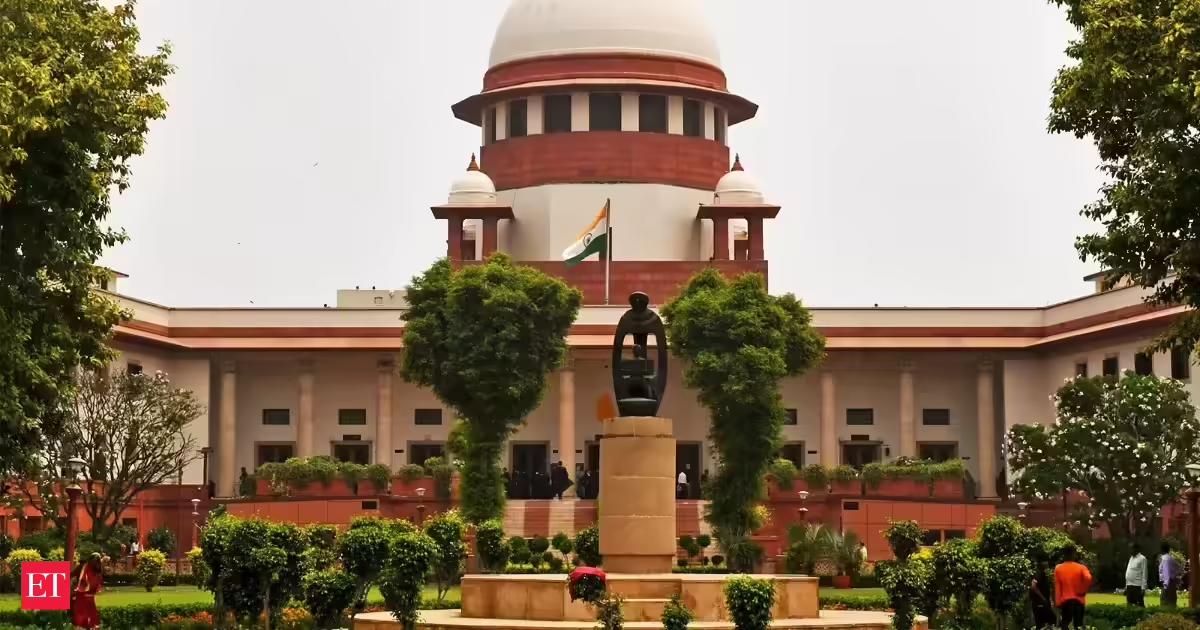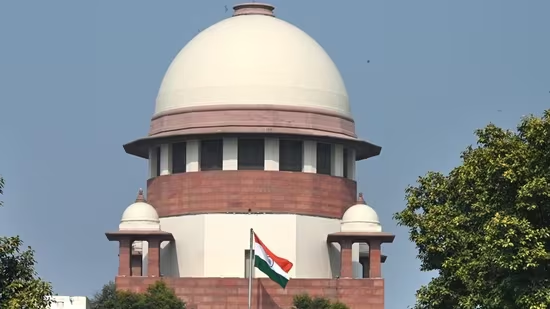
The Supreme Court on Wednesday refused to entertain an Economically Weaker Section (EWS) category medical student’s plea seeking a reduction in his tuition fees at a private medical college in Rajasthan, citing his socioeconomic background. The petitioner said he was allotted a general seat despite applying under the EWS category and the availability of such seats in other colleges.The Supreme Court asked the petitioner to apply for a scholarship or a subvention scheme. (HT PHOTO)“An individual cannot say that the fees in the private college should be at par with government college…we need doctors in the country. If you are unable to pay, get a scholarship or any subvention scheme,” said a bench of justices BV Nagarathna and Joymalya Bagchi.Harshvardhan Singh, the petitioner, said he was allotted a seat under the general category in November 2025, with an annual tuition fee of ₹18.9 lakh. ₹8 lakh is the annual income limit for the EWS category under which 10% quota is provided in public jobs and educational institutions.Singh said he was arbitrarily allotted a seat under the general category. He sought a reduction in his fee or an amount comparable to that of a government medical college. The Rajasthan high court rejected Singh’s plea on May 5.The bench explained that private colleges are self-financing institutions, whereas government colleges are state-funded. It referred to the landmark Supreme Court judgment in TMA Pai (2002) case, which barred private colleges from charging capitation fees. “By our TMA Pai decision, capitation fees are banned, but that does not mean self-financing institutions cannot take their general college fees.”Advocate Rishabh Sancheti, appearing for Singh, informed the bench that the National Medical Commission (NMC) issued an office memorandum recommending 50% of the seats in private medical colleges should have fees at par with the government medical colleges. He added that this was being followed in other states such as Maharashtra and West Bengal, but not in Rajasthan.Sancheti said the high court held that the NMC order is not mandatory but merely recommendatory. He added that private medical colleges charge between ₹18 lakh and ₹25 lakh annually in Rajasthan. “It cannot be so high. This amounts to discrimination on two counts. Candidates who secured lower marks than the petitioner were allotted seats under the EWS category...the petitioner, though belonging to the EWS category, has been treated at par with the general category candidates....creating an unaffordable financial barrier to medical education.”The bench said those who have will pay. “The high court has passed an order. We see no ground to interfere with the same.”Sancheti pointed out that a similar issue is pending consideration before the Supreme Court, even as the bench kept the question of law open while dismissing the appeal.The high court said that there was no illegality in the fee the private college charged from Singh, as the Fee Regulatory Committee of Rajasthan had approved it.
Supreme Court refuses to hear medical student's fee reduction plea: 'Can't say private, govt college should be at par'
Harshvardhan Singh, the petitioner, said he was allotted a seat under the general category with an annual tuition fee of ₹18.9 lakh | India News
478 words~2 min read