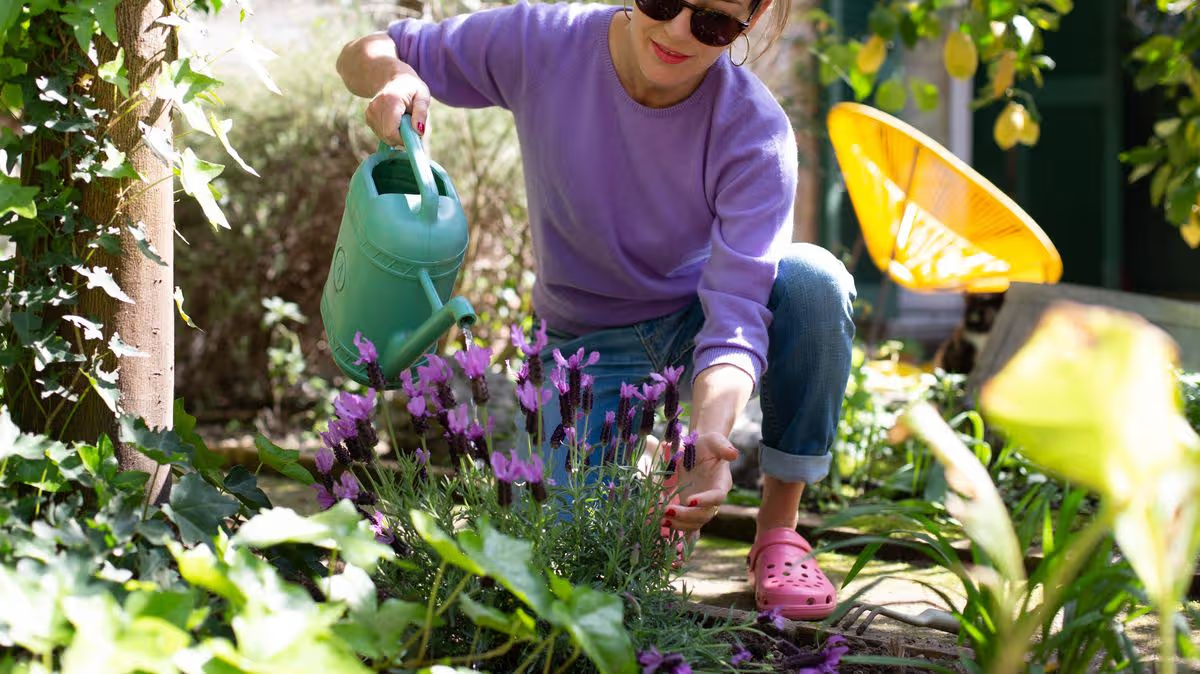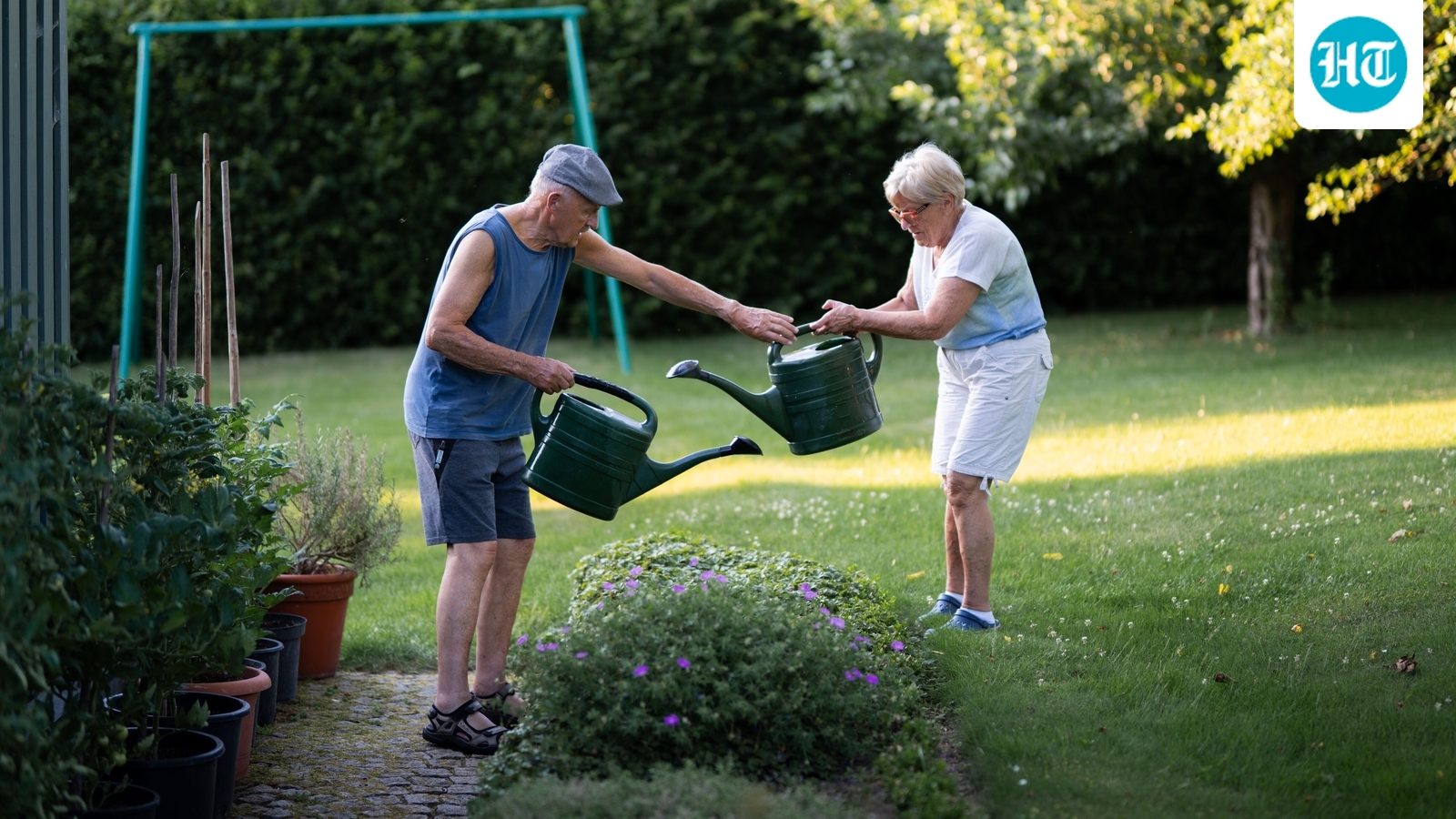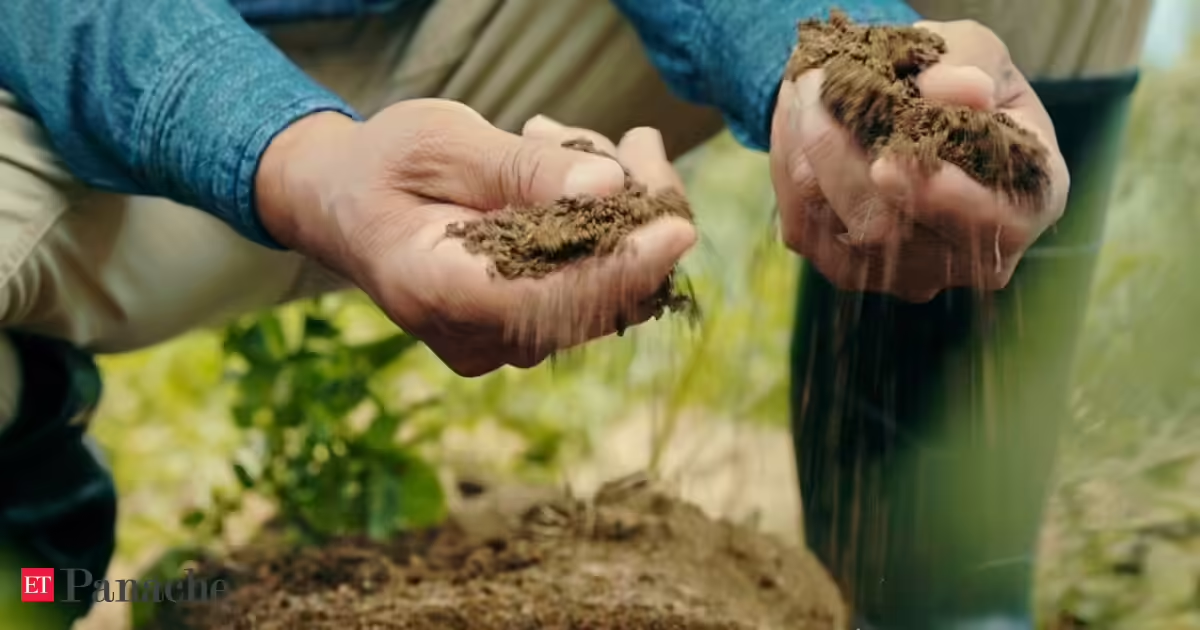
SynopsisDigging into your garden might be the secret to a happier mind. Experts reveal that beneficial microbes in healthy soil, like Mycobacterium vaccae, can naturally boost mood and reduce anxiety by stimulating serotonin. Beyond this surprising mental health link, gardening offers significant physical benefits, including increased exercise and improved diet. It also provides a powerful antidote to stress and fosters valuable social connections, making it a holistic path to wellbeing.Getting your hands dirty in soil has many benefits which includes feeling happy as well. (Istock- Representative image)In a world where stress often sends people reaching for their phones, some experts believe the answer may be much closer to the ground beneath our feet. Gardening is increasingly being recognised not just as a hobby but as a powerful tool for mental and physical wellbeing. According to British horticulturist David Domoney, healthy garden soil contains beneficial microbes that may help improve mood. Research-backed benefits of gardening, experts say, go far beyond growing beautiful plants.Why may soil have a surprising effect on mood?David Domoney is a British horticulturist, gardening broadcaster, author, and TV presenter known for appearing on ITV gardening programmes including Love Your Garden and This Morning. A Chartered Horticulturist and award-winning garden designer, Domoney recently highlighted a fascinating connection between soil and mental wellbeing.In an Instagram video, he explained that healthy garden soil contains a naturally occurring bacterium called Mycobacterium vaccae. According to Domoney, this bacterium can help stimulate serotonin production in the brain when inhaled or absorbed through the skin, potentially helping to lift mood and reduce feelings of anxiety.He noted that studies have suggested the effects may be comparable to those associated with certain antidepressant medications, though through a completely natural process. Domoney also stressed that healthy soil is much more than dirt. It is a living ecosystem packed with billions of microbes, fungal networks, and organic matter that support both plant health and, intriguingly, human wellbeing.You Might Also Like:According to him, soil enriched with compost and organic material creates ideal conditions for beneficial microbial life to thrive. The healthier the soil becomes, the more vibrant and active the ecosystem is. This, he suggested, may partly explain why gardeners are often among the happiest people one meets. For anyone feeling overwhelmed, Domoney recommends a simple approach: turn over the soil, plant something, and literally get your hands dirty. Connecting with nature, he believes, can help lift the spirit.Even Harvard experts find joy in gardeningThe emotional benefits of gardening are echoed by experts beyond the horticultural world. Katherine Rosa, a family nurse practitioner and researcher at the Benson-Henry Institute for Mind Body Medicine at Harvard-affiliated Massachusetts General Hospital, has shared that gardening helps keep her sense of vitality alive, particularly during the darker winter months. For her, tending plants brings a small but meaningful source of joy and renewal.Benefits of gardening, according to scienceIncreased exerciseGardening naturally encourages movement. Digging, planting, weeding, watering, lifting pots, and carrying gardening tools all engage different muscle groups. Unlike structured workouts, gardening combines physical activity with a sense of purpose, making exercise feel less like a chore. Over time, these regular movements can help improve strength, flexibility, balance, and overall fitness while keeping the body active.You Might Also Like:Improved dietGrowing fruits, vegetables, and herbs at home can positively influence eating habits. People who grow their own produce are often more likely to include fresh ingredients in their meals and experiment with healthier foods. Gardening also creates a stronger connection with what we eat, encouraging greater appreciation for nutritious choices while reducing dependence on heavily processed foods.Reduced stress levelsSpending time among plants and green spaces has long been associated with lower stress levels. Gardening provides a calming break from screens, deadlines, and daily pressures. The repetitive, mindful nature of planting, watering, and caring for plants can help quiet racing thoughts and create a sense of relaxation. Many gardeners describe it as a natural form of meditation that helps restore emotional balance.You Might Also Like:Read More News on...morelessRead More News on...moreless
Not scrolling on phone, getting your hands dirty with soil can make you happier, say Harvard and gardening experts
Digging into your garden might be the secret to a happier mind. Experts reveal that beneficial microbes in healthy soil, like Mycobacterium vaccae, can naturally boost mood and reduce anxiety by stimulating serotonin. Beyond this surprising mental health link, gardening offers significant physical benefits, including increased exercise and improved diet. It also provides a powerful antidote to stress and fosters valuable social connections, making it a holistic path to wellbeing.
664 words~3 min read