The United States is stepping into a more direct role in the Ebola response in the Democratic Republic of Congo by supplying doses of an experimental antibody drug for use in clinical trials, a notable shift from its earlier position that limited access to Americans at high risk of exposure.
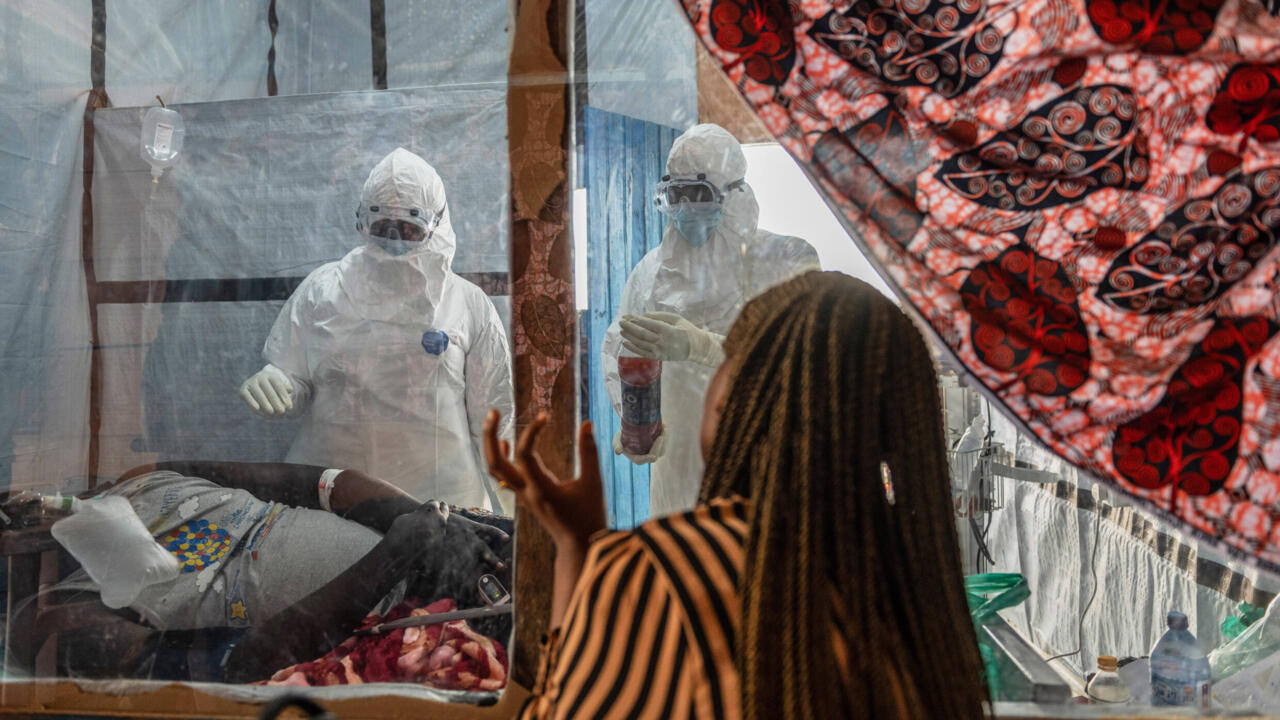
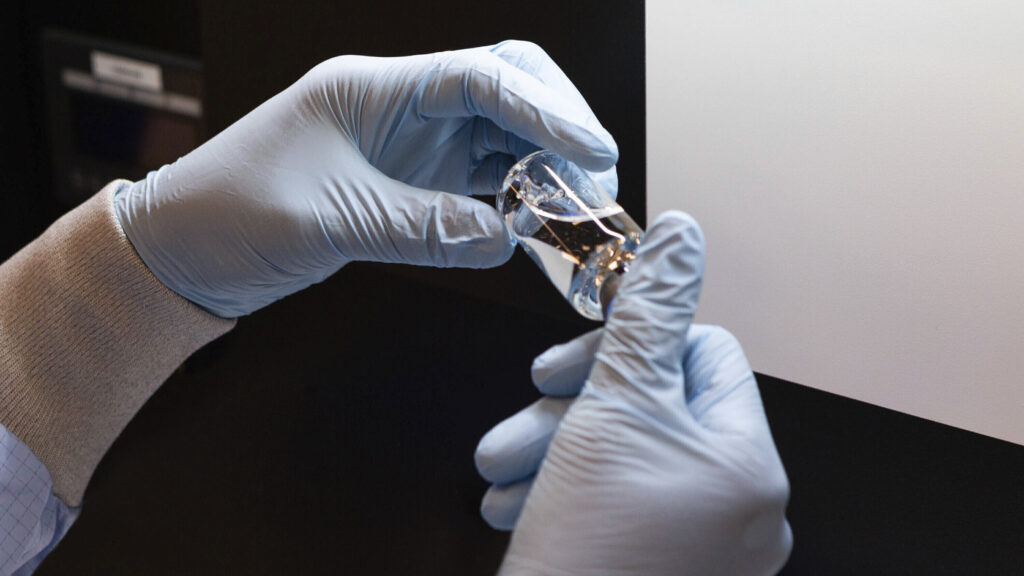
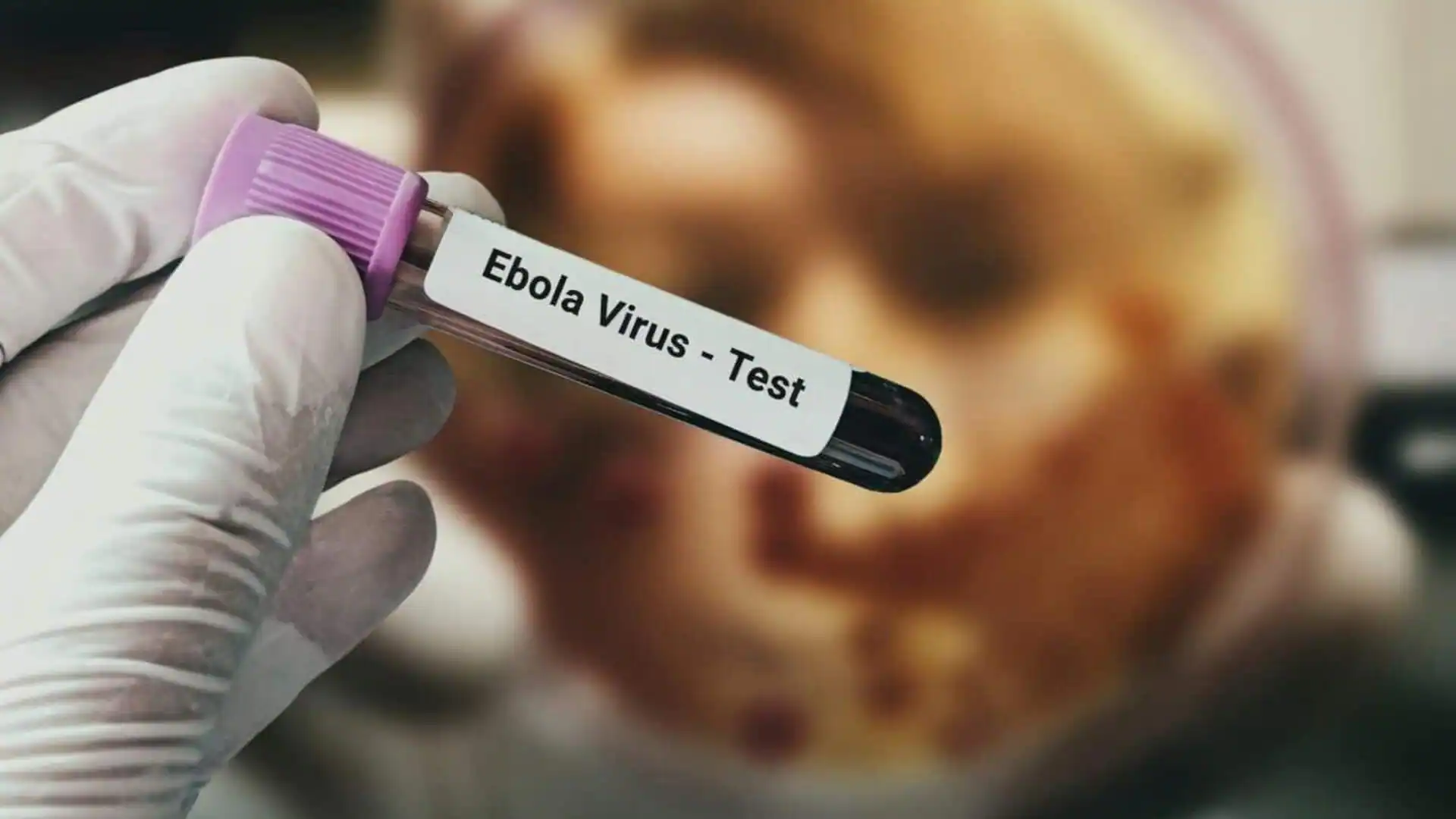
The decision centers on MBP134, an investigational monoclonal antibody therapy developed by Mapp Biopharmaceutical, and comes as health authorities warn the current outbreak could escalate further without rapid, coordinated intervention. The U.S. Department of Health and Human Services said the doses will be deployed under compassionate use in Congo and simultaneously used to generate clinical trial data that could support future regulatory approval.
Officials declined to disclose the number of doses being shipped. The move marks the first time Washington has indicated it will directly support outbreak-based clinical trials of the treatment using stockpiled supplies, rather than reserving them exclusively for U.S. nationals. The policy change follows years of tension between domestic biosecurity priorities and global outbreak response demands.
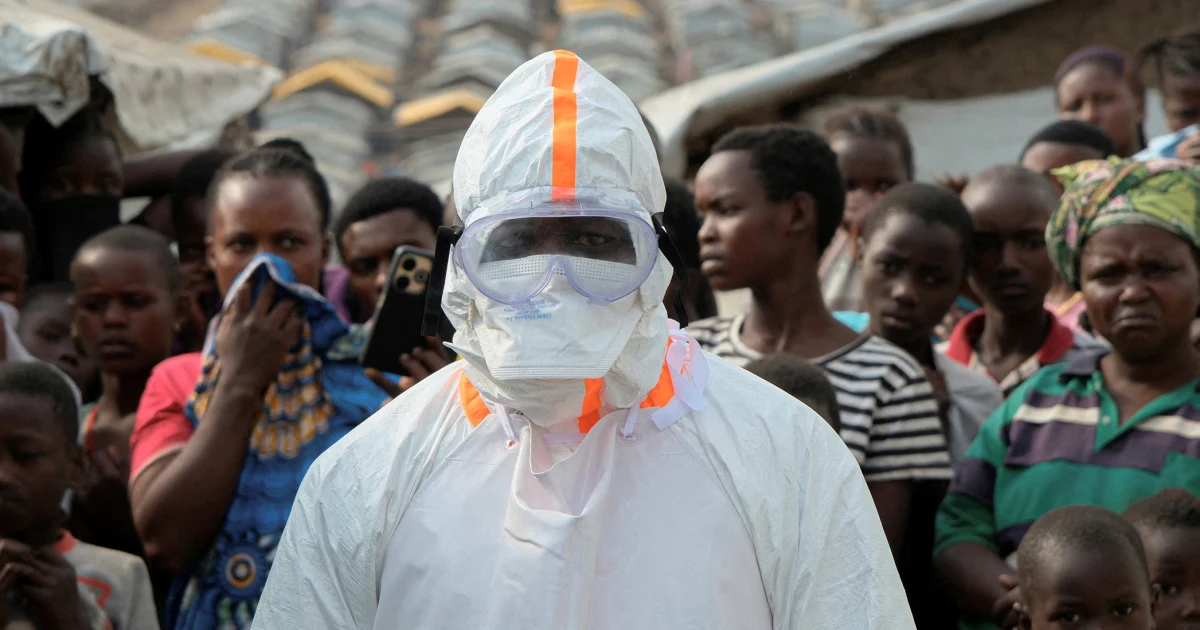
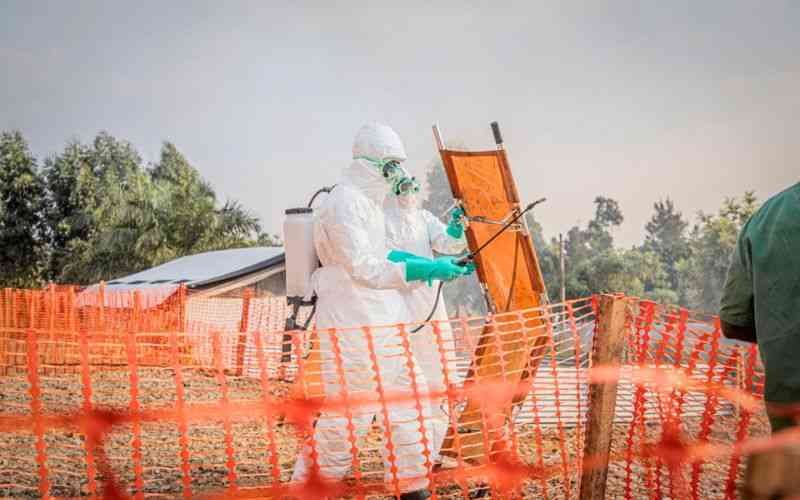
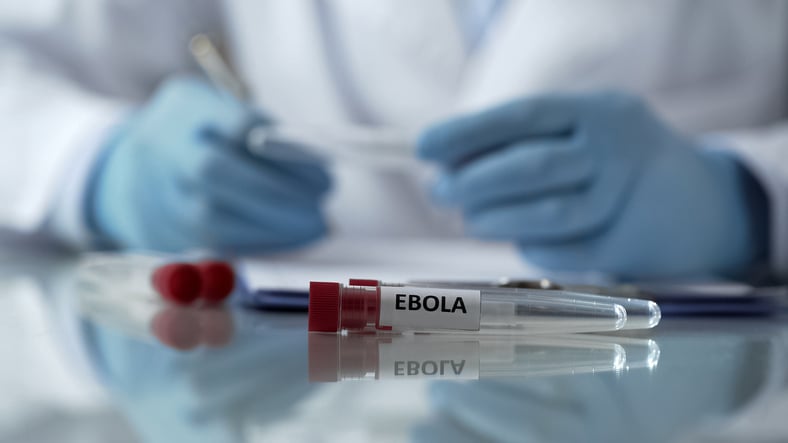
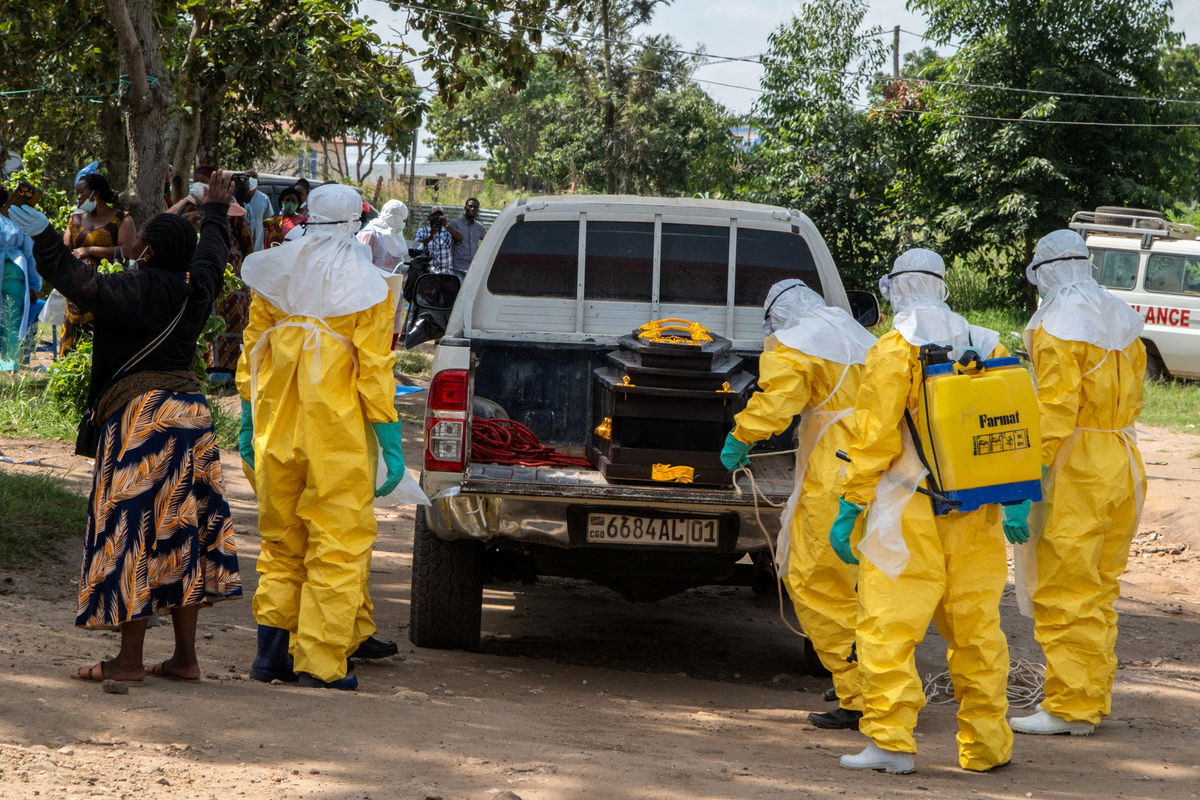
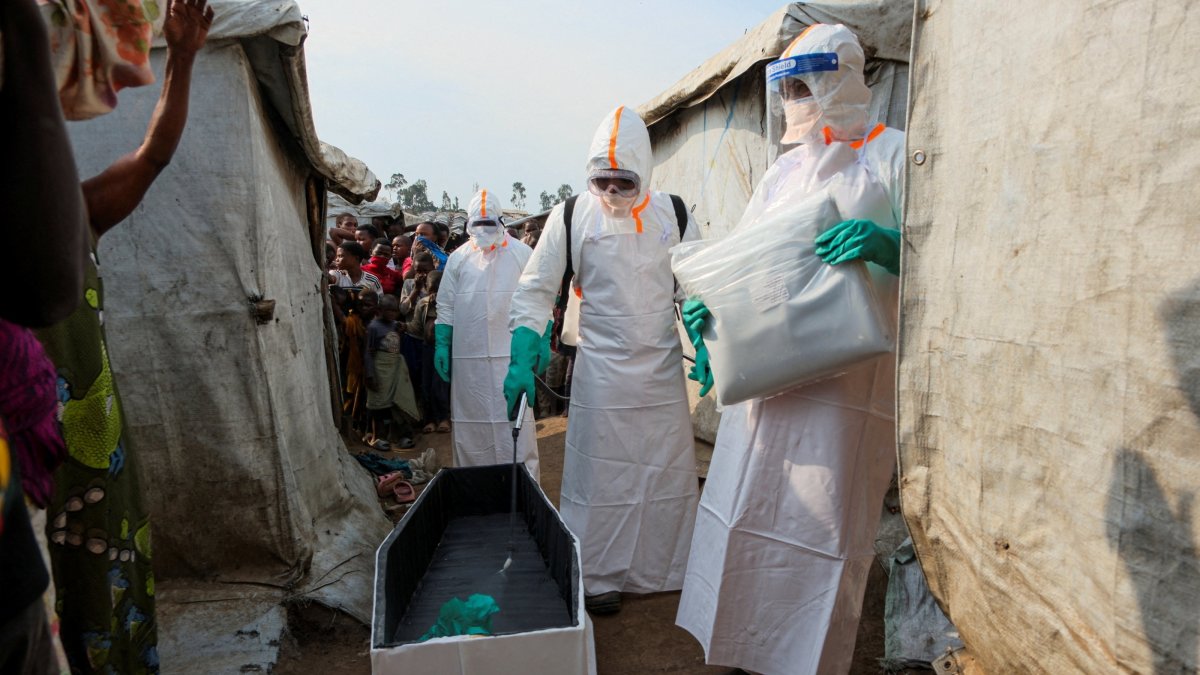
The widening outbreak, driven by the Bundibugyo strain of Ebola, has already become one of the largest on record. Government figures report 1,094 confirmed cases and 277 deaths in Congo, with additional infections and fatalities reported in neighboring Uganda. Health experts warn the true scale may be higher in remote or insecure areas where surveillance is limited.