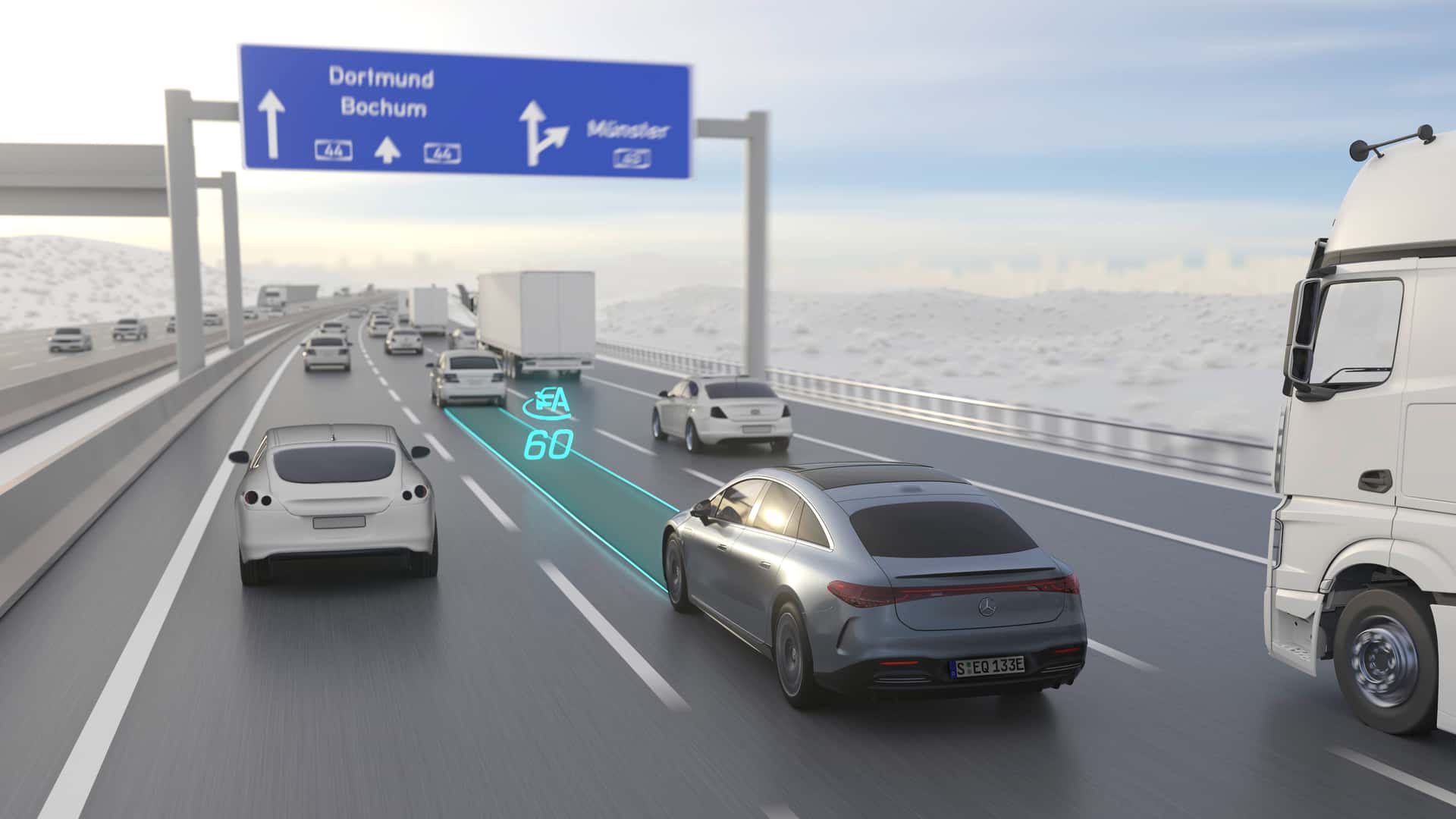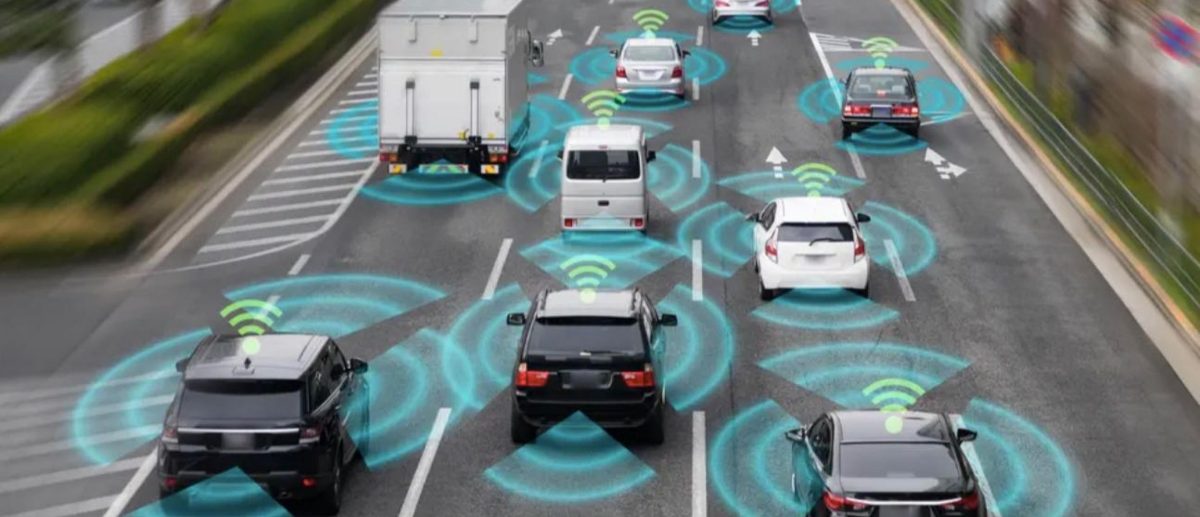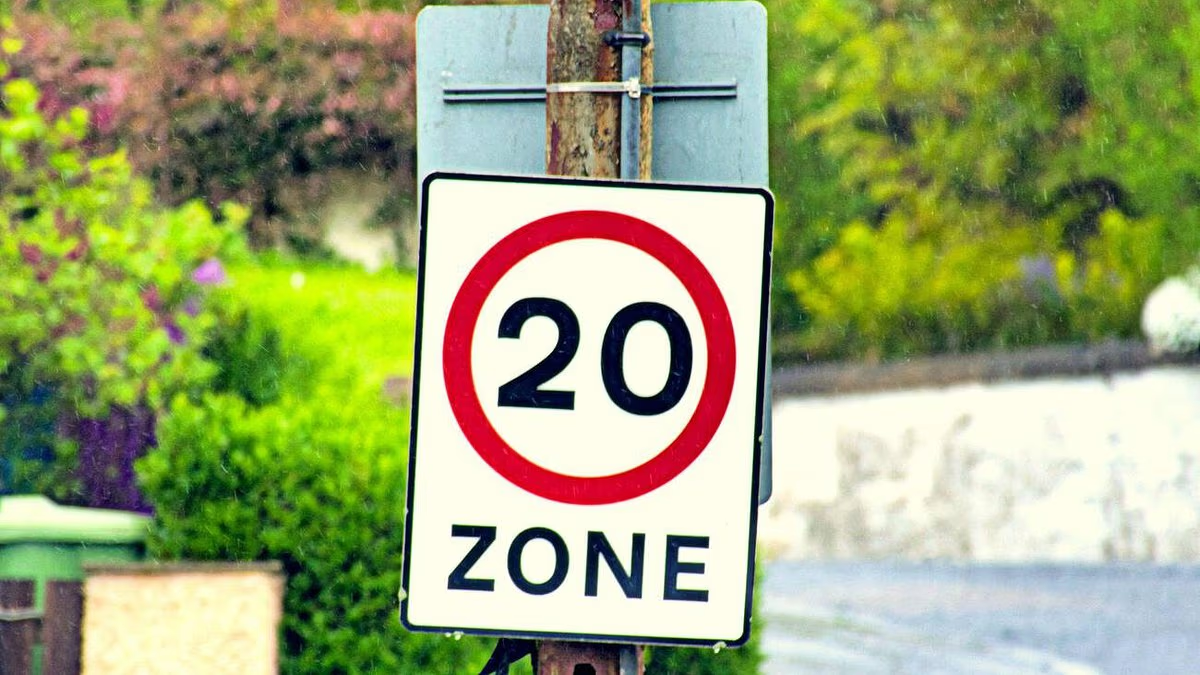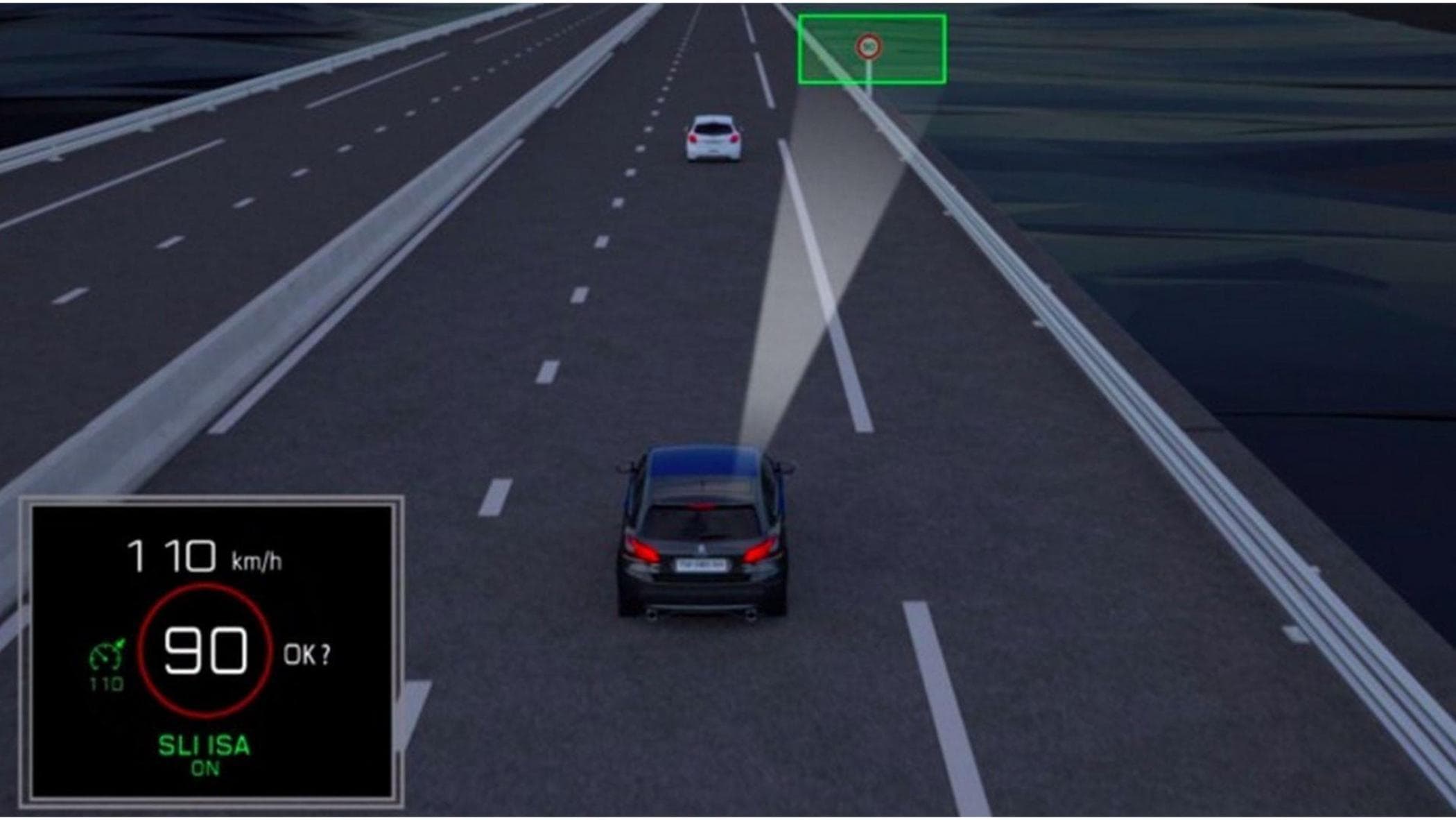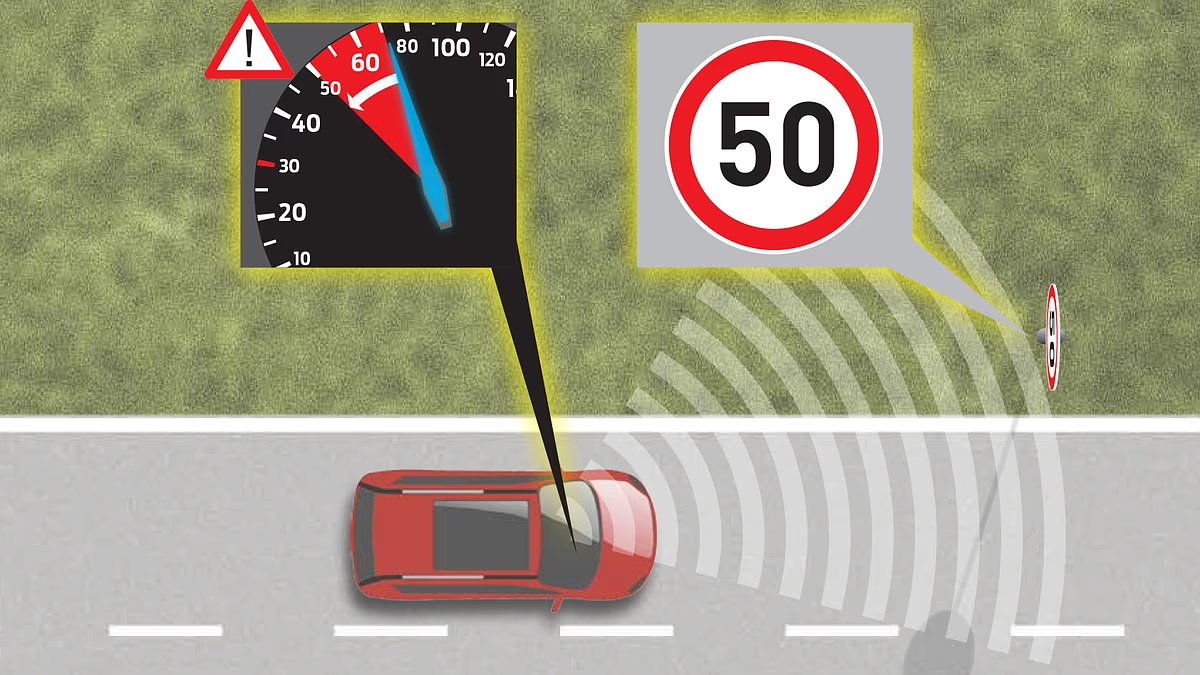
Automatic speed limiters fitted to all new cars could land drivers with hefty fines because the systems fail to identify when the speed limit changes in up to one in four instances.Intelligent speed assist (ISA) has been a mandatory fitment in all new cars sold in Europe and the UK since July 2024, as manufacturers are forced to cram vehicles with the latest suite of safety tech in a bid to reduce road fatalities.But Britain's biggest vehicle safety and security body has found serious inaccuracies with the systems when testing them on UK roads.Thatcham Research, which is headquartered in Berkshire and funded by the insurance industry, analysed the performance of ISA in three different models and found that the worst performer - a budget Chinese SUV - correctly understood the speed limit it was travelling in just 74.3 per cent of the time.Not only does this make the technology potentially dangerous if motorists become reliant on it, but it could also land them with fines and points on their licence if their car is displaying the wrong limit.Thatcham Research is now calling on lawmakers to make changes to how ISA tech is approved to provide confidence to drivers to 'trust the technology enough to keep it switched on'.ISA is one of 19 Advanced Driver Assistance Systems (ADAS) that manufacturers must now install in their new models, alongside the likes of Emergency Lane Keeping Systems (ELKS) and Autonomous Emergency Braking (AEB).The automatic speed limiters use a combination of GPS data, satellite navigation and sign-reading cameras to identify what the speed limit is at any given time and determine if the vehicle is exceeding it.When the driver is over the limit, the system initially warns them to slow down via a visual alert on the instrument cluster or screen, a loud beep or bong, or a haptic notification that gently vibrates the steering wheel. Manufacturers can use a combination of these or all three.If these alerts are ignored, the system has the capability to take over and automatically slow the car down.It does so by restricting engine power - not by applying the brakes - until the legal limit is adhered to.For example, if you are driving on the M1, the ISA technology can limit you to a maximum of 70mph. A new study found Intelligent Speed Assist (ISA) - automatic speed limiters fitted to all new cars since 2024 - are not identifying the correct legal speed limit in up to one in four instances When active, ISA can be overridden, but only for short bursts. This allows for situations such as overtaking slow-moving vehicles like tractors quickly and safely.To override it, the driver must push hard enough on the accelerator pedal to disengage the system. The tech should allow the car to go above the permitted speed limit for a short period before the alerts re-engage.However, because ISA is now mandatory across the market, it cannot be permanently turned off.EU regulations state that it must automatically be activated each time the engine (or electric motor in an EV) is started.This means motorists who do not want it interfering with their driving need to deactivate it before every journey.How difficult it is to turn off the system depends on the car brand.Renault, for instance, has a dedicated button on the steering wheel that, when held down, turns off the system. However, in cars from other manufacturers, drivers may need to navigate through the infotainment system menu to disable the feature every time they get into the car.
Major flaws in ISA tech designed to stop drivers exceeding limits
Britain's biggest vehicle safety and security body has found serious inaccuracies with the systems when testing them on UK roads.
1,935 words~9 min read