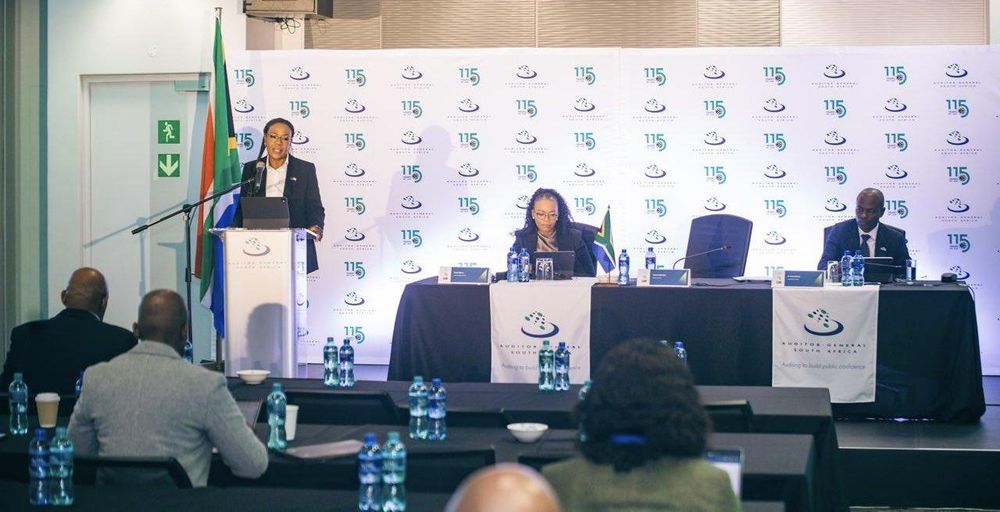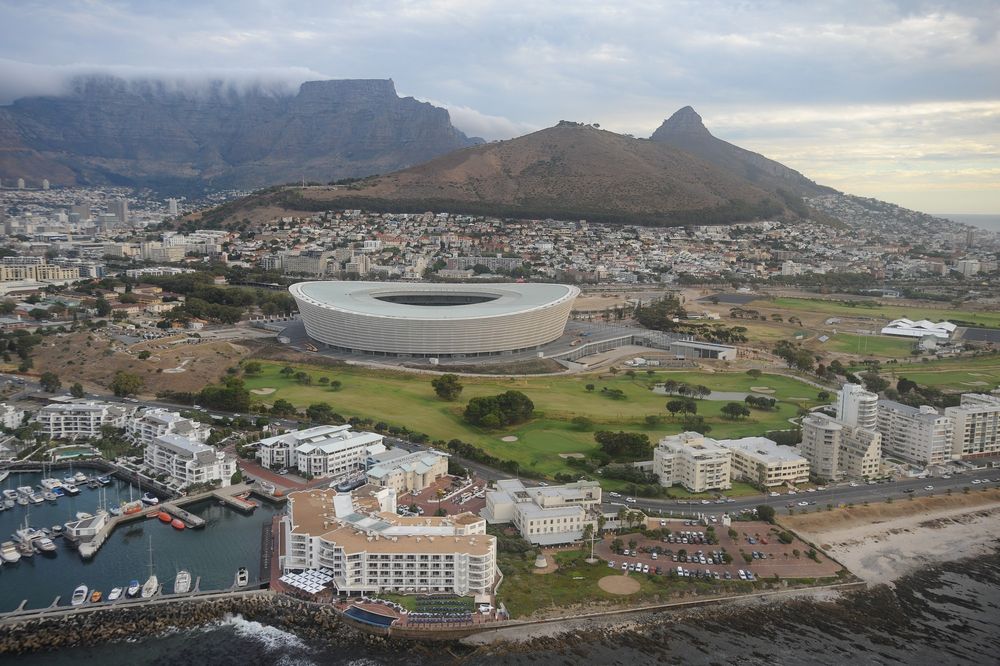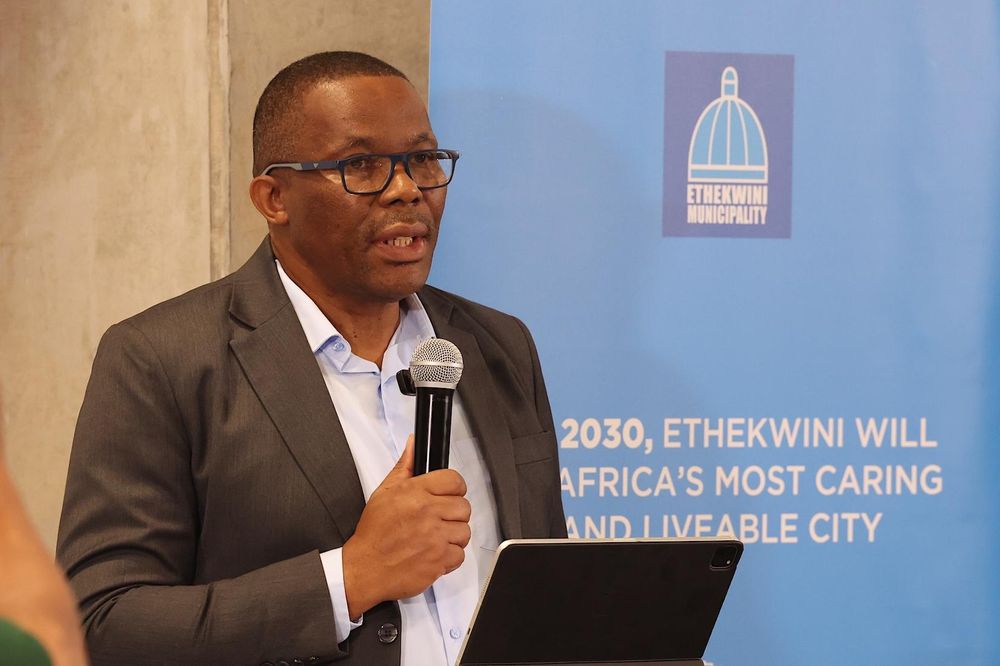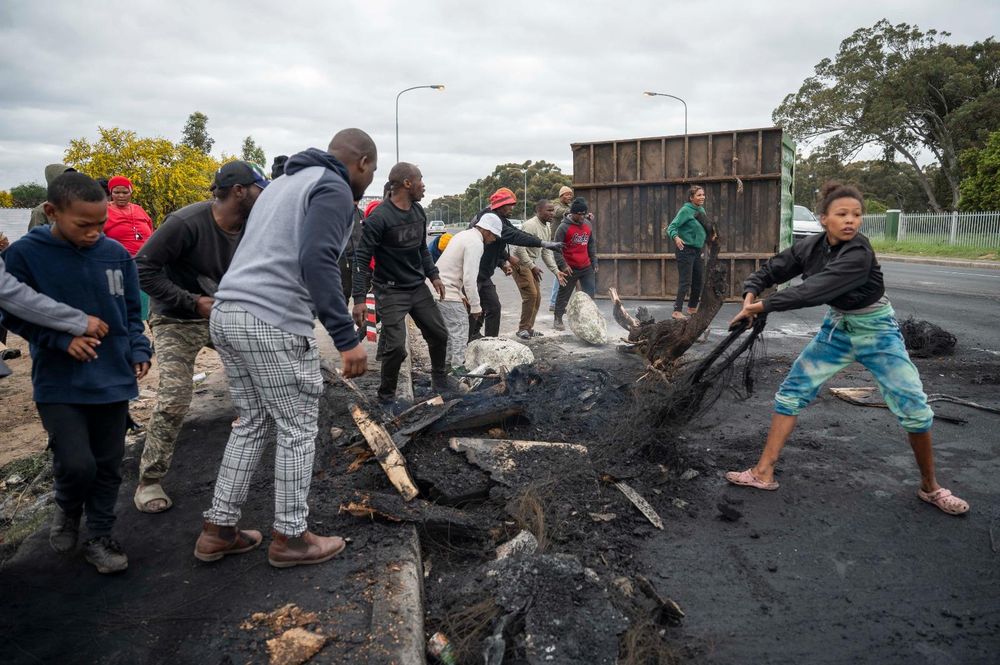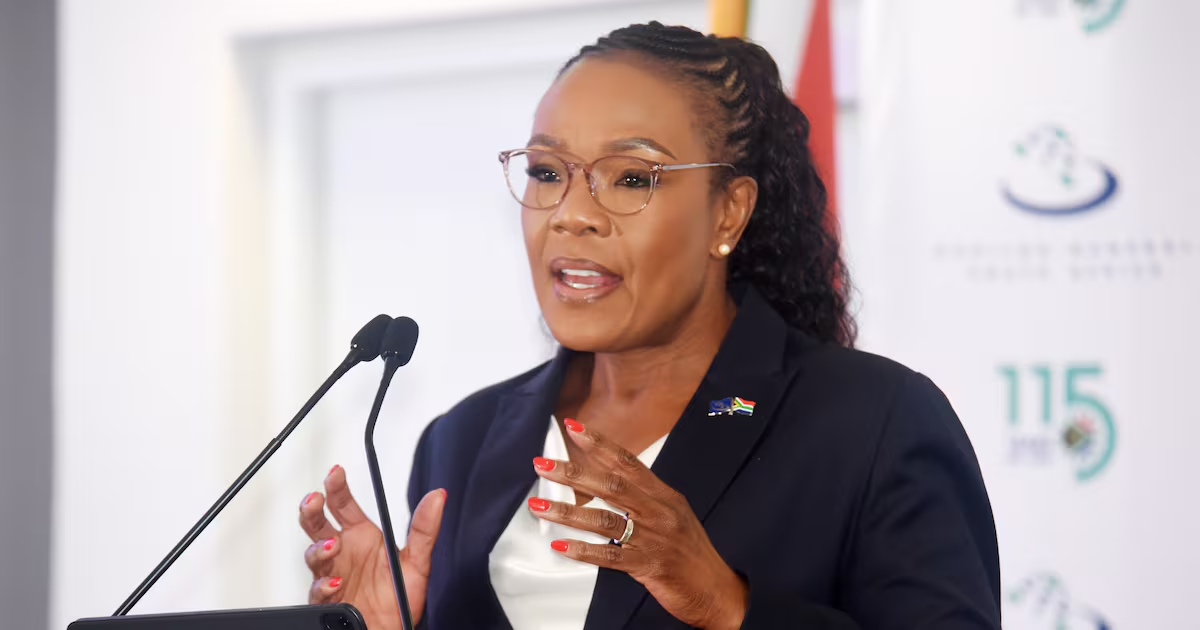
Auditor-general (AG) Tsakani Maluleke has raised the alarm over what she described as “concerning regressions” in the audit outcomes of the country’s eight metros, highlighting:weak financial discipline;deteriorating service delivery; and the flight of capital from municipalities.Tabling the local government audit outcomes for the 2024/25 financial year at the co-operative governance and traditional affairs portfolio committee meeting in parliament on Wednesday, Maluleke said of the 257 municipalities, only 39 achieved clean audits — down from 41 achieved in the previous period (2023/24). While the City of Cape Town was the only metro in the country to receive a clean audit opinion in 2023/24, with three others achieving unqualified audit opinions with findings, and four others qualified with findings, none of the eight metros achieved a clean audit in 2024/25 and the number of metros with qualified audit opinions increased from four to five. The metros of Cape Town, eThekwini and Johannesburg achieved unqualified audit opinions with findings, with Ekurhuleni, Tshwane, Buffalo City, Mangaung and Nelson Mandela Bay all achieving qualified audit opinions with findings. “The regression in audit outcomes among the metros is particularly concerning, given that metros accounted for R335.9bn (54%) of the 2024-25 estimated local government expenditure budget. Consequently deficiencies in financial and performance management within these municipalities have the potential to negatively affect about 8.9-million households (46%),” Maluleke said. “The regressed municipalities accounted for 24% of the total local government budget. Regressions should be a rare occurrence, particularly given the lack of significant changes in legislation and accounting and performance reporting requirements during this administration.” We have reached a milestone of 98% timely submissions of municipalities across the country. This 98% is a historic mandate. This milestone is credit to support by provincial and national leaders. Municipalities are changing their behaviour and are subjecting themselves to scrutiny— Tsakani Maluleke, auditor-generalThe local government sector is grappling with poor service delivery, maladministration, lack of capacity and corruption, and its worsening state has spurred the government to focus the second phase of Operation Vulindlela on fixing councils. Vulindlela is a joint initiative of National Treasury and President Cyril Ramaphosa’s office created in 2020 to address bottlenecks stifling economic growth. On Wednesday Maluleke said the 39 municipalities that achieved clean audits managed only R52.6bn (or 8%) of the R622.5bn expenditure budget in local government. At 21, the Western Cape led the number of municipalities with clean audits, followed by: the Eastern Cape (8);KwaZulu-Natal (4);Limpopo (2);Gauteng (2); Mpumalanga (1); the Northern Cape (1); the Free State (0); and the North West (0). Municipalities that achieved: unqualified audit opinions with findings increased from 99 to 117 during 2024/25; qualified opinions with findings decreased from 95 to 85; adverse opinions with findings decreased from seven to five; anddisclaimed opinions with findings increased to eight from 15; while there were two outstanding audits from the Nala and Maluti-A-Phofung local municipalities, both in the Free State. “Last year we reported 10 outstanding audits. This time around we see two. This year, for the very first time, we have had a very high level of timely submissions of financial statements for us to audit. We have reached a milestone of 98% timely submissions of municipalities across the country. This 98% is a historic mandate. This milestone is credit to support by provincial and national leaders. Municipalities are changing their behaviour and are subjecting themselves to scrutiny,” the AG said. Maluleke said metros and their entities have accounted for 51% of the total irregular expenditure since 2021/22, with the biggest contributors over this period being: City of Tshwane (R12.1bn);Joburg’s electricity entity City Power (R11.8bn);Buffalo City (R10.6bn); and eThekwini (R10bn). In 2024-25, metros and their entities accounted for 58% of the total irregular expenditure, an increase from the 47% in 2021/22, the AG said. “Since 2021/22, 77% of the R73.8bn in irregular expenditure incurred by metros and their entities has been due to non-compliance with legislation on procurement and contract management.” Business Leadership SA CEO Busi Mavuso has previously slammed the financial state of metros as shocking and a serious constraint on much-needed economic growth, saying it is “completely unacceptable that most cannot get basic financial management right”.Consequence management in Joburg metro ‘very poor’Regarding Gauteng’s 11 municipalities, only the Midvaal and West Rand local municipalities received clean audits, while the province’s three metros regressed on their audit outcomes. The AG condemned what she said was deteriorating financial health, collapsing service delivery, degrading infrastructure, and “very poor” consequence management in Gauteng municipalities. She singled out the Joburg metro, saying it needs ongoing attention. “It’s crucial that the institutional arrangements with Joburg be attended to. If we don’t do that, we are going to continue on this slide where financial health deteriorates, which is what we are seeing, where service delivery continues to be compromised, which is what we are living. “We are going to continue on the path where investors who look at the City of Joburg don’t look at it in the way they might have years ago, [and that] the interest of putting capital in the balance sheet continues to diminish.”The Joburg metro is technically insolvent as revenue collection levels do not meet budgeted targets, and it has an over expenditure of about R3.9bn on employee-related costs, bulk electricity purchases, inventory consumed and operational costs. The council’s finances are severely constricted, with poor revenue collection resulting in its failure to meet service delivery targets. It owes power utility Eskom R5.3bn. In April GCR Ratings revised the city’s ratings outlook from stable to “rating watch negative” because of the metro’s delays in finalising its annual financial statements. The city, which has been battling water problems, has an infrastructure backlog of more than R200bn. The legislative framework clearly defines the respective responsibilities of mayors, councils and executive authorities. However, what remains insufficient is the consistent, diligent and effective execution of these responsibilities— Tsakani MalulekeThe municipality has long been plagued by crumbling roads and deteriorating water and electricity networks, prompting Ramaphosa, during an oversight visit to the city a year ago, to propose the establishment of a presidential working group. Ramaphosa noted on the visit the city faced “enormous challenges, ranging from financial and governance instability to rapidly deteriorating infrastructure”. Gauteng co-operative governance and traditional affairs (Cogta) MEC Jacob Mamabolo, however, has ruled out placing South Africa’s troubled economic and financial hub under administration as the metro is working “hard” to address governance failures and financial challenges. A Cogta MEC can intervene and place a municipality under administration if it fails to meet its financial obligations and provide basic services to residents, among other things. Maluleke said local government requires fundamental and far-reaching reform, driven by capable, collaborative and ethical leaders who “are committed to building municipalities characterised by sustained institutional performance, accountable leadership and officials, transparent systems and processes and strong institutional integrity. “I further call on the national and provincial spheres of government to collaborate with the local government sphere to strengthen institutional capability and build on the progress made over the term of the sixth administration. “The legislative framework clearly defines the respective responsibilities of mayors, councils and executive authorities. However, what remains insufficient is the consistent, diligent and effective execution of these responsibilities.” The AG called on Cogta to direct sustained, structural solutions for metros. The extent of underperformance, continued governance failures and accumulation of billions of rand in irregular expenditure “necessitate systemic involvement by all roleplayers in the accountability ecosystem to improve the quality of life for millions of residents. “Well-functioning metros are essential to South Africa’s inclusive urban growth, social stability and sustainable development. They are expected to demonstrate exemplary service delivery performance owing to their broader revenue bases and better capacity.” Business Day
Metros ‘regress’ as audit outcomes reveal weak financial discipline and service delivery failures
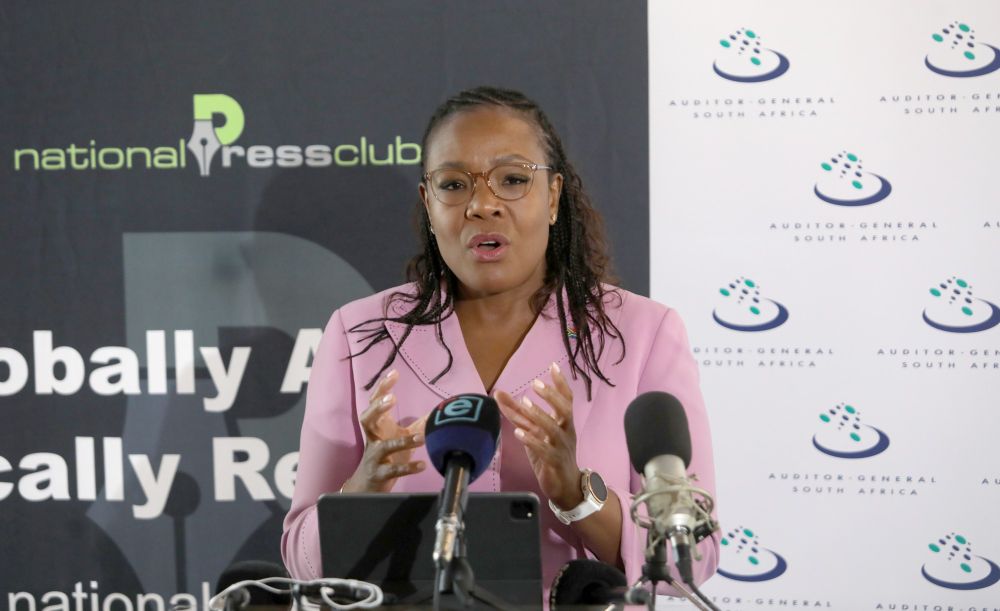
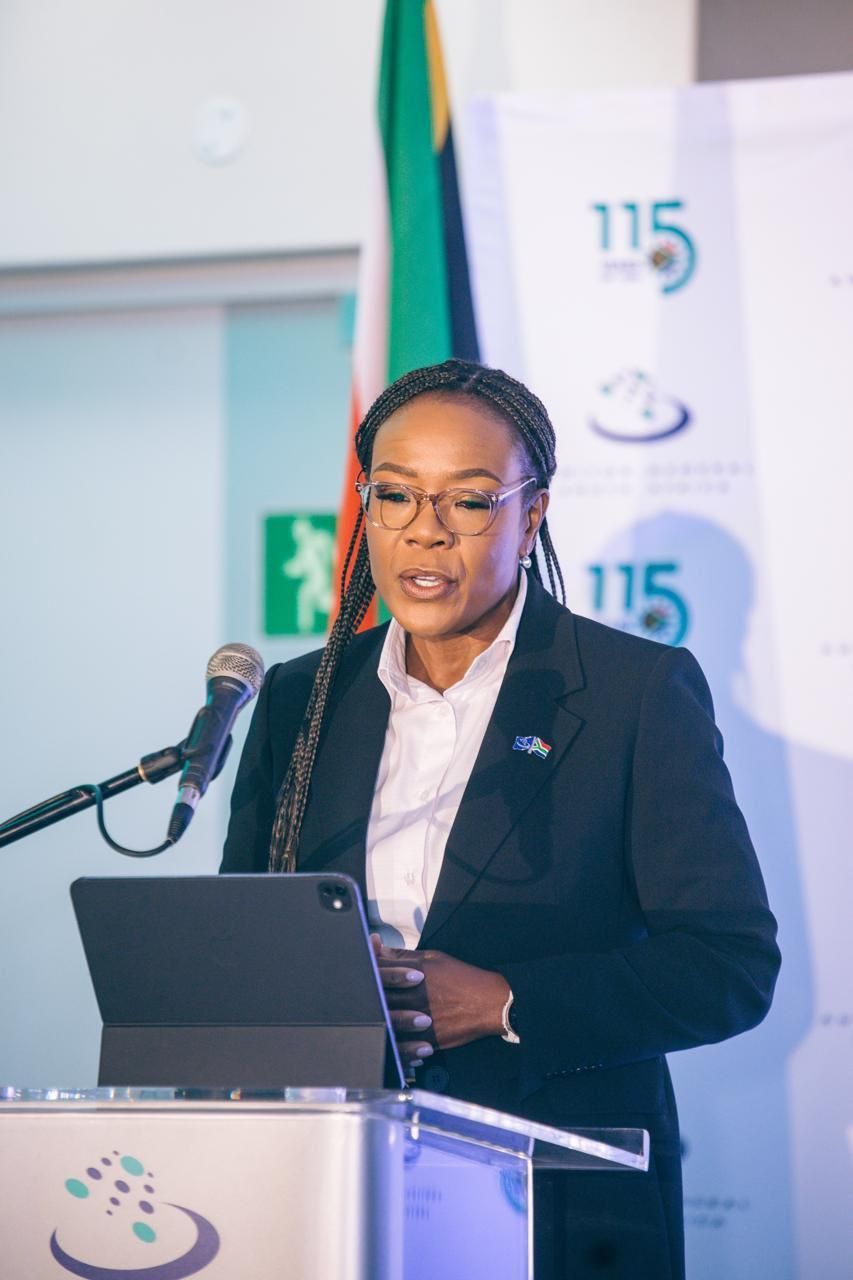
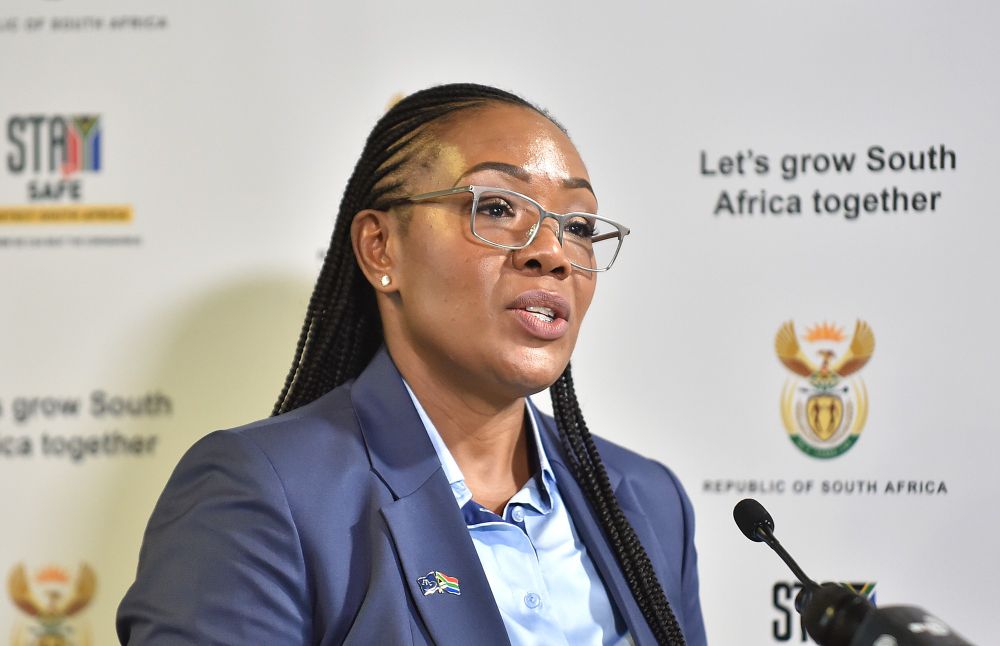
Auditor-general Tsakani Maluleke has raised the alarm over what she described as “concerning regressions” in the audit outcomes of the country’s eight metros.
1,278 words~6 min read