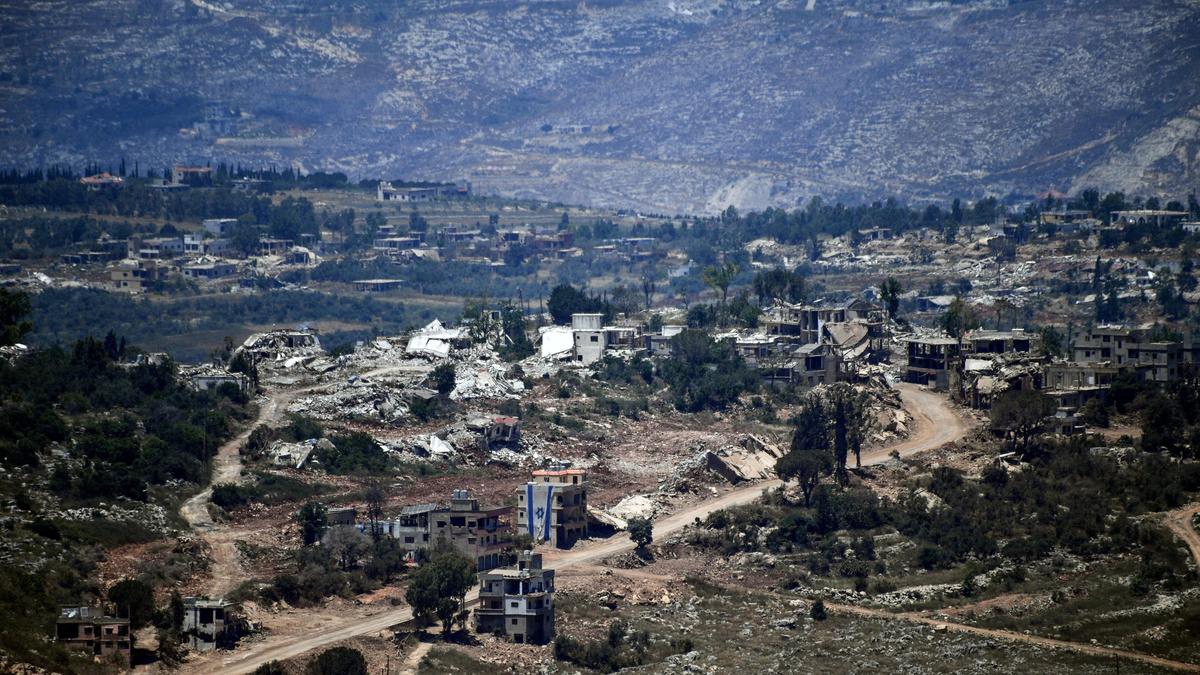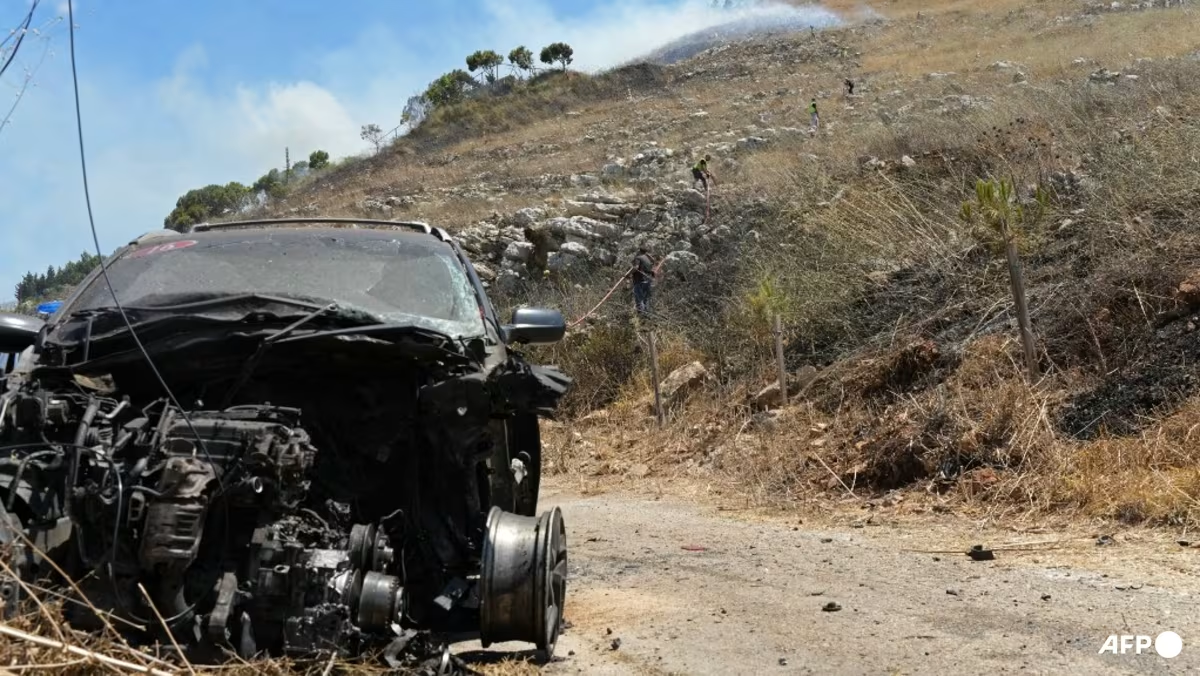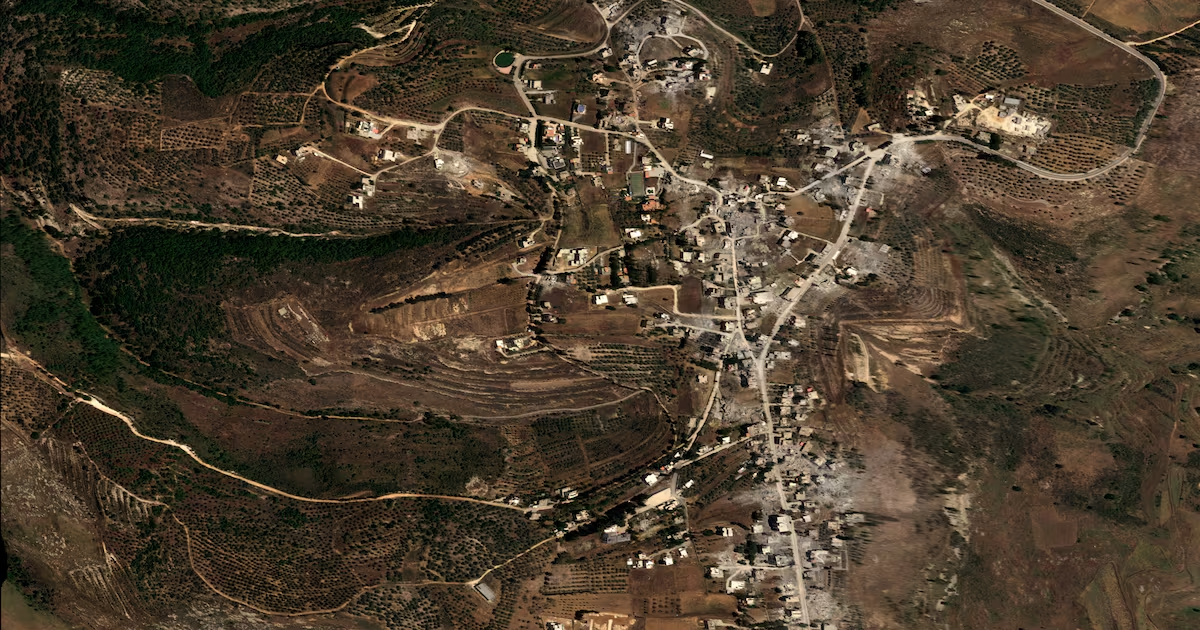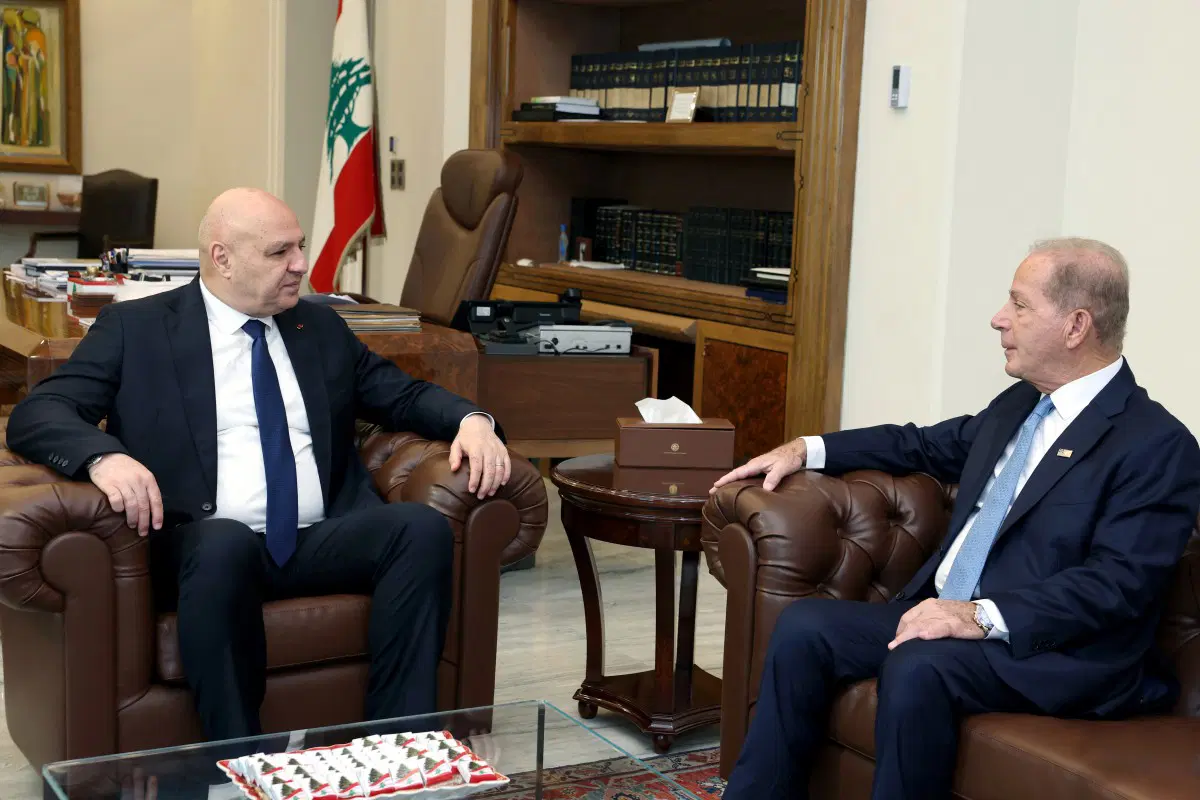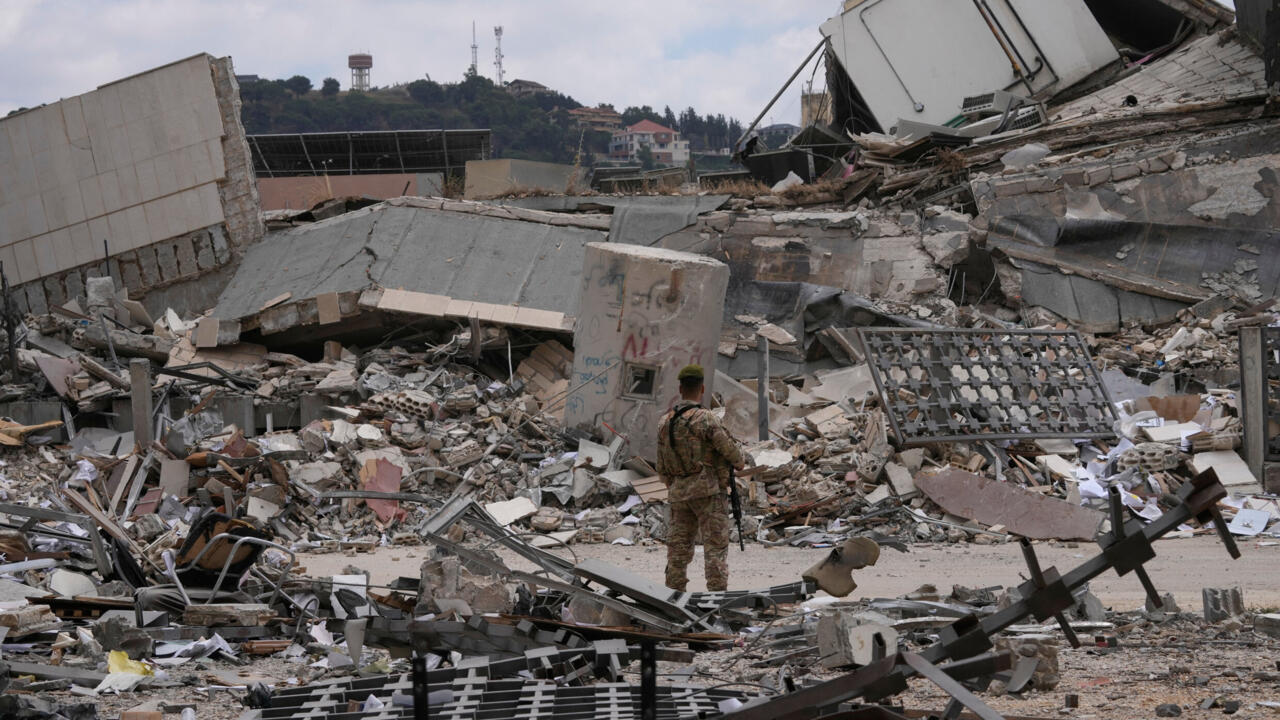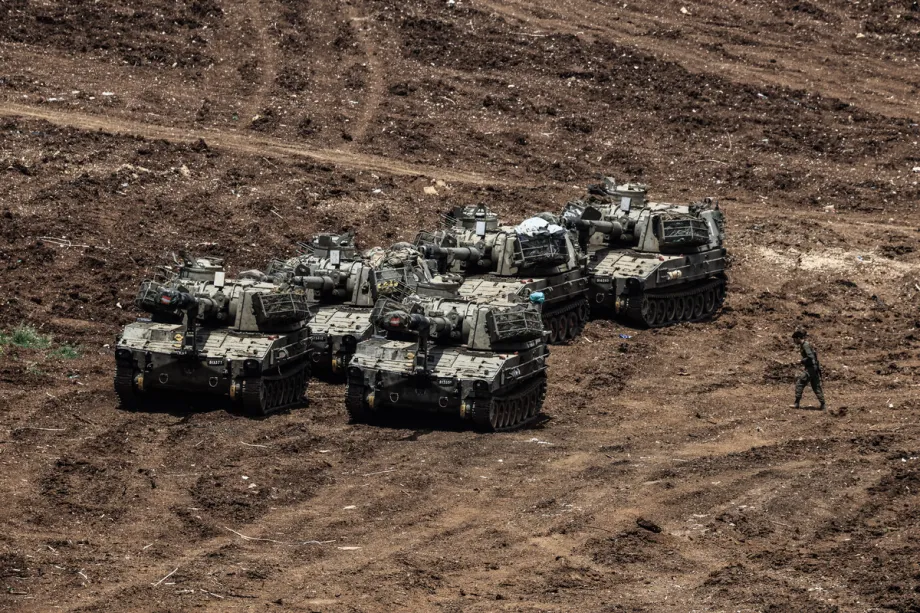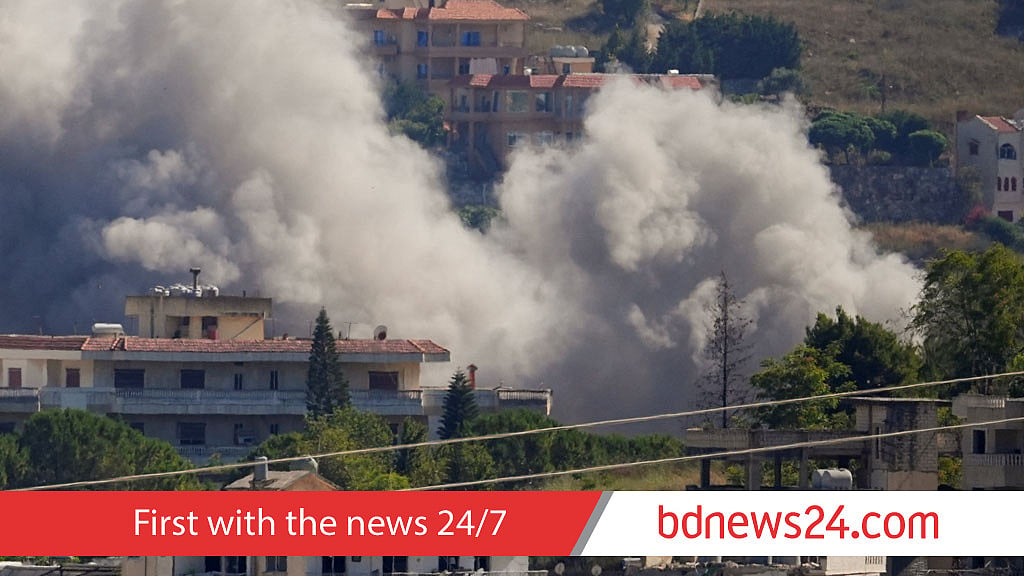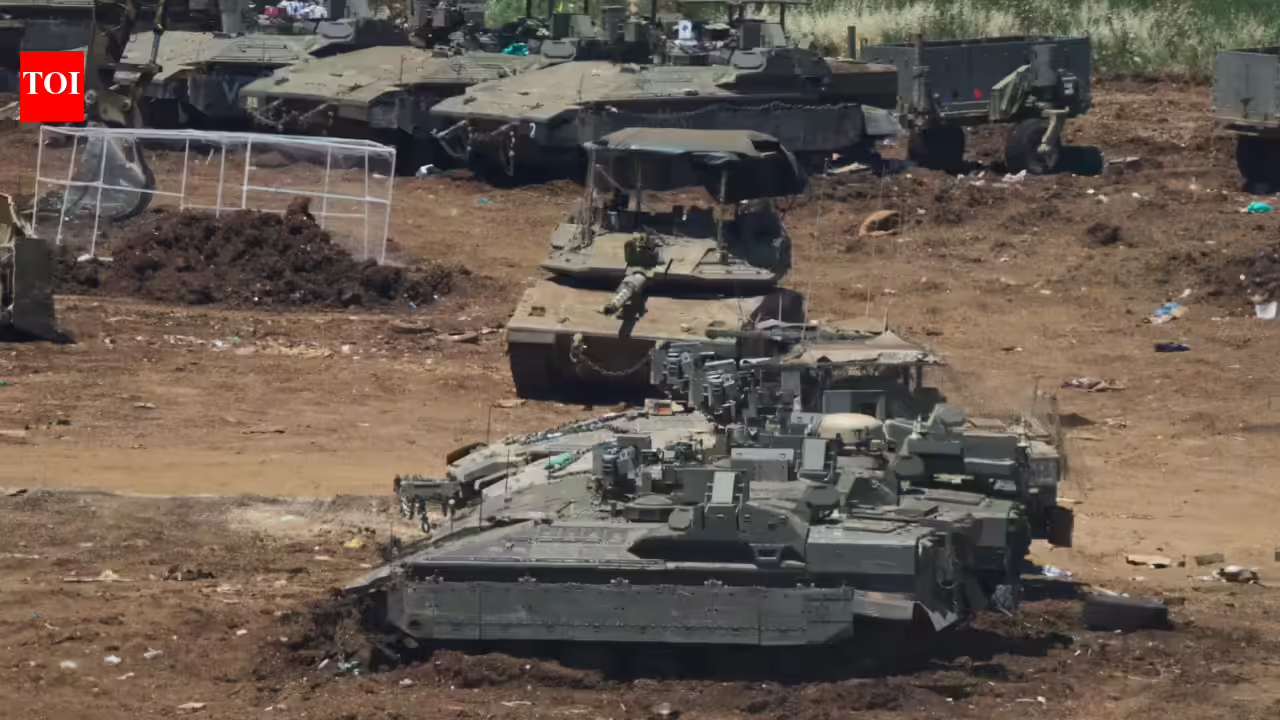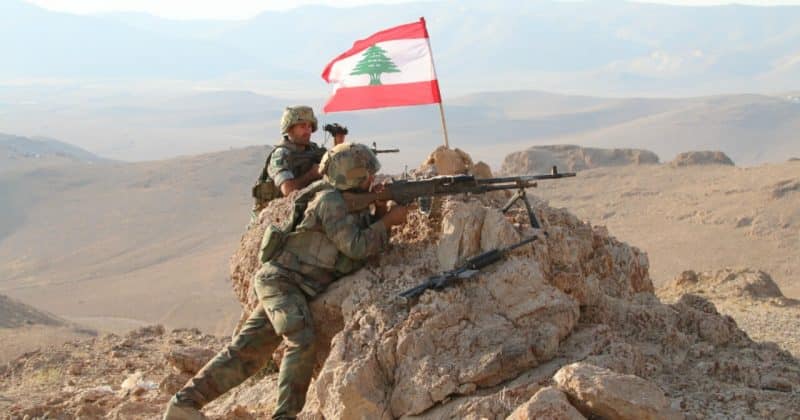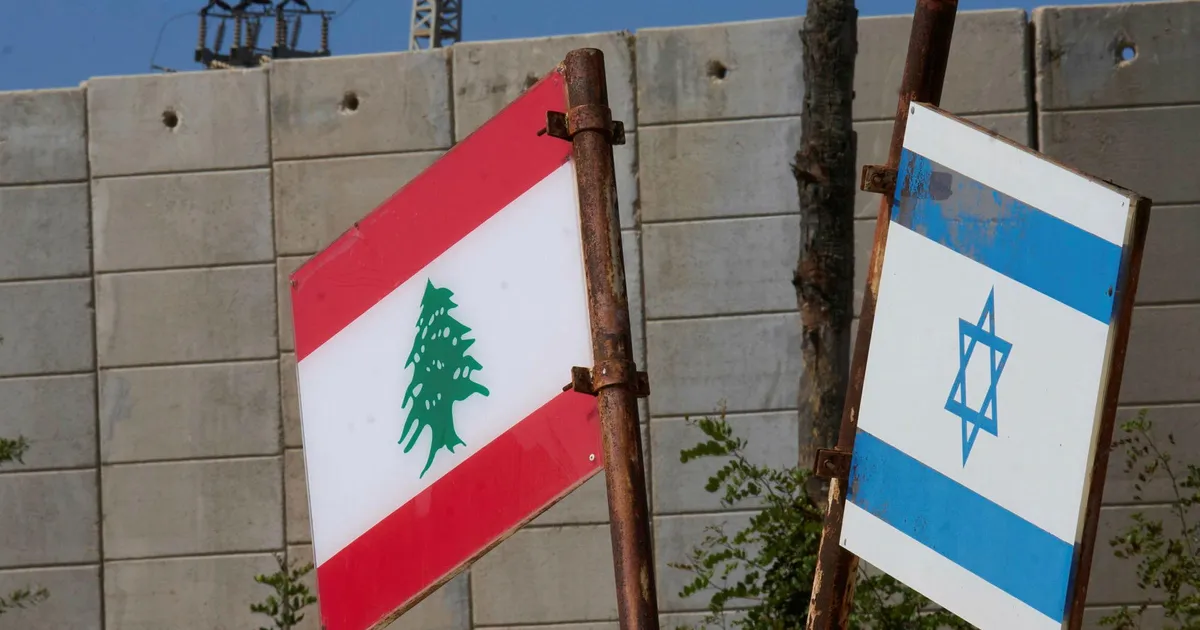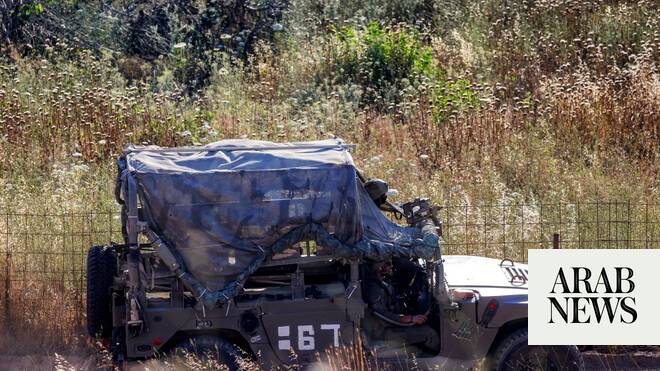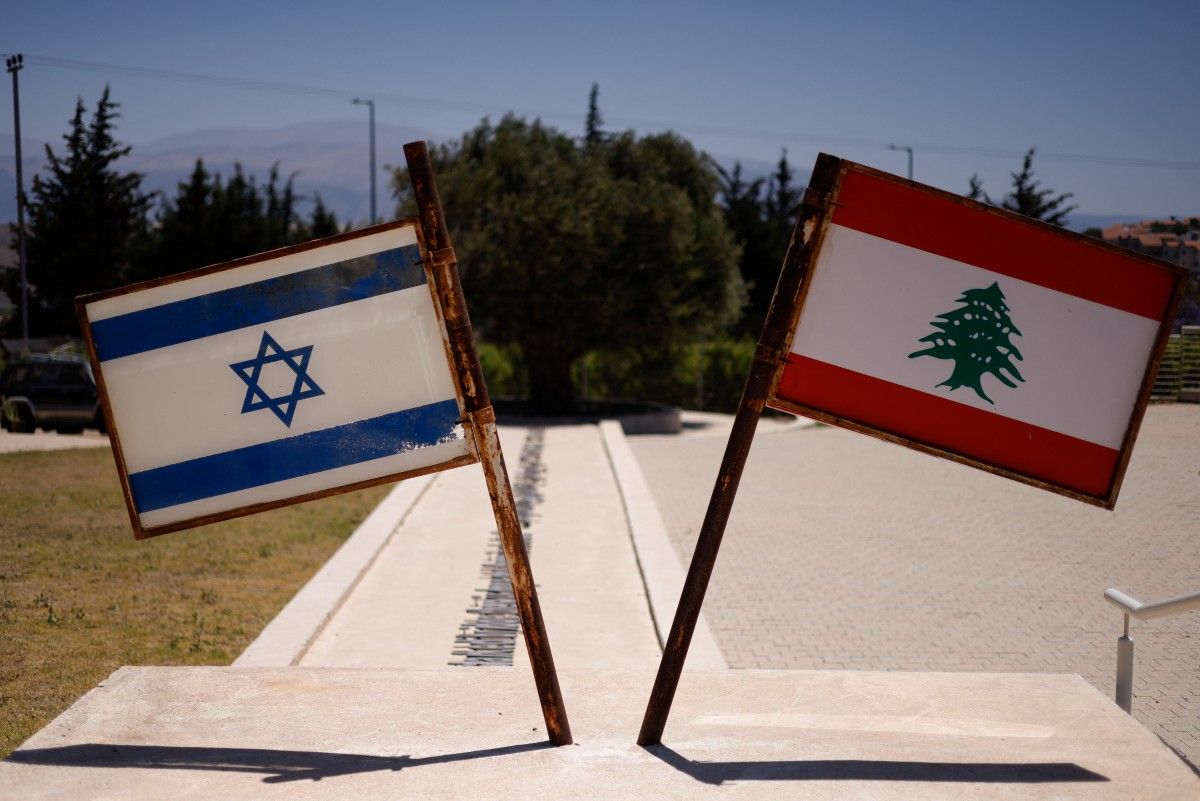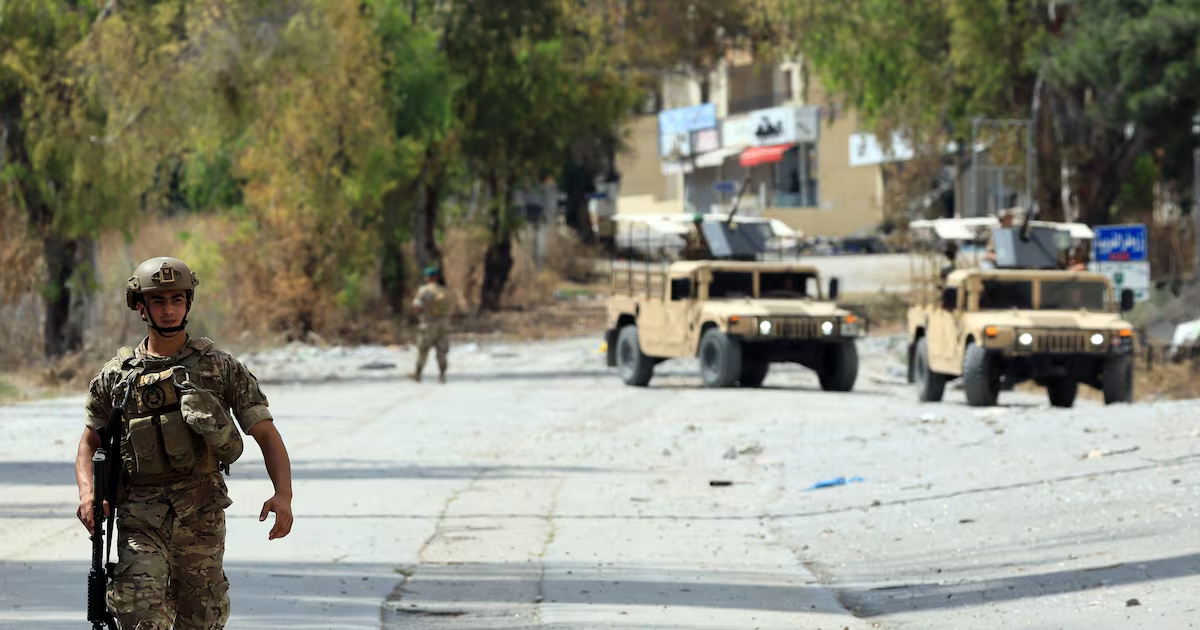
Lebanese President Joseph Aoun confirmed on Wednesday that his country is awaiting Israel's approval of occupied positions to be taken over by Lebanese troops as part of a “pilot” Israeli military withdrawal from southern Lebanon.Israeli officials told Reuters that the two countries are in talks over a US-backed process for parts of southern Lebanon to be handed back to Beirut's forces.The officials said the Lebanese troops involved would undergo US training and vetting to ensure they are not linked to Hezbollah, and that Israel would maintain a military presence in what it calls a “buffer zone” in southern Lebanon.Which areas will be handed over “remains under discussion pending approval from the Israeli side”, Mr Aoun told a delegation of British MPs. Iran has insisted that an end to hostilities in Lebanon be part of any final peace agreement with the US, but Israeli Prime Minister Benjamin Netanyahu was excluded from talks that led to the framework agreement between the two countries. He has voiced opposition to it and vowed not to withdraw from Lebanon.However, the US has been putting pressure on the Israeli government to stop its war against Hezbollah in Lebanon and agree to concessions. Last week, mediators in the US-Iran talks announced the formation of a “deconfliction cell”, including representatives from Iran, giving the country direct influence over developments in Lebanon.The cell was announced days before the latest round of US-mediated talks between Lebanon and Israel on Tuesday, with deep division remaining between the two sides' expectations for the next steps. The Lebanese government has no control of Hezbollah, Iran's main proxy militia in the Middle East.Mr Aoun condemned Israel's occupation of southern Lebanon, as well as foreign influence in his country. He voiced hope the negotiations in Washington would be “decisive” in restoring Lebanon's “full sovereignty over every inch of soil and extending the state's authority over all our land”, his office said.Play02:50The double-tap tactic: Israel’s killing of paramedics in LebanonBut Israeli ambassador to the US Michael Leiter warned that the talks were at risk of collapse. Israel has repeatedly said that its troops would remain in Lebanon until Hezbollah is defeated. “This is the fifth round of talks, and I must say – we are heading towards a train wreck,” Mr Leiter said.Despite his remarks, the situation in southern Lebanon continues to develop, with the Lebanese army having been cleared to increase its presence in several areas. Lebanese state media reported that army units had entered Ain Arab on Wednesday and begun reopening a road between the town and nearby Al Mari. The route was previously blocked by the Israeli military. Lebanese officials have insisted that direct negotiations with Israel are the only way to secure an end to the conflict, in which more than 4,000 people have been killed since early March. However, four rounds of talks have been held since April, and so far no durable ceasefire has materialised.A Lebanese official told Reuters he was sceptical that the current round of negotiations would make any progress. “There remains a fundamental problem of trust between us and the Israelis in these talks. We cannot fulfil their demands, and they reject all of ours,” the official said.A 2024 ceasefire led to the creation of a US-led mechanism involving France, UN peacekeepers Unifil, Israel and Lebanon, which was intended to serve as a channel for de-escalation along the border. It was repeatedly violated by Israel, which remained in southern Lebanon and carried out daily strikes across the country.Hezbollah did not respond to those attacks until the conflict flared up again on March 2, when the militant group fired rockets at Israel for the first time since 2024 in support of its backer, Iran.Lebanese political and security sources told The National the new mechanism could tie Lebanon's fate to the broader regional negotiations between Washington and Tehran. But many questions remain about the proposed mechanism, which includes Qatari mediators.“This means we now have two mechanisms: one that includes Israelis and Americans, and one that includes Iranians and Americans. Will the two mechanisms co-ordinate? It is likely to happen through the Americans,” a Lebanese security official said.A source close to Hezbollah had said the group remains committed to the ceasefire – if Israel withdraws its troops. However, the source stressed that any failure by the Lebanese delegation to secure an Israeli withdrawal would “contradict the provisions” of the US-Iran understanding.
Lebanon awaits Israel's approval for 'pilot' withdrawal | The National
Plan announced by Aoun involves Lebanese Army taking control of positions occupied by Israeli troops
731 words~3 min read