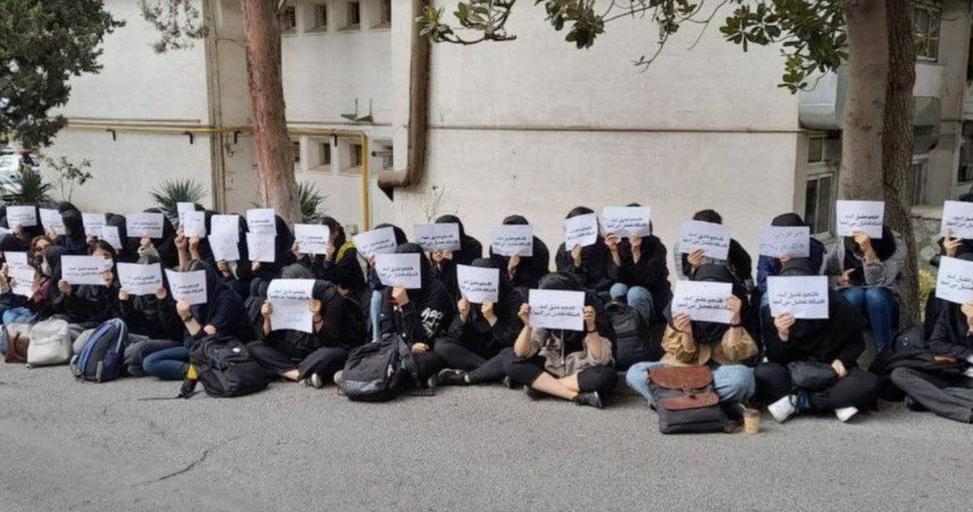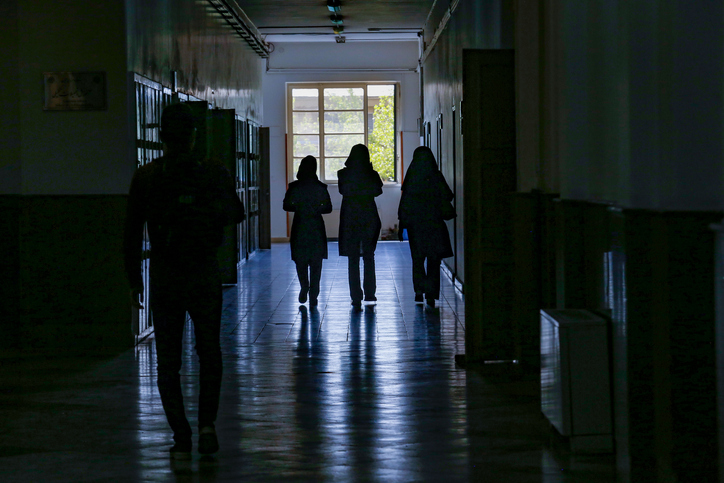
Since the beginning of the “Woman, Life, Freedom” uprising, Iranian universities have become one of the primary hubs of civil protest, an environment marked by security crackdowns, summonses, detentions, disciplinary verdicts, and the creation of judicial cases against hundreds of students. The threats and pressures did not halt after the 12-day war between Iran and Israel; rather, according to student activists, they intensified, placing universities under the shadow of security agencies more than ever before.
Students who became known solely for participating in union gatherings, publishing statements, or volunteering in civil campaigns now face the risk of expulsion, academic suspension, security profiling, and threats of arrest.
“Civil activism and protest were our absolute rights as students. Simply for being active in the ‘No to Execution’ campaign for Ehsan Faridi, we were repeatedly interrogated and threatened by the security department (Herasat) of the University of Tabriz in the presence of intelligence agents.”
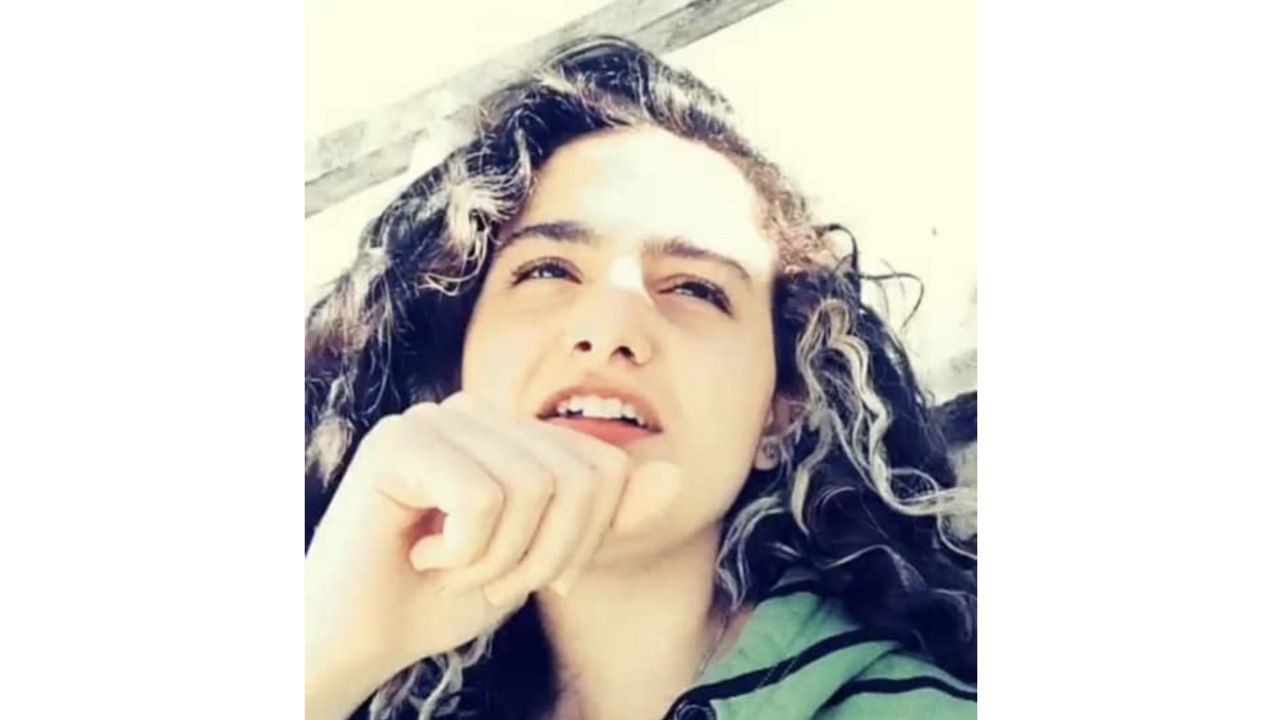
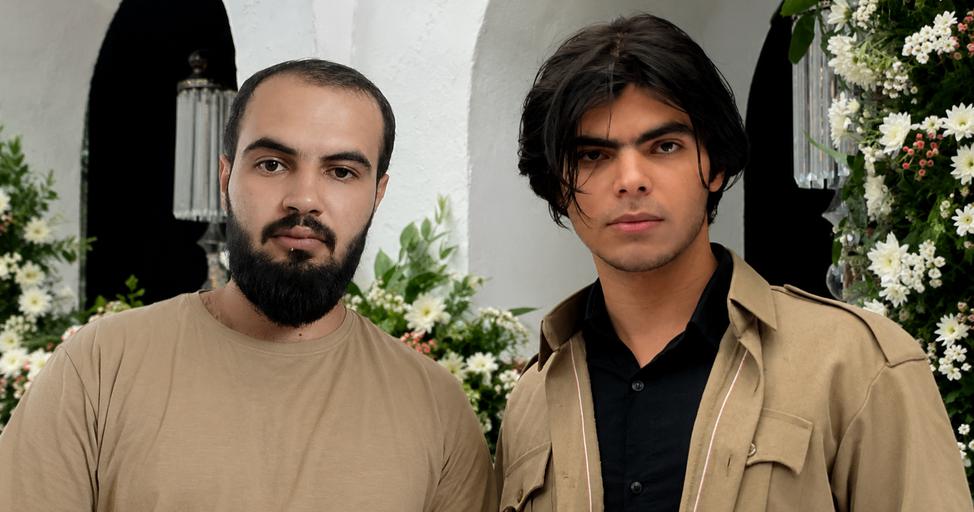
These are the words of Kavian Ghorbani, a 20-year-old Materials and Metallurgical Engineering student at the University of Tabriz, speaking to IranWire. Along with his brother, Karvan Ghorbani, a 22-year-old Applied Mathematics student at the same university, he was forced to leave Iran in May following months of intense security pressure.