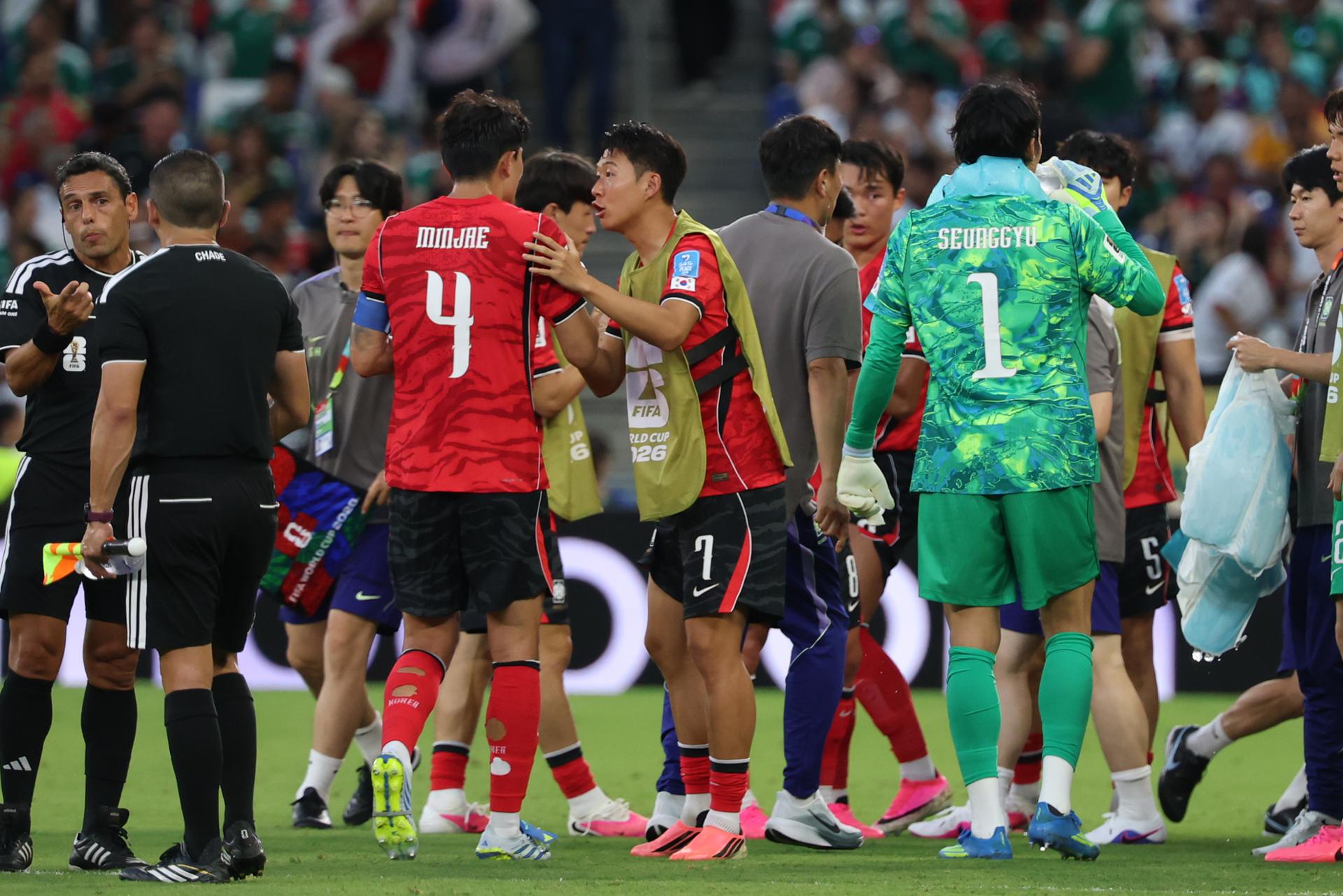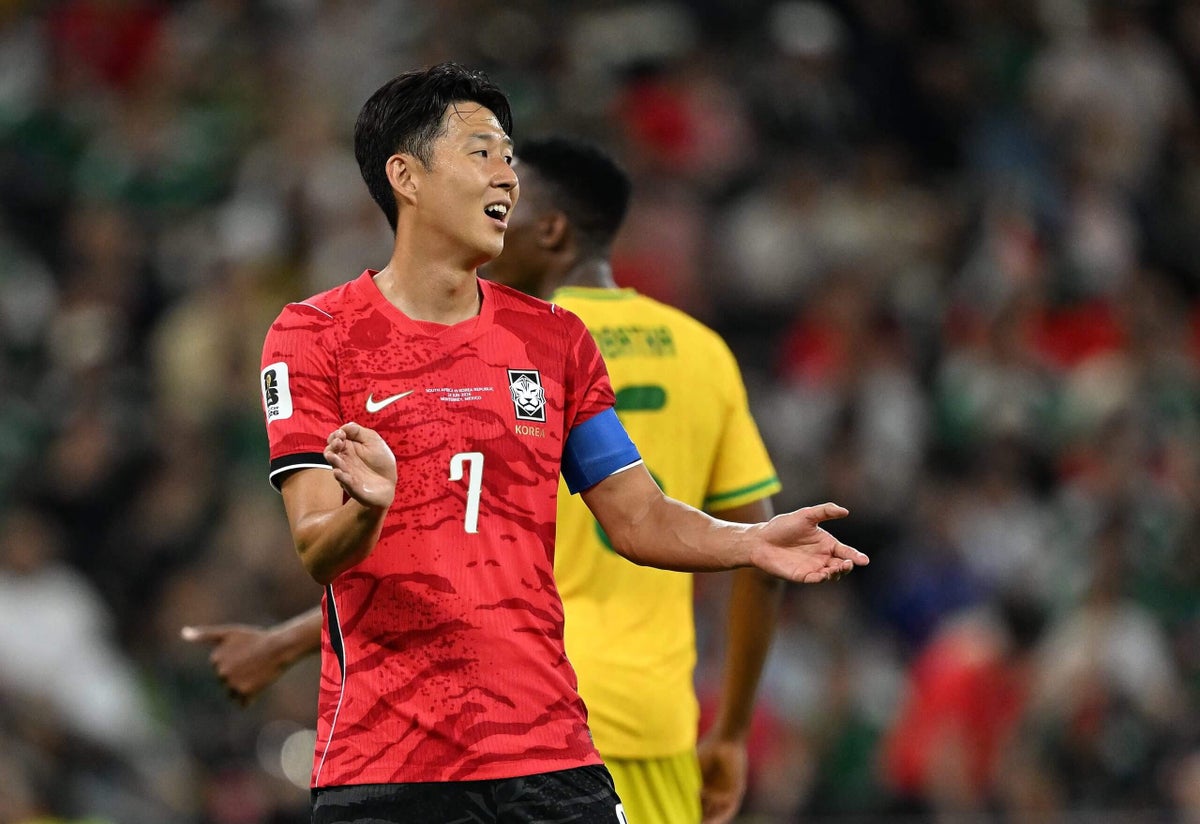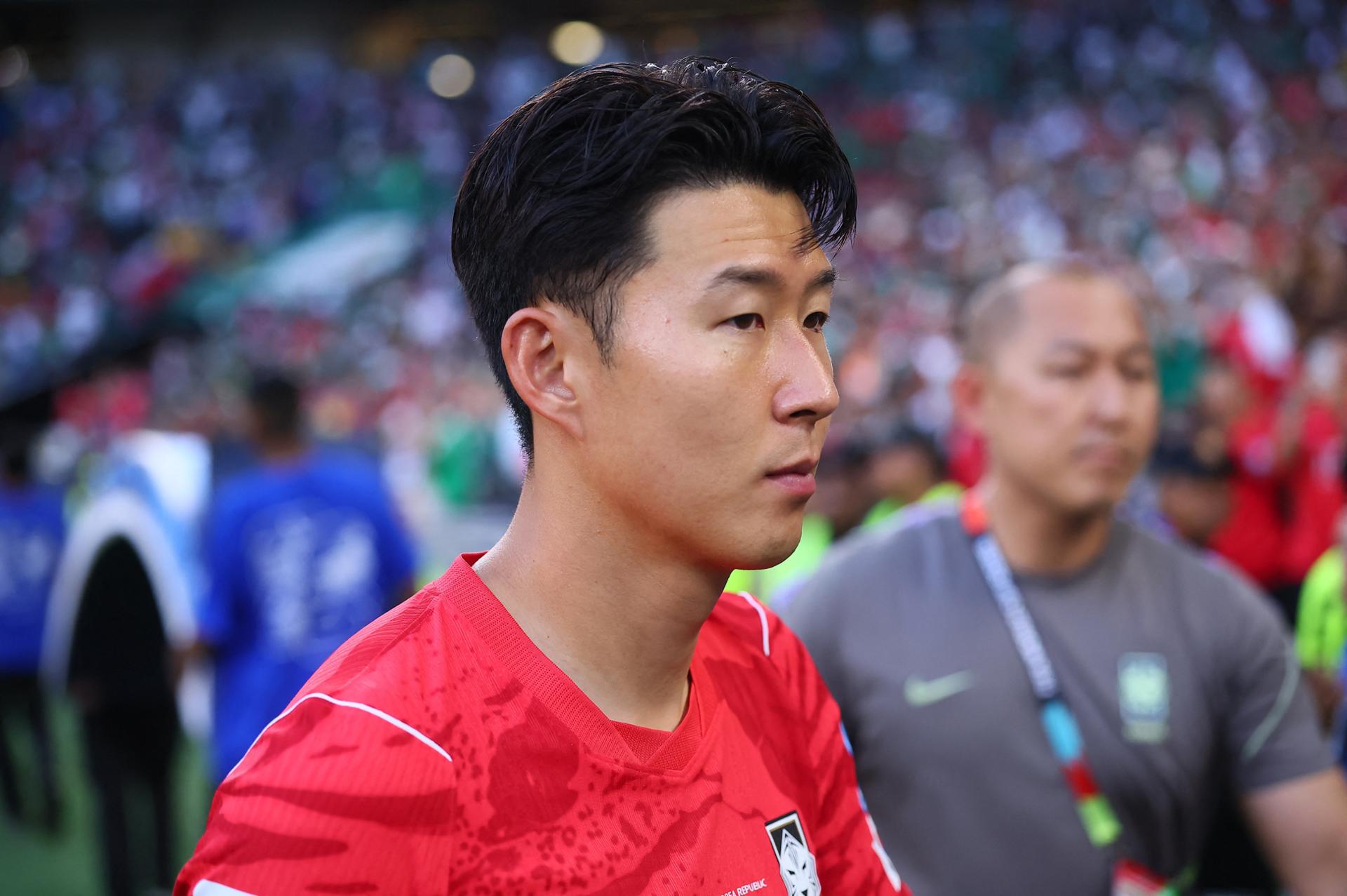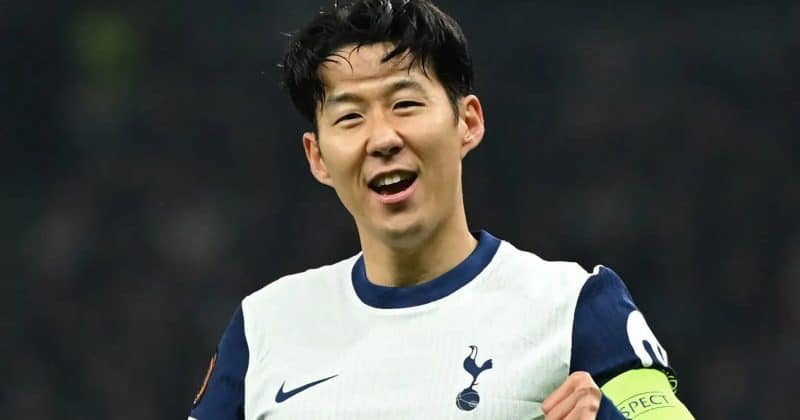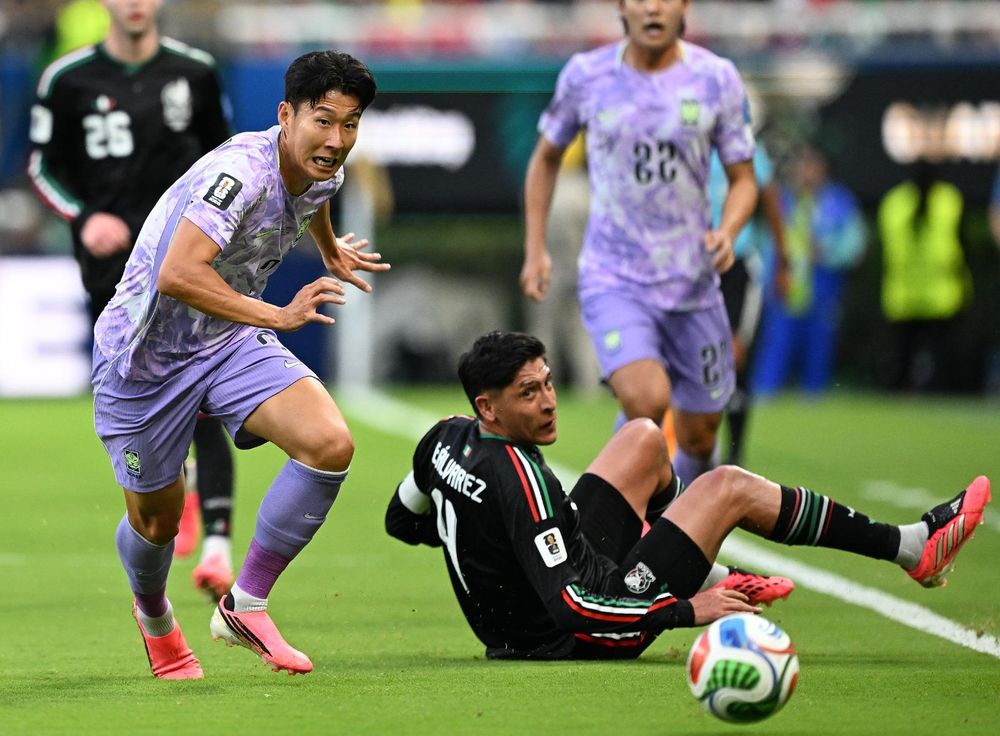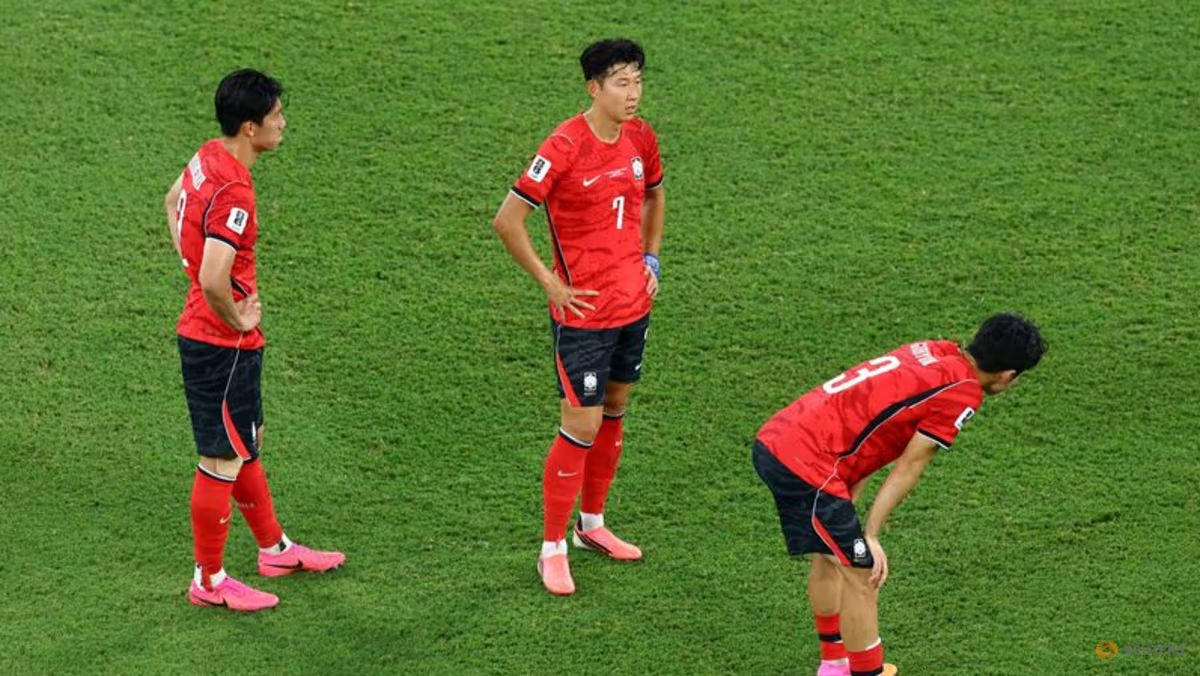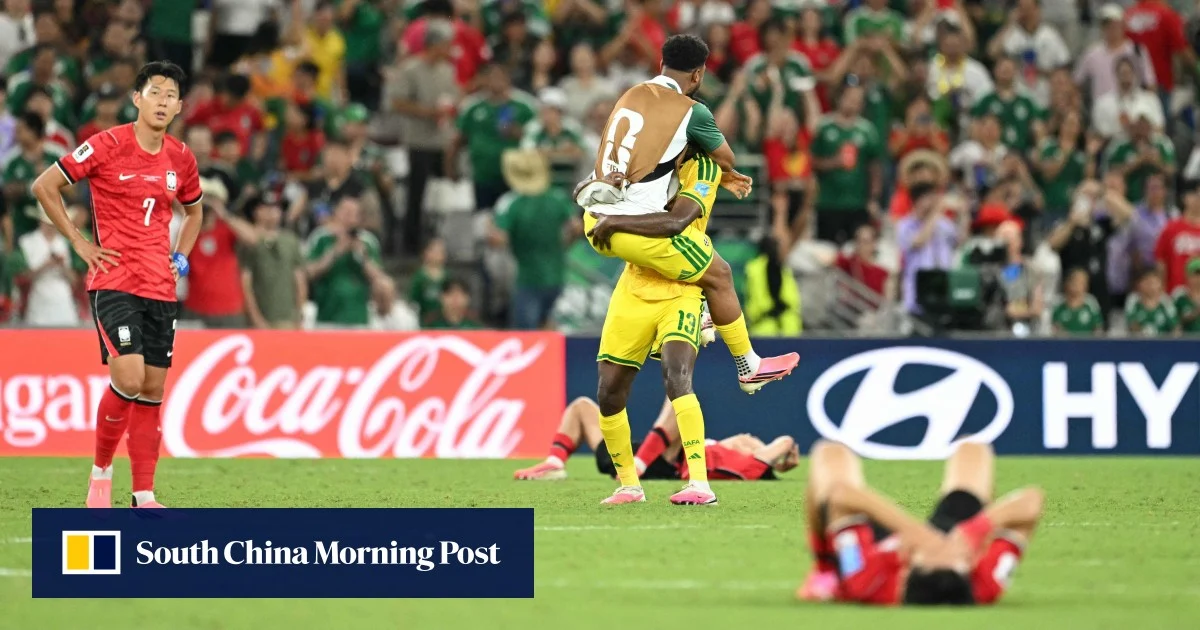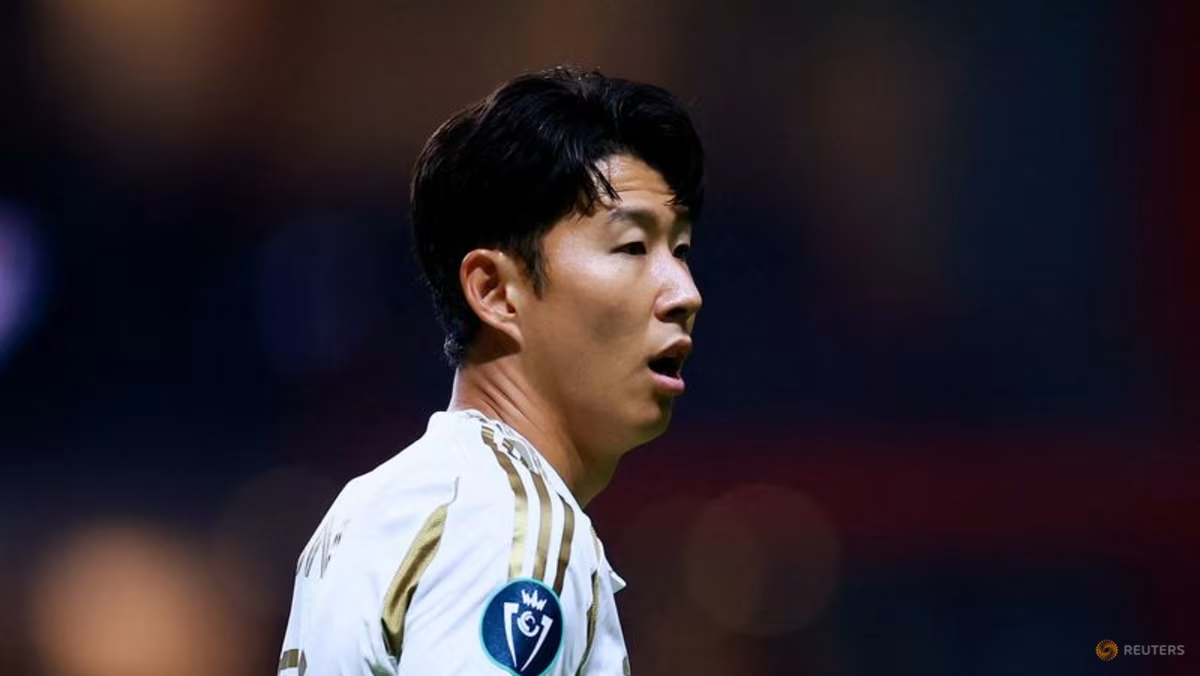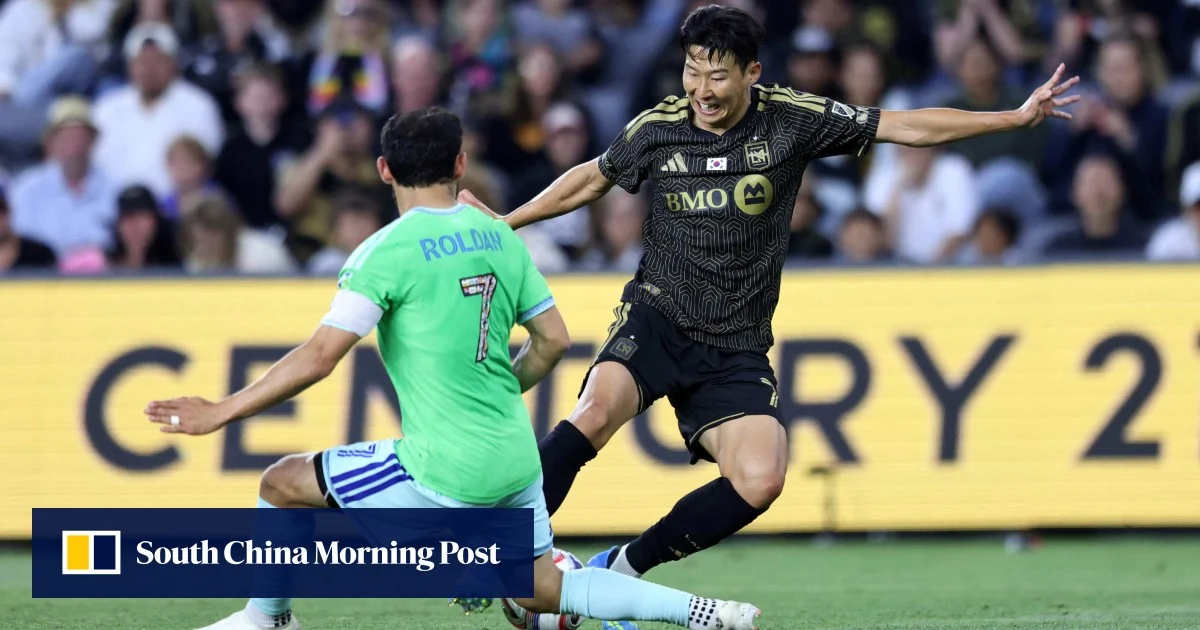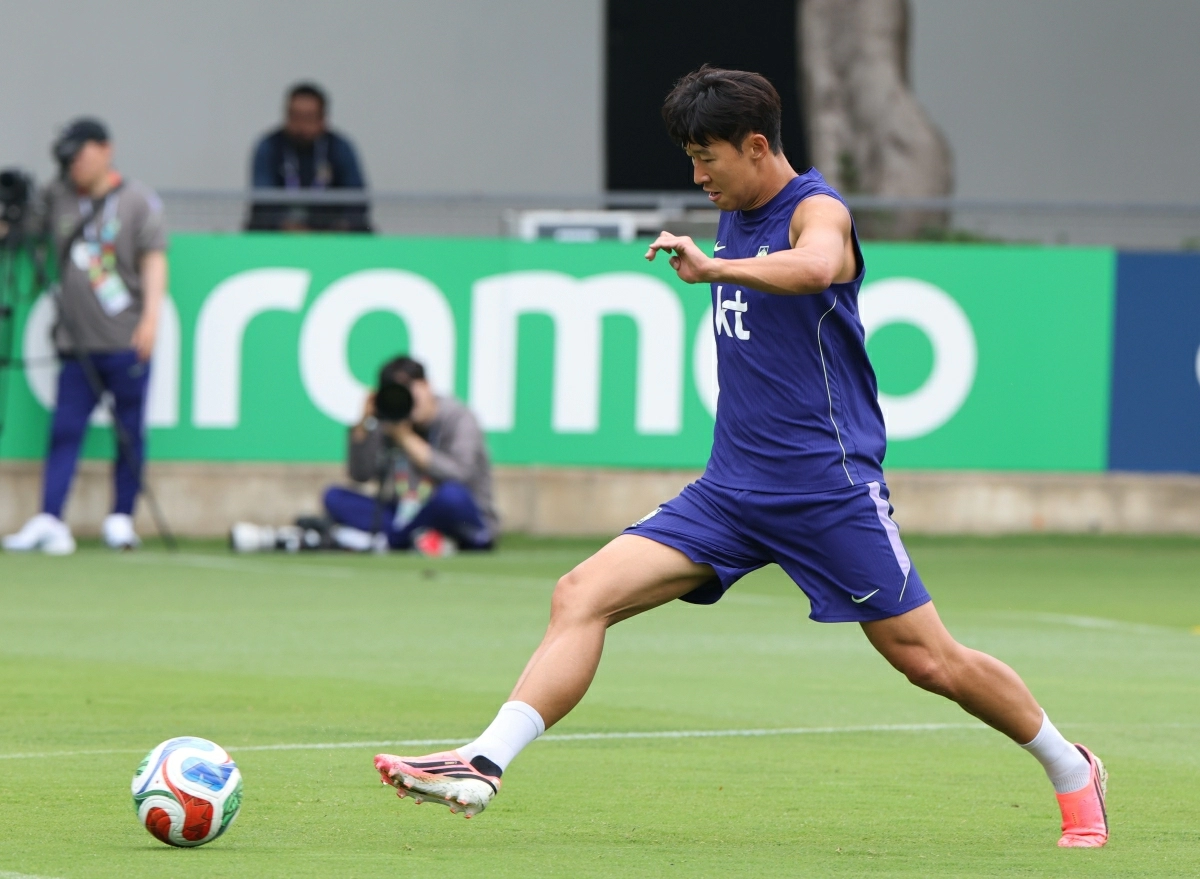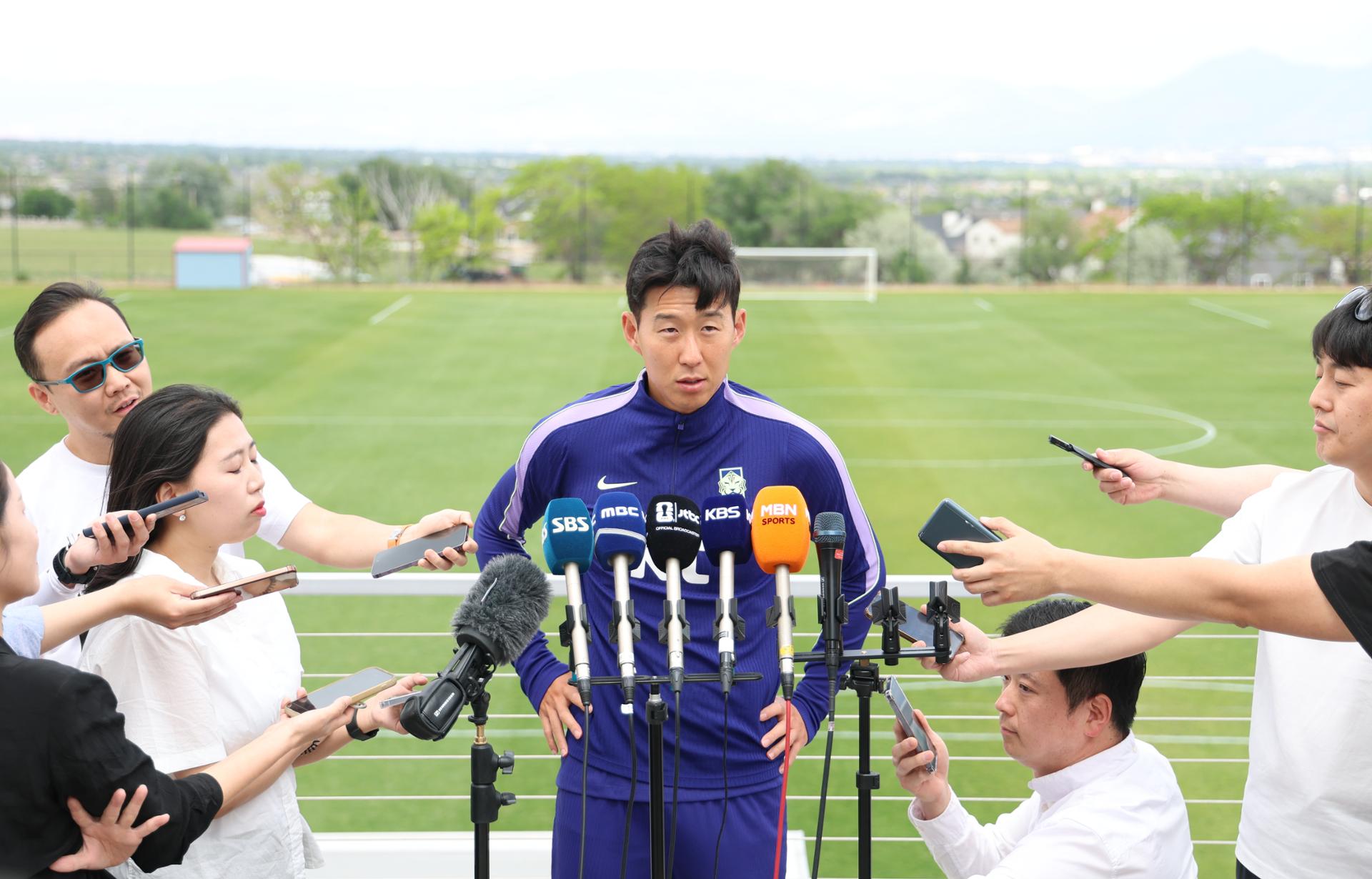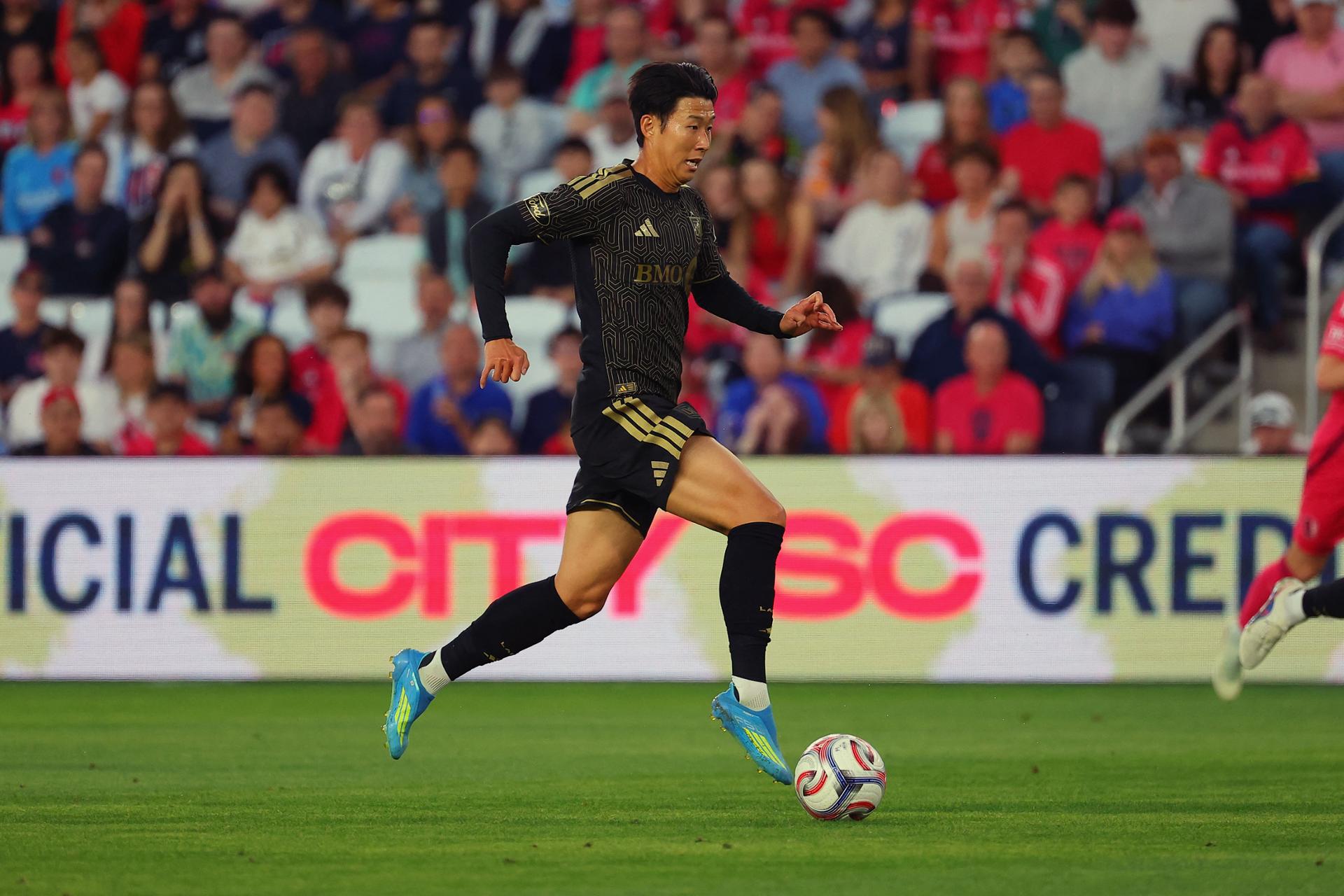
If you don’t know who Son Heung-min is, you probably aren’t a soccer fan—or Korean, in South Korea or anywhere else. Son, a.k.a. Sonny, is the thirty-three-year-old captain of South Korea’s World Cup team and the only Asian footballer who’s globally mononymous. (Some call him Sonaldo.) He attained this status over his decade-long tenure on Tottenham Hotspur, a top Premier League squad, where he and the Englishman Harry Kane formed an explosive partnership. They set each other up and scored in equal measure, like a single organism that could split and merge. Son moved fast, especially up the left wing, and arced balls masterfully into the corners of the net. He won the Puskás Award and the Golden Boot. Between 2019 and 2024, he was one of the league’s top scorers, and, after each of those dozens of goals, he acted as if it were his first, flashing a wide, boyish smile. That same joy was evident in his appearances with the Korean national team, through multiple World Cups, Asian Cups, and the Asian Games. He became known for his post-goal gestures: a pointer finger pressed to his lips, forming a hushed bond with his fans; or his “camera celebration,” two squaring “L”s, made by thumb and index finger, over his eye, like a photographer’s viewfinder. It was a way to freeze these moments for himself, he said.Last year, after Tottenham beat Manchester United in the Europa League championship, Son made a familiar career move: he went to the United States, signing with Los Angeles F.C., the top club in Major League Soccer, for a bankable semi-retirement. (His roughly $26.5-million deal set an M.L.S. record.) His relocation to the most Korean city in the U.S. has given Southern California soccer a transnational shine—much as Park Chan Ho, the pitcher for the Dodgers, did for Major League Baseball in the nineteen-nineties. But Son is, by the standards of his sport, getting rather long in the tooth. He played well for L.A. last summer and fall, scoring a hat trick in a game against Real Salt Lake and sinking a memorable long-distance free kick in a match against F.C. Dallas. (For the latter, he received the 2025 M.L.S. Goal of the Year award.) But he has played much less well since the start of the current season, in February, scoring zero goals in thirteen appearances.Coming into this, his fourth and, he has said, likely last World Cup, there was overweening anticipation. A global Korean yearning for the old Sonny to reappear and lead Korea into, and perhaps beyond, the semifinals—the team has gone past the round of sixteen only once, in 2002, when it co-hosted the World Cup with Japan. (Every Korean fan has an outsized memory from that year. I was in Seoul then, fresh out of college and trying to find my roots in a sea of red shirts and syncopated five-clap cheers.)In the World Cup draw, six months ago, South Korea had the good luck of getting Group A, teeing up first-round matchups against two teams it could reasonably defeat (South Africa, Czechia) and one that it could probably tie (Mexico). The squad is also deeper than it has been in more than a decade. Besides Sonny, there’s Lee Kang-in, who plays for Paris Saint-Germain; Hwang In-beom, a midfielder for Feyenoord; Kim Min-jae, of Bayern Munich; and Midtjylland’s Cho Gue-sung, who’s known for being tall and “well, incredibly hot”—a Vogue Korea cover model—as the Athletic recently noted. If this is, as some believe, a golden generation of Korean football, then Son is its paterfamilias.Yet here we are, shortly before Korea’s third game in the group stage, and Sonny seems a bit distant; gauzy. In the first match, against Czechia, Korea won 2–1, but neither goal was his. “These days, when he tries to score, his finishing’s a little off,” Jinseok Yang, a blogger for the Korean soccer site Taeguk Warriors, told me. “His age might be catching up to him.” Last week, in a game against Mexico, in Guadalajara, Son took a promising, but unsuccessful, lob shot early on (which was blocked by an opponent’s gravitationally improbable bicycle kick), then seemed to wear himself out, running up and down the pitch. And he wasn’t the only one. Confronted by a stubborn Mexican defense, the Koreans receded into a zigzag of impressive but somewhat fruitless passing. Then, just a few minutes into the second half, Korea’s goalie, Kim Seung-gyu, tumbled over a defender and let the ball slip out of his hands, giving the Mexican midfielder Luis Romo an easy goal. Sonny was subbed out a few minutes later. At the whistle—final score: 1–0—the Koreans on the field shrivelled into various postures of defeat. They had worn new lavender uniforms instead of their usual red, a tribute to the rose of Sharon, the Korean national flower. (Purple is also the color of the K-pop super group BTS.) Now the players were clumps of broken petals on grass. My viewing partner—we’d ended up watching, surrounded, at a Mexican bar—summed up the game as a “total mental collapse.” Mexico will now advance beyond Group A, but so will Korea, unless it loses in an upset to South Africa on Wednesday.Korea fans have many people to blame. For instance, the head coach, Hong Myung-bo, who’d been a star player for the national team in the 2002 World Cup, is now alleged to be a lazy strategist. (During this World Cup, the camera has often cut to him in moments of frustration, pacing and blowing his long hair out of his face.) Other fans have targeted Chung Mong-gyu, the outgoing director of the Korean Football Association, who’s been accused of improperly interfering in the management of the national team. In the games so far, there have been quite a few fumbles and an apparent slackness of mind and limb. Son, though, has largely been spared condemnation. As Rachael Joo, an anthropologist of sport at Middlebury College, told me, Son is untouchable. “I don’t think there’s anything he could do that’s negative,” Joo said. “If he doesn’t do well, there will always be a reason why. He transcends all classes and political divisions.”Son is so essential to the South Korean brand, so much a part of its patrimony, that he was exempted from the twentyish months of military service required of every male citizen. He’d won this privilege in 2018, when he captained the national team to a gold medal in the Asian Games—beating Japan, Korea’s perpetual rival, no less. (Exemptions are granted on an individual basis, and depend on the type of win, age, and other factors.) Sonny had never looked so ecstatic: a mix of athletic victory and thank-God-I’m-not-in-fatigues relief (a popular hashtag at the time: #SavingPrivateSon), though he eventually did three weeks of basic training. The exemption gave Sonny his best years with Tottenham; by extension, the Korean national team earned itself a superstar striker.But getting out of military service remains controversial in South Korea, and last week, a minor scandal intruded on the usual rhythms of the World Cup. A Korean broadcast channel got hold of audiotape in which several Korean reporters covering the tournament had been recorded grousing about Son before the match against Czechia:“He runs like he’s in the Army. Maybe because he’s the team captain?”“But, fuck, he didn’t even go to the Army.”“These shits don’t know the first thing about the Army.”“Well, he did serve a little.”The Korean Football Association was furious, responding to this juvenile, but ultimately harmless, prattle by boycotting the Korean press. In an odd statement, made odder by an awkward translation (not mine), the association said (in the first person, for some reason): “I ask the media and members of the football community to unite in support so that the South Korean national football team can showcase its best performance on the World Cup stage.” It was media repression in the guise of a national project. Sonny later walked by the press gaggle without giving the journalists so much as a glance. A representative of Korea’s World Cup press corps resigned; reporters apologized to Son in a meeting.The media blackout, combined with Son’s less-than-out-front performances thus far, has made for a somewhat quiet World Cup, Korea-wise. But off the field, in Mexico and in Son’s adopted M.L.S. home of Los Angeles, there have been many gleeful expressions, and revisited histories, of binational love. A Korean fan crowd-surfing a green-jerseyed Mexican throng; Korean tourists selfie-ing smooches from Mexican strangers. El Tri’s affection for the Reds goes back to the 2018 World Cup, when Korea’s surprise victory over Germany (Son scored in the ninety-sixth minute) allowed Mexico to advance to the round of sixteen, and Mexican fans took to saying, “¡Coreano, hermano, ya eres mexicano!” (“Korean brother, you are Mexican now!”). The current head coach of the Mexico team, Javier Aguirre, had coached Lee Kang-in on La Liga’s R.C.D. Mallorca, turning him into a fearsome midfielder before he transferred to P.S.G. Mexico has a small population of ethnic Koreans and a large population of ardent K-pop fans. It made sense that Ejae, the Korean American idol behind the animated movie “KPop Demon Hunters,” would sing a new soccer anthem at the opening ceremony, in Mexico City. (“This is more than just a game / It’s our DNA.”) A lot of Mexico fans would be happy to see the Korean team advance with them, out of Group A. The hope, in the coming South Africa match, is that Sonny will help it do so. “Son is a legend,” Yang, the blogger, said, “even to non-Koreans.” ♦
Can Sonny, South Korea’s Legendary Captain, Deliver in His Final World Cup?
All eyes are on Son Heung-min, the beloved thirty-three-year-old striker, as he attempts to re-create the magic of the country’s 2002 run.
1,599 words~7 min read