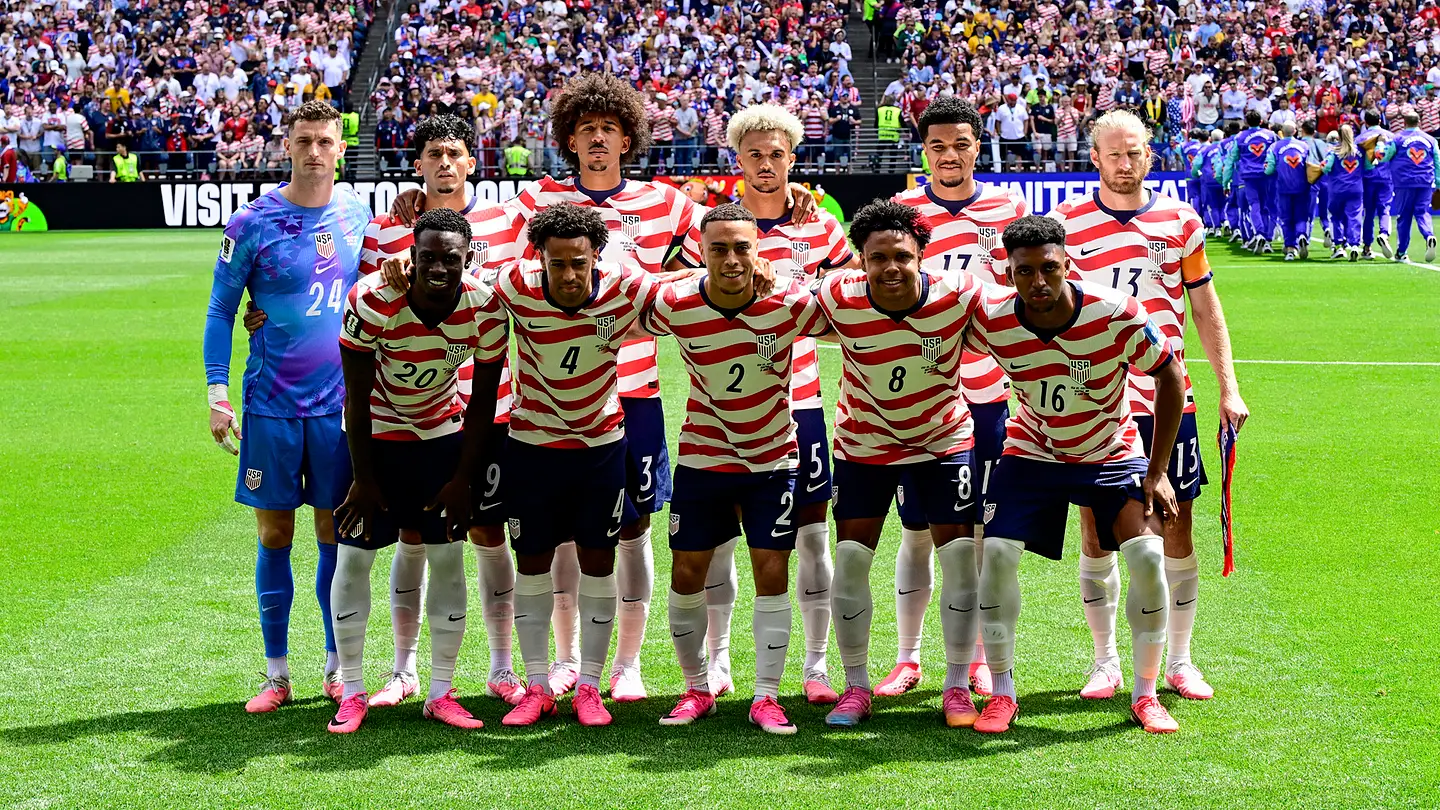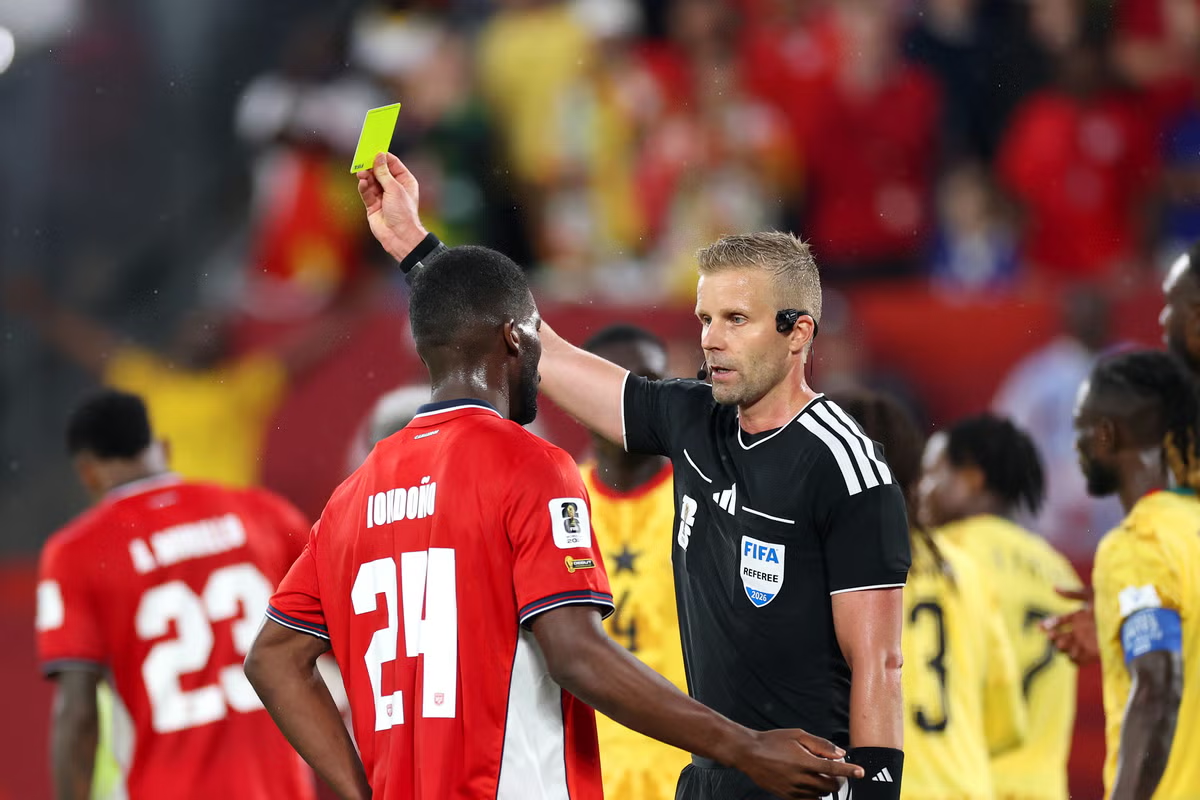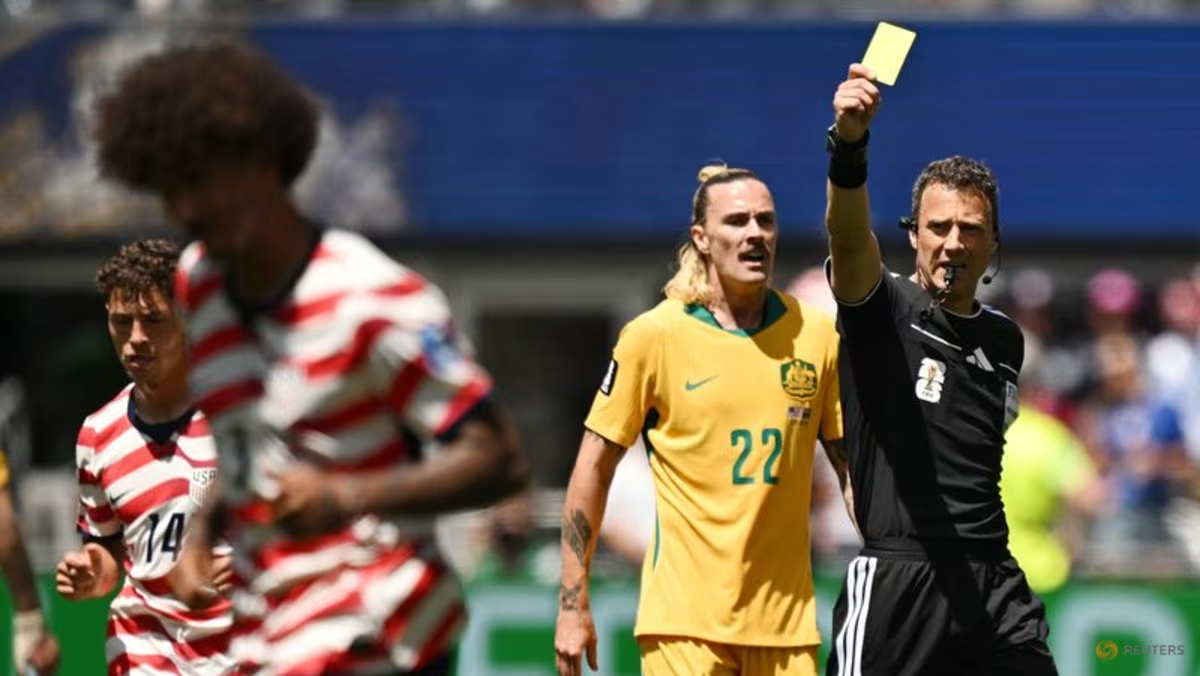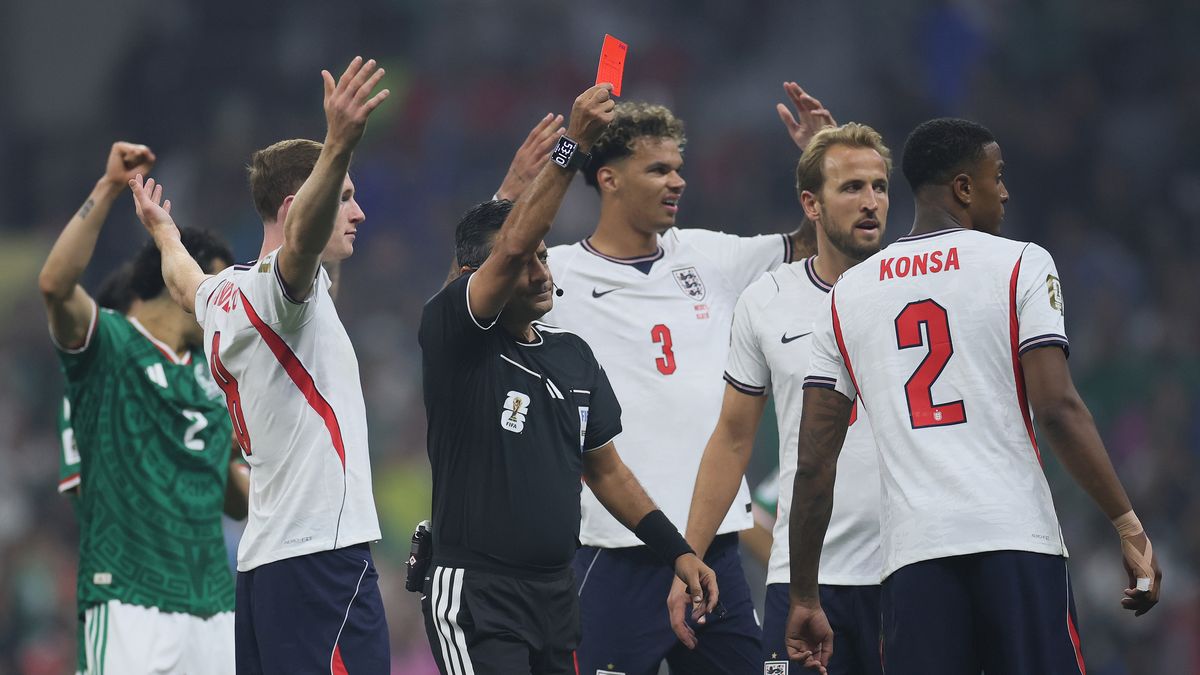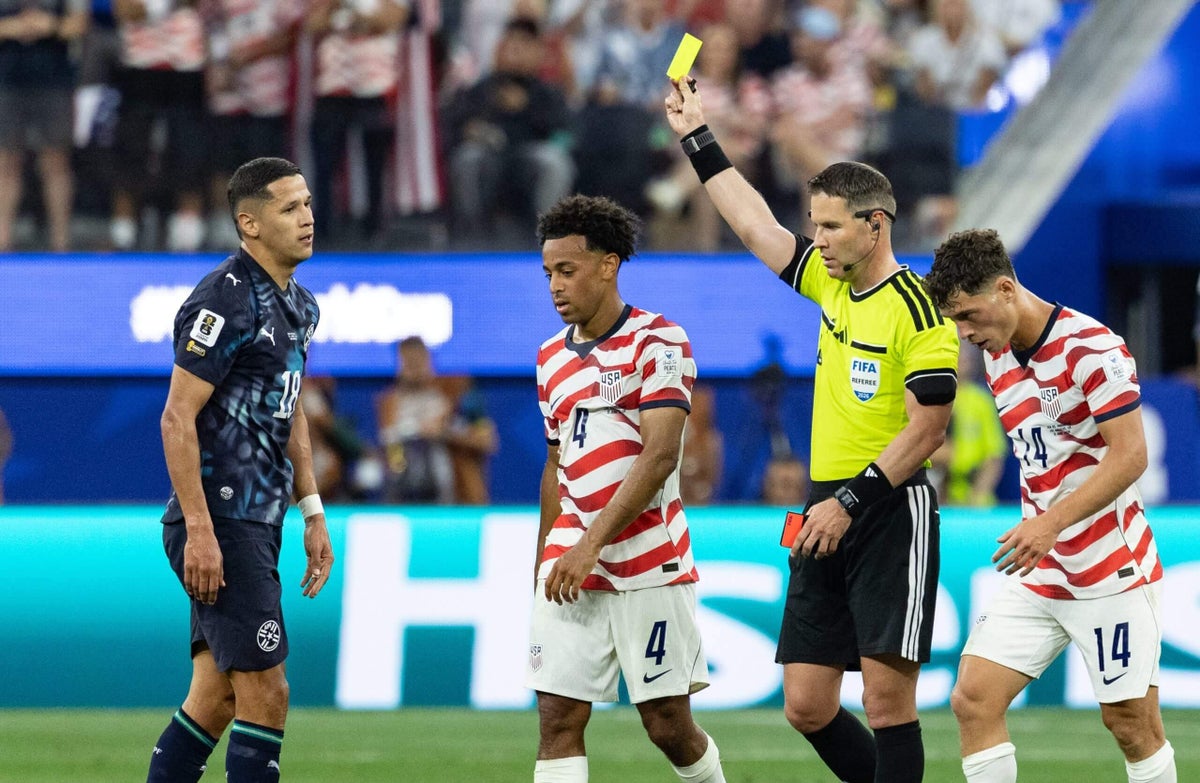
Folarin Balogun, Tyler Adams and Chris Richards have been integral to the USMNT’s stunning start to the World Cup — but would Mauricio Pochettino be wise to bench them in their final group game against Turkey to avoid the risk of suspension?Thomas Tuchel has the same dilemma with England midfielder Declan Rice against Panama.Much like Canada’s Derek Cornelius, Alistair Johnston and Luc de Fougerolles, they are among 97 players who are one mistimed tackle or moment of madness away from missing their nation’s crucial knockout round tie because they have been booked in one of their opening two games.Points, goals and head-to-head records may determine which teams make it through to the World Cup’s new round of 32, but it is discipline which could decide whether some players are forced to sit on the sidelines.Players can be suspended for the first match of the knockout phase should they receive two yellow cards across their team’s first three matches.Here, The Athletic explains what the new rules are, who is at risk and digs up some famous yellow-card related suspensions from football’s past.What are the new accumulation rules?Yellow cards are awarded to players for offences including repeated or reckless fouls, time-wasting, halting an opponent’s attack or simulation.A player can play on with a booking, but one-game suspensions occur if they accumulate two cautions over two separate matches, until their yellow card record is wiped.The expansion of the tournament from 32 to 48 teams and the subsequent new ‘round of 32’, meaning any country to make it out of the group stage plays an extra game, has made it easier for players with a tendency to get booked to avoid suspension.In the Qatar World Cup in 2022, with teams getting to the final playing seven games, cards were only wiped after the quarter-final stage, meaning players had to tread a disciplinary tightrope for five games only being booked once to avoid a ban.Get free access to the most comprehensive World Cup coverage in The Athletic appThat changed from previous tournaments in 2010, where cards were wiped after the group or round of 16 stages, giving players less chance of suspension but more likelihood of missing the final. There was more opportunity to amass bookings in the knockout stages. Just ask Paul Gascoigne.For the 2026 edition there are two windows of three matches after which cards are wiped, one after the group stage and one after the quarter-finals.But any player who has been booked in one of the two previous group stage games is at risk of being banned for the round of 32, should they receive another yellow card in their final group game.Teams can also be punished for their players’ disciplinary record. If nations are level on points after three group stage matches, they are then ranked based on their head-to-head record, goal difference and goals scored.If those three are all level, albeit an unlikely scenario, the side with the best disciplinary record will finish higher, with points deducted for every card shown.Who could get banned?The following players have received one yellow card over the course of the group stage. Only players whose nations could still qualify are included.Players are already banned for their final group stage match if they were booked in their first two matches, with Cape Verde’s Sidny Lopes Cabral and South Africa’s Teboho Mokoena, who scored from the penalty spot in their 1-1 draw with Czech Republic, unavailable for their teams as a result.Cape Verde’s Sidny Lopes Cabral will miss their last group game against Saudi Arabia (Alex Gottschalk/DeFodi Images/DeFodi via Getty Images)Five players are also suspended after receiving straight red cards in their nation’s last matches, including Paraguay’s Miguel Almiron and Belgium’s Nathan Ngoy.
Which World Cup players are at risk of suspension?
This World Cup's expansion means there are now two windows for players to have bookings wiped from their records
861 words~4 min read