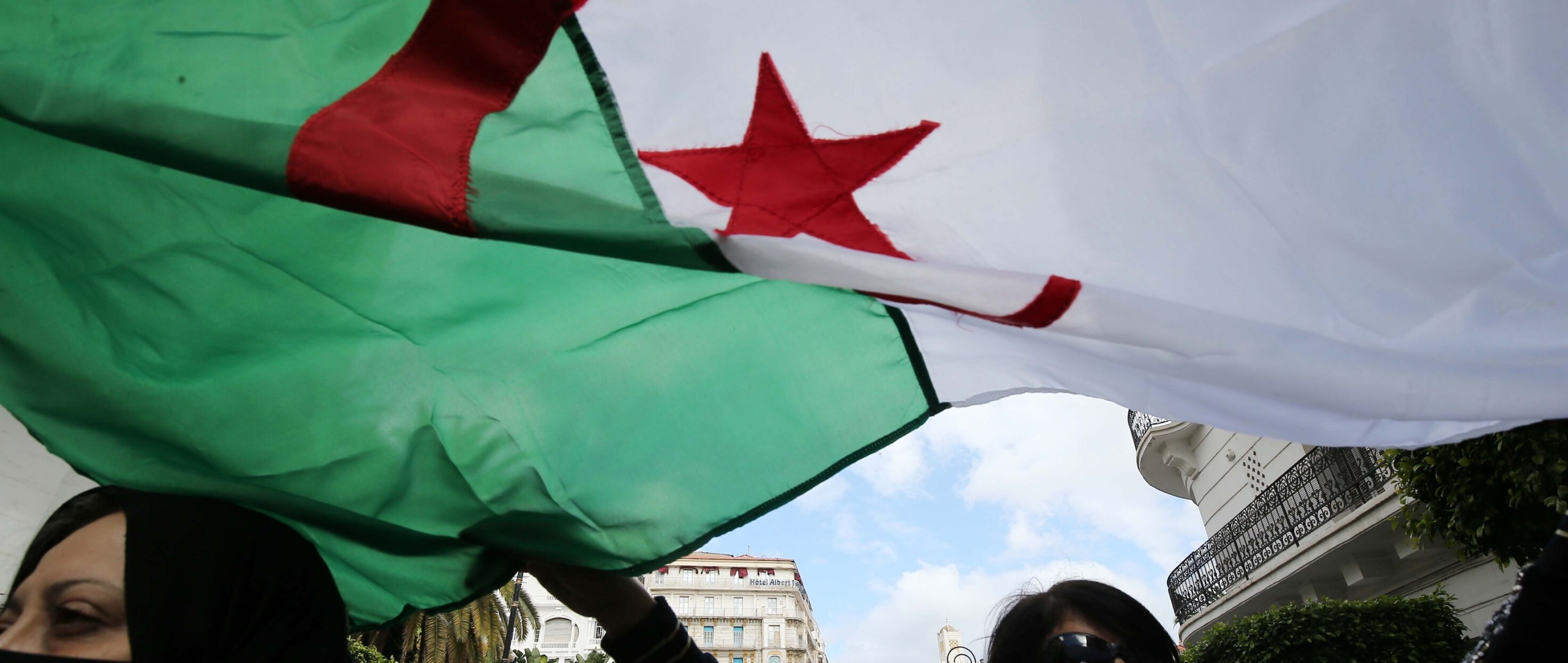
Twenty-two years after a government commitment to establish a nationwide system of shelters to protect women from violence in Algeria, only three have formally opened, leaving survivors across the country without sufficient access to protection amid concerns over exclusionary admission criteria and undue restrictions on freedom of movement for those seeking safety, Amnesty International said today.
Executive Decree No. 04-182 introduced in June 2004 calls for the establishment of national shelters to provide temporary housing and medical, social, and psychological care to women who are subjected to violence. It also calls for survivors to be provided with legal assistance.
However, only three shelters have been set up so far, namely in Tipaza, Mostaghanem and Annaba – all are in northern Algeria. This falls far short of the needs of the country’s 69 wilayas (provinces); home to more than 48 million people. UN guidelines recommend one centre per 10,000 inhabitants. Yet the three centres established combined can only accommodate around 220 people, according to interviews with representatives of women’s rights associations.
“More than two decades after Algerian authorities committed to confront the scrouge of violence against women and girls, access to shelters remains woefully inadequate and unequal. Women in the centre and south of the country are forced to travel vast distances to reach a shelter – a prohibitive barrier in a country stretching over 2,000 km from north to south,” said Diana Eltahawy, Deputy Regional Director for the Middle East and North Africa at Amnesty International.