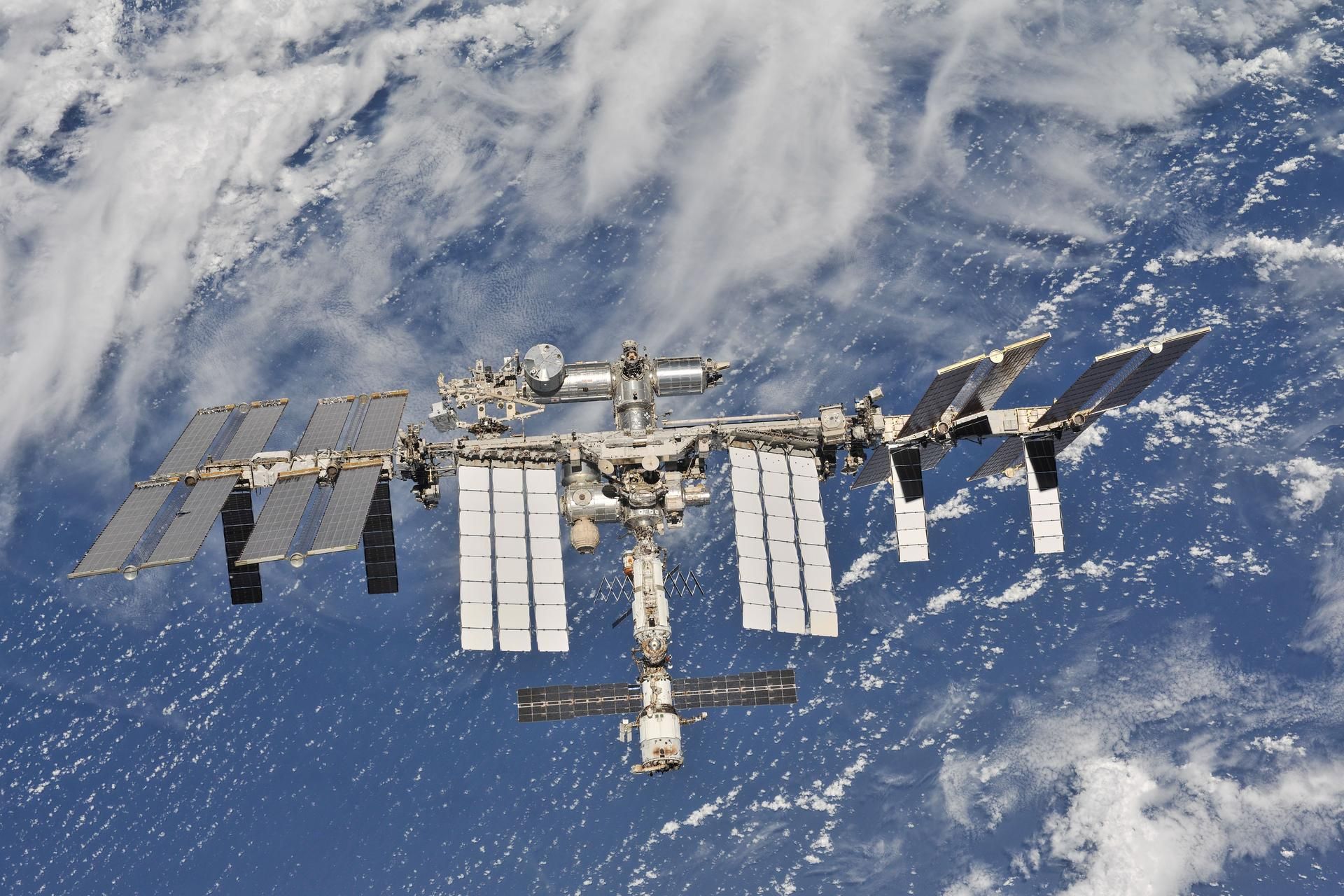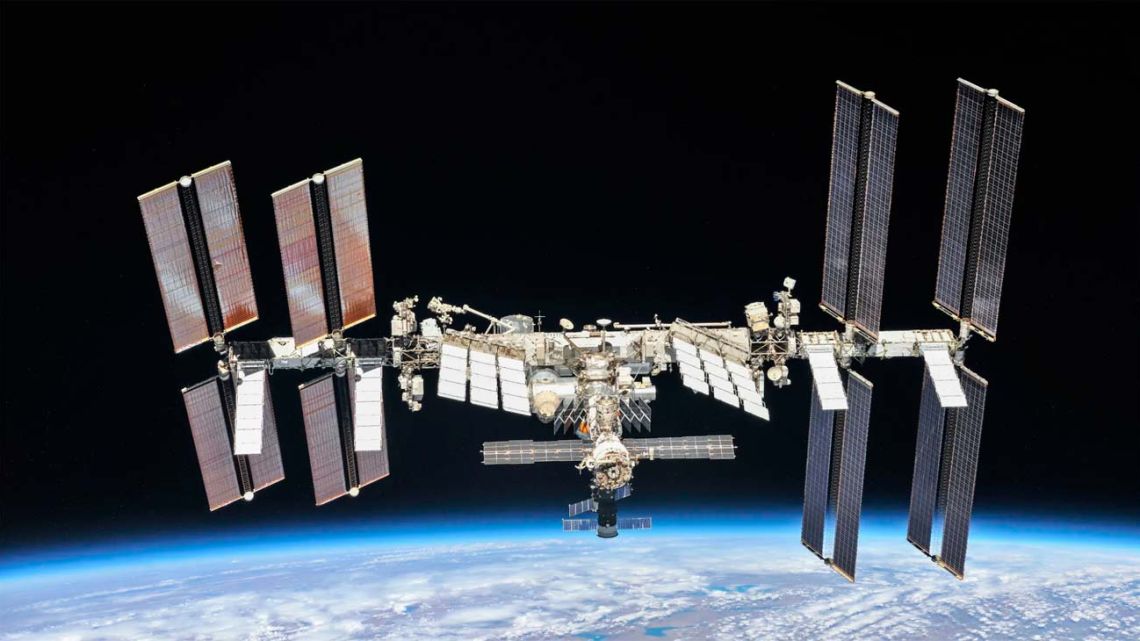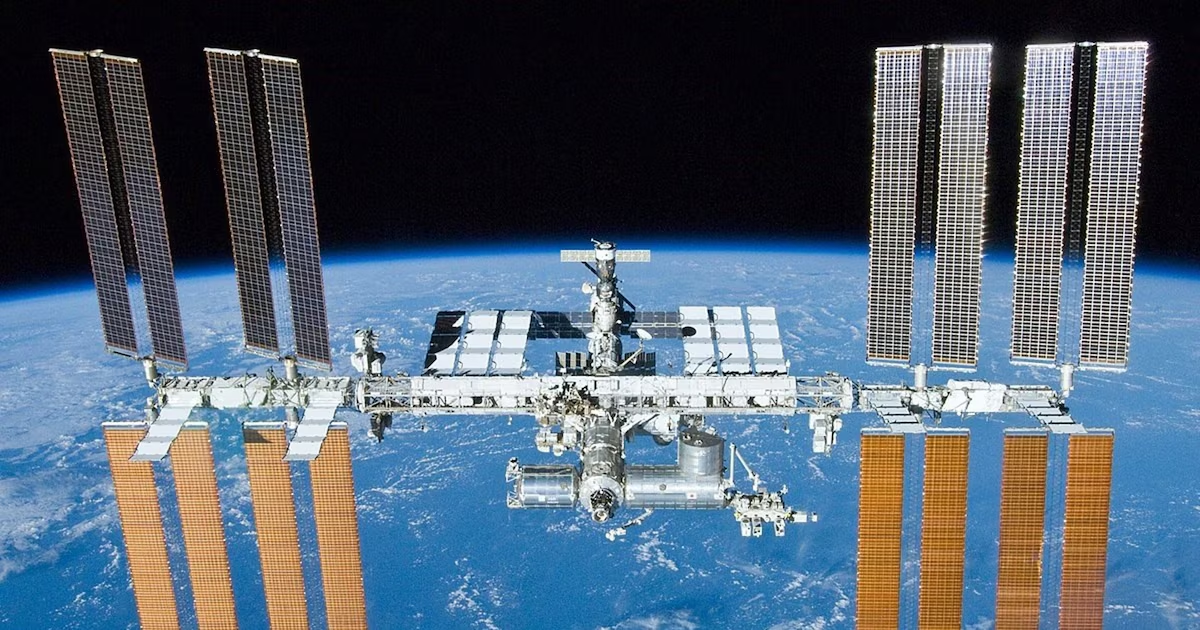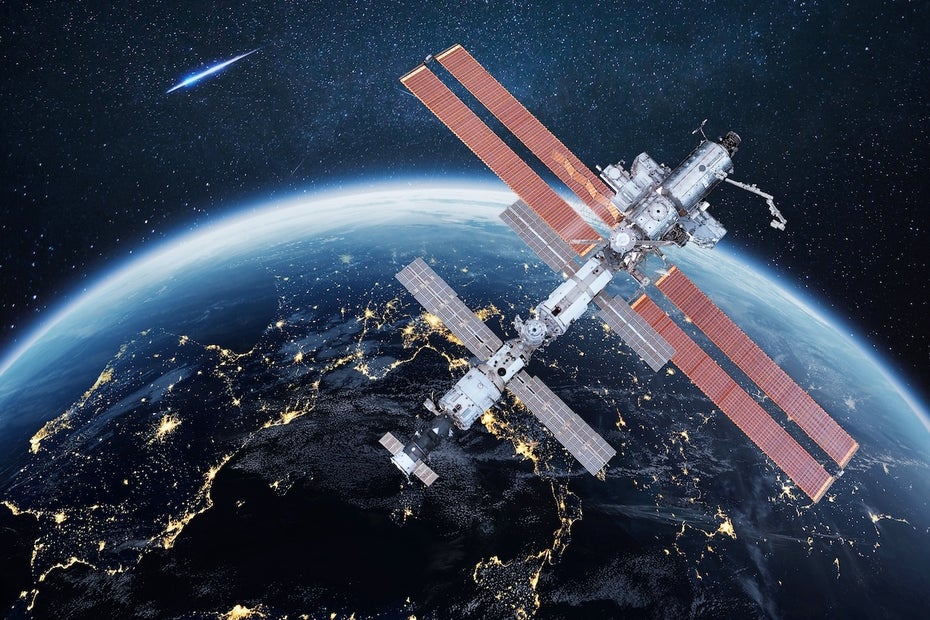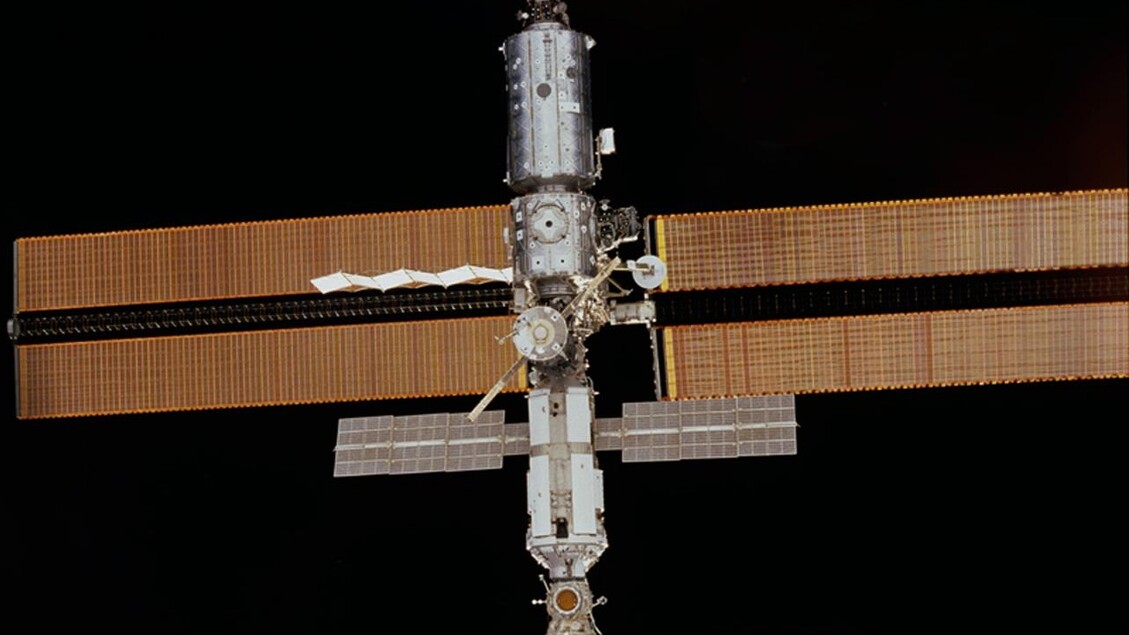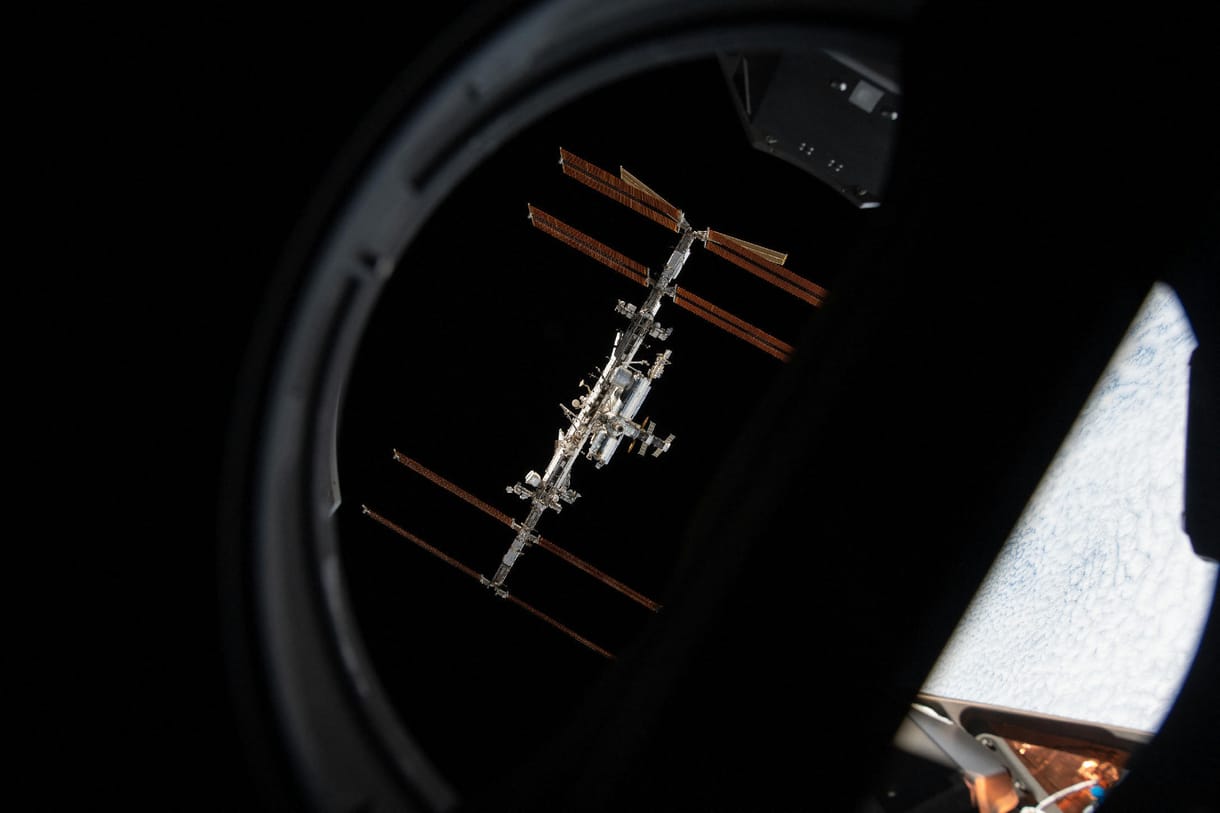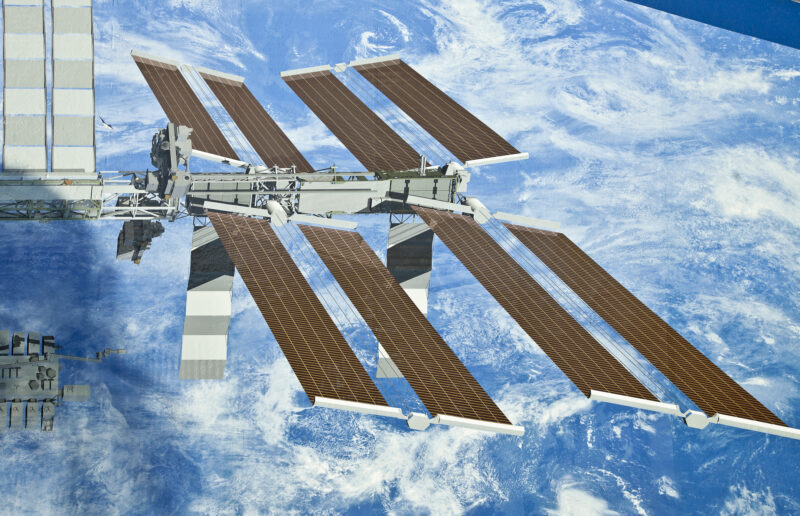
As the International Space Station (ISS) approaches the end of its operational life, NASA is preparing for one of the most ambitious and controversial space engineering projects ever attempted.
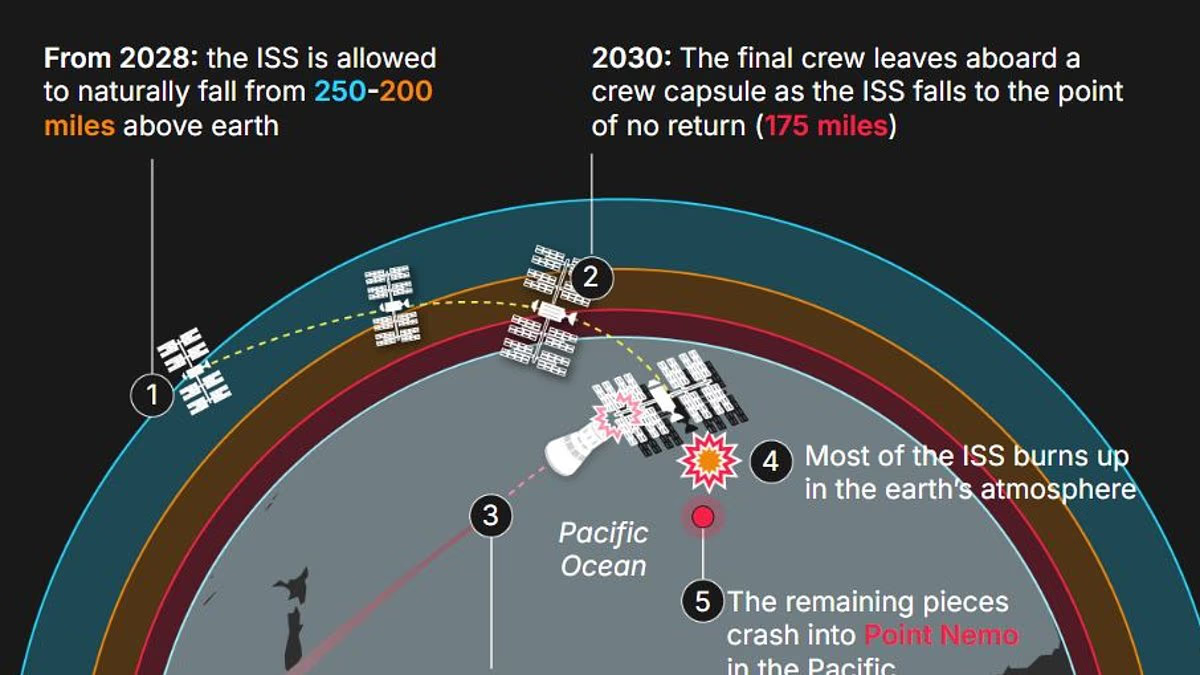
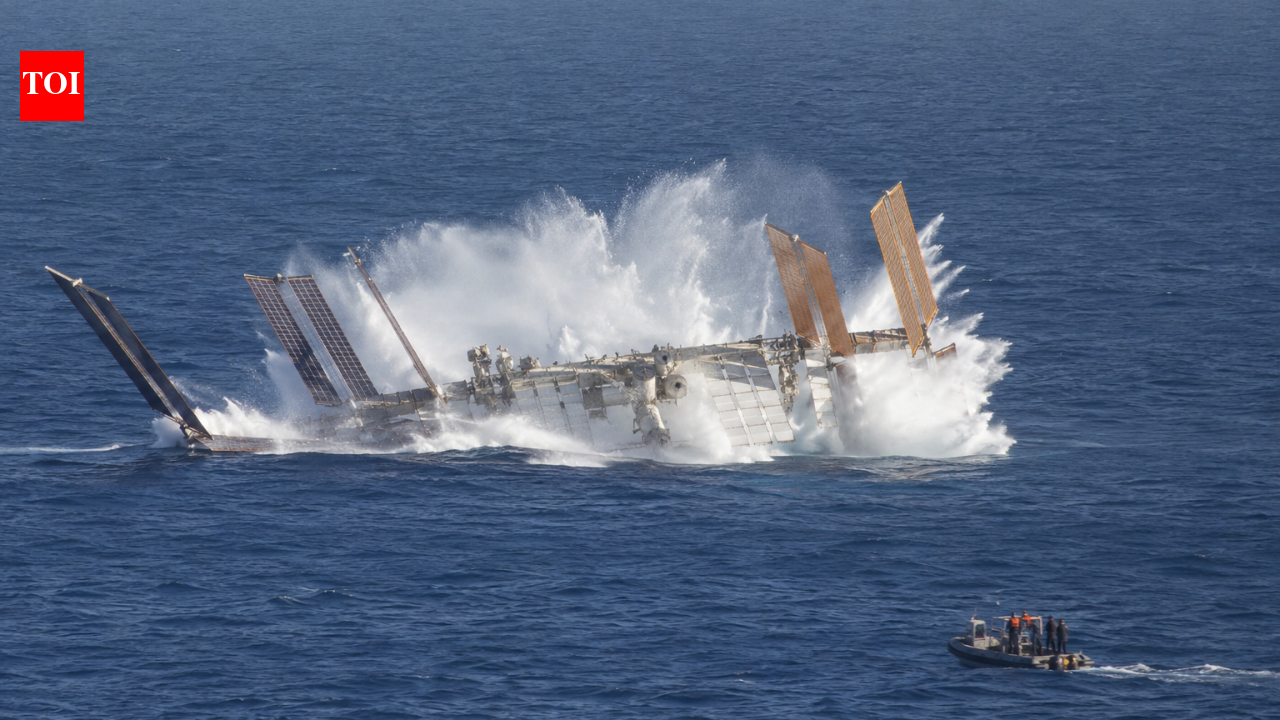
The agency plans to guide the 420-tonne orbital laboratory through a controlled re-entry before directing surviving debris into a remote region of the Pacific Ocean, often referred to as the world's "spacecraft cemetery".
While NASA maintains that the operation is the safest and most responsible option available, a growing number of environmental experts argue that the plan raises important questions about ocean health, pollution and the long-term ecological consequences of using the sea as a disposal site for space infrastructure.
The debate highlights an emerging challenge of the modern space age: how humanity responsibly retires increasingly large objects from orbit without creating new environmental risks on Earth.Why NASA plans to crash the International Space Station into the Pacific OceanNASA has confirmed that the ISS will be intentionally deorbited at the end of its mission rather than being left in orbit or moved to a higher altitude.
According to the agency, the primary objective is "the responsible re-entry of the space station’s structure into an unpopulated area in the ocean".