Plenty of parents feel the lure of a private education for their children. They hanker after those small class sizes, luscious green lawns, Olympic-sized swimming pool, and the fact that the parents are likely to be famous actors, politicians and business tycoons. Their child might well have the brains and talent – but what if you don’t have the money? Well, the fee-paying sector is traditionally proud of its scholarships and bursaries, keen to market itself as accessible to children from all walks of life.
So, in 2026, could a kid from a genuinely low-income family have a chance of getting to an elite private school on a bursary? In theory – yes. But that’s not the whole truth.
In 2025, private schools in the UK handed out £1.1bn worth of scholarships and bursaries to 156,000 pupils – that’s about 30 per cent of all children in private schools getting some form of financial aid. The Independent School Council’s (ISC) 2025 census showed that the number of pupils in private schools has fallen, but bursary support has reached a record high.
Shorts
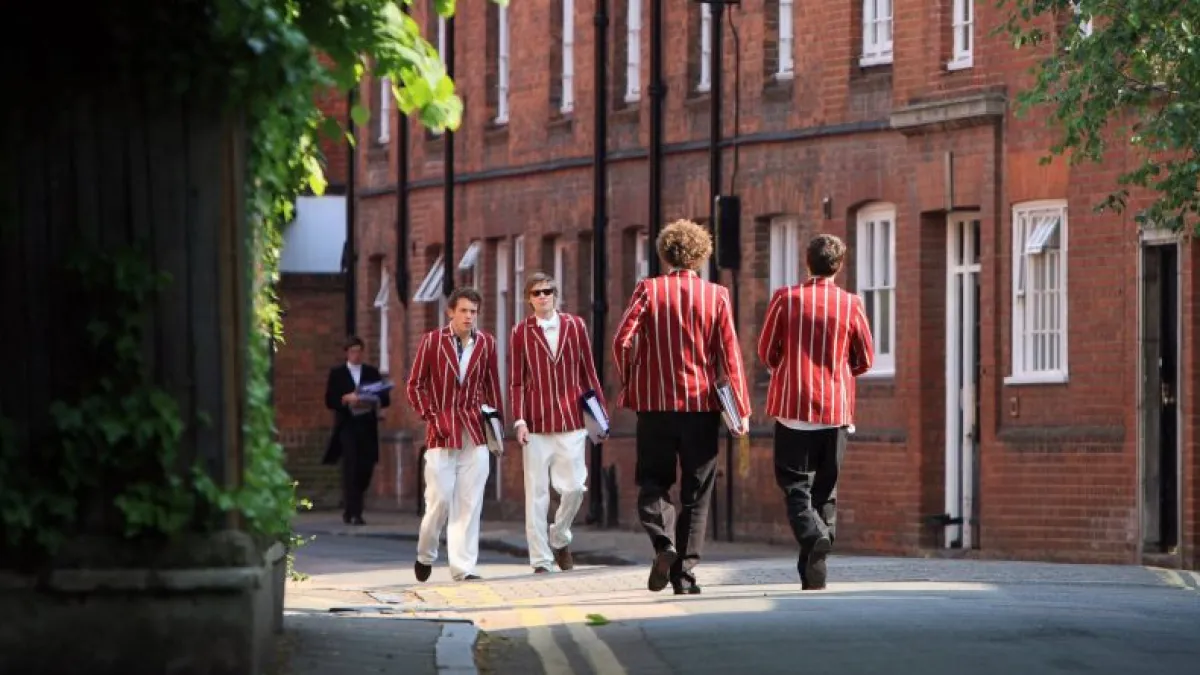
Many of the more famous, elite private schools have charitable beginnings, with Eton established as a charity in 1440 when King Henry VI founded it to provide free education for 70 impoverished boys. So, in some schools, this is a matter of history, and ethos, and a way for the school to also attract the most talented children, even if they’re not rich.