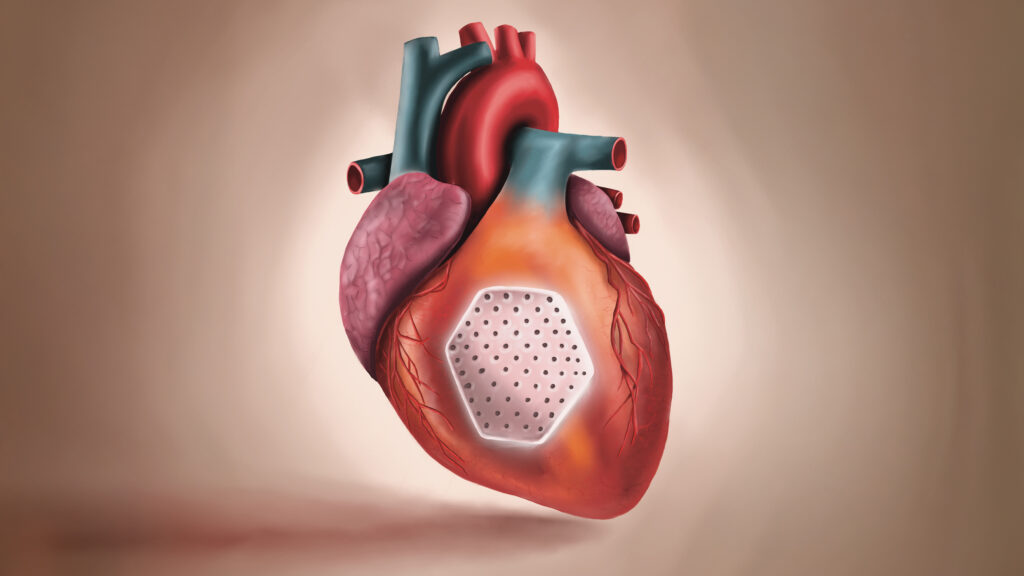
Katie covers the impact of health technology on patients, clinicians, and businesses. Her stories explore the price tag of clinical AI, digital health at the FDA, and the boom in direct-to-consumer telehealth. Confidential tips can be sent on Signal at palmer.01.It wasn’t sure to be a slam dunk. By the time LivaNova launched a pivotal trial for its vagus nerve stimulator to treat heart failure in 2018, similar devices had shown mixed results. But the Food and Drug Administration had designated the device as a breakthrough, a label intended to speed promising technologies to patients with unmet needs: Maybe this would be the device to help heart failure patients when drugs weren’t enough.
Over the last decade, the FDA’s breakthrough device program has helped bring nearly 200 innovative products to the American market. LivaNova’s vagus nerve stimulator, called VITARIA, wasn’t going to be one of them.
With the FDA’s help, LivaNova and its investigators designed an adaptive trial that could help them act fast. The plan was to enroll patients 100 at a time; by judging progress at prespecified checkpoints, the trial could stop early if data looked promising, or dangerous. After enrolling 500 patients — half of the planned max — an independent data and safety monitoring committee in 2022 said the trial should continue: The signals weren’t strong enough to indicate they were at a stopping point.