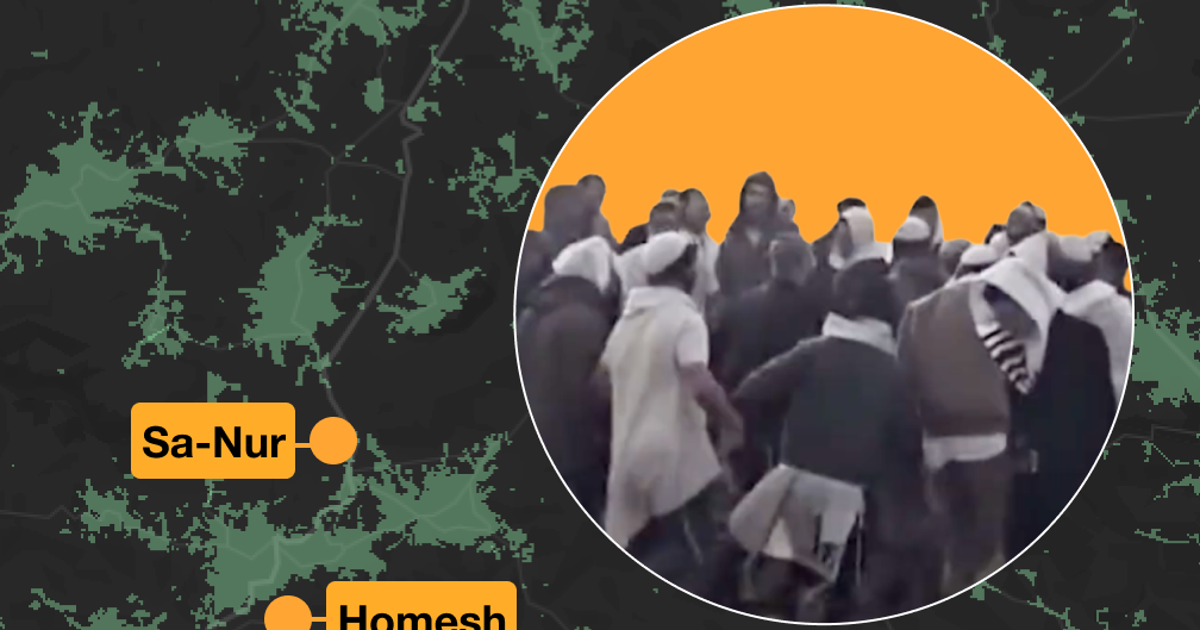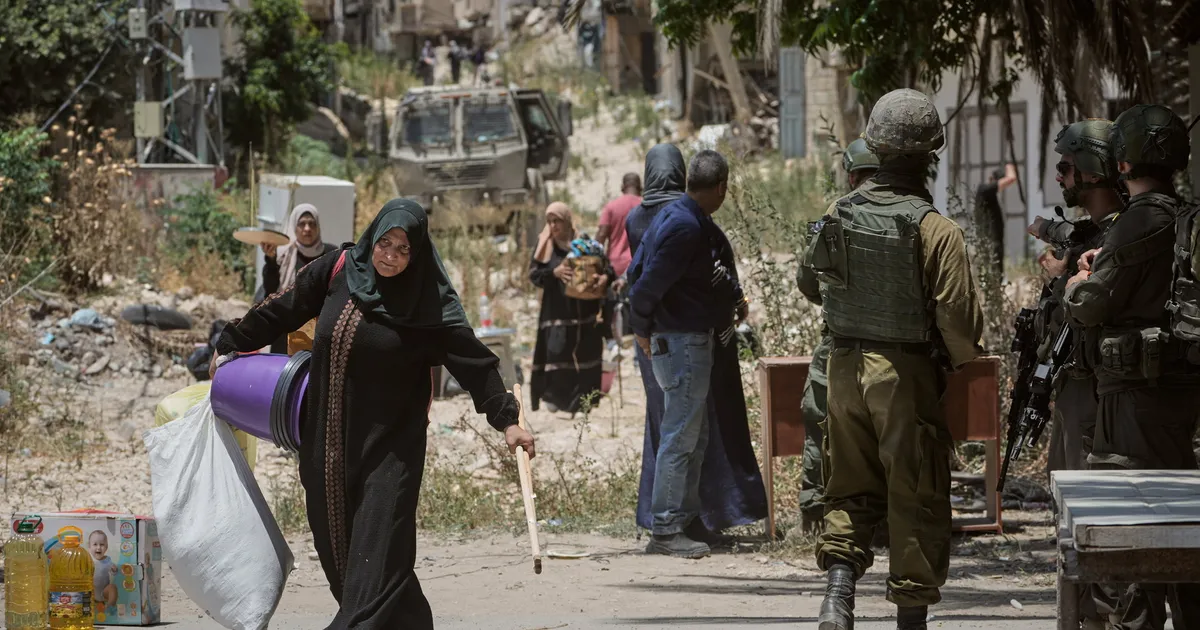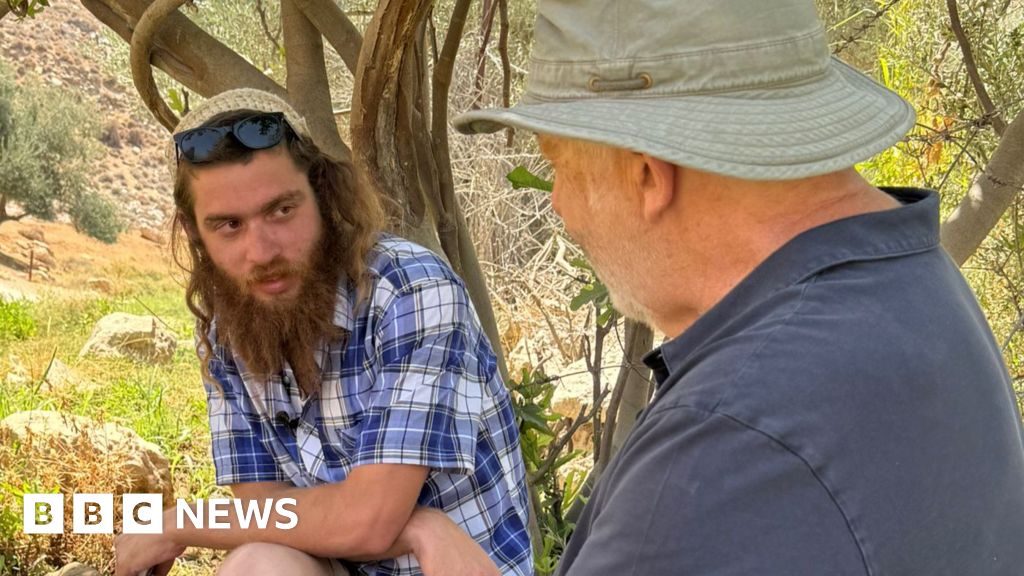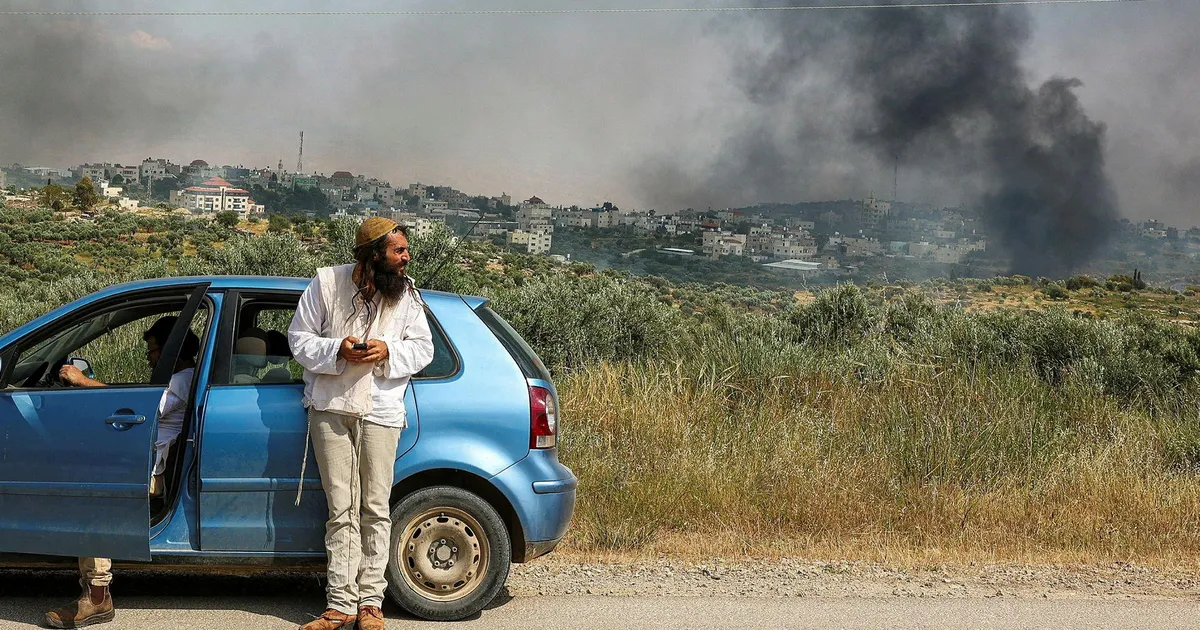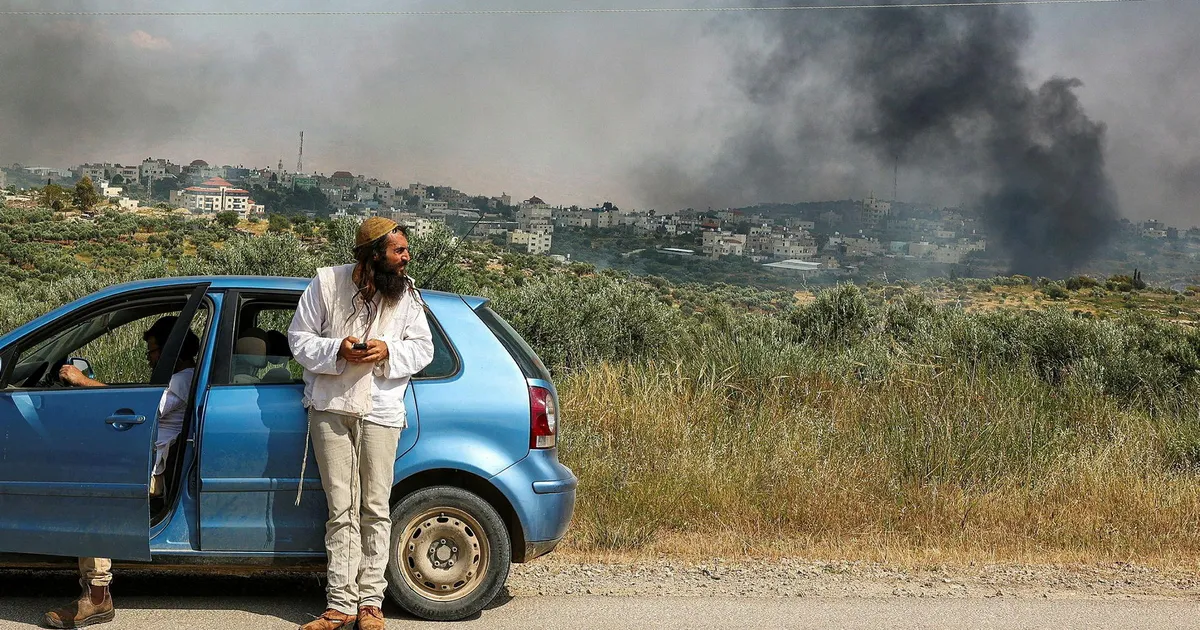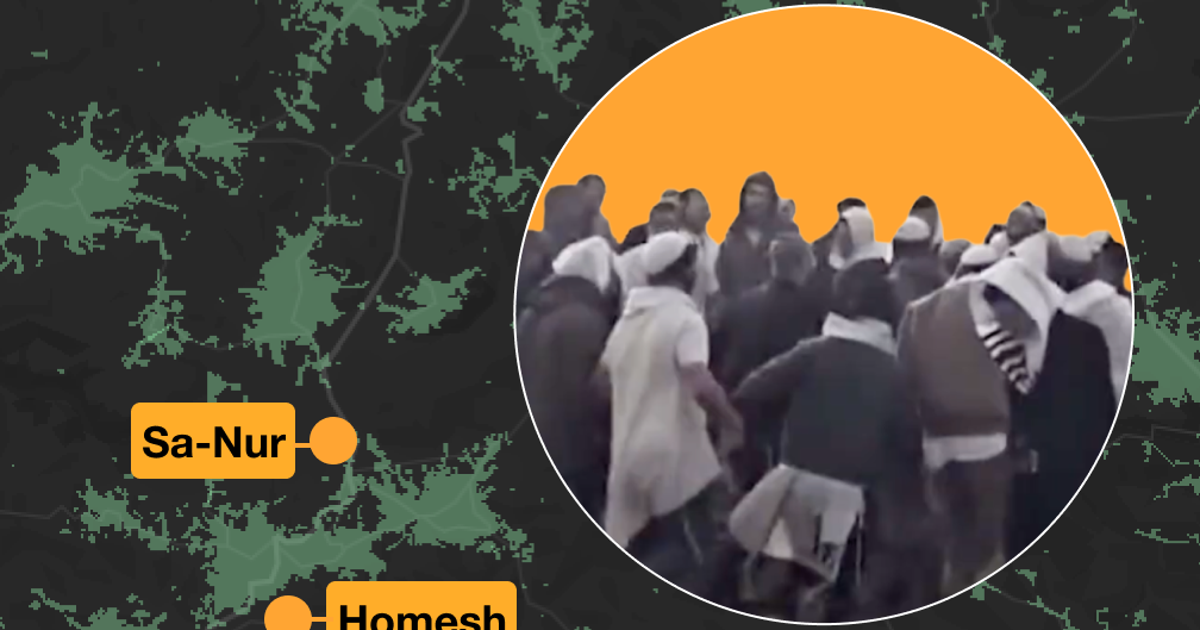
18 settlements and 8 army bases cut deep inside Palestinian areas. This is what it looks likeYarden Michaeli, Matan Golan and Yaniv KubovichJune 23, 2026Top video: Roy Haddy, @limor_sonhar. Under 27AShare on WhatsAppA revolution is taking place in the northern West Bank. A decades-long settler project is becoming a reality – fast. Settler representatives in the Israeli government are reaping political gains, while the IDF enables and supports the effort on the ground. The revolution started unfolding after Prime Minister Benjamin Netanyahu's right-wing government was sworn in 2022. It was accelerated after Hamas' October 7 attack.At the heart of the drama is an effort to reestablish settlements evacuated under Israel's 2005 disengagement plan, deep inside Palestinian-populated areas, where Israelis had largely been absent for nearly two decades. In total, settlers are taking over 18 strategic sites that cut through the largest contiguous Palestinian population area in the West Bank.Israel's return to the area includes the deployment of military forces, the construction of bases to protect settlements, road building, land expropriations and the intimidation of Palestinians in their daily lives. Senior military officials understand the move could ignite the region. Settler leaders, however, celebrate it: "This is what redemption looks like."0.2 mito Fandaqumiya0.1 mito Burqa0.2 mito Silat ad-Dhahr0.2 mi to Silat ad-Dhahr0.2 mi toFandaqumiya0.1 mito Burqa0.2 mi to FandaqumiyaCross–West Bank road 0.3 mi to Jaba'Cross–West Bank road0.2 mi to Fandaqumiya0.3 mi to Jaba'Northern West BankThe battle over the northern West Bank is one of the most significant developments in recent years. Unlike most of the West Bank, the area north of Nablus contains almost no settlements. To understand what's at stake, let's dive into the map.720,000 PalestiniansMore than 720,000 Palestinians live in the northern West Bank. Under the 2005 disengagement plan, Israel evacuated four isolated settlements in the area. Since then, settlers have been largely absent and military activity has declined accordingly, leaving the region relatively calmer than other parts of the West Bank.Settling in the deepNetanyahu's government has been changing that. Repealing the Disengagement Law in March 2023 allowed settlers to return to the heart of the Palestinian population. Two settlements – Homesh and Sa-Nur – have been repopulated. Two more are expected to follow: Ganim is slated for graduates of the Bnei David Yeshiva in Eli, and Kadim for a religious group from Tel Aviv. Both will be larger than before.18 new settlementsThe government did not stop at reestablishing the four evacuated settlements. It approved 14 more, further cutting through Palestinian territory and encircling communities. Many are in strategic locations where Israelis had never lived before.Homesh firstThis massive project began in Homesh, whose renewal spearheaded the political battle. For years, activists from the Homesh First settler movement repeatedly broke the law by entering areas closed to Israelis. They enjoyed political backing, and eventually, settlers amassed enough influence in the political system to change reality on the ground.Your browser does not support the video tag.00:0000:0000:00Videos: Roy Haddy, Tomer Appelbaum, shmuel Wende YouTube channel. Under 27A
Undoing History • How a far-right Israeli fantasy became reality in the West Bank. Watch
18 settlements and 8 army bases cut deep inside Palestinian areas. This is what it looks likeYarden Michaeli, Matan Golan and Yaniv KubovichJune 23, 2026Top video: Roy Haddy, @limor_sonhar. Under 27AShare on WhatsAppA revolution is taking place in the northern West Bank. A decades-long settler project is becoming a reality – fast. Settler representatives in the Israeli government are reaping political gains, while the IDF enables and supports the effort on the ground. The revolution started unfolding after Prime Minister Benjamin Netanyahu's right-wing government was sworn in 2022. It was accelerated after Hamas' October 7 attack.At the heart of the drama is an effort to reestablish settlements evacuated under Israel's 2005 disengagement plan, deep inside Palestinian-populated areas, where Israelis had largely been absent for nearly two decades. In total, settlers are taking over 18 strategic sites that cut through the largest contiguous Palestinian population area in the West Bank.Israel's return to the area includes the deployment of military forces, the construction of bases to protect settlements, road building, land expropriations and the intimidation of Palestinians in their daily lives. Senior military officials understand the move could ignite the region. Settler leaders, however, celebrate it: "This is what redemption looks like."0.2 mito Fandaqumiya0.1 mito Burqa0.2 mito Silat ad-Dhahr0.2 mi to Silat ad-Dhahr0.2 mi toFandaqumiya0.1 mito Burqa0.2 mi to FandaqumiyaCross–West Bank road 0.3 mi to Jaba'Cross–West Bank road0.2 mi to Fandaqumiya0.3 mi to Jaba'Northern West BankThe battle over the northern West Bank is one of the most significant developments in recent years. Unlike most of the West Bank, the area north of Nablus contains almost no settlements. To understand what's at stake, let's dive into the map.720,000 PalestiniansMore than 720,000 Palestinians live in the northern West Bank. Under the 2005 disengagement plan, Israel evacuated four isolated settlements in the area. Since then, settlers have been largely absent and military activity has declined accordingly, leaving the region relatively calmer than other parts of the West Bank.Settling in the deepNetanyahu's government has been changing that. Repealing the Disengagement Law in March 2023 allowed settlers to return to the heart of the Palestinian population. Two settlements – Homesh and Sa-Nur – have been repopulated. Two more are expected to follow: Ganim is slated for graduates of the Bnei David Yeshiva in Eli, and Kadim for a religious group from Tel Aviv. Both will be larger than before.18 new settlementsThe government did not stop at reestablishing the four evacuated settlements. It approved 14 more, further cutting through Palestinian territory and encircling communities. Many are in strategic locations where Israelis had never lived before.Homesh firstThis massive project began in Homesh, whose renewal spearheaded the political battle. For years, activists from the Homesh First settler movement repeatedly broke the law by entering areas closed to Israelis. They enjoyed political backing, and eventually, settlers amassed enough influence in the political system to change reality on the ground.Your browser does not support the video tag.00:0000:0000:00Videos: Roy Haddy, Tomer Appelbaum, shmuel Wende YouTube channel. Under 27A