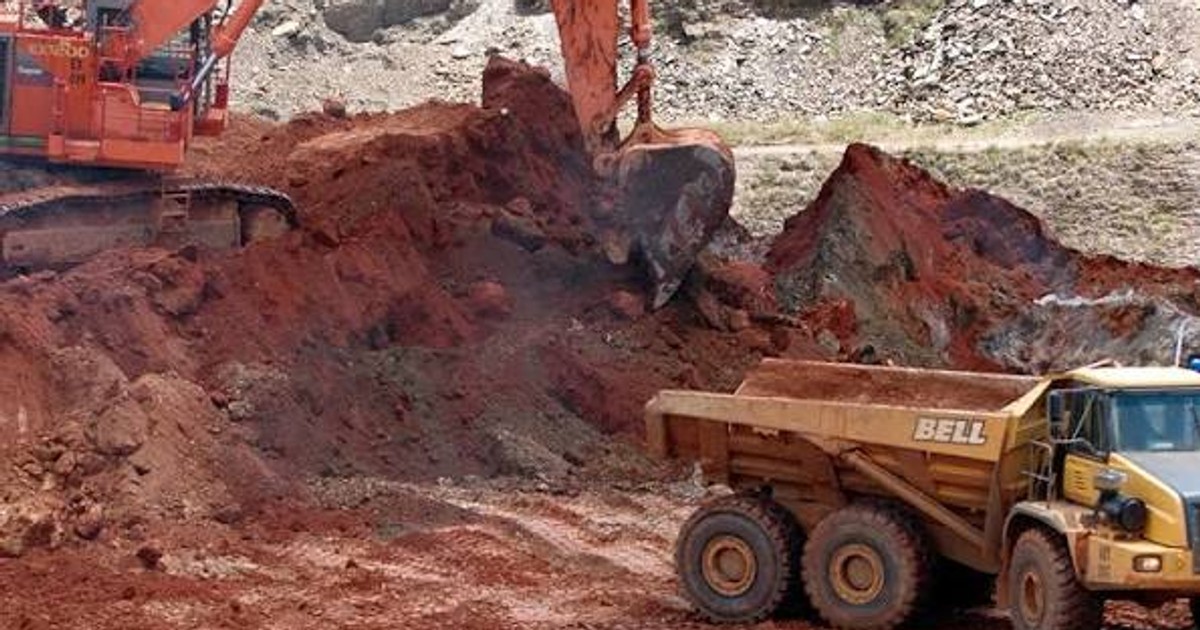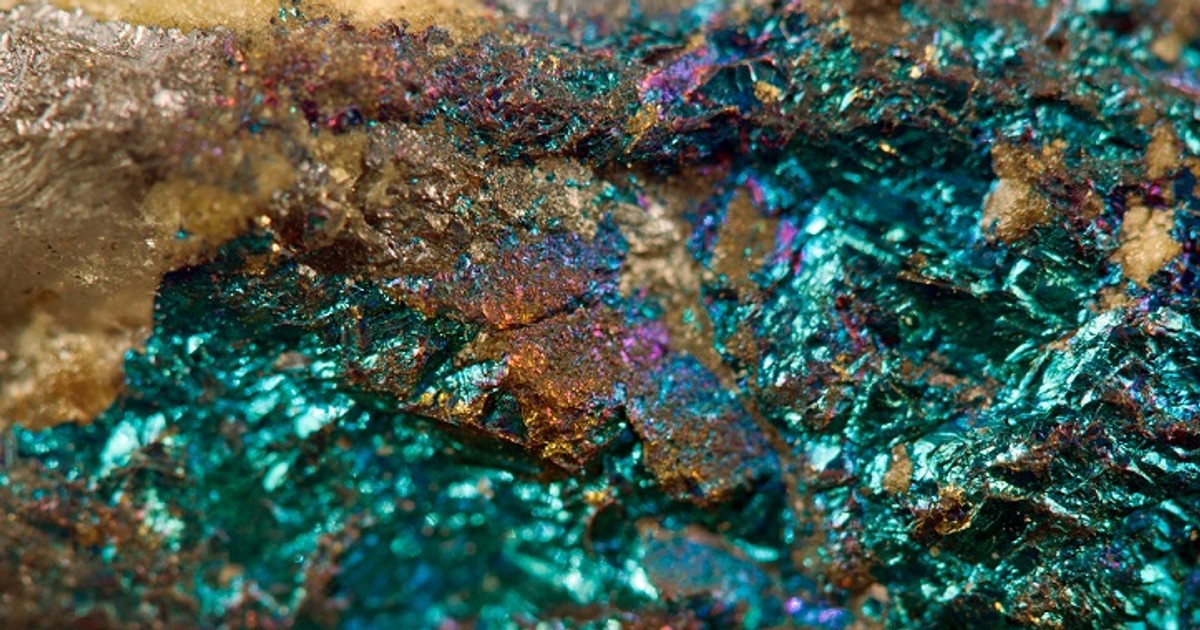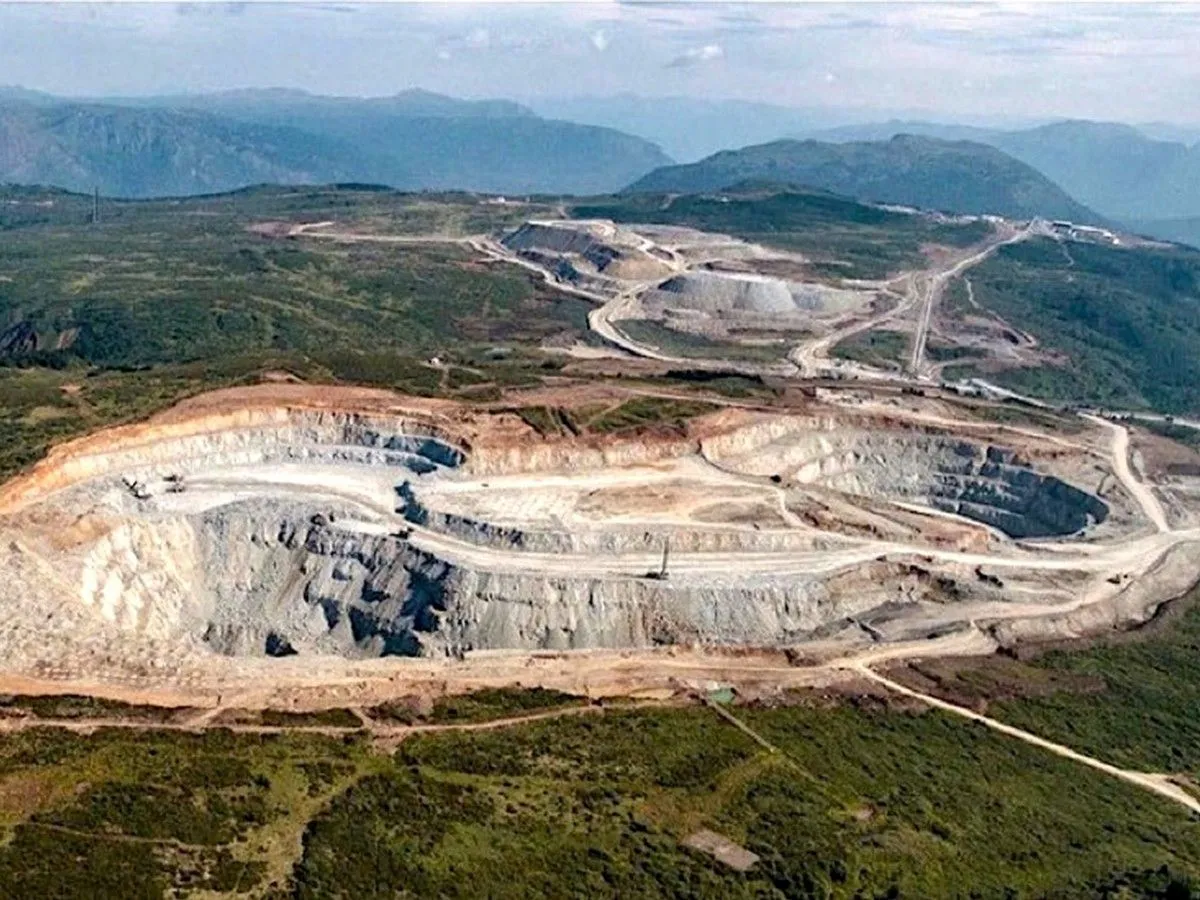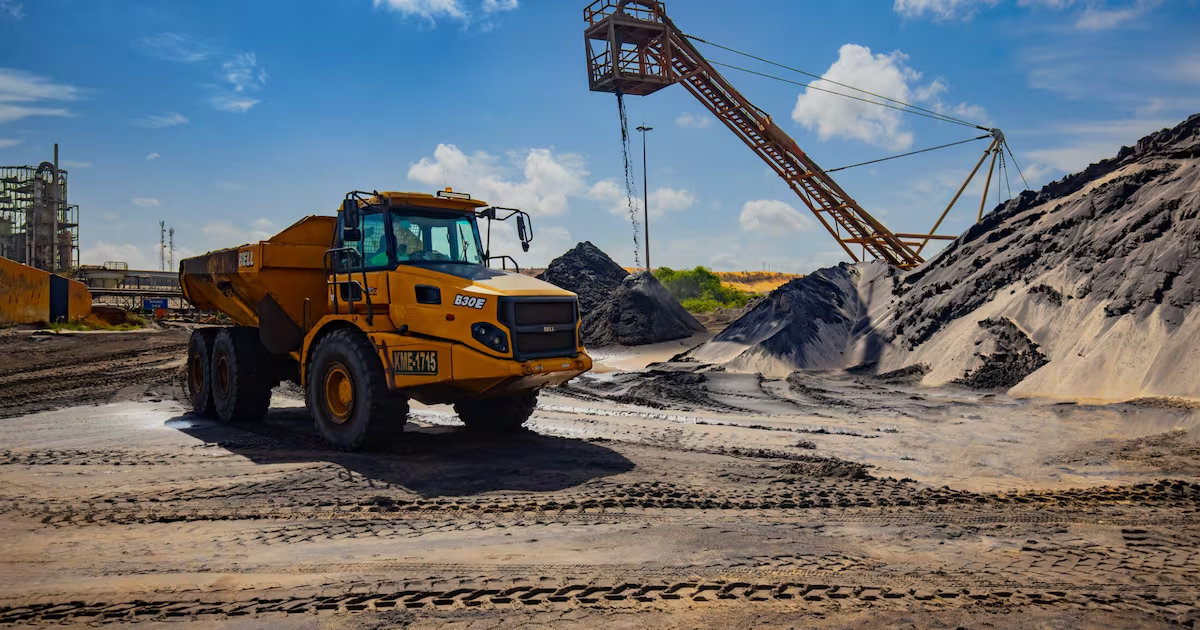
Kenmare Resources has secured an additional $30 million (€26.4 million) loan facility from its African lenders as it continues to navigate challenging markets for its titanium minerals. The Dublin-based group said that the lenders, Absa Bank, Nedbank, Rand Merchant Bank and Standard Bank, have agreed to waive certain key borrowing terms – or covenants – this year and allowed Kenmare to increase its revolving credit facility from them from $200 million to $230 million. However, the rate of interest on loans drawn down from the facility has been increased. The original loan cost was a combination of a US benchmark rate, known as the secured overnight financing rate, which currently stands at about 3.6 per cent, plus a 4.85 percentage point margin. That currently equates to 8.45 per cent in total. The banks have increased the margin to 5.7 per cent until March 2027, while the margin will vary between 4.85 per cent and 5.7 per cent from then until the facility matures in March 2029, depending on Kenmare’s prevailing earnings relative to debt. The original financial covenants include stipulations that the company generate operating earnings of more than four times its annual interest bill and hold net debt of less than two times earnings before interest, tax, depreciation and amortisation (Ebitda). The net debt-to-Ebitda target was relaxed last year to less than three times, as Kenmare’s earnings plunged. The banks have now agreed to waive covenant tests this year, but they continue to demand that Kenmare has ready access to $25 million of cash at all times. “The $30 million upsizing of our RCF [revolving credit facility] and the covenant amendments provide important additional financial flexibility for Kenmare as we navigate a period of market weakness, giving us the confidence to make selective investments in plant and machinery and further develop the markets for our products,” said Kenmare chief financial officer James McCullough. McCullough said the lenders continue to recognise “the quality, scale and future potential” of the group’s Moma mine in Mozambique, which is currently producing about 6 per cent of global titanium stocks. Its main product, ilmenite, is used in the manufacture of everything from paints to plastics and textiles.Ilmenite prices have fallen in each of the past three years and slipped further in the first quarter of 2026. However, the market for zircon, which accounts for about a quarter of revenues and is used to make ceramic tiles, has stabilised and is starting to recover this year. Kenmare walked away from takeover talks with its former managing director, Michael Carvill and an Abu Dhabi private equity firm last June after the consortium made it clear it would only be willing to proceed with a bid that was below an initial £473 million (€549 million) proposal it had made more than three months earlier. The stock is down almost 50 per cent from when those discussions ended, leaving Kenmare with a market value of just over £177 million. Protracted talks with Mozambique authorities on a new royalties regime for the Moma mine have also weighed on market sentiment towards the company.
Kenmare secures further $30m loan facility amid covenants waiver after profit slump
Irish-listed miner agrees financial wriggle room as markets for the main product from African mine remain challenging
514 words~2 min read