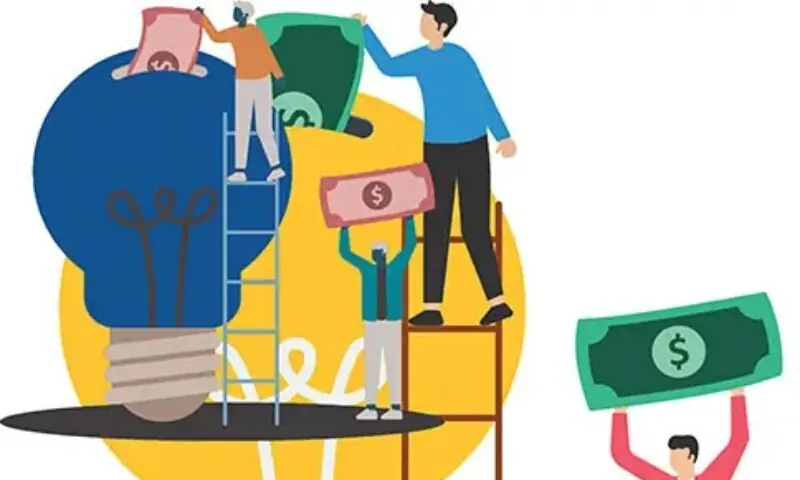
Imagine a household that spends more money than it earns. Normally, the family would have to borrow from a bank, relatives or friends.
The lender would ask difficult questions: How much do you need? How will you repay? Can you afford the loan? These questions impose discipline because the lender risks losing money if the borrower cannot repay.
Now imagine that the family owns a machine capable of creating money whenever it runs short. The temptation would be obvious. Why go through the trouble of convincing a bank or a relative to lend when you can simply create the money yourself?
Related
How domestic borrowing is reshaping Tanzania’s economy