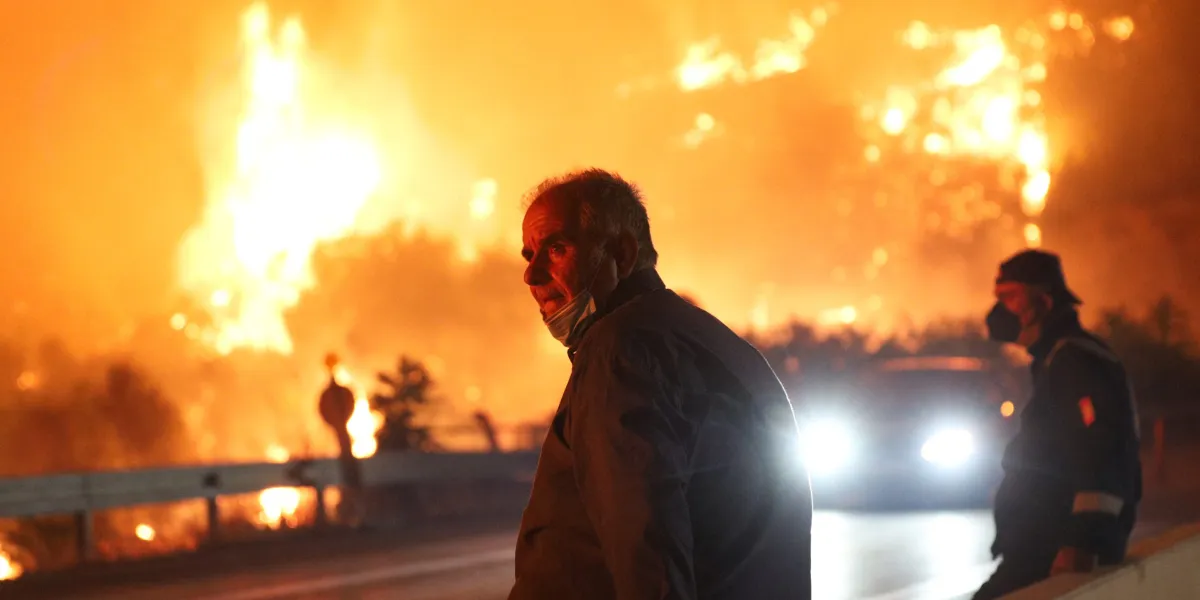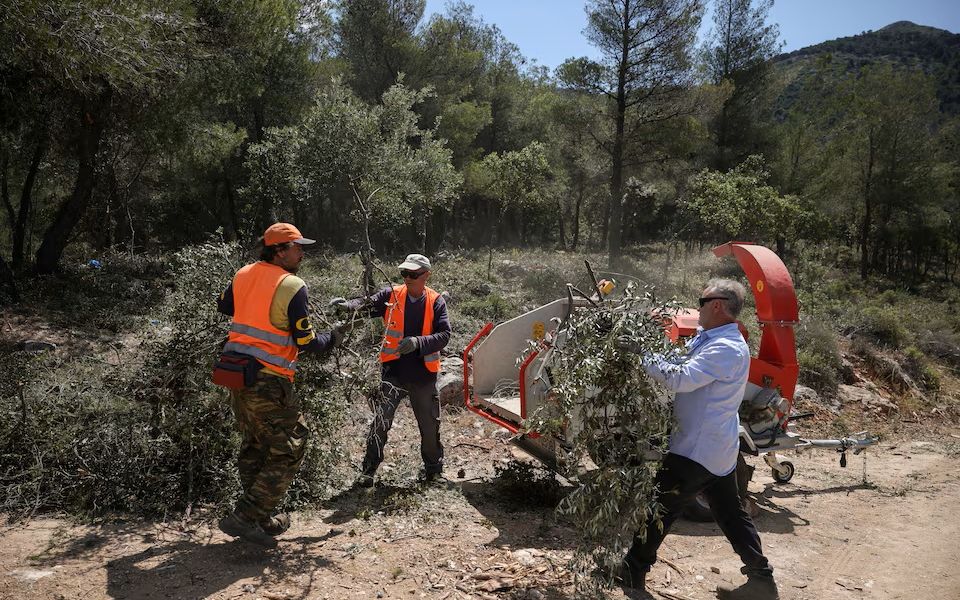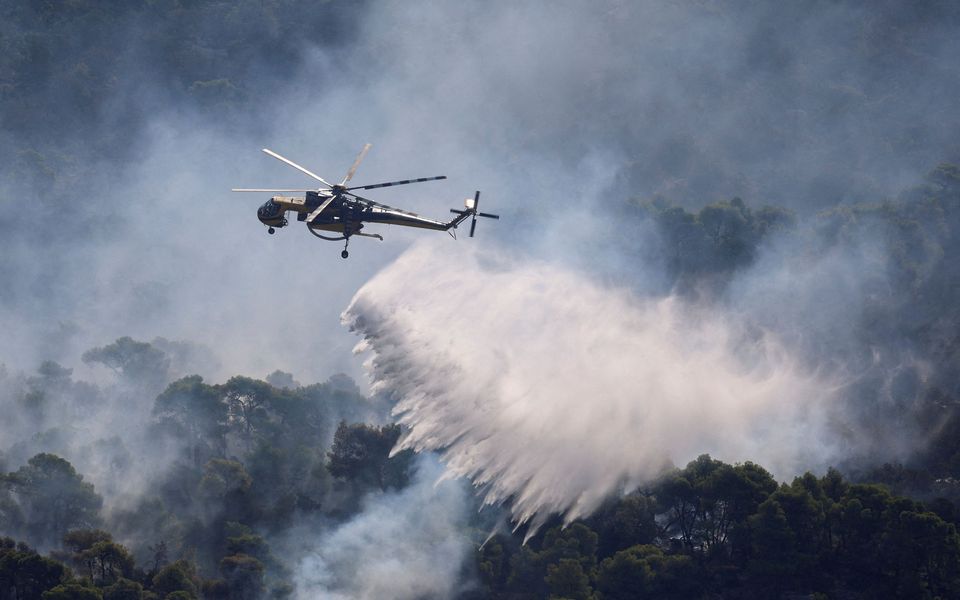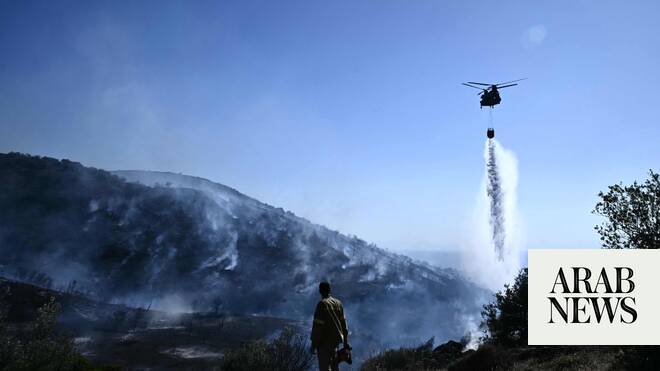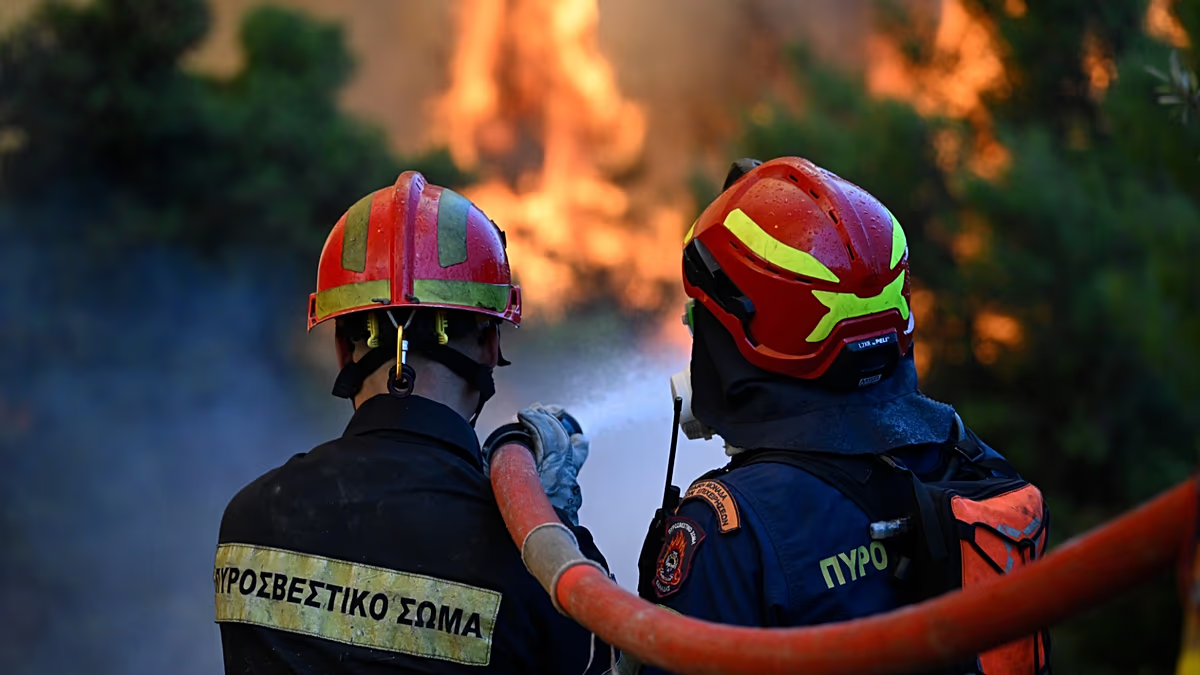
As night falls over Mount Penteli and the streetlights of greater Athens wink in the valley below, a team of three from Greece’s forestry service carry out what they say is a near-impossible task: scouting hills that surround the capital for wildfires.
Unlike most summer evenings, this one in early June was still and cool and there was no sign of flames – rare relief for a unit of fewer than 30 people overseeing one of the most fire-prone areas in Europe.
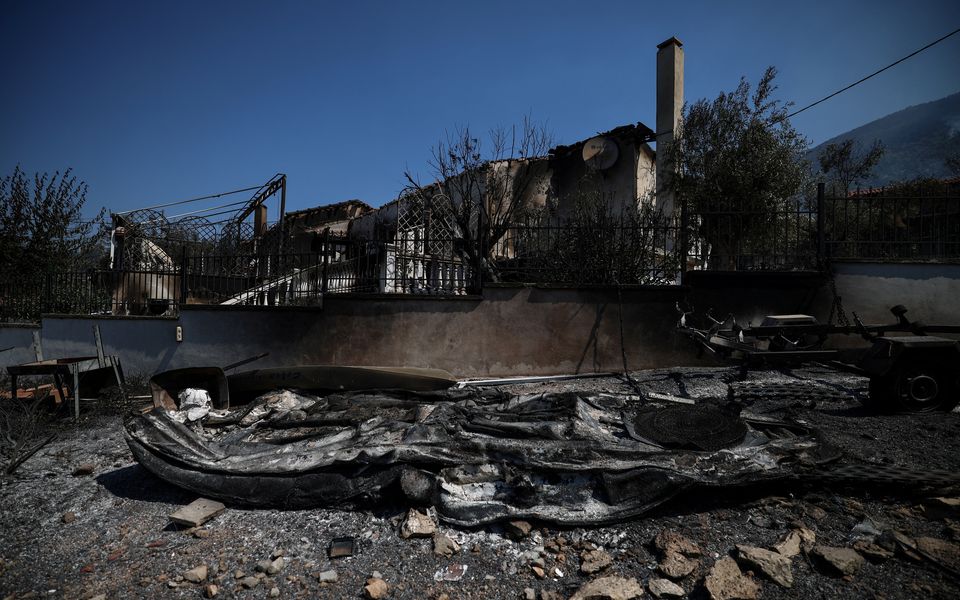
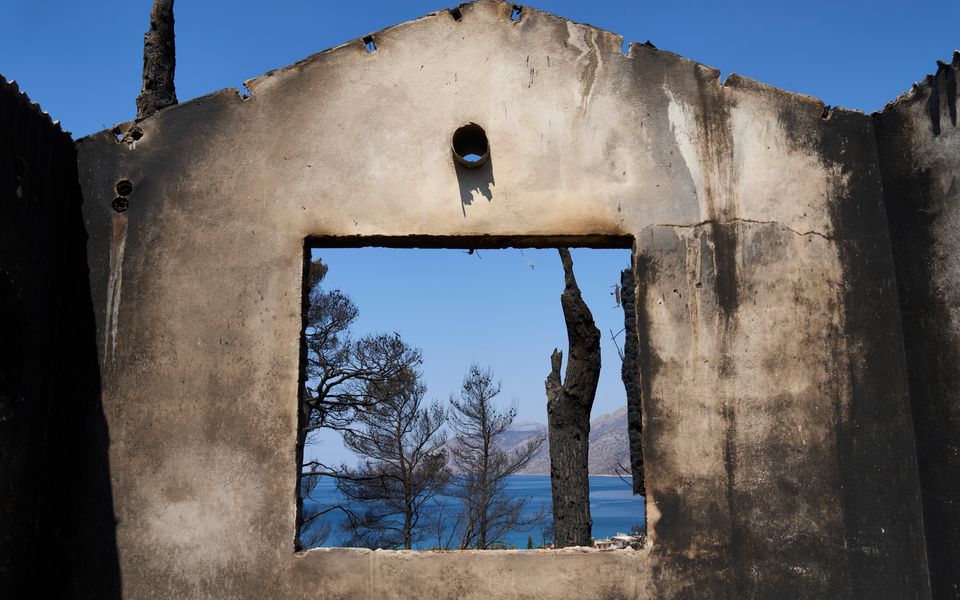
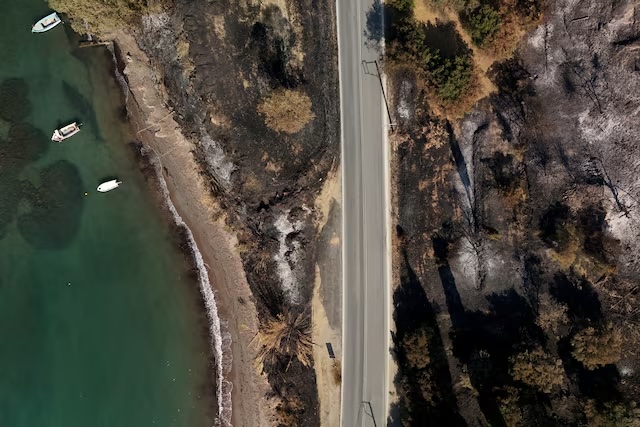
“Wouldn’t it be nice if the entire summer could continue like this?” said forester Zoi Ntina, surveying hillsides that have seen no rain in weeks. “But we still have a long road ahead.” As Greece braces itself for another hot summer, forestry service officials say understaffing is hobbling efforts to prevent fires or deal with their aftermath, just as the ripples of climate change spread: by razing forests, a steep rise in fires over the past decade has already increased soil erosion, desertification and flooding, experts say.
Reviving burned land after decades of neglect
Since 2000, nearly 2.5 million acres of land have burned in Greece, government figures show, mostly as a result of carelessness, arson or accidental events such as power lines breaking. Tourist resorts and densely packed residential areas are increasingly affected.