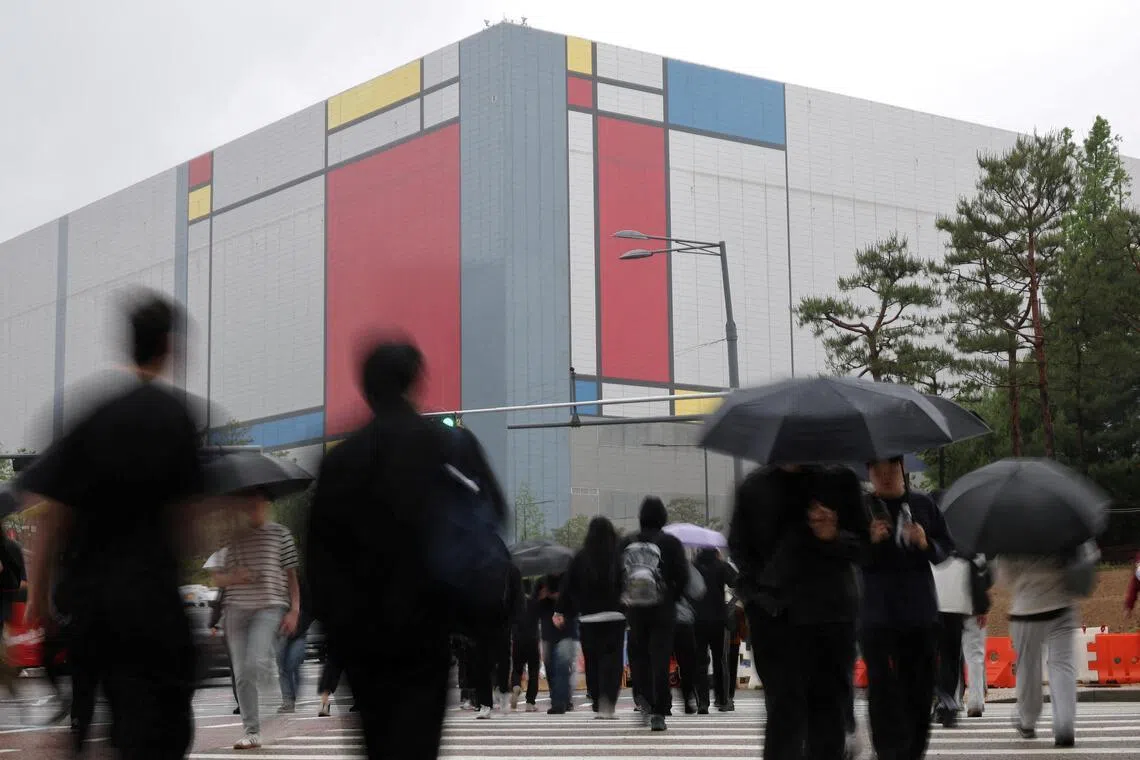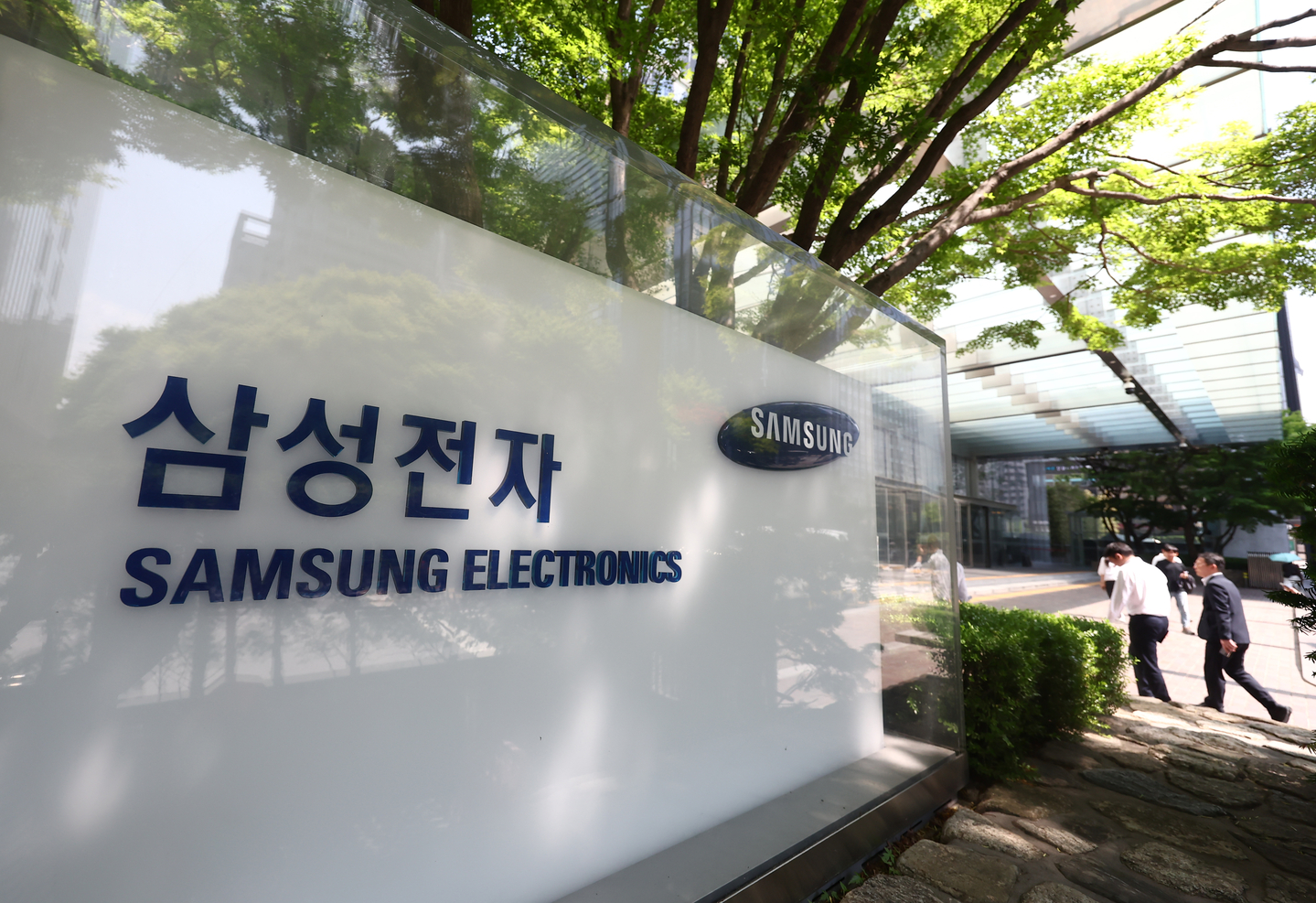
Financial Supervisory Service headquarters in Yeouido, Seoul (Yonhap) Samsung's financial affiliates surpassed 100 trillion won ($65 billion) in capital for the first time at the end of 2025, accounting for most of the capital growth among South Korea's major financial groups as a stock market rally boosted investment gains.According to data released Wednesday by the Financial Supervisory Service, Samsung's capital rose to 100.5 trillion won from 69.5 trillion won a year earlier, while its capital adequacy ratio improved to 191.2 percent from 185.1 percent.The 31 trillion won increase represented roughly three-quarters of the combined capital growth recorded by seven major financial groups overseen by the regulator: Samsung, Hyundai Motor, Mirae Asset, Hanwha, Kyobo, DB and Kiwoom.The FSS attributed Samsung's increase mainly to higher unrealized gains on stock holdings and increased issuance of subordinated debt by its insurance affiliates.Combined capital across the seven groups rose 24.2 percent on year to 212.5 trillion won, while required capital increased 21.9 percent to 119.6 trillion won.As a result, the average capital adequacy ratio climbed to 177.6 percent at the end of 2025 from 174.3 percent a year earlier. All seven groups remained comfortably above the regulatory minimum of 100 percent.DB posted the highest capital adequacy ratio at 207.9 percent, followed by Kyobo at 201.5 percent, Samsung at 191.2 percent, Kiwoom at 176.7 percent, Mirae Asset at 167.3 percent, Hanwha at 148.6 percent and Hyundai Motor at 145.5 percent.DB recorded the largest improvement, with its ratio rising 12.9 percentage points from a year earlier.Mirae Asset also strengthened its capital position. Its capital increased to 16.5 trillion won from 14.3 trillion won, while its capital adequacy ratio rose to 167.3 percent from 164.2 percent.Kiwoom recorded the steepest decline, with its ratio falling 17.1 percentage points, as rising stock valuations increased equity-related risk exposure.Hanwha's ratio fell 6.3 percentage points due to higher insurance risk requirements at Hanwha Life Insurance, while Hyundai Motor's ratio slipped 1.4 percentage points, as asset growth at Hyundai Capital's US business weighed on capital calculations.The FSS said the impact of Hyundai Capital's overseas expansion could continue in the near term, though stronger earnings from business growth should help support capital levels over time.The seven groups' combined assets increased to 1,518.7 trillion won from 1,328.7 trillion won a year earlier, while net profit rose to 15.1 trillion won from 13 trillion won.The regulator said it would continue monitoring capital levels amid potential volatility in interest rates and stock markets, while strengthening oversight of risks stemming from intragroup transactions and joint investments.
Samsung financial affiliates top W100tr in capital for first time
Samsung's financial affiliates surpassed 100 trillion won ($65 billion) in capital for the first time at the end of 2025, accounting for most of the capital gro
418 words~2 min read