Theatrical lighting designers have a working vocabulary for the decision UX teams still argue about in the language of quality. Discoverability is a dial. Motivation is a switch.
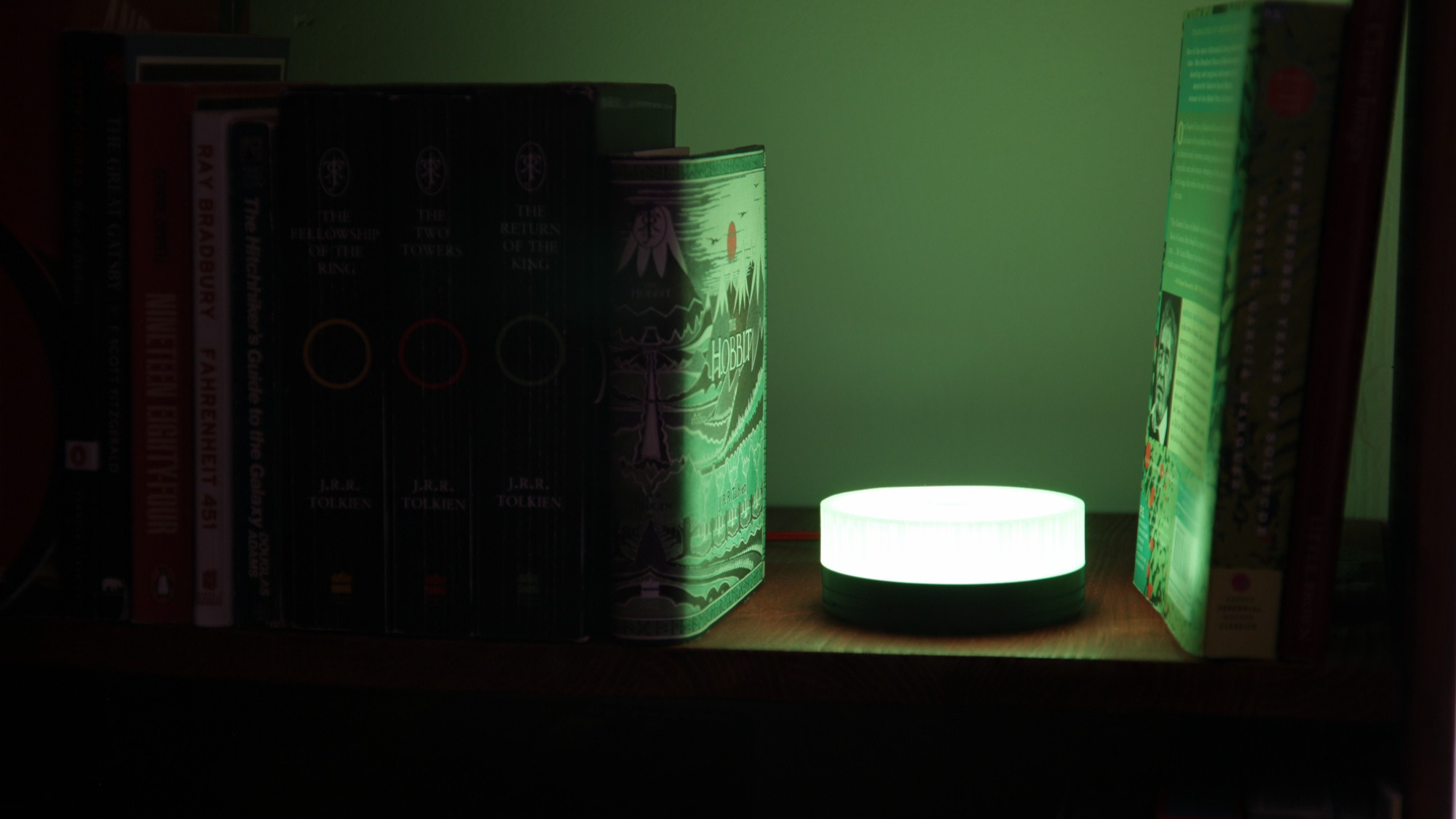
Stand in the wings of a working theatre about ten minutes before curtain and watch the crew tune the lamps. Onstage there is a small kitchen table with a single brass lamp, shade tilted toward the actor's mark. When she crosses to the table and flips the switch, the lamp will come on and her face will brighten, and nearly everyone in the audience will accept this as the lamp doing the work.
It isn't. The actor's face is being lit by four masked instruments hung in the first electric above her head, angled to mimic the tilt of the brass shade. The lamp on the table is what theatre calls a practical — a real, working fixture, yes, but one whose bulb has been wattage-matched to be just bright enough to justify everything the rig is actually doing. If the lighting designer is very good, you will leave the theatre believing you saw one lamp.
Theatrical lighting designers call this motivated light: illumination representing a believable source inside the world of the scene — a lamp, a window, the moon. The opposite, non-motivated or unmotivated light, has no visible cause. It is simply there, making the action legible, and the audience has agreed not to ask where it comes from.