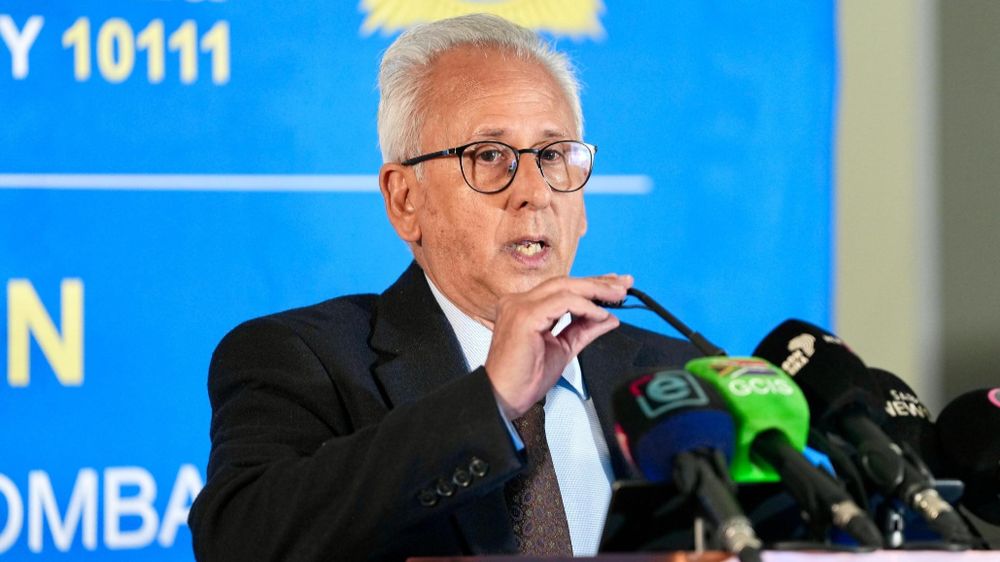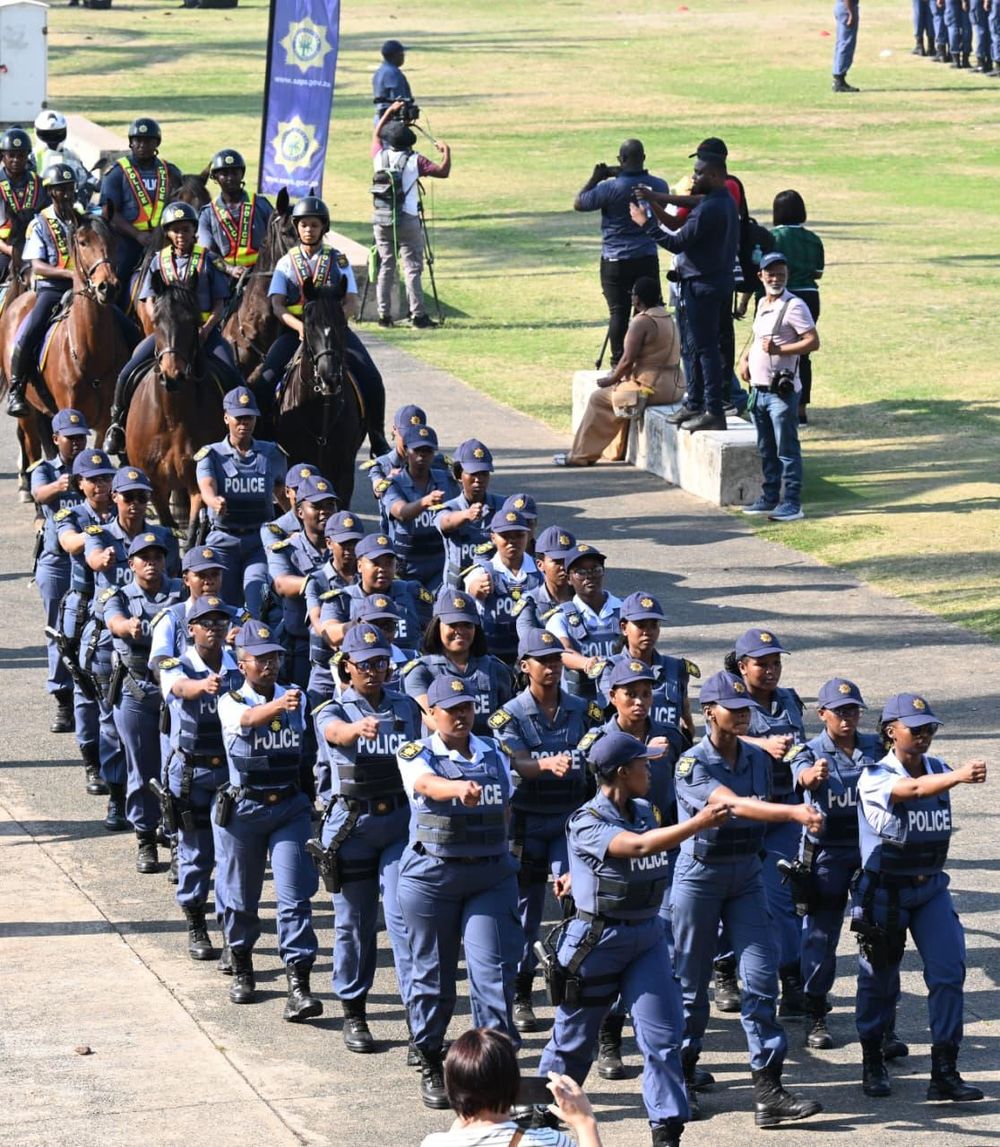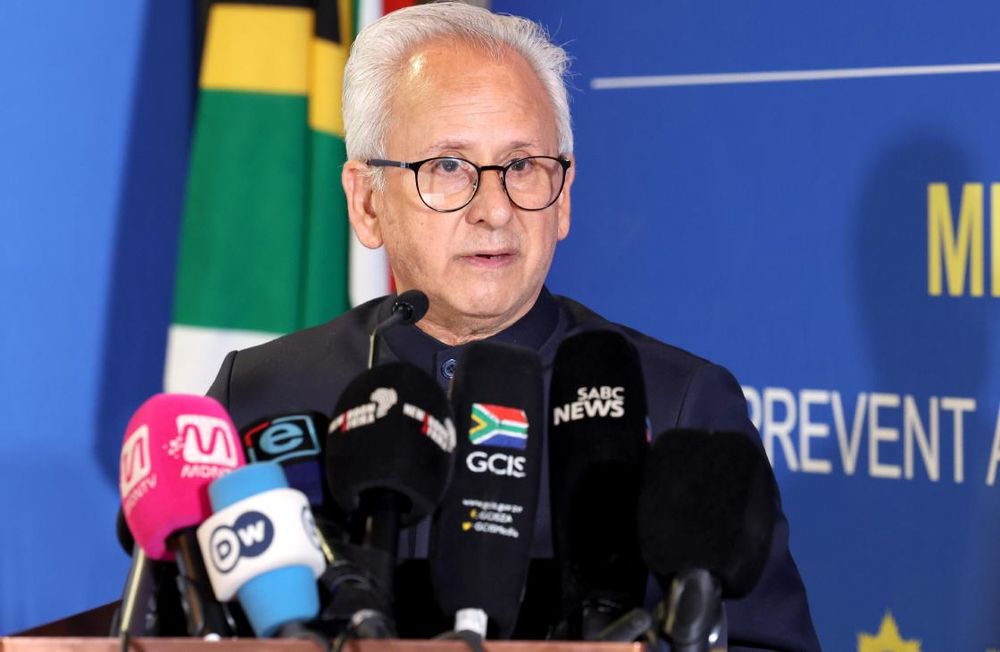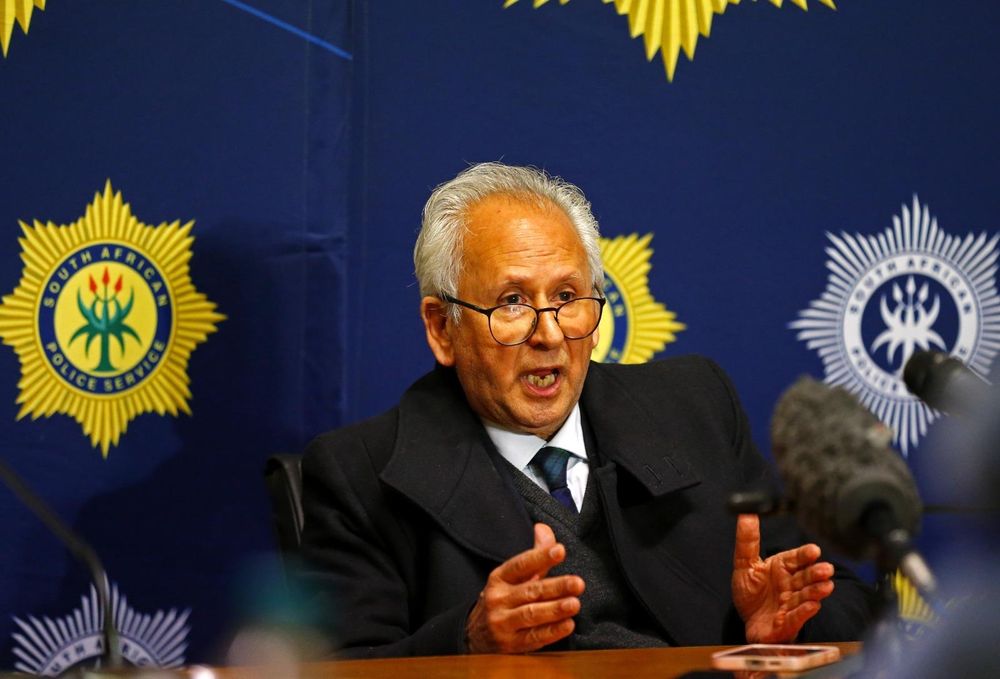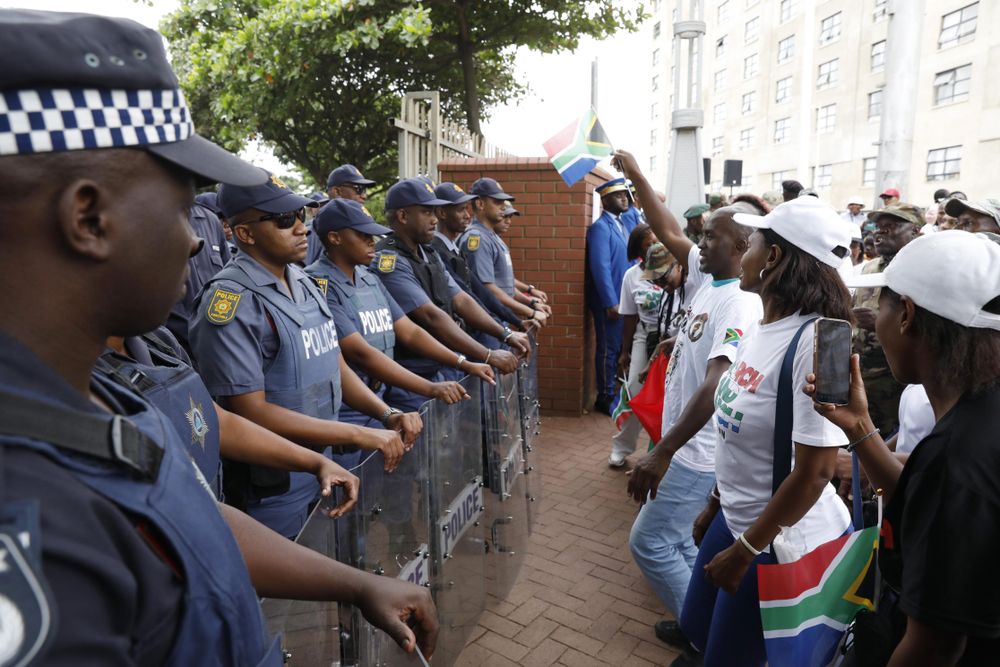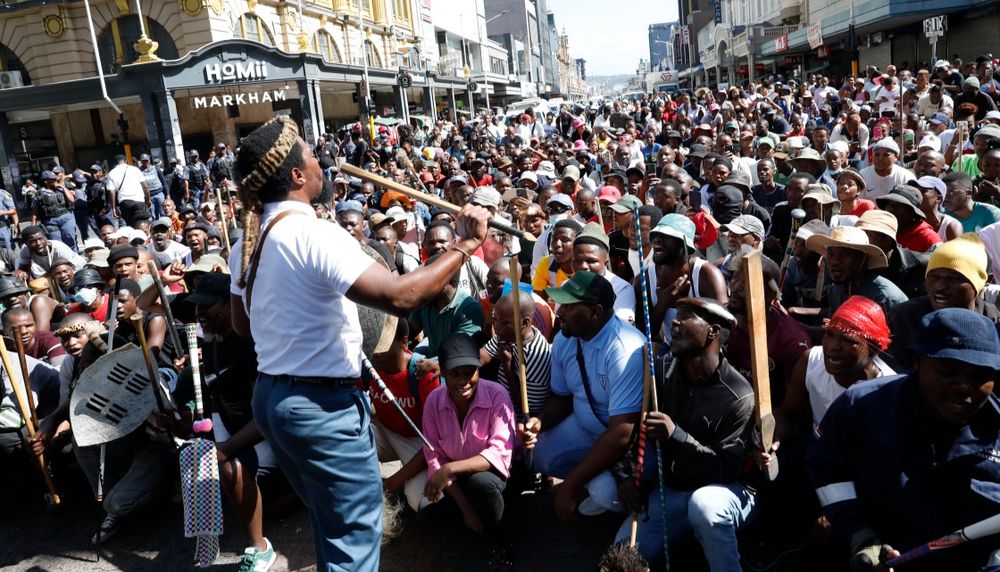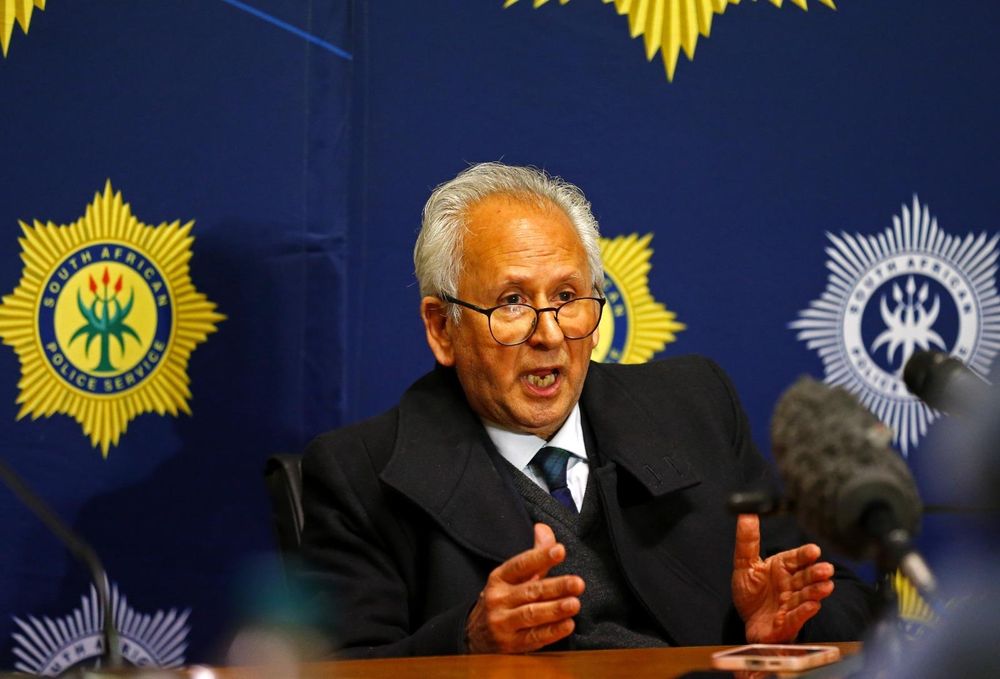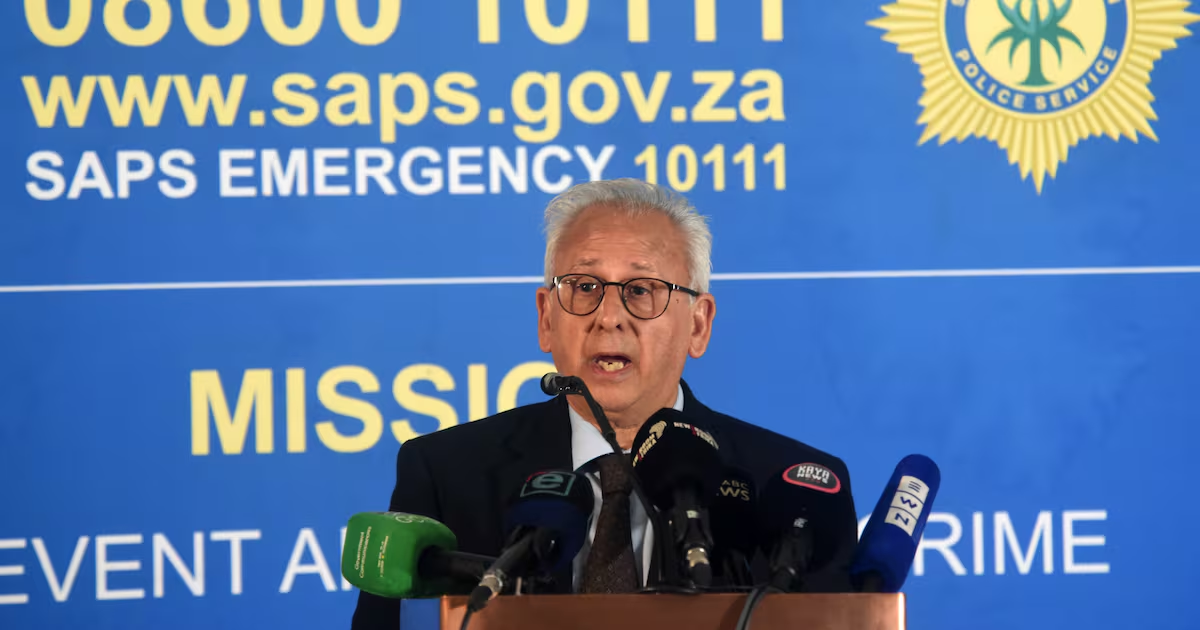
Acting police minister Firoz Cachalia says law enforcement agencies are fully prepared to deal with any eventuality during the planned nationwide protests on June 30, stressing that peaceful protest is a constitutional right, but violence and vigilantism will not be tolerated.Cachalia addressed the media in Cape Town on Tuesday following engagements with police management and community policing representatives at the Nyanga police station. The briefing focused on the South African Police Service’s readiness to manage the planned anti-illegal immigration demonstrations and national shutdown organised by the March and March movement.He said police would do everything possible to ensure that June 30 remains “a normal day”, with any protest action taking place within the confines of the law.During a visit to the police station earlier in the day, Cachalia said a community representative assured him that residents would not tolerate lawlessness.“One of the community representatives said to me spontaneously: ‘Minister, you don’t have to worry about June 30 because here in Nyanga we are not going to tolerate lawlessness. We’re not going to tolerate any efforts to destroy our infrastructure,’” Cachalia said.He said the sentiment reflected a broader desire among communities for peace and stability.“That speaks to a deep sense of community responsibility and solidarity. It is a message that must go out across the country from communities, community policing forums, religious leaders, trade unions and civil society, that communities desire peace and stability.”Cachalia acknowledged that concerns around illegal immigration were legitimate and that South Africa was engaged in an important national conversation on the issue.“As a sovereign state and a democracy, our people have the constitutional right to peaceful and unarmed protest. However, the right to protest should not be used as an excuse for criminality or abusive behaviour,” he said.Cachalia said only the police and other authorised officials are responsible for enforcing the law in a constitutional democracy.In this case, we also have situations where people are making inflammatory statements on social media, saying they are going to expel people from our country themselves on the 30th. We are already seeing some of that behaviour.— Firoz Cachalia, acting police minister He warned that authorities could not afford a repeat of the widespread unrest that engulfed parts of the country in July 2021.“In this case, we also have situations where people are making inflammatory statements on social media, saying they are going to expel people from our country themselves on the 30th. We are already seeing some of that behaviour,” he said.According to Cachalia, about 30 marches linked to anti-illegal immigration sentiments have taken place in the Western Cape in recent months. Most were peaceful, although six were accompanied by violence.“The minister of police cannot take the posture that whatever happens on the 30th is acceptable. My responsibility is to ensure that police resources are mobilised to keep the country safe.”He said police operational plans had been scrutinised and any identified gaps addressed.“I am satisfied that the police are ready for any eventuality,” he said.Cachalia emphasised that police would protect the rights of those wishing to protest peacefully while acting decisively against criminal conduct.“There is no constitutional right to violence, no constitutional right to take the law into your own hands and no constitutional right to carry dangerous weapons while participating in a protest.”Addressing concerns about illegal immigration, Cachalia said immigration laws were being actively enforced in the Western Cape, but warned that the scale of the challenge should not be underestimated.He referred to a recent visit with the Inter-Ministerial Committee on Migration, led by minister Khumbudzo Ntshavheni, to a processing facility dealing with between 500 and 800 people daily.“The country has a challenge to secure its borders. That will require resources, technology and time, but the government agrees that this matter requires urgent attention,” he said.Cachalia said police were monitoring all areas where protest action was anticipated and had deployed resources both proactively and reactively.“Those planning disruption should understand that we are not waiting for disruption to happen,” he said.He also reiterated that police were arresting people found to be in the country illegally.“When police enforce immigration laws, they are enforcing the law. When people who are not authorised by law do it themselves, they are breaking the law.”Meanwhile, the SAPS divisional commissioner of human resource development, Lt-Gen Dr Bongiwe Zulu, confirmed that some officers had had their leave suspended to ensure adequate staffing levels during the period.“Those whose leave has been suspended have already been informed. We also have members with critical skills who may be recalled if necessary. As SAPS members, we understand that when service delivery requires us, we must make ourselves available,” Zulu said.She added that officers whose leave was cancelled would be compensated in accordance with SAPS policies.“We signed up to serve the country whenever we are needed, and there are processes in place to ensure that members are compensated for leave that is cancelled in the interest of service delivery,” she said.
Police say June 30 is not another July 2021, warn against vigilantism, violence against foreign nationals
With 30 anti-immigration marches already held in the Western Cape and inflammatory social media posts threatening vigilante action, acting police minister Firoz Cachalia anticipates a ‘normal day’
819 words~4 min read