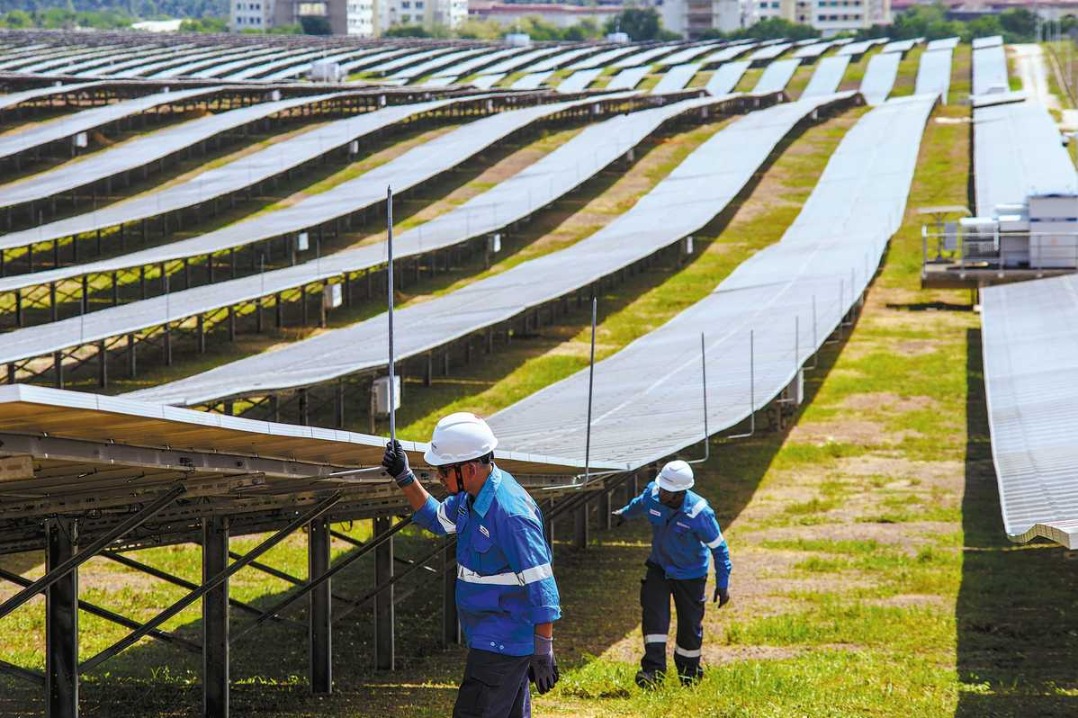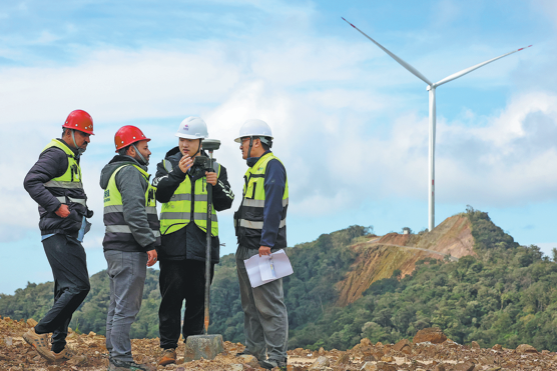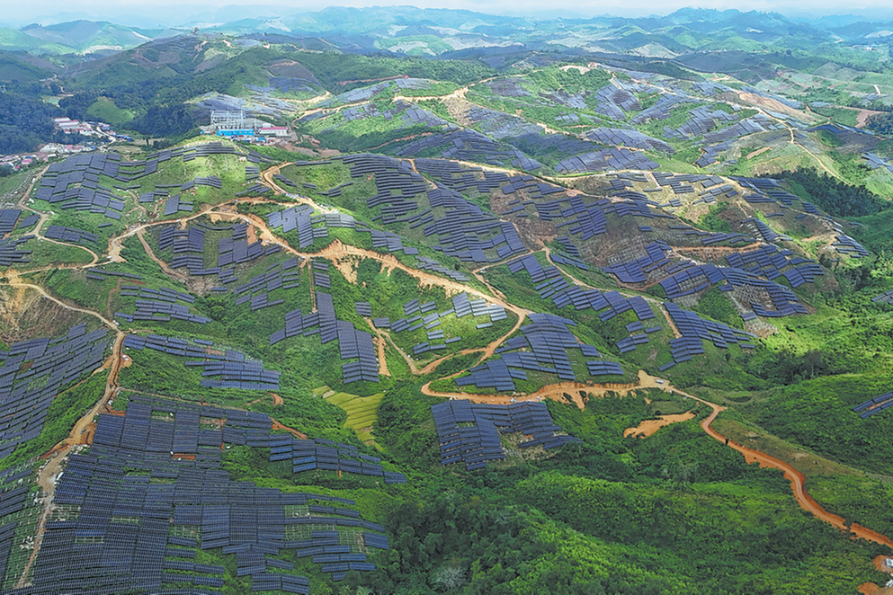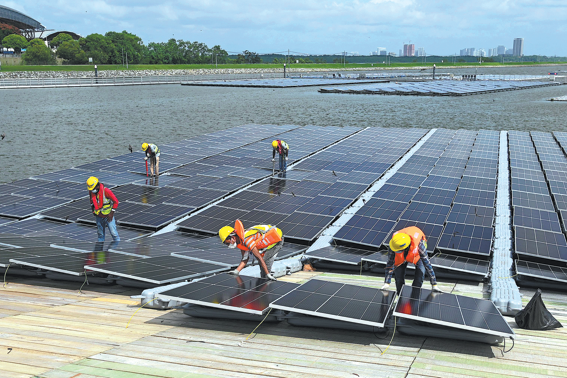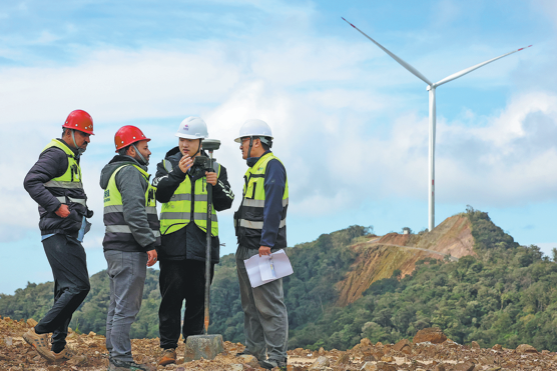
Engineers work at the site of the Monsoon Wind Power Project in Laos on Dec 28, 2025. ZHU JIPENG/FOR CHINA DAILY
As strategic rivalries, economic fragmentation and climate pressures fracture global politics, energy security has become one of the most pressing strategic concerns in Southeast Asia. For the region's developing and middle-income nations, energy security is no longer just an economic box to check. It has become a matter of political stability, industrial competitiveness and long-term sovereignty.
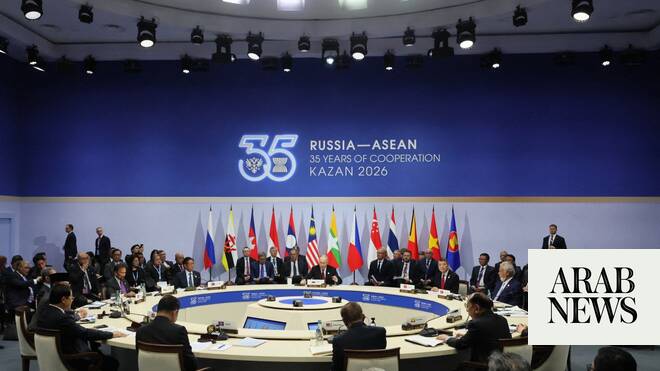
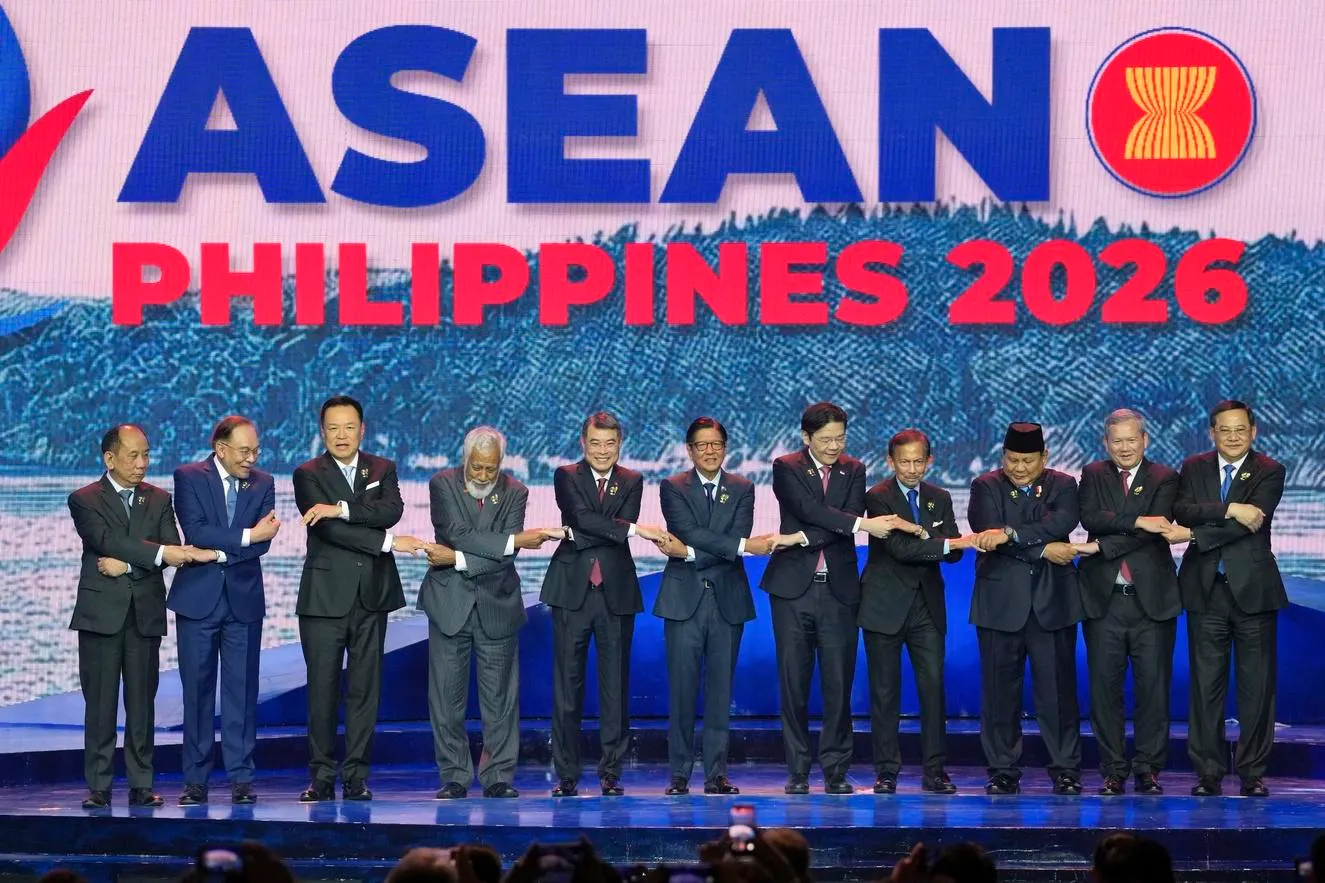
This urgency was front and center at the recent meetings of the Association of Southeast Asian Nations in Cebu in the Philippines.
Beyond the diplomatic language, the reality is clear: No country in the Southeast Asia region can handle the current energy chaos alone. Energy markets have become increasingly volatile, while supply chains are heavily affected by geopolitical factors, and the global transition to green energy is increasingly shaped by evolving international dynamics.
The challenge for ASEAN lies in the fact that it is far from a monolith. This divide has created very different energy realities across the region. On the one side are the resource-rich exporters, with large natural energy reserves and the economic flexibility to move more quickly toward a green transition. On the other side sit the fuel-dependent importers, nations that are heavily tied to fossil fuels just to sustain basic economic growth and are highly vulnerable to fluctuations in global energy prices. Because of these massive internal disparities, any regional energy policy has to be flexible and highly pragmatic, not bound by rigid Western or global ideologies.