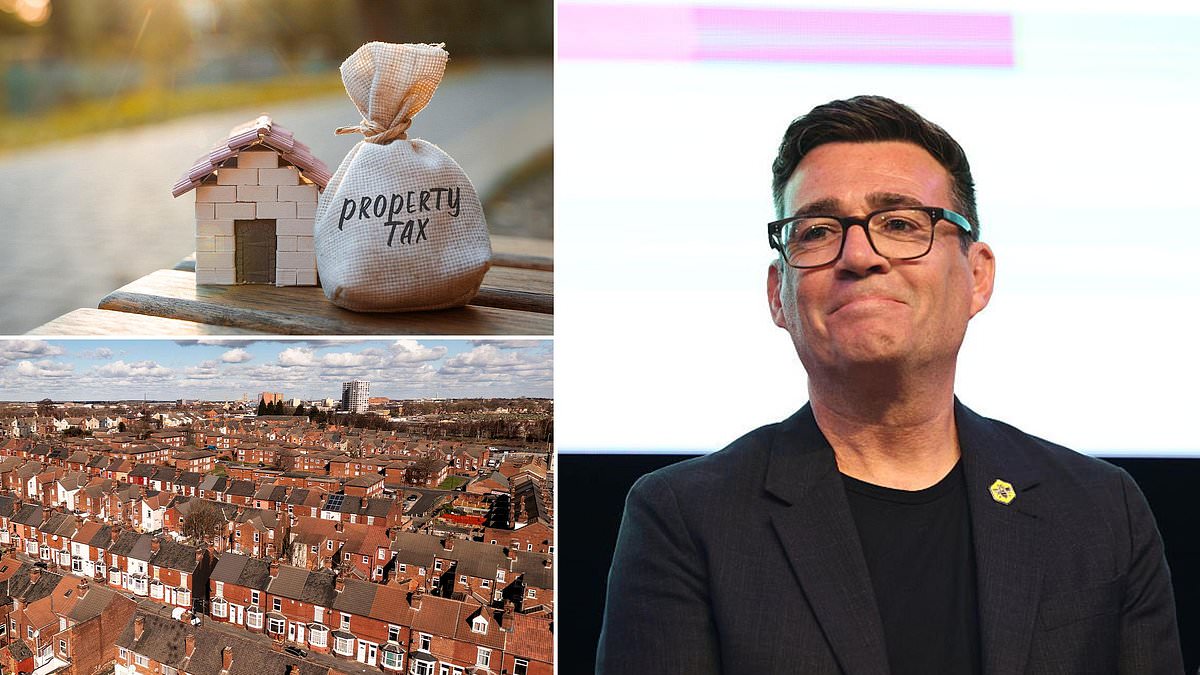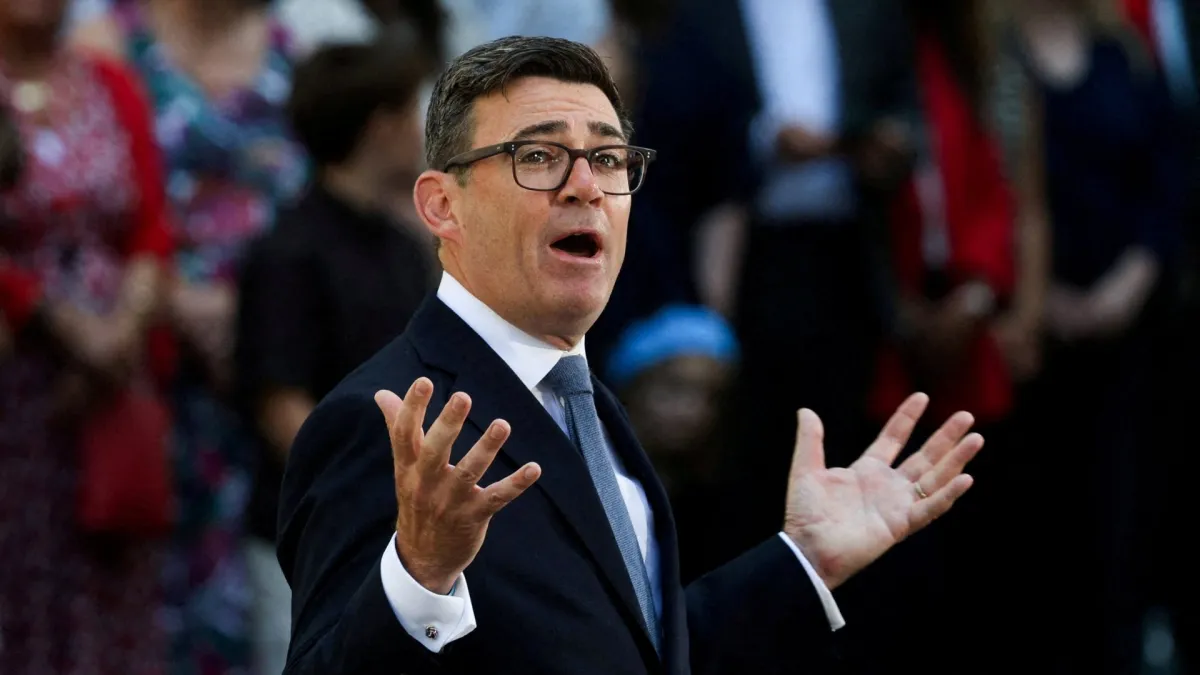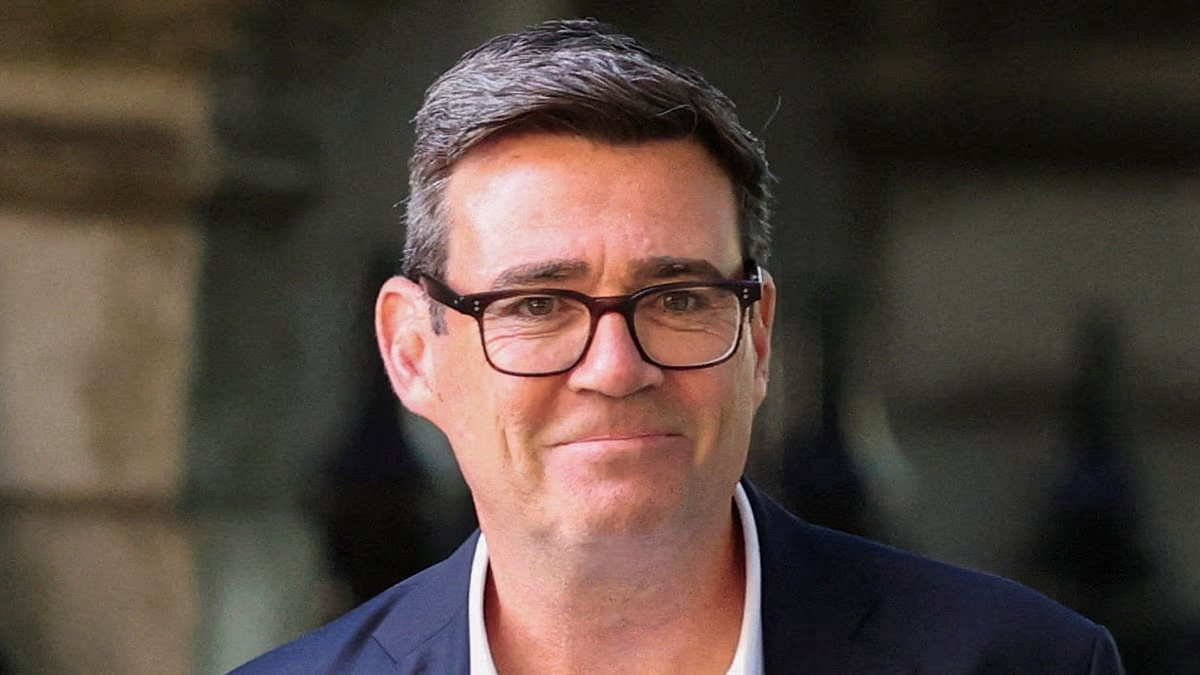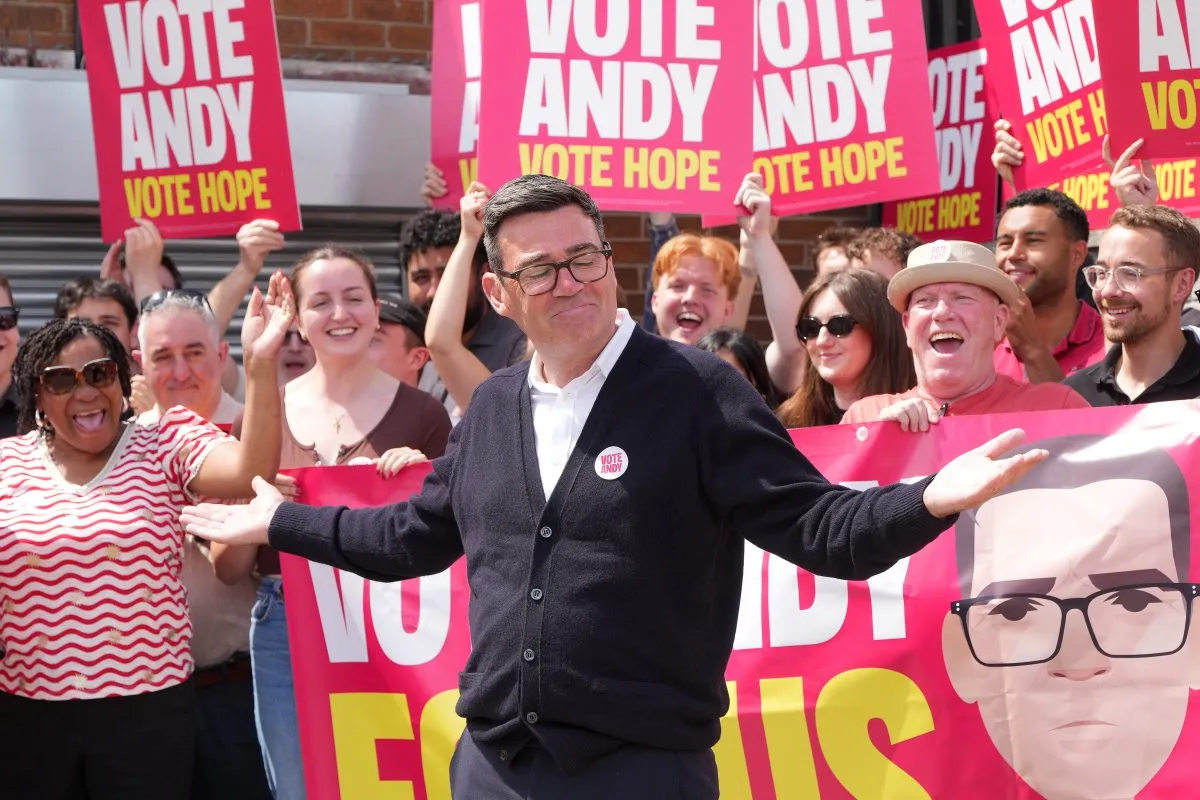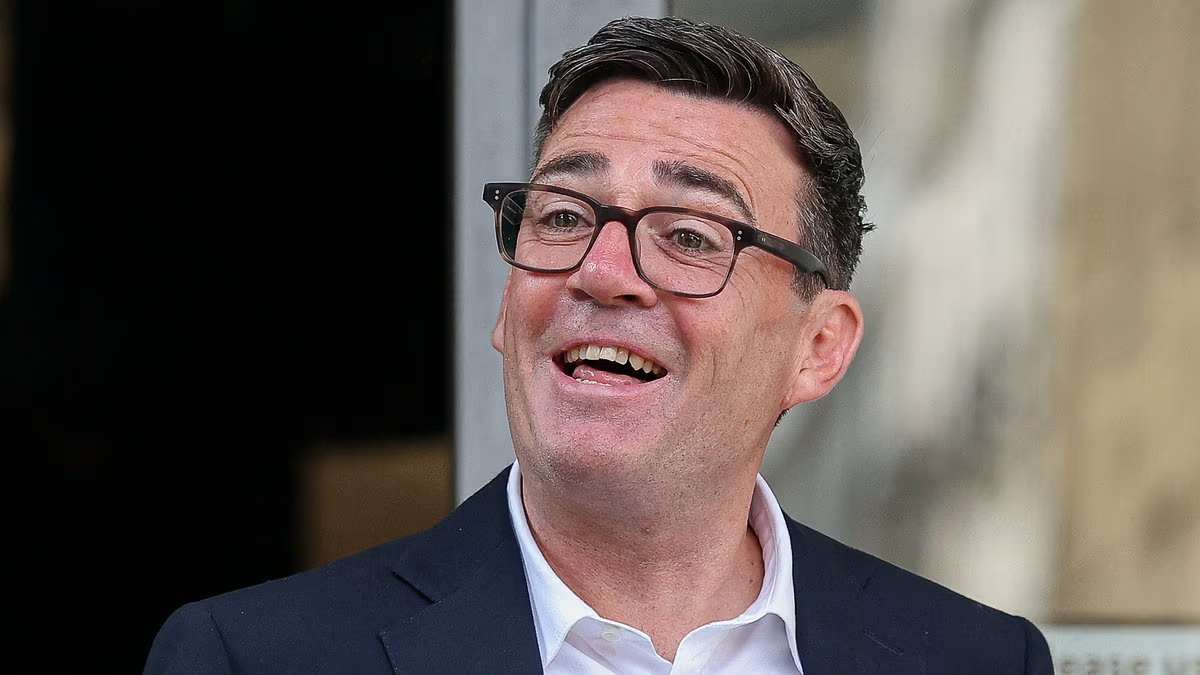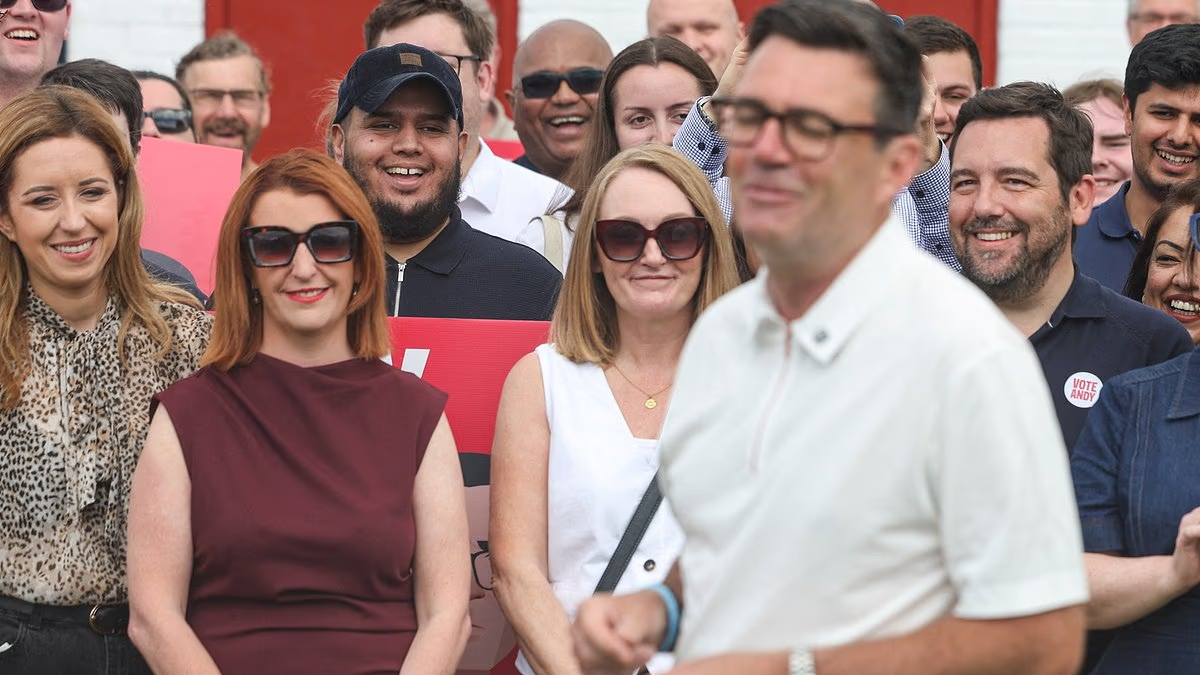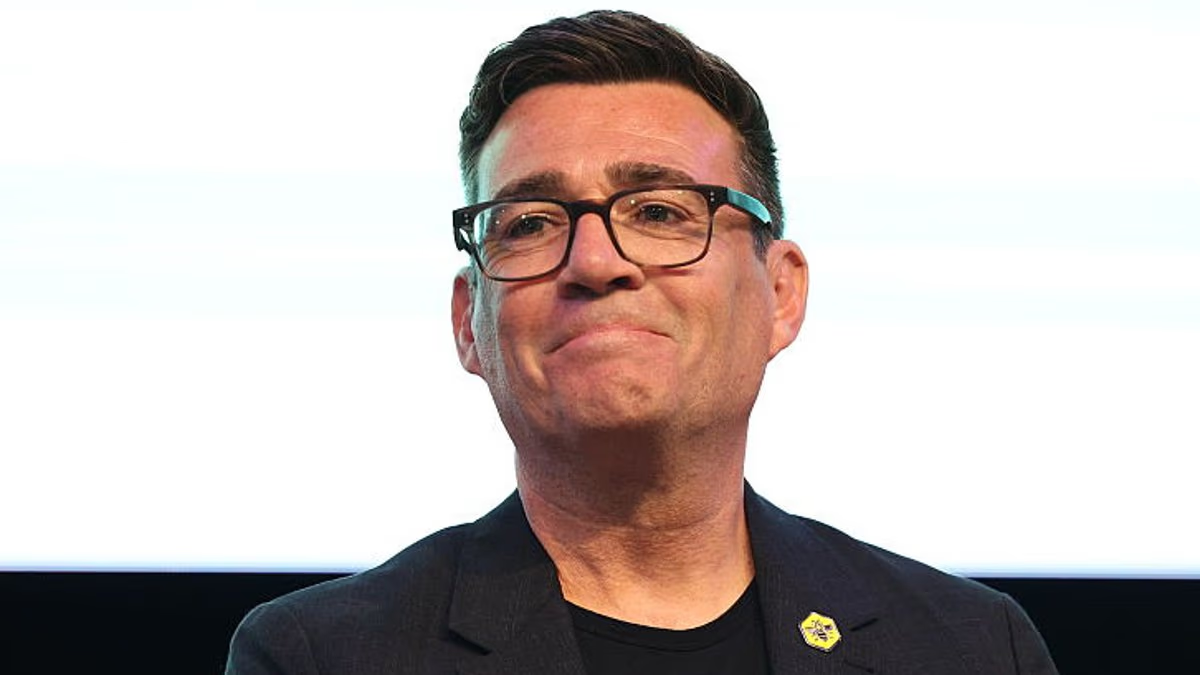
Well blow me down with a feather! Andy Burnham wants to ditch inheritance tax.From any Labour leader that would be a surprise, but it’s especially so for one with his socialist credentials.But before you fire your estate planner and start musing on how much more you could pass on to your loved ones free of tax, pause for a minute.Far from a tax cut, an overhaul could lead to higher – and escalating – tax bills.Let’s examine the evidence.On the campaign trail last month, Burnham, who now looks set to become prime minister, said: ‘I know there’s a great resentment about inheritance tax, so actually, just take that away, perhaps, and look at a care levy.’ Andy Burnham says Labour would revisit Inheritance Tax changes if he becomes prime ministerReplacing inheritance tax with something called a care levy sounds at first like an ingenious manoeuvre.Inheritance tax is known as Britain’s most hated levy – even among those who will never pay it. Millions object to it on principle – it seems so miserable to pay tax on your wealth all your life only for it to be walloped again on your death.If it were reframed as a social care levy that families felt they benefited from, that would sound far more palatable.After all, if there’s one thing families despise as much as inheritance tax, it’s estates being wiped out by care home fees. But don’t be fooled. If inheritance tax is replaced with a social care levy, we’re likely to have to stump up several times more than we are now.Families paid £8.4 billion in inheritance tax in 2024-25. But the total cost of adult social care? Over four times that, at £34.5 billion in England alone.Spending rose by 8 per cent in the past year, and that’s just the beginning.A rapidly ageing population and rising costs means that adult social care is expected to devour a growing proportion of the UK’s GDP every year.It made up 1.3 per cent of GDP in 2023-24 and is predicted to leap every year – to close to double that proportion by 2073-74.Surely a levy designed to help cover this cost would have to escalate also.Rises to inheritance tax bills have been bad enough, but they have only been in line with inflation due to frozen allowances and thresholds.Annual increases to a social care levy would have to be far steeper. Once a social care levy has been introduced, it needn’t even be bound by the actual cost of care. Taxes designated for a particular cause are very rarely ringfenced exclusively for that purpose.National Insurance is sold to us as a tax that pays towards our state pension and other benefits. In reality, it goes in the same pot as income tax. Think road tax goes towards roads? No chance. The Government spends it on whatever it pleases.A social care levy is unlikely to be any different. Burnham might bank on us getting a nice fuzzy feeling when we contribute to a social levy, knowing that we’re chipping in towards the later life care of our loved ones. But in reality it could just become another tax on estates – little different from inheritance tax but with a more appealing name.Furthermore, once a social care levy was in place, future governments would have the perfect excuse to increase the tax by suggesting that it was needed for social care.Another option Burnham has mooted in the past is replacing the current inheritance tax system with a 10 per cent levy on all estates. That could see everyone paying it – not just the wealthiest households.If the current inheritance tax take was distributed equally, families would pay an average bill of around £13,000 each – although this would vary according to the size of estates.Inheritance tax needs reform. Social care funding desperately does too. Burnham’s determination to take the bull by the horns is admirable, and let’s hope he succeeds where successive prime ministers have failed (Theresa May and Boris Johnson on social care, for example, George Osborne on inheritance tax).But if you’re hoping that you’ll pay less tax as a result, think again.If you’ve been considering passing wealth to loved ones and can afford to do so, now might be a good time. Not money you might need yourself – now or in the future. There’s no point in trying to reduce your family’s future inheritance tax bill if it means you have to lean on them for care costs later on.But if there’s money you don’t need and hope one day to give to loved ones, it may be worth using your allowances to gift tax-free now – it’s unlikely to become easier to pass on wealth under Burnham.rachel.rickard@dailymail.co.uk
Burnham could hit EVERYONE with death duties: RACHEL RICKARD STRAUS
Andy Burnham wants to ditch inheritance tax. From any Labour leader that would be a surprise, but it's especially so for one with his socialist credentials.
790 words~4 min read