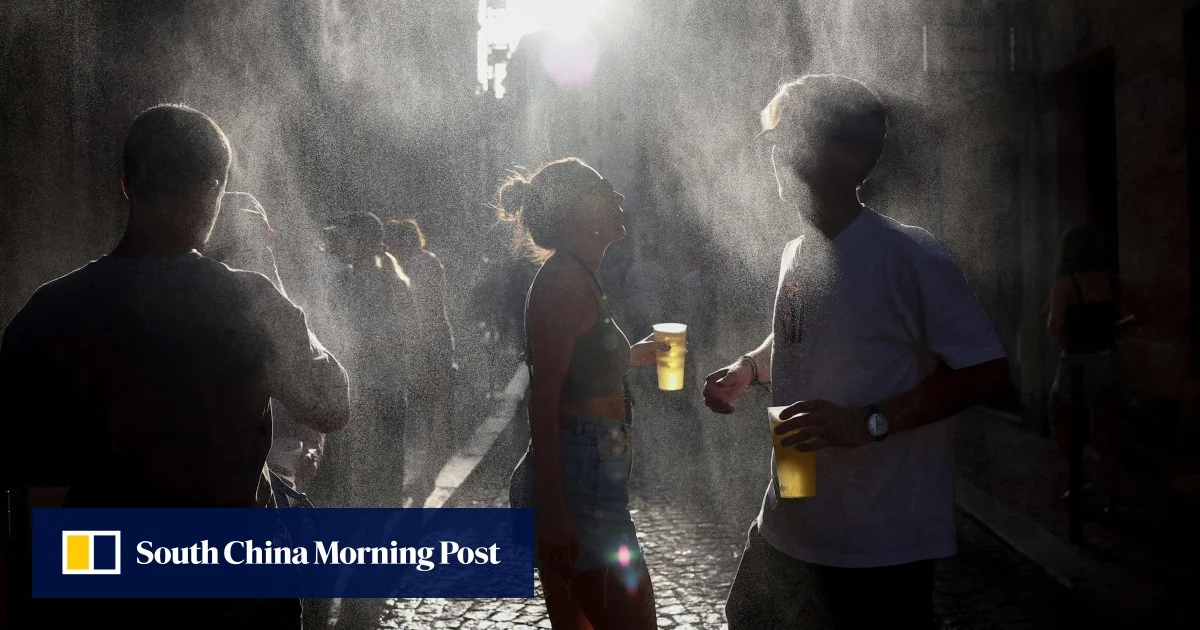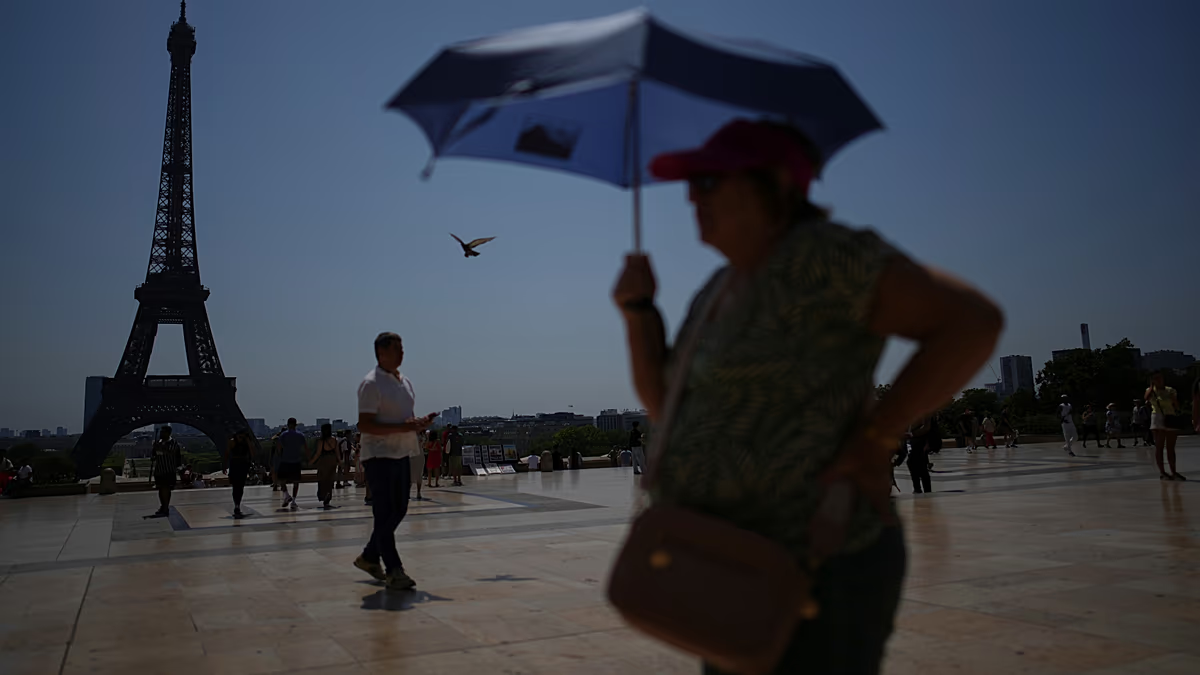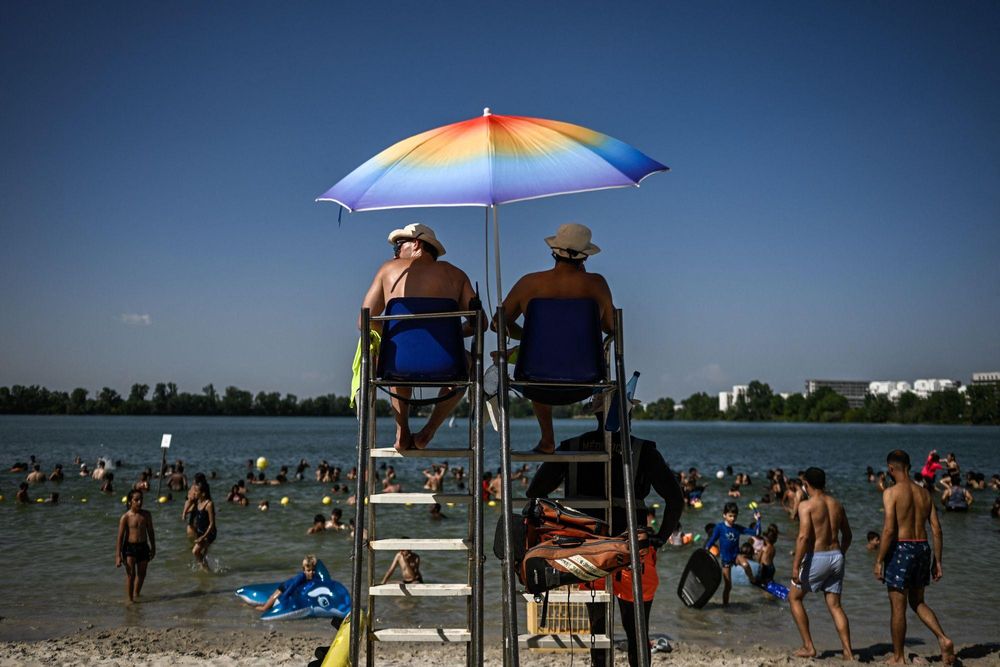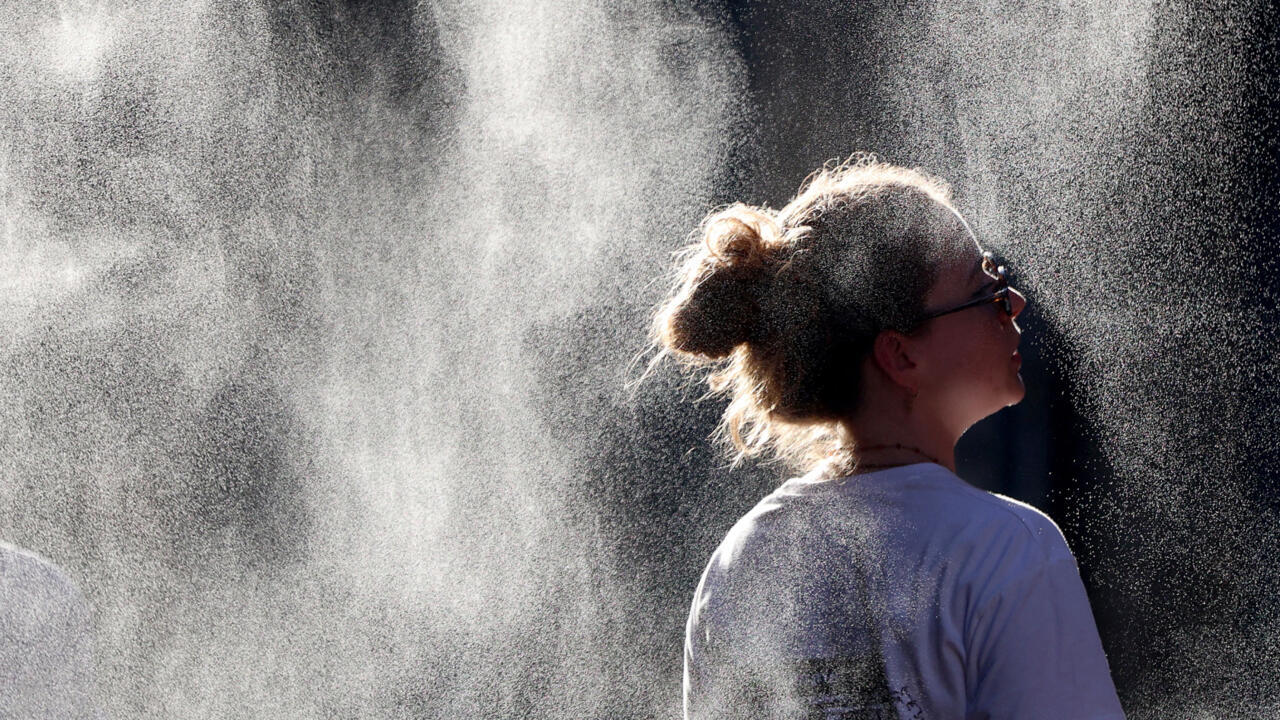
The heatwave that has swept France since June 17 has caused record-breaking temperatures, more than 800 school closures and the cancellation of 10 percent of the trains serving the Paris region. The heat is of “exceptional” intensity, similar to the August 2003 heatwave that caused 15,000 deaths, according to the Metéo France national weather service. Metéo France placed 54 of its 96 mainland departments on red alert on Tuesday, meaning 90 percent of the population was facing extreme, exceptional heat – an unprecedented event. The day before, temperatures oscillated between 36°C and 43°C (97°F and 109°F) across the country. For François Gemmene, researcher and co-author of the UN's sixth Intergovernmental Panel on Climate Change report, none of this comes as a surprise. Gemmene notes that scientists have been warning about the effects of climate change for years and predicts that the temperatures seen this week "are gradually going to become the norm”. Adapting to these changes, beginning with the renovation of buildings and reopening the debate on the mass installation of air conditioning (AC), will be essential to combating extreme conditions in the future, Gemmene says. Moreover, the social consequences of these changes must be considered. Watch moreTipping point? The scramble to contain global energy crisis FRANCE 24: This new heatwave will be comparable to the deadly one in 2003, both in intensity and length. This year's May heatwave was also exceptional because of how early in the year it arrived. Climate scientists' predictions appear to be coming true. François Gemenne: Absolutely, this conforms to various predictions and scenarios. We have known this for at least 40 years: one of the main effects of climate change in Europe is the growing intensity and frequency of extreme phenomena. This means more frequent heatwaves, which also last longer. This is exactly what was foreseen. Furthermore, like public debt, this is a compounding phenomenon. If we run a deficit, the debt grows. And even if we reduce our deficit, the debt continues to rise, becoming higher today than it was yesterday. It’s the same for climate warming. If carbon emissions accumulate in the atmosphere, temperatures continue to rise. Temperature records will continue to be broken – even though I don’t like the word “records”, because it gives you the impression that this is an exceptional event that won’t repeat itself, like an Olympic record. Unfortunately, none of this is extraordinary. The temperatures reached this week will eventually become normal and they will even be considered relatively cool compared to what lies ahead in 2028, 2030, 2040, 2050. This is a certainty. Political leaders have expressed regret at not having moved faster with measures to reduce or adapt to climate change. Which measures should have been taken and ought be implemented now? The priority of priorities is the renovation of public buildings and schools. The catastrophic condition of buildings is clear today. The government launched a plan for energy renovations in 2019, but it was abandoned. It’s a shame, because the renovation of buildings has an impact on people’s health and on the ability of students to concentrate and work well. There is also a major social issue at stake here. We know those who suffer the most are the people living in small apartments on the top floors of buildings. Mortality rates are higher in such settings. Opening cooling centres for these individuals – in gymnasiums, for example – should be considered.
France’s latest heatwave: ‘Temperatures will fall, and we won’t talk about it anymore’
The heatwave that has engulfed France is underscoring the country’s lack of preparedness for climate change. Researcher and climate scientist François Gemenne laments that this is only considered a crisis during heatwaves,…
1,170 words~5 min read