On June 1, GitHub Copilot switched to token-based billing, and developers did the math out loud in public. A plan that cost $29 a month could, under heavy use, run past $750. The replies were the part worth reading — not the outrage, the fear underneath it. People who had quietly built their whole workflow around an AI assistant suddenly didn't know what next month would cost.
If you've used Claude Code seriously, you already felt the edge of this. One developer reported burning roughly $1,850 of usage in thirty days — on a plan that looked, on paper, like it cost a fraction of that. The agent reads more files, plans more, retries more. Every one of those tokens is real money. You just weren't the one paying for them.
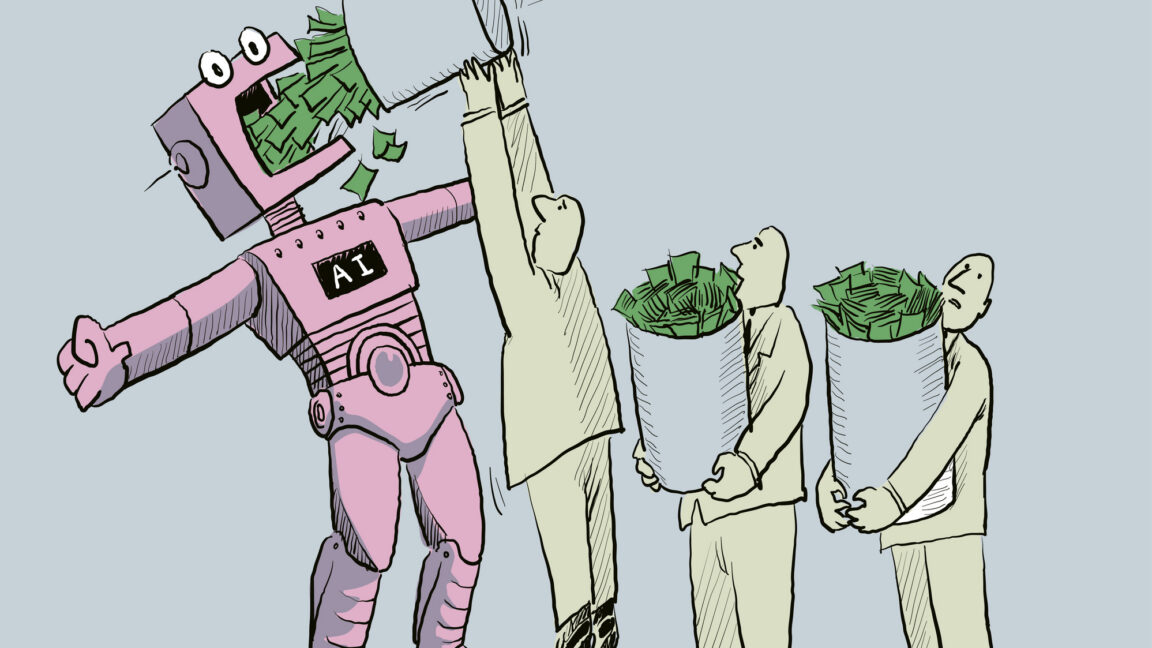
Here's the uncomfortable part, and almost nobody is saying it plainly: the cheap era of AI coding was never real. It was a subsidy. And the subsidy is ending.
The price you paid was never the price it cost
For two years, the AI coding tools competed on one thing: getting you hooked. Flat-rate plans. "Unlimited" tiers. Twenty dollars a month for a tool that was clearly costing far more than twenty dollars a month to run against your codebase. That gap didn't come from efficiency. It came from venture capital, paying down your bill to buy your habit.