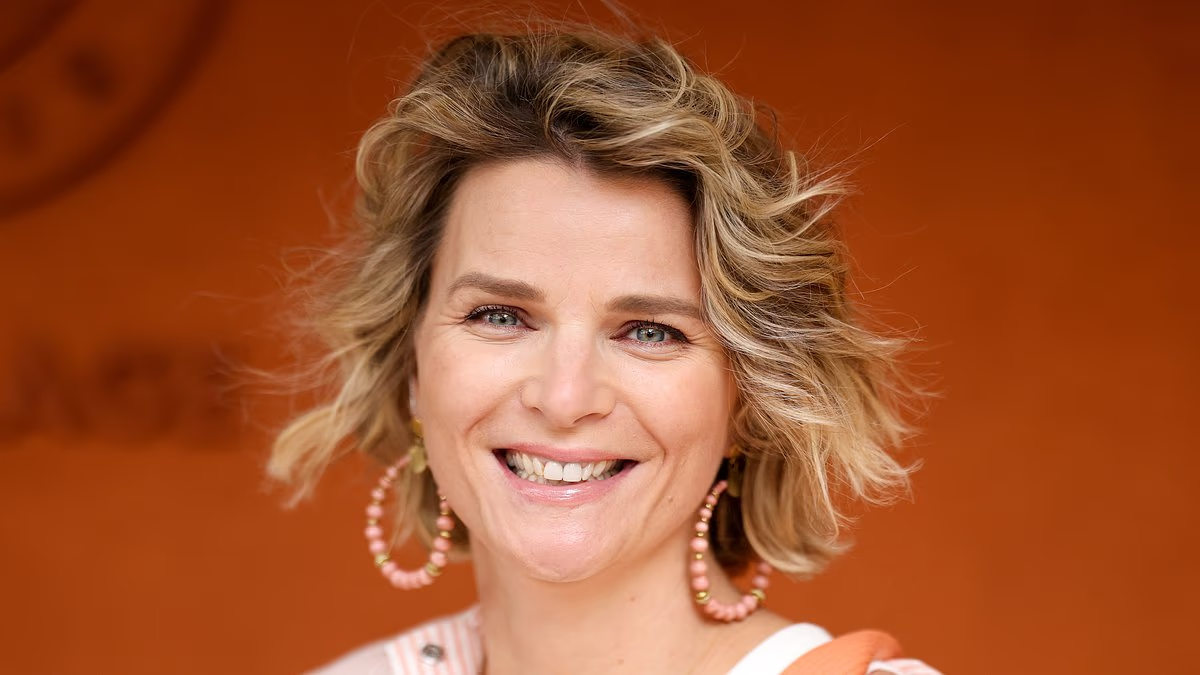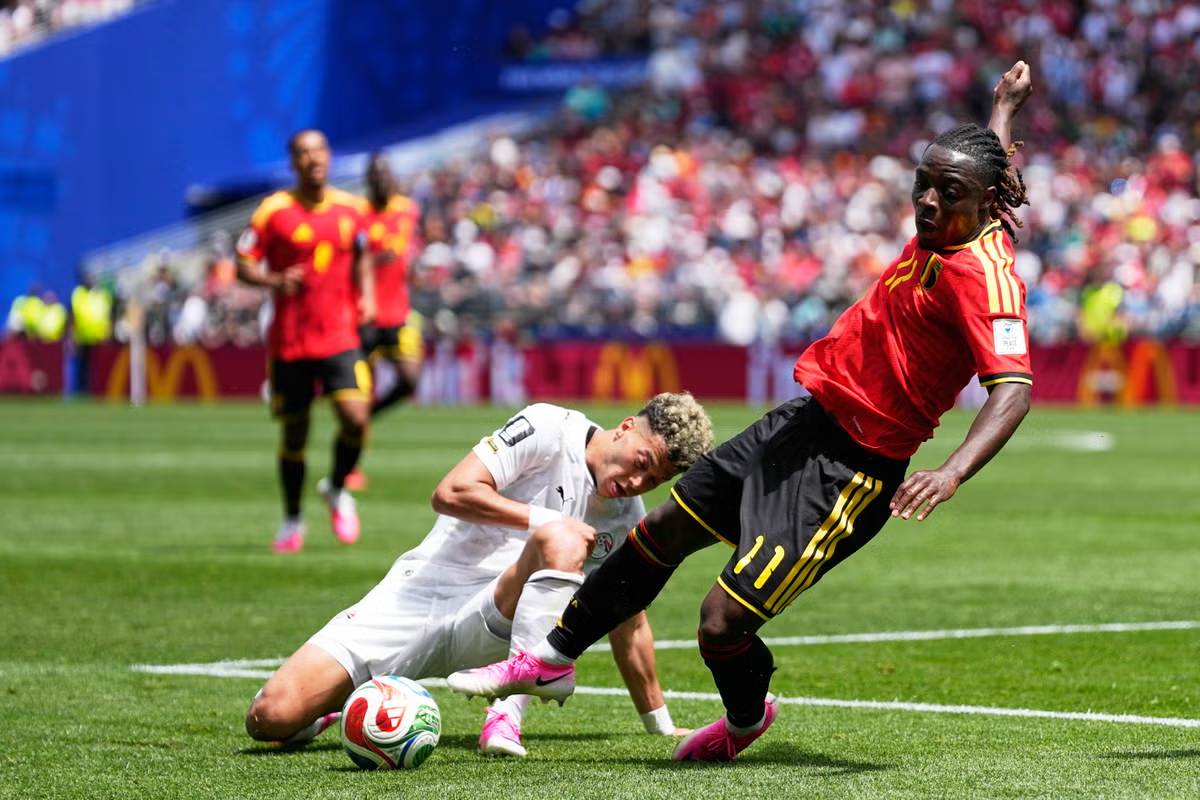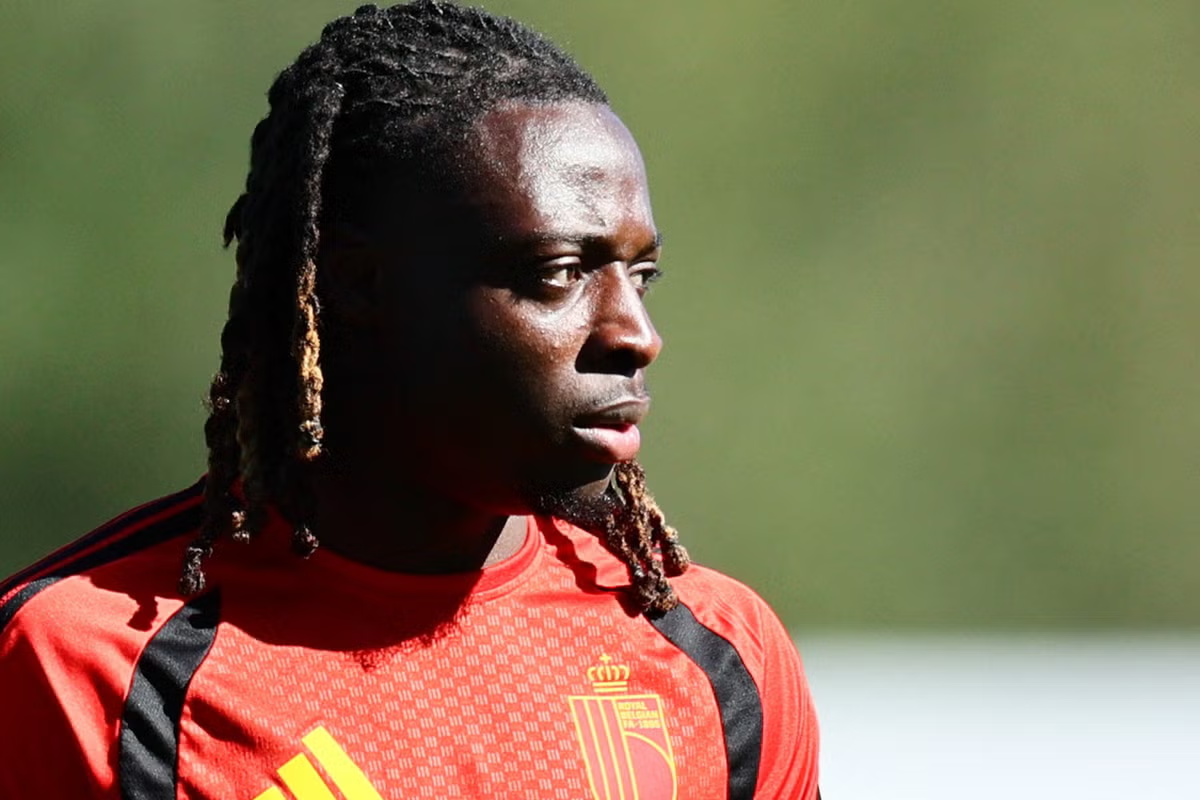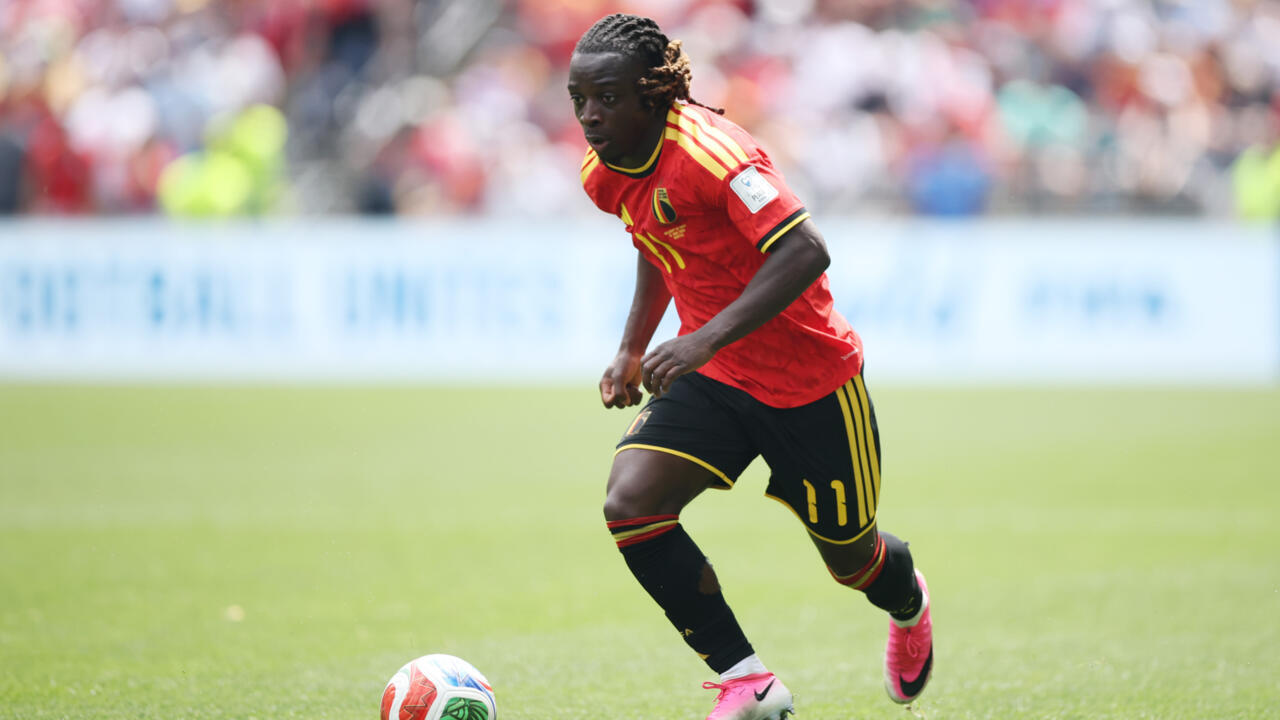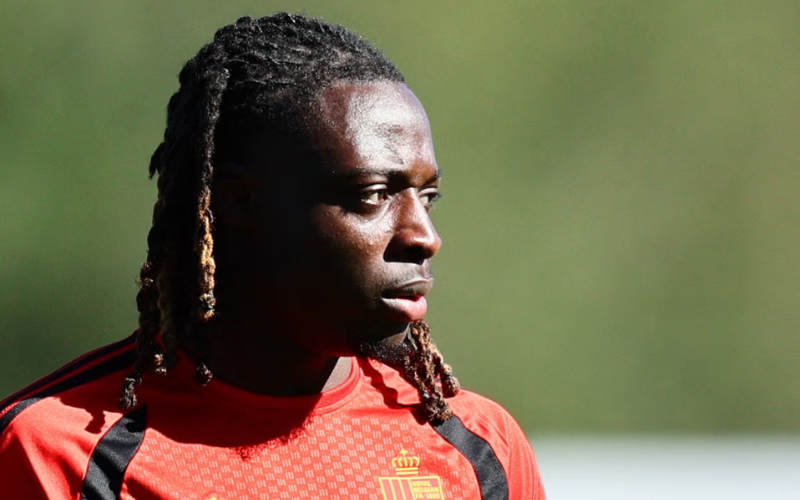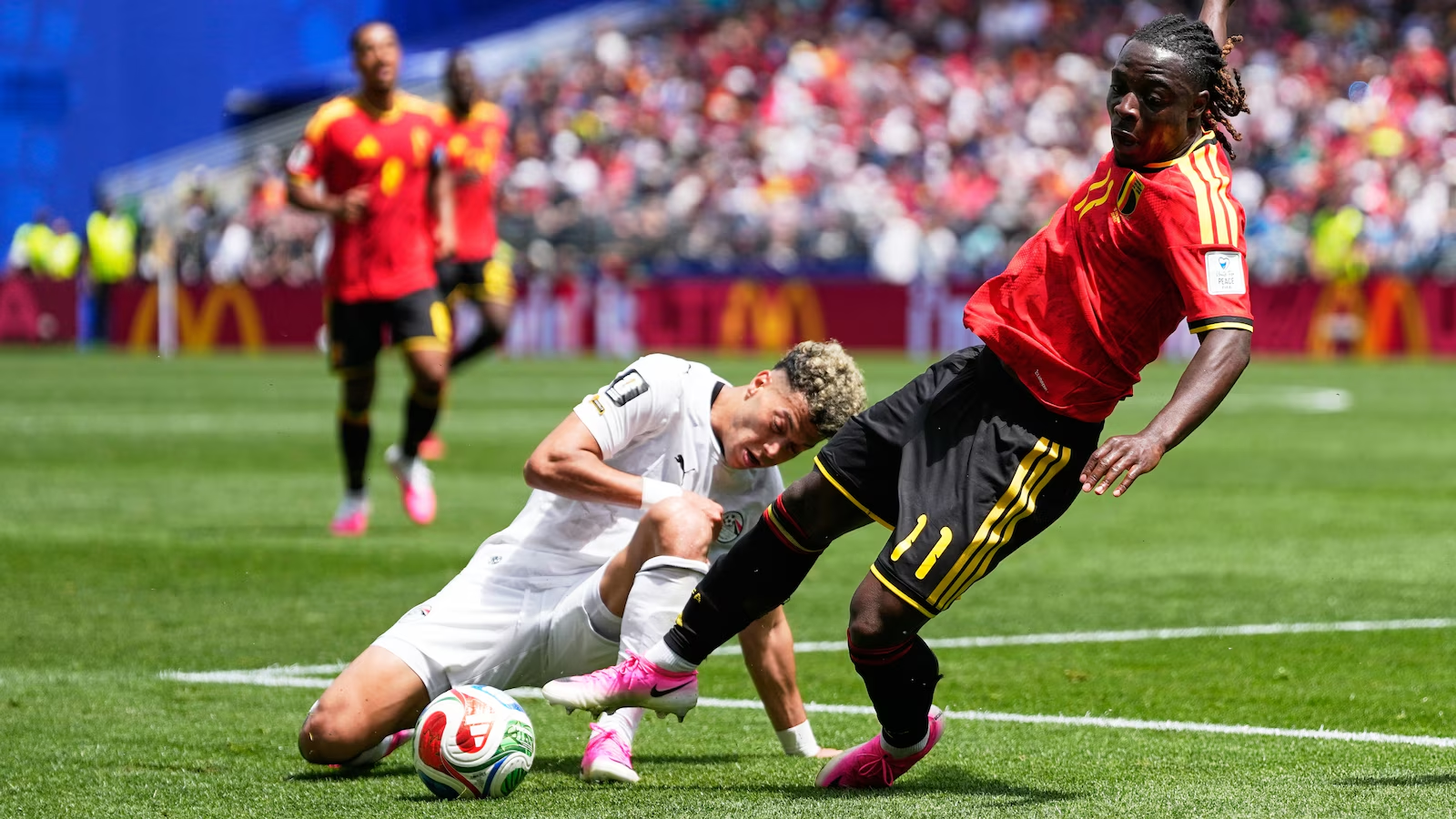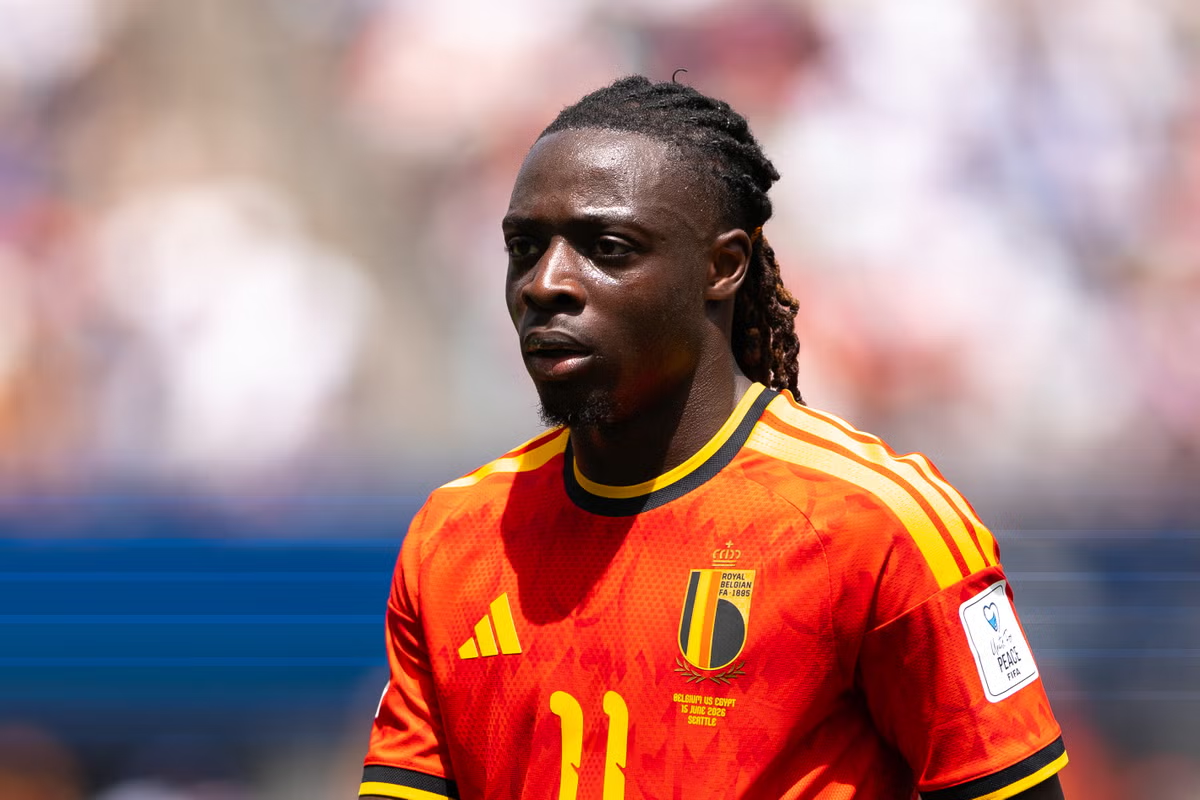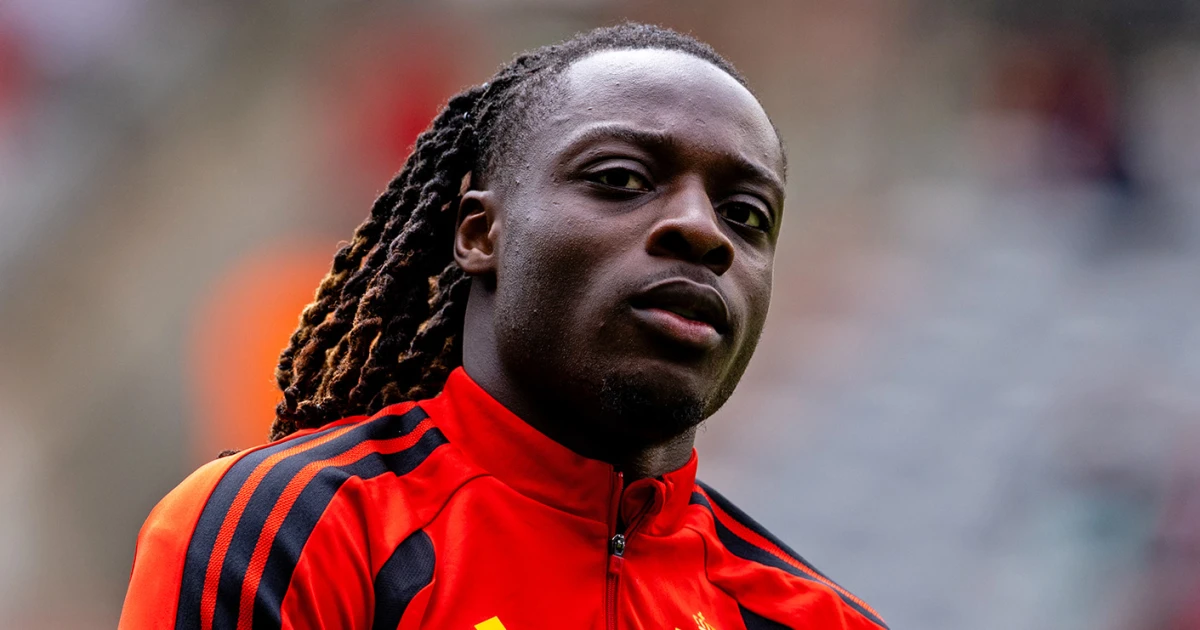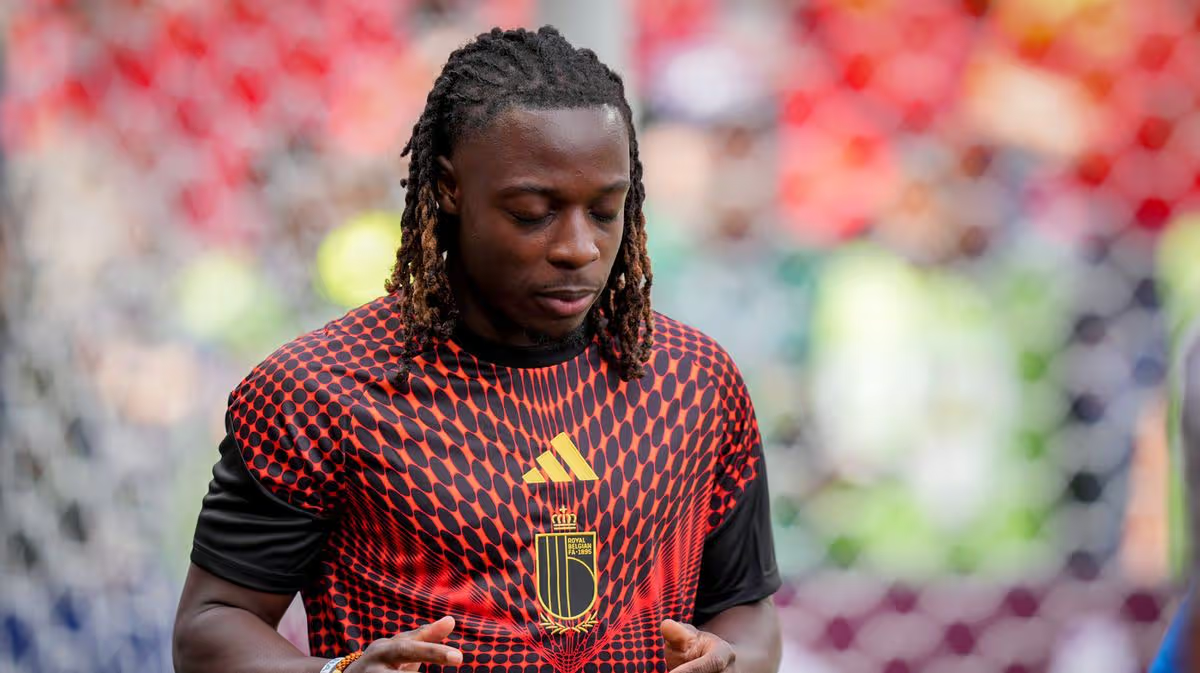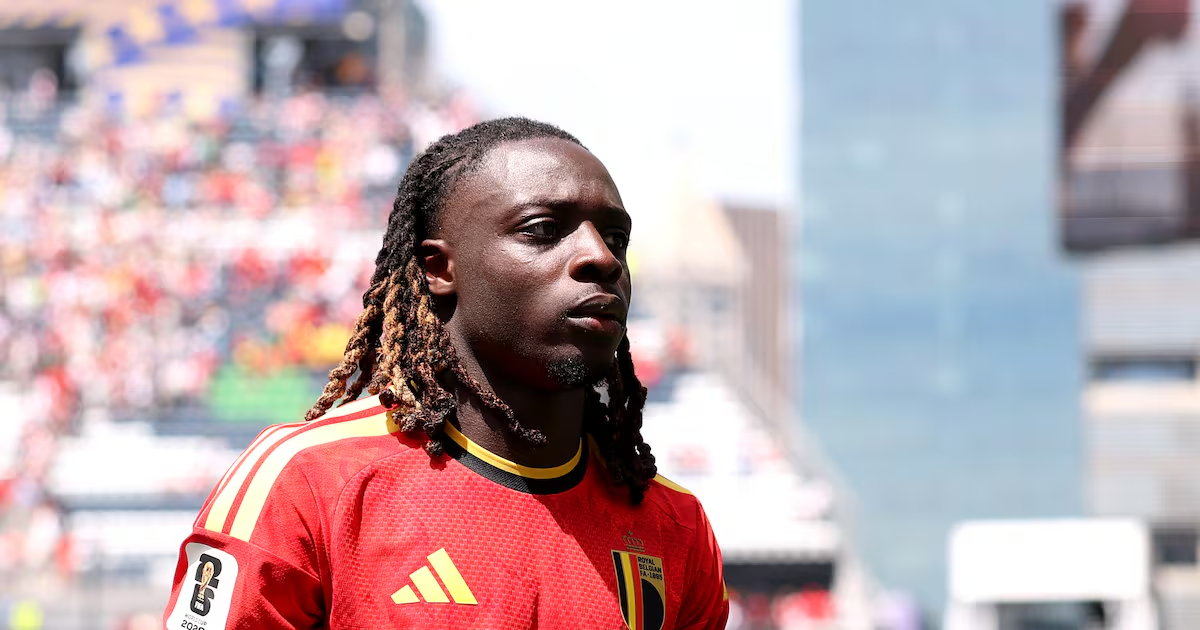
Many years ago when my parents heard I was loitering with a young man, they asked to meet him over Sunday lunch. Between playing for the local GAA and rugby clubs, he had a busy weekend schedule but I accepted on his behalf anyway. Sure what could be more important than an introductory lunch with the future in-laws? A grudge match against the neighbouring parish, as it happened. You don’t just let the team down, he said, slack-jawed at the idea. Lunch was deferred in a spirit of mutual bewilderment, to put it nicely. That moment came to mind when news of Belgian football star Jérémy Doku’s World Cup dilemma emerged over the past week. The 24-year-old Manchester City winger had already cried off the Belgium v Iran game on Sunday due to a respiratory infection. Worse, the game was drawn despite Belgium being hot favourites. But the real dilemma for Doku was the timing of the birth of his first child, expected in the second week of July – a period that would coincide with the World Cup knockout rounds. When he told reporters he “definitely” wanted to be at the birth, reaction was muted beyond a former Belgian international jokily suggesting that he would be a spare wheel at his child’s birth. Then one of his old youth coaches, Peter Janssens, weighed in saying it was a choice to go to the World Cup – “if you’re there it’s because you have chosen to play. The baby will still be there afterwards”. The headlines declared a generational clash over Doku’s dilemma. At that point it might have remained a national diversion but for an overcooked interjection from a presenter on L’Equipe, the leading French sports channel. “The World Cup is an incredible joy. There are hundreds of footballers who would kill to be in your place ... It’s a unique moment, a childhood dream come true and you’re going to walk away from all that to witness the birth of your child, which is a disgusting moment, excuse my language, where the father is useless, he is an extra,” ranted France Pierron. “You’re going to take a 10-hour flight, exhaust yourself, go through the wringer emotionally. How can you return to play after that? The baby will always be there,” she said, echoing Janssens’s argument and the many who happily quote Bill Shankly’s declaration that football is “much, much more important” than life and death. Cue waves of outrage against Pierron, followed by her apology – “my intention was never to minimise the place or role of fathers with their partners and children” – and suspension from L’Équipe, which “distanced itself”. She is reportedly a mother herself so the real curiosity is whether her eruption was performative attention-seeking, blind sports zealotry or personal childbirth experience that informed her thinking. She may have private reasons for her views on fathers’ usefulness in the labour ward but she also has form for commenting on elite athletes as parents. To be honest, said a friend and mother of three young children, she agreed with Pierron up to a point, mainly because her own husband had fainted during one birth and had to be helped from the room before another properly began. It’s an “under-discussed” subject, as she put it. While the pioneering French obstetrician and author Michel Odent never said fathers should be banned from the labour ward, he did argue that the ideal environment for an uncomplicated birth was a quiet, experienced midwife and no unnecessary spectators, which included husbands and doctors. Modern fathers, he thought, often feel obliged to “do something” during labour such as coaching, asking anxious questions, monitoring progress, pulling the mother back into the thinking part of her brain rather than the instinctive state he believed facilitates birth. In other words the male urge to “fix” things remains strong even in the notoriously don’t-even-think-of-opening-your-mouth-buddy phase of labour. [ Idea that some babies and mothers only survived because they went private is a mythOpens in new window ]Pierron’s rant had a germ of truth. It goes without saying that childbirth is an awe-inspiring miracle but it can also be a gory, visceral, intensely painful, highly unpredictable ordeal and it’s hardly controversial or unkind to say that not every birth partner is ready for it. But Pierron went alarmingly offside when she said, “the baby will always be there”. The arrogance, complacency and ignorance in that sentence is mind-blowing – though men, notably, have got away with variations of it in different sports. A labour may be normal until with horrifying speed, it’s not. If the decision by Norway’s Leo Østigård to “attend” the birth of his son by video-link an ocean away last Friday at first seems pragmatic, it also seems desperately presumptuous. Suffice to say he was “completely exhausted” after it. “I just had to help her work and get him out ...”By Monday Doku had had enough. He left the Belgium camp to fly back to his wife, Shireen, leaving a video statement on the team website saying he was picturing her “enduring this monumental yet daunting journey all alone”. Praise, a son, was born safely on Monday, and after all the hysteria Doku was due back in the squad by last night.[ Fuel protests were a display of mine-is-bigger-than-yours machismoOpens in new window ]Whatever happens from here, many “fans” will not forgive him. Some frame it as Doku – a dual Belgian-Ghanaian citizen – betraying Belgium, a man who lacks the ancestral roots required for unquestioned loyalty. Others berate him for “selfishness” in accepting the World Cup call-up knowing the dates might clash. To the rest of us, he sounds like a man who has been tested and shown what real courage, empathy and role models are made of. Which are at least as important as life and death.
Kathy Sheridan: French TV presenter has a point about men in the labour ward. Not everyone is able for it
My friend was in partial agreement with France Pierron’s rant about Jérémy Doku’s plans to be there for the birth of his child. Her own husband fainted in the labour suite
975 words~4 min read