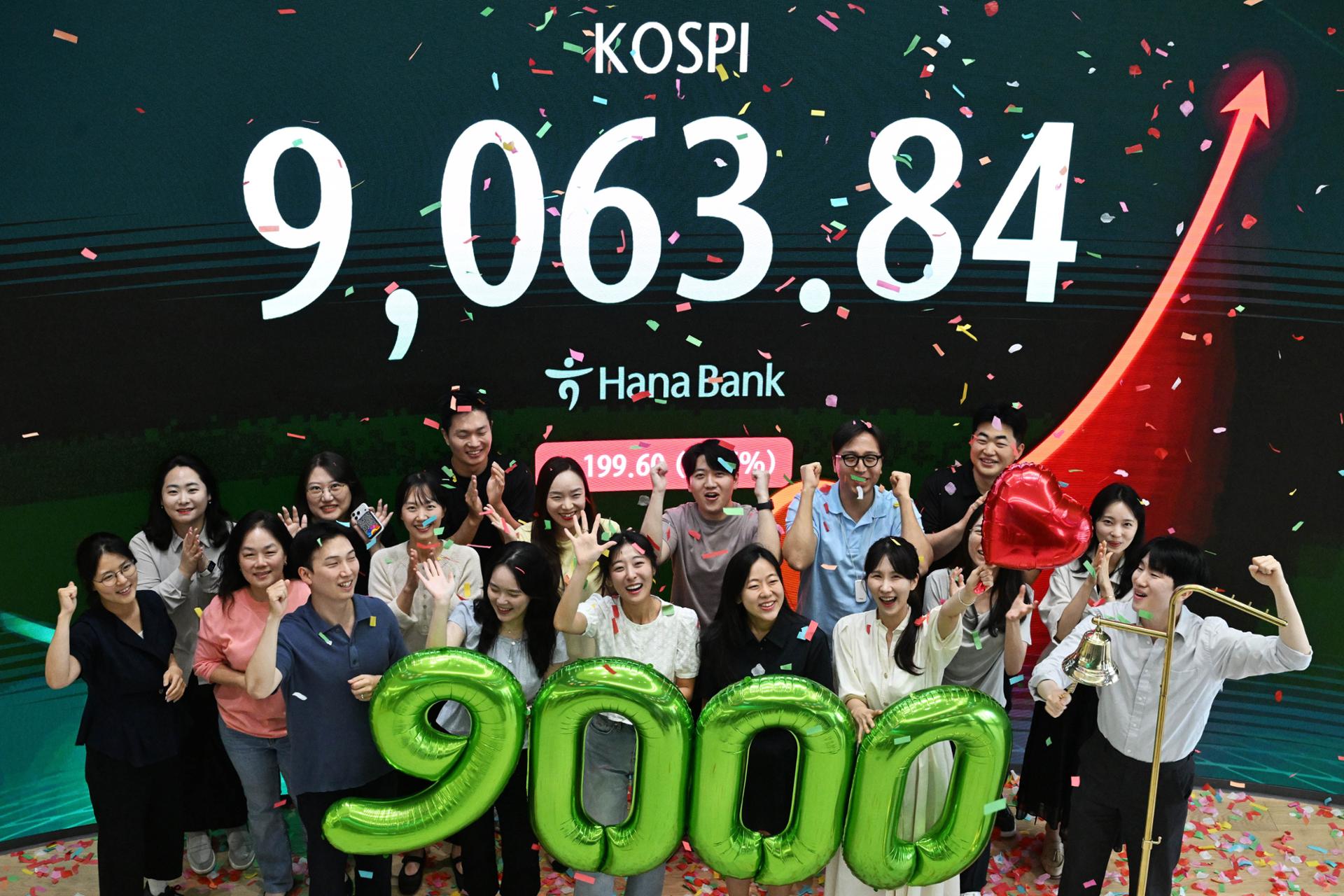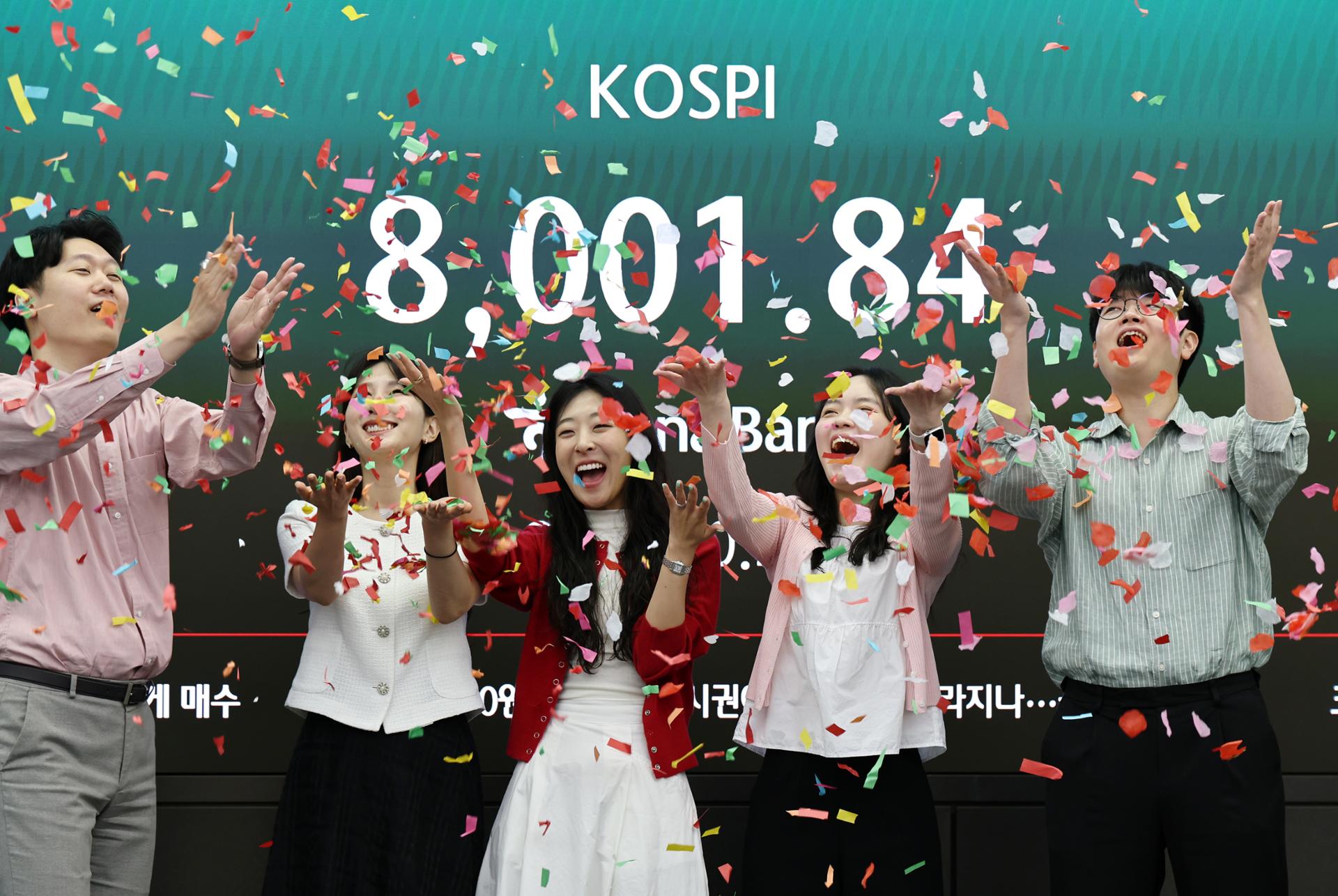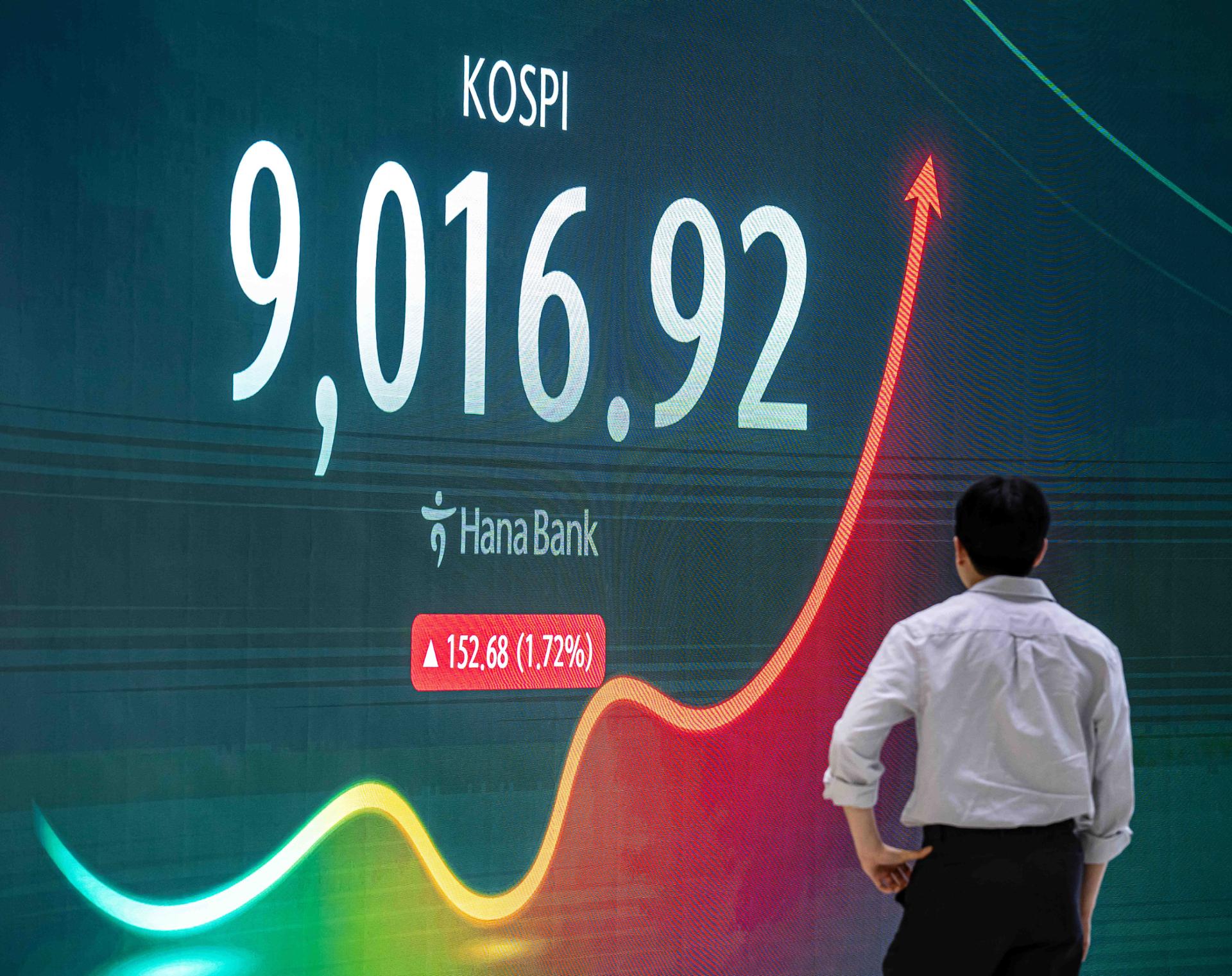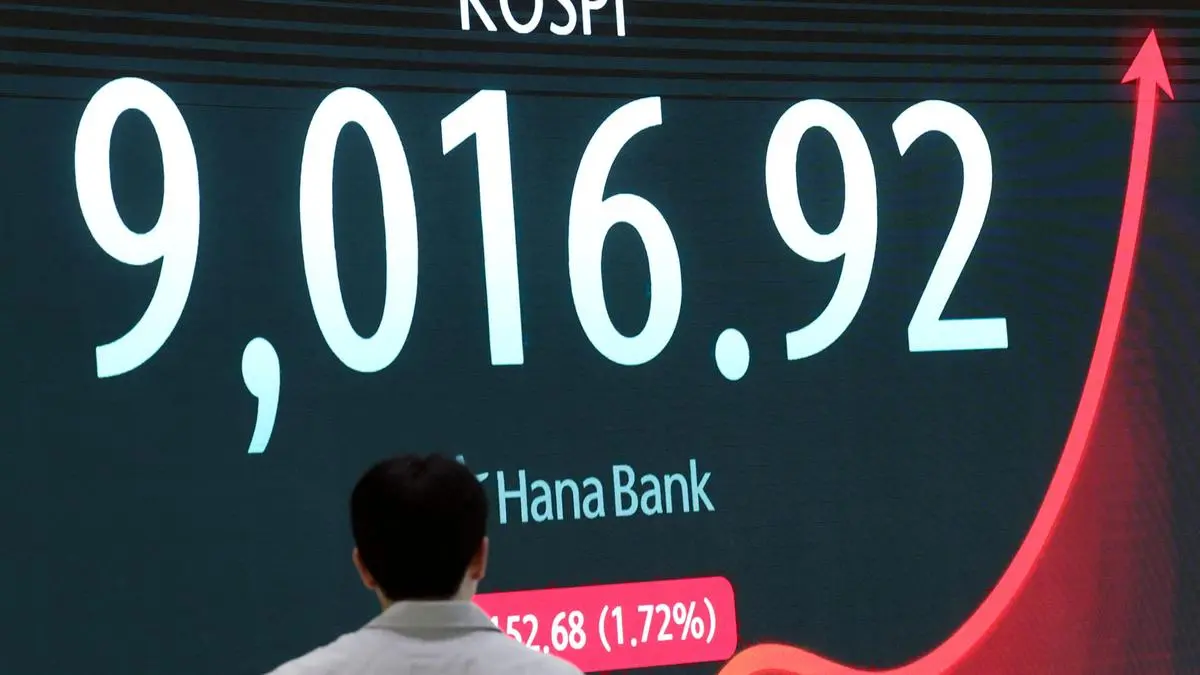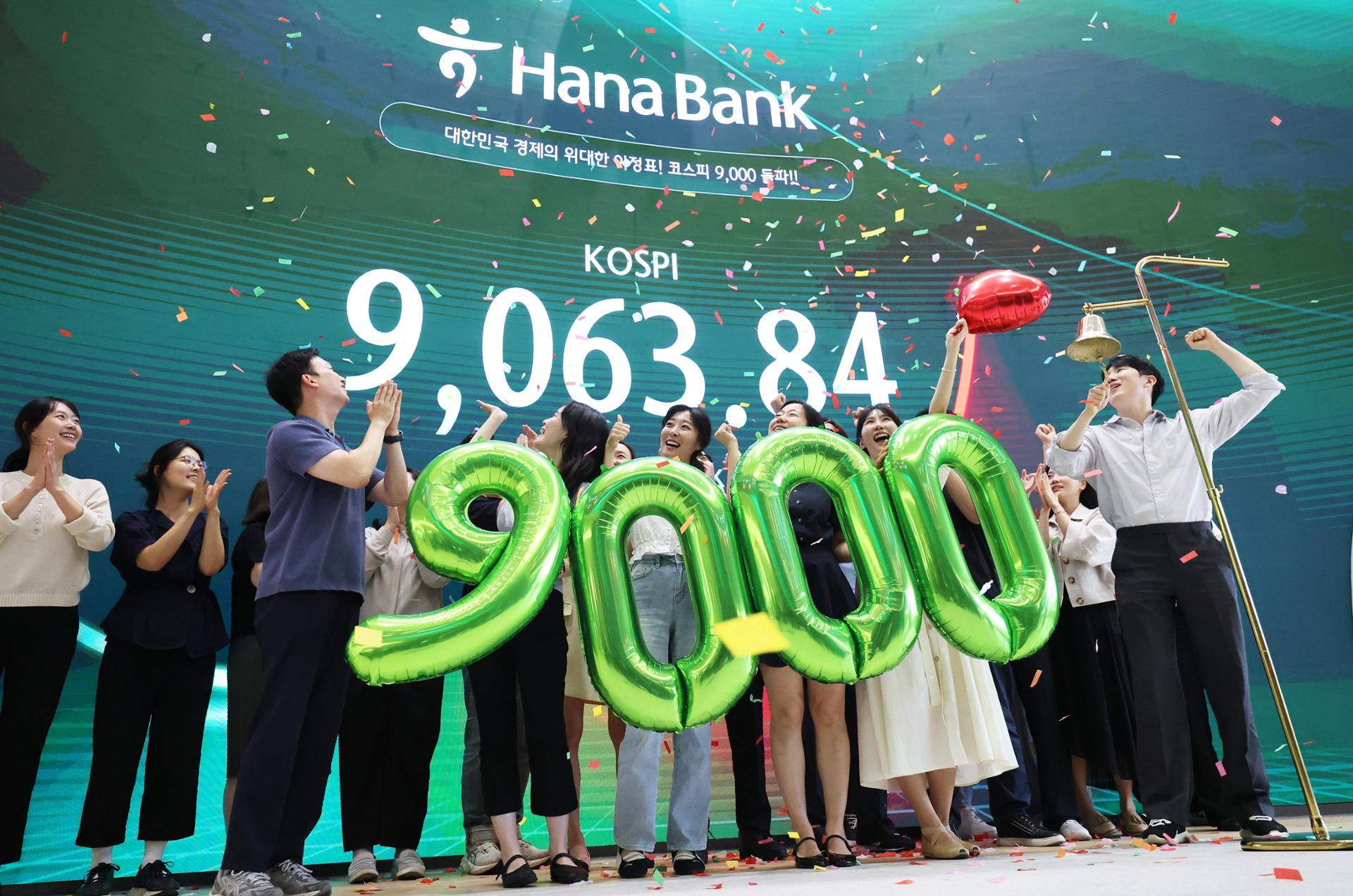
Hana Bank employees celebrate the benchmark KOSPI’s historic breakthrough above the 9,000 mark at the bank’s dealing room in Seoul, June 18. Korea Times photo by Shim Hyun-chul
Lee Chang-hwan, founder and CEO of Align Partners
KOSPI has risen roughly 144 percent over the past eight months, but the gains have been concentrated in a handful of memory names. The broader market remains substantially undervalued: 68.2 percent of KOSPI constituents trade below book value, against just 1.9 percent for the S&P 500, 23.4 percent for Taiwan’s TAIEX and 22.2 percent for Japan’s Nikkei 225. The “Korea discount” persists.
The discount is structural. At about 93 percent of KOSPI 200 companies, a single shareholder or family exercises effective control, while holding only around 44 percent of the shares; with this year’s shareholders' meetings attendance averaging just under 74 percent, such a holder can pass ordinary resolutions largely unaided. Pyramid ownership compounds the problem, and a high inheritance tax gives founding families a persistent incentive to keep share prices low.
Korea is now addressing these issues directly. Successive amendments to the Commercial Act have extended directors’ fiduciary duty beyond “the company” to “the company and its shareholders,” made cumulative voting mandatory for large listed companies, expanded the “3 percent rule” and the separate election of audit committee members, and tightened the rules on treasury shares. The Corporate Value-up Program, a more assertive National Pension Service and rising retail participation all point the same way.