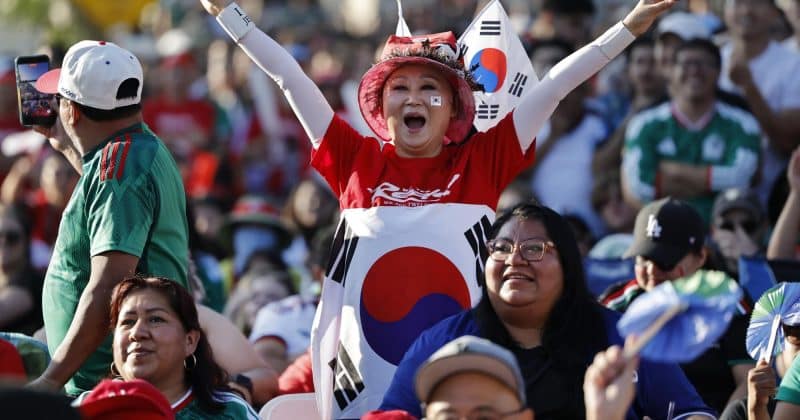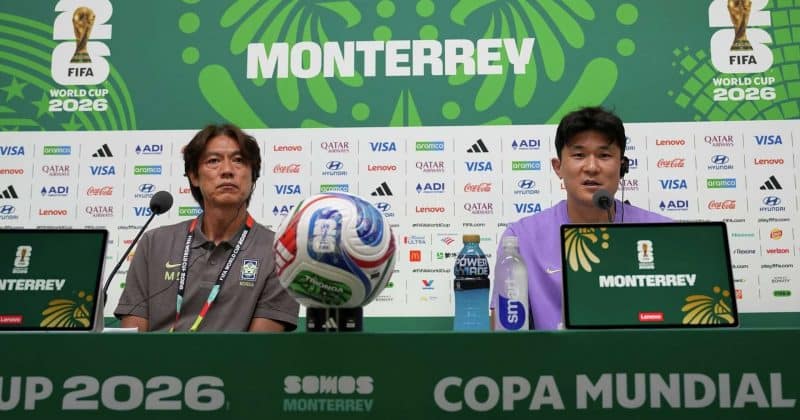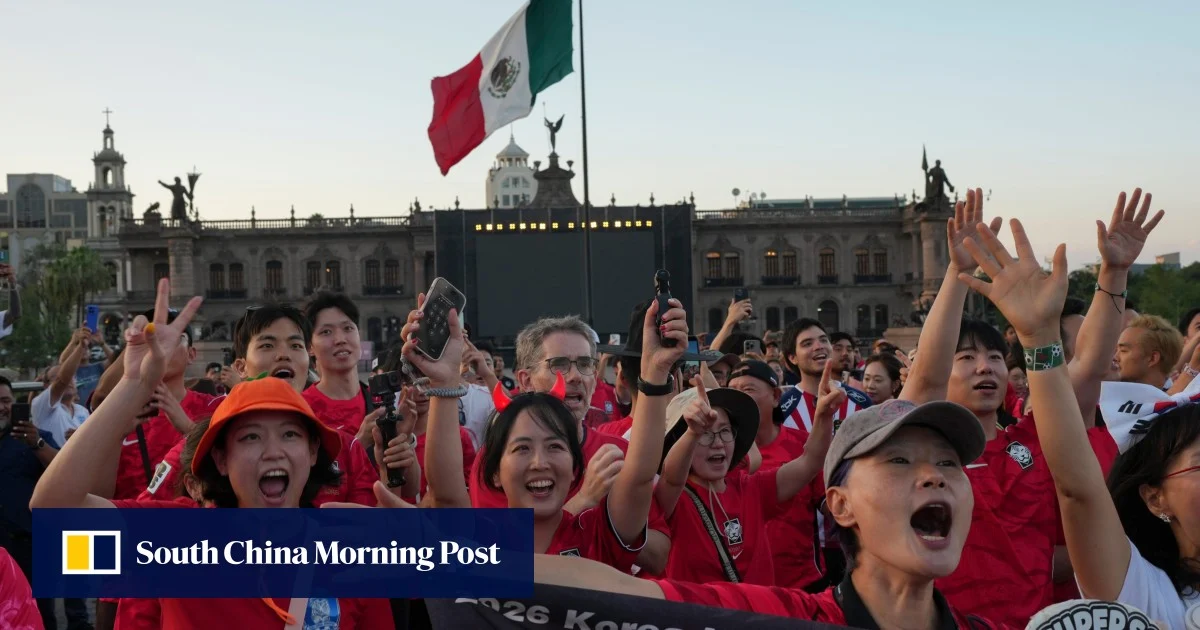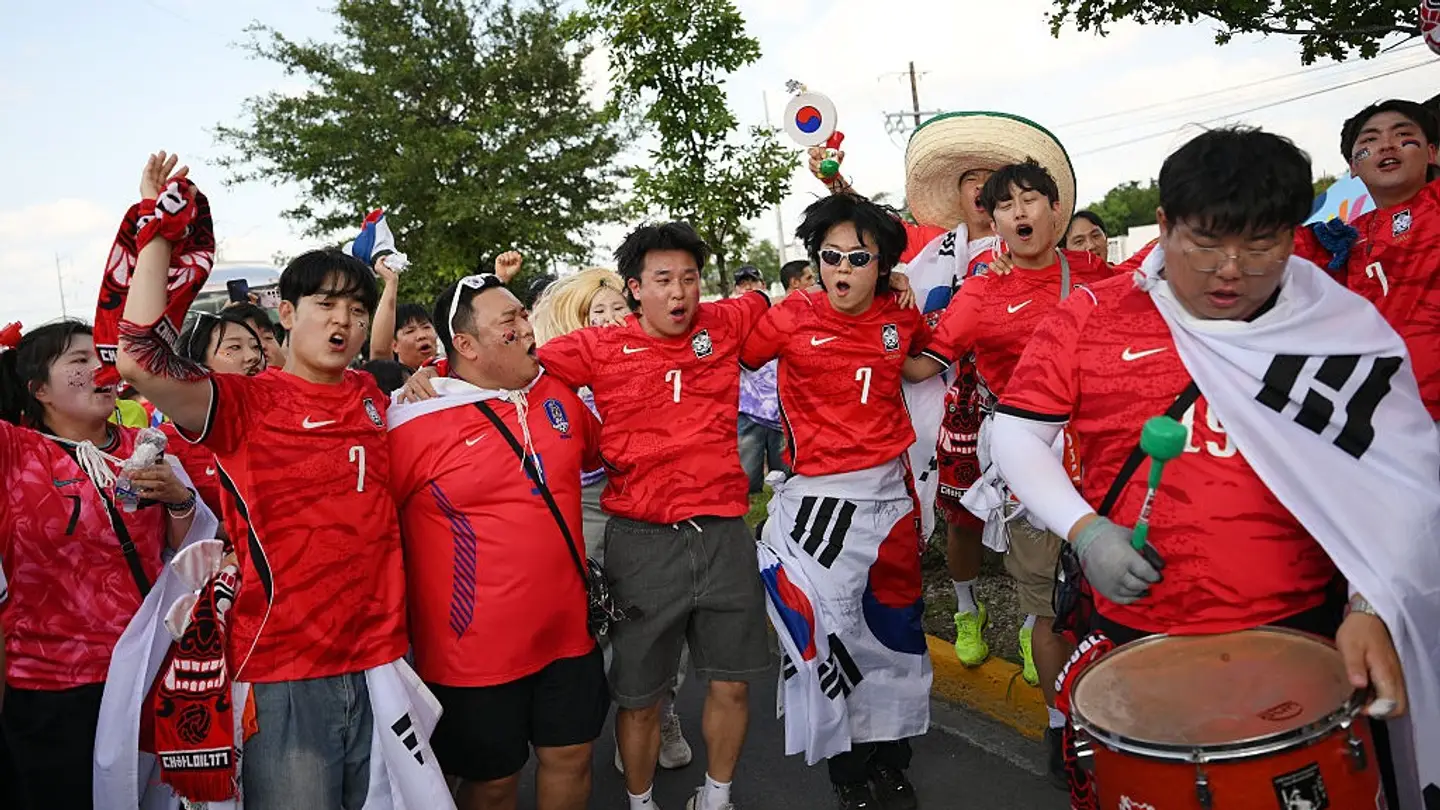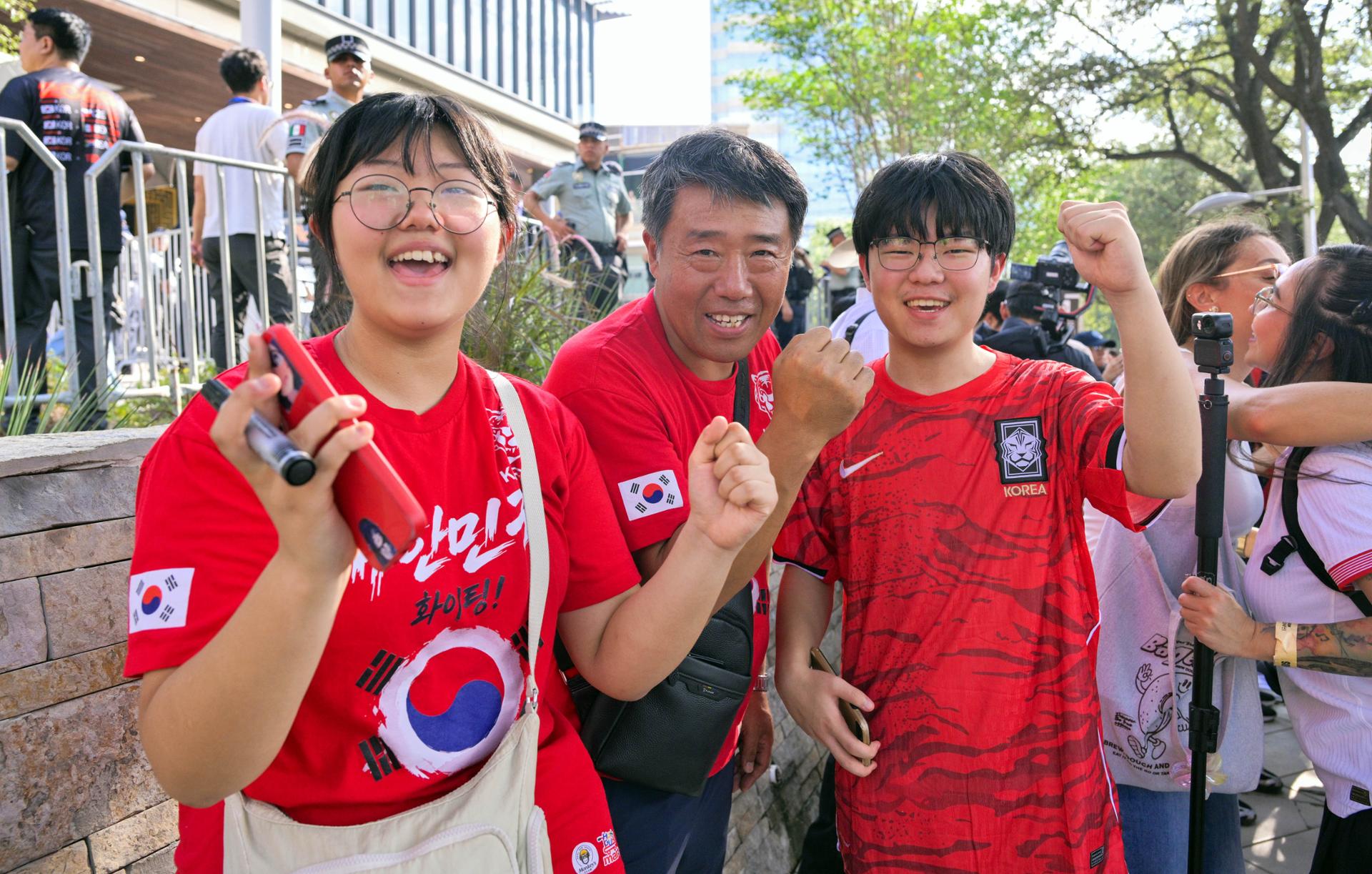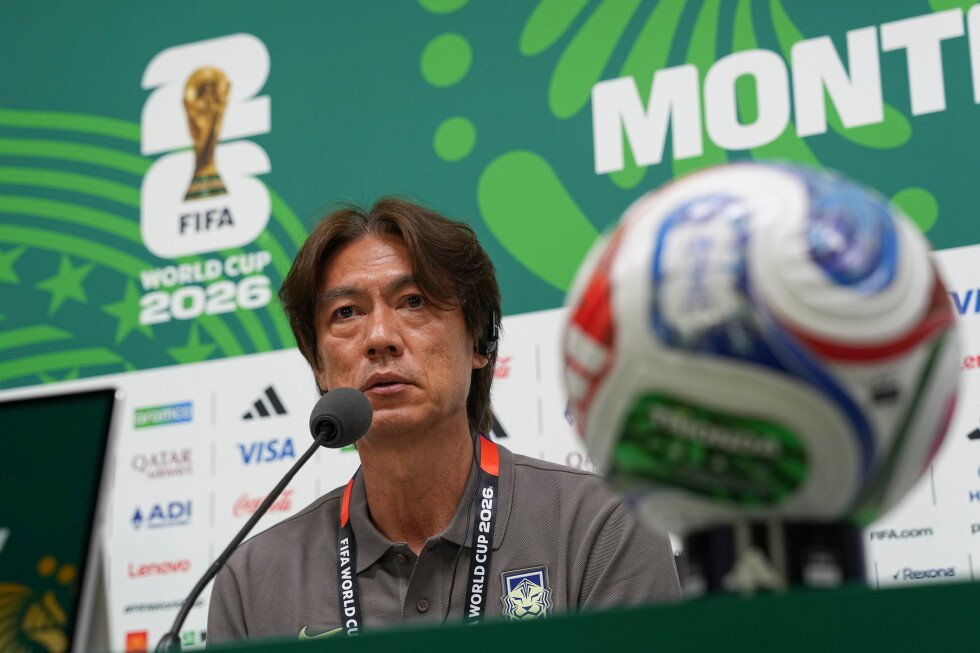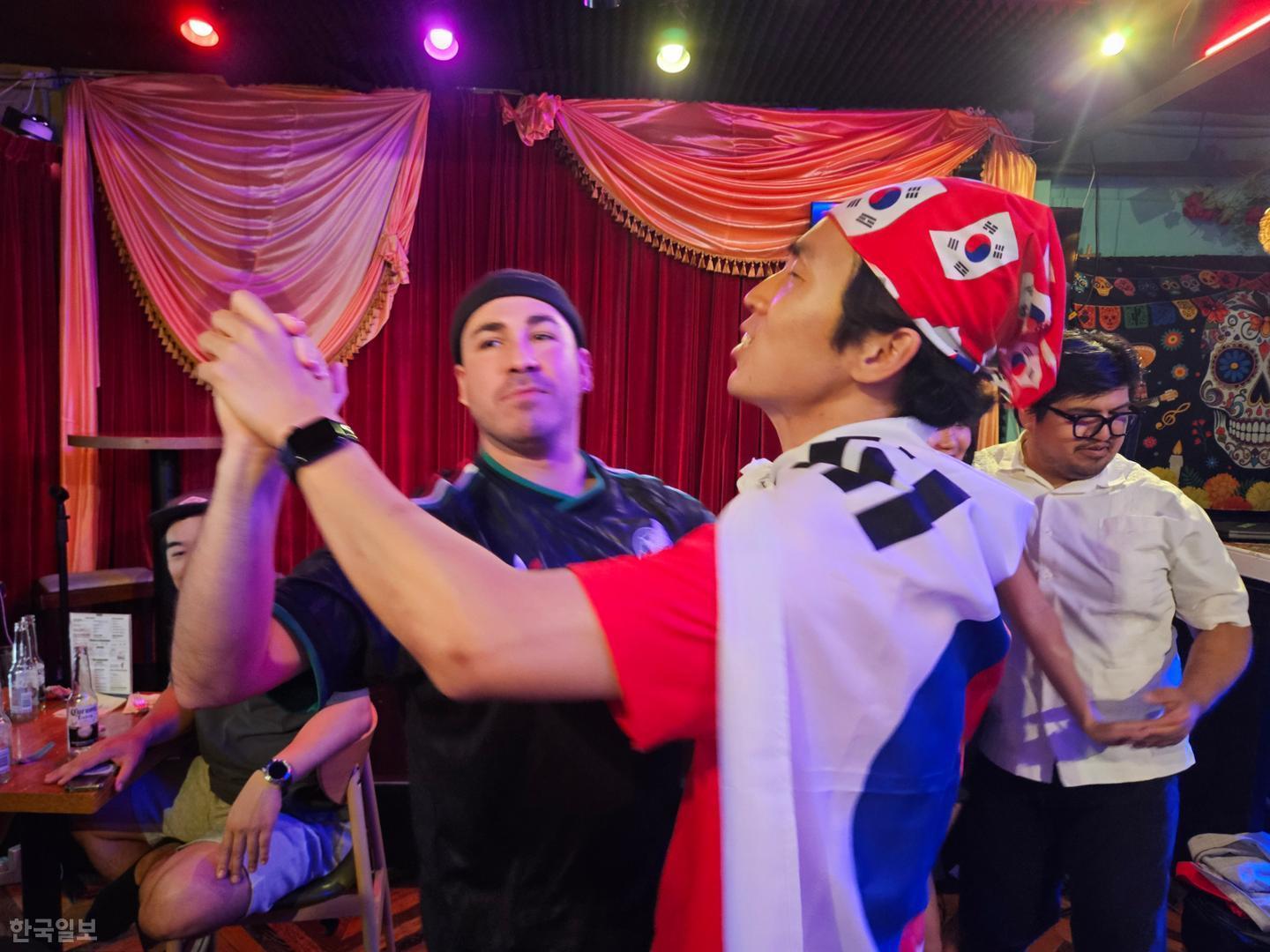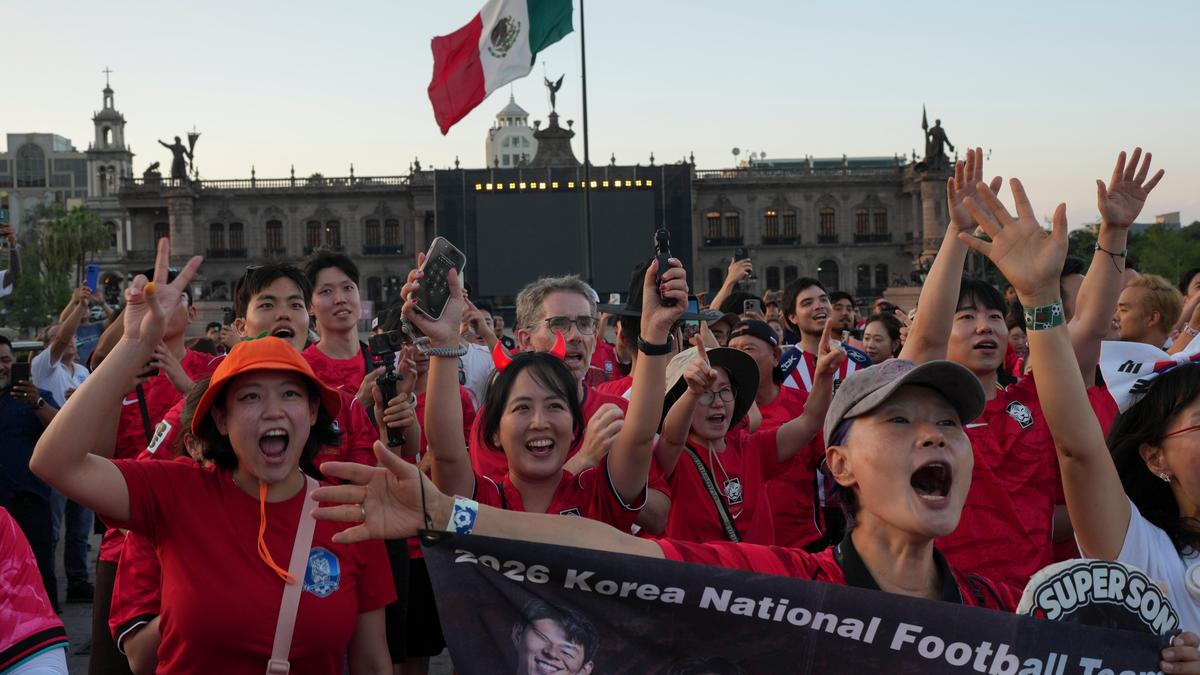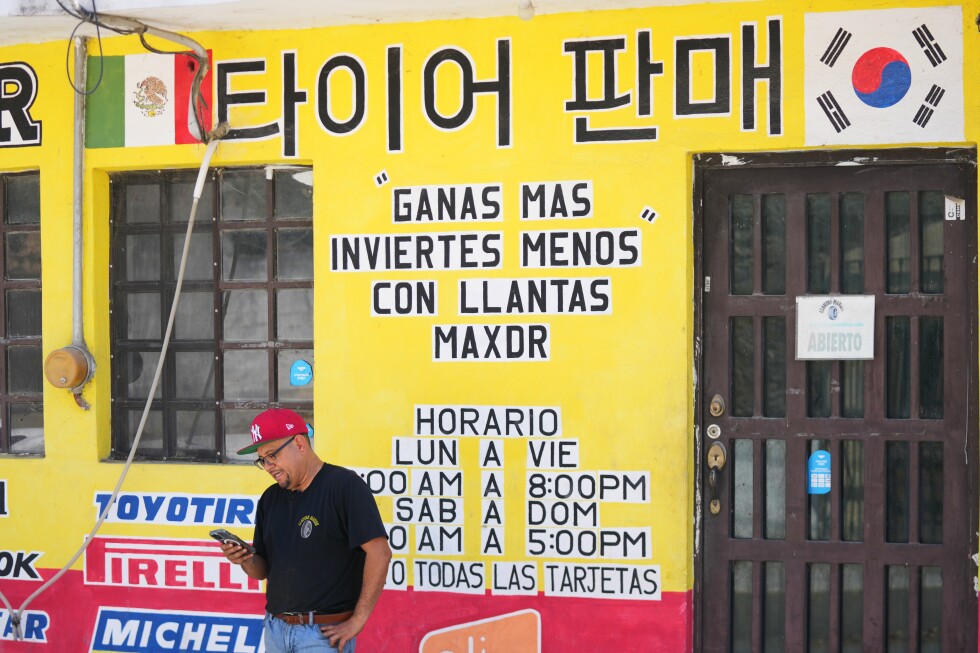
A sign in Korean welcomes you into a restaurant. Inside, fans are whirring and a woman behind the cash register speaks on the phone in Korean. From the kitchen, you can smell dishes such as samgyeopsal (grilled pork belly), while a TV shows the South Korean broadcast of France vs Iraq. The walls are plastered with posters and adverts from the East Asian country.We are not in Seoul, however, but more than 7,000 miles away — in the outskirts of Monterrey, north-east Mexico.This is an area with 12,000 South Korean-born residents and almost 50,000 descendants from there across five generations. There are Korean restaurants, shops and churches. One supermarket has signs in Spanish and Korean. The influence is so great that locals have taken to calling the town of Pesqueria ‘Pescorea’ — a term which represents the mix of Mexican and Korean cultures.A Monterrey supermarket sign in Spanish and Korean (The Athletic)It adds extra significance to South Korea’s game against South Africa at Estadio Monterrey (usually known as Estadio BBVA) on Wednesday. Having faced Mexico at the Azteca in the World Cup opener, South Africa may feel as if they are playing against another partisan home crowd.Speaking ahead of the game, South Korea’s coach Hong Myung-bo said: “The relationship between Korea and Mexico is very good. When we played against Czechia, it was not only Korean fans but also Mexican fans who cheered for Korea. We feel very grateful for the cheering from the Mexican fans.“We may feel this is like a home ground tomorrow. That is a very big gift to our players so we’ll have to use that well for the game.”There has long been a Korean presence in Mexico, but that accelerated in Monterrey and the Nuevo Leon region with the 2016 opening of a Kia production plant in Pesqueria. The 500-hectare centre brought a huge number of South Koreans to what had been a sleepy town. From 2010-2020, Pesqueria’s population soared by 608 per cent to 147,624 inhabitants, according to data from the Korea Trade-Investment Promotion Agency.The 2016 opening of a Kia production plant in Pesqueria saw many Koreans move to the region (KIA)“At first, it was just technical workers who came, went and returned to Korea,” says Bora Park, who provides services to Korean businesses in Mexico. “Now, there’s lots of people who stayed here, married Mexicans and have kids.”The location was strategic for the South Korean car giant, with Monterrey just a few hours south of the border with the United States. Around two per cent of the Kia plant’s 2,400 employees are of South Korean descent and its canteen offers both Mexican and Korean cuisine — but the best place to eat is a short drive away.
Why Monterrey’s Korean enclave will make South Korea’s World Cup match feel like a home game
In the outskirts of Monterrey in north-east Mexico there is an area with 12,000 South Korean-born residents and almost 50,000 descendants
1,036 words~5 min read